
Shipping costs are influenced by much more than distance. This guide explains what affects shipping rates, how different transportation methods compare, and practical ways to reduce expenses without sacrificing reliability. Whether you're shipping a vehicle or freight, you'll learn how to make smarter decisions, avoid hidden costs, and choose the shipping option that delivers the best value for your budget.
Table of Content:
- Why Do Shipping Costs Vary So Much?
- Which Shipping Method Offers the Best Value?
- What Makes One Shipment More Expensive Than Another?
- Is Free Shipping Really Free?
- How Can Customers Reduce Shipping Costs Without Sacrificing Reliability?
Why Do Shipping Costs Vary So Much?
Shipping costs are rarely the same from one shipment to another. Even if two vehicles are traveling to the same destination, the final price can be very different. Many people expect shipping to be priced only by distance, but carriers consider several factors before providing a quote.
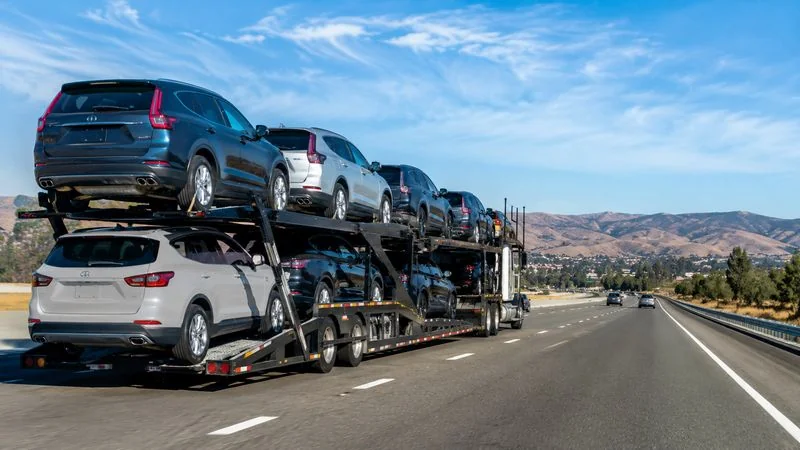
For customers trying to stay within a budget, understanding these factors is one of the easiest ways to avoid unexpected expenses. A small change in delivery speed, shipment size, or transport method can significantly affect the total cost. Knowing what influences pricing also helps you compare quotes more confidently and choose the option that offers the best value rather than simply the lowest price.
Whether you are shipping a personal vehicle, buying a car from another state, or arranging transportation for your business, understanding how freight pricing works will help you make smarter decisions and better plan your budget.
What Factors Have the Biggest Impact on Shipping Costs?
Shipping companies calculate rates using several key factors instead of relying on a fixed price. Every shipment is unique, so the final cost depends on the details of your cargo and the service you choose.
Some of the most important pricing factors include:
- Pickup and delivery locations
- Total shipping distance
- Vehicle size and weight
- Type of transportation
- Delivery timeframe
- Fuel prices
- Seasonal demand
- Special handling requirements
For example, shipping a standard sedan between two major cities is usually more affordable than transporting a large pickup truck to a remote location. Likewise, moving an operable vehicle typically costs less than shipping a non-running car because additional equipment is needed for loading and unloading.
The condition and value of the cargo can also influence pricing. Luxury vehicles, classic cars, or specialty equipment often require enclosed transport or additional protection, which increases the overall cost.
Customers who understand these variables are better prepared to compare estimates and identify services that fit both their needs and their budget.
How Does Distance Affect the Final Price?
Distance is one of the biggest factors in shipping costs, but it does not increase prices in a simple dollar-per-mile calculation.
Longer trips naturally require more fuel, driver hours, equipment use, and planning. However, the cost per mile often decreases as the distance increases. A cross-country shipment usually has a higher total price than a regional delivery, but each mile may actually cost less.
The shipping route also matters. Deliveries between major transportation hubs are generally more affordable because trucks regularly travel these corridors. In contrast, shipments to rural towns or remote locations may cost more due to fewer available carriers and additional travel time.
Imagine two customers purchasing similar vehicles. One lives near Atlanta, while the other needs delivery to a small town several hours away. Even though the second destination is only slightly farther, the total shipping price may be noticeably higher because the carrier must leave its primary route and spend extra time completing the delivery.
Planning your shipment around common transportation routes can often reduce costs without affecting service quality.
Why Does Delivery Speed Change the Cost?
Fast delivery almost always comes with a higher price. Expedited shipments require carriers to prioritize your load, adjust schedules, or dedicate equipment that could otherwise be used for multiple customers.
Standard shipping is usually the most economical option because carriers have more flexibility to optimize routes and combine shipments efficiently. This helps reduce operating costs while keeping prices lower for customers.
For many budget-conscious vehicle buyers, waiting a few extra days can result in meaningful savings. For example, someone purchasing a used car at auction may not need immediate delivery. Choosing standard transport instead of expedited service could leave more money available for registration, insurance, or vehicle maintenance.
Every transportation method also offers a different balance between speed and cost. Air freight provides the fastest delivery but is also the most expensive. Ocean shipping offers one of the lowest costs for international transportation but requires significantly longer transit times. Truck freight remains the preferred option for most domestic vehicle shipments because it combines reasonable pricing with dependable delivery times.
Which Shipping Method Offers the Best Value?
Choosing the right shipping method is one of the most effective ways to control transportation costs. The cheapest option is not always the best, and the fastest option is not always necessary. The right choice depends on your budget, delivery deadline, shipment size, and destination.
Each transportation method has its own strengths. Some are designed for speed, while others focus on moving large shipments at a lower cost. Understanding these differences helps you avoid paying for services you do not actually need.
If you are shipping a vehicle or freight on a tight budget, comparing transportation methods before booking can lead to significant savings.
When Is Truck Freight the Most Cost-Effective Choice?
Truck freight is the preferred transportation method for most domestic shipments because it offers an excellent balance between price, flexibility, and delivery time. It is especially practical for vehicle transportation throughout the United States, where an extensive highway network allows carriers to reach almost any destination.
Unlike other transportation methods, trucks provide door-to-door service. This reduces the need for transferring cargo between multiple terminals, helping lower handling costs and minimizing the risk of delays or damage.
Truck freight is particularly cost-effective when:
- Shipping vehicles between cities or states
- Transporting freight over short and medium distances
- Delivering directly to homes, dealerships, or businesses
- Shipping cargo that does not require urgent delivery
For example, someone buying a used SUV from an online auction in Georgia may find truck transport to be the most affordable solution. Instead of paying premium prices for faster transportation, they can choose standard truck shipping and save hundreds of dollars without significantly extending delivery time.
Truck freight also supports both full truckload (FTL) and less-than-truckload (LTL) shipments, giving customers more flexibility based on shipment size and budget.
Is Air Freight Worth the Higher Price?
Air freight is the fastest shipping option available, but it is also the most expensive. Because aircraft have limited cargo space and higher operating costs, shipping rates are significantly higher than road, rail, or ocean transportation.
For many customers, the additional cost simply does not provide enough value. If your shipment is not time-sensitive, paying for air freight may increase your transportation budget without offering meaningful benefits.
However, air transportation can be the right solution in certain situations, such as:
- Emergency replacement parts
- Critical business shipments
- Medical equipment
- High-value products with strict delivery deadlines
Imagine a manufacturing company waiting for a replacement machine component. Every day the factory remains idle could cost thousands of dollars. In this case, paying more for air freight may actually reduce overall business losses.
For routine vehicle transportation or standard freight, however, truck shipping usually provides a much better balance between cost and delivery speed.
When Do Rail and Ocean Shipping Save Money?
Rail and ocean transportation are excellent choices when keeping costs low is more important than achieving the fastest delivery.
Rail freight is commonly used for moving large quantities of cargo over long domestic distances. It is particularly efficient for heavy machinery, raw materials, construction equipment, and bulk freight. Because trains can carry substantial loads with lower fuel consumption, rail shipping often reduces transportation costs for large shipments.
Ocean freight is the most economical option for international shipping. Although transit times are much longer than air transportation, shipping containers by sea remains one of the least expensive ways to move vehicles and freight between countries.
Ocean shipping is often the best choice when:
- Exporting vehicles overseas
- Shipping multiple cars in containers
- Moving large commercial cargo
- Delivery deadlines are flexible
For example, a customer importing a vehicle from the United States to another country may save a considerable amount by choosing ocean freight instead of air transport. While delivery takes longer, the lower transportation cost often makes the wait worthwhile.
Businesses that plan shipments in advance can often achieve substantial savings by selecting rail or ocean transportation whenever speed is not the highest priority.
How Can YK Freight Help You Choose the Right Shipping Option?
Selecting the right transportation method can feel overwhelming, especially if you are shipping a vehicle for the first time. Many customers assume that the cheapest quote automatically offers the best value, but factors such as transit time, route availability, handling requirements, and final delivery costs should also be considered.
YK Freight works with customers to identify shipping solutions that match both their budget and delivery expectations. Rather than recommending the same service for every shipment, the team evaluates factors such as pickup location, destination, cargo type, delivery schedule, and transportation options to help customers make informed decisions.
What Makes One Shipment More Expensive Than Another?
Two shipments traveling the same distance can have very different prices. That is because carriers evaluate much more than the pickup and delivery locations. The size of the cargo, its weight, its condition, and any special handling requirements all influence the final shipping quote.
Understanding these factors helps customers avoid surprises and identify ways to reduce transportation costs before booking a shipment. In many cases, making small adjustments to how cargo is prepared or scheduled can lead to noticeable savings.
How Do Size, Weight, and Dimensions Affect Pricing?
The physical characteristics of a shipment are among the first things a carrier considers when calculating transportation costs. Larger and heavier cargo occupies more trailer space, increases fuel consumption, and may require specialized equipment.
Weight alone does not determine the final price. Carriers also measure the shipment's length, width, and height because oversized cargo can reduce the amount of space available for other freight. Even a lightweight shipment can become expensive if its dimensions prevent efficient loading.
For vehicle transportation, size also plays an important role. A compact sedan usually costs less to transport than a full-size SUV, lifted pickup truck, or commercial van because larger vehicles occupy more space on the trailer.
For example, two customers may both need to ship vehicles from Florida to Texas. One owns a compact car, while the other owns a large lifted truck. Although both vehicles travel the same route, the truck typically costs more to transport because it weighs more and requires additional trailer space.
Whenever possible, choosing standard-sized equipment and avoiding unnecessary accessories that increase vehicle dimensions can help reduce shipping costs.
Why Are Fragile, High-Value, and Special Cargo More Expensive to Ship?
Not every shipment can be handled like standard freight. Some cargo requires additional protection, specialized equipment, or extra documentation, all of which increase transportation costs.
Fragile products such as glass panels, electronics, artwork, or precision machinery require careful loading and secure packaging to minimize the risk of damage during transit. High-value cargo may need additional insurance coverage, enhanced security measures, or enclosed transportation.
Certain shipments also require specialized handling because of their nature. These include:
- Hazardous materials
- Temperature-sensitive products
- Oversized machinery
- Luxury and classic vehicles
- Construction equipment
For example, transporting a standard family sedan usually costs less than shipping a restored classic sports car. Although both vehicles may be similar in size, the classic vehicle often requires enclosed transport, additional protection, and more careful handling throughout the journey.
The more attention, equipment, or responsibility required from the carrier, the higher the transportation cost is likely to be.
Can Better Packaging Help Lower Shipping Costs?
Proper packaging protects cargo from damage, but it can also reduce shipping expenses. Well-prepared shipments are easier to load, stack, secure, and transport efficiently.
Standard-sized pallets and stackable packages allow carriers to maximize trailer space. Efficient loading reduces handling time and improves overall transportation efficiency, helping keep shipping costs lower.
Poor packaging, on the other hand, may increase costs. Oversized crates, irregular shapes, or unstable loads can require additional labor and occupy more trailer space than necessary.
If you are shipping freight rather than a vehicle, consider these simple ways to improve packaging:
- Use standard pallet sizes whenever possible.
- Secure cargo to prevent movement during transport.
- Eliminate unnecessary empty space inside packages.
- Clearly label fragile or sensitive shipments.
- Choose packaging that protects the cargo without adding excessive weight.
Imagine a business shipping automotive parts every week. By switching from oversized custom crates to standard stackable pallets, the company may reduce loading time and improve trailer utilization, helping lower transportation expenses over time.
Good packaging benefits both the customer and the carrier by reducing damage risks and improving shipping efficiency.
What Extra Fees Should Customers Expect Before Shipping?
Many customers focus only on the base transportation rate, but additional charges can affect the total shipping cost. Understanding these potential fees before booking helps you prepare a realistic budget and avoid unexpected expenses.
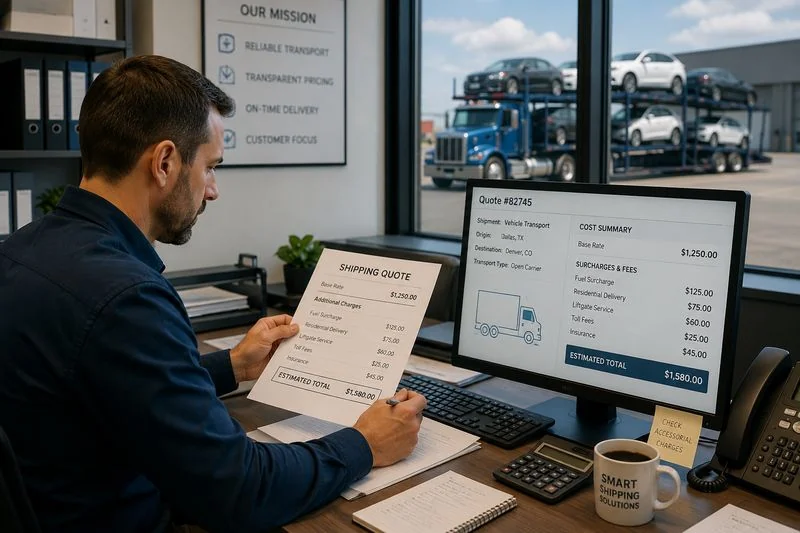
Some common additional charges include:
- Fuel surcharges
- Residential pickup or delivery fees
- Remote area delivery charges
- Expedited shipping fees
- Oversized or overweight cargo fees
- Storage charges if cargo cannot be collected on time
- Liftgate service for locations without loading equipment
- Additional insurance for high-value shipments
Not every shipment includes these costs, but they are important to discuss before transportation begins.
For example, a customer requesting delivery to a rural property may pay more than someone shipping to a commercial warehouse located near a major highway. Similarly, choosing expedited transportation instead of standard service can significantly increase the final price.
The easiest way to avoid unexpected costs is to provide accurate shipment information from the beginning. Sharing correct vehicle specifications, pickup and delivery addresses, and scheduling requirements allows carriers to prepare an accurate quote with fewer surprises later.
Is Free Shipping Really Free?
Free shipping is one of the most effective marketing tools businesses use to attract customers. Many shoppers actively search for products that include free delivery, and some even abandon their shopping carts when shipping fees appear at checkout.
However, transportation is never truly free. Every shipment has costs, including fuel, labor, equipment, insurance, packaging, and logistics. The difference is simply who pays for those expenses.
For businesses and customers alike, understanding how free shipping works helps set realistic expectations and makes it easier to identify offers that provide genuine value rather than simply clever marketing.
Who Actually Pays for "Free Shipping"?
The simple answer is that someone always pays for shipping. When customers see "Free Shipping," the transportation cost has usually been built into another part of the transaction.
Businesses commonly cover shipping costs by:
- Including transportation expenses in the product price
- Accepting lower profit margins
- Offering free shipping only on selected products
- Using promotional budgets to cover delivery costs
- Increasing prices across multiple products
For example, a retailer may sell a product for $120 with free shipping instead of listing it for $100 plus a $20 shipping charge. Although the customer sees free delivery, the shipping expense is already included in the purchase price.
This approach often works well because customers prefer simple pricing without unexpected charges during checkout.
For businesses, however, covering transportation costs requires careful planning. Shipping expenses can account for a significant portion of operating costs, especially when fuel prices rise or delivery distances increase.
Why Do Many Businesses Set a Minimum Purchase for Free Shipping?
Many online stores advertise offers such as "Free Shipping on Orders Over $100." This strategy encourages customers to increase their order value while helping businesses manage transportation expenses.
Instead of absorbing shipping costs on many small purchases, retailers recover part of those costs through larger orders. Customers often add another item to qualify for free shipping, increasing the retailer's average sale while making delivery more economical.
For example, imagine a customer with $85 worth of products in their shopping cart. If free shipping starts at $100, they may decide to purchase an additional $20 item instead of paying a $15 shipping fee. The customer receives another product, and the retailer benefits from a larger order.
This strategy is especially useful for businesses selling lightweight or moderately priced products because larger orders improve shipping efficiency and reduce transportation costs as a percentage of total sales.
What Alternatives to Free Shipping Can Save Customers Money?
Free shipping is not the only way to reduce delivery expenses. In many cases, businesses can offer flexible shipping options that provide better value for both the customer and the company.
Some popular alternatives include:
- Flat-rate shipping regardless of order size
- Economy shipping with longer delivery times
- Local pickup options
- Shipping discounts during promotional events
- Membership programs with discounted delivery
- Consolidating multiple purchases into one shipment
Choosing slower transportation is one of the easiest ways for customers to save money. If delivery is not urgent, economy shipping often costs much less than expedited services.
For example, someone purchasing a vehicle that will not be needed for several weeks may choose standard transport instead of priority delivery. Waiting a few extra days could significantly reduce shipping costs without affecting their overall plans.
Businesses also benefit from consolidated shipments because transporting multiple items together is generally more efficient than sending several individual deliveries.
Should Every Business Offer Free Shipping?
Not necessarily. While free shipping can increase sales, it is not the right strategy for every business.
Companies selling lightweight, low-cost products often have more flexibility to absorb transportation expenses. Businesses that ship heavy equipment, construction materials, furniture, or vehicles face much higher shipping costs, making free delivery difficult to sustain.
For example, transporting a compact household item costs far less than shipping a vehicle across several states. Offering free vehicle transportation on every order could quickly eliminate a company's profit margin.
Instead of promising free shipping at any cost, many businesses focus on providing transparent pricing and competitive transportation rates. Customers generally appreciate knowing exactly what they are paying for without hidden fees or unexpected charges.
How Can Customers Reduce Shipping Costs Without Sacrificing Reliability?
Saving money on shipping does not have to mean accepting poor service or unnecessary risks. Many customers assume the lowest quote is automatically the best deal, but choosing a carrier based on price alone can lead to delays, hidden fees, or damaged cargo.
The best approach is to balance cost, reliability, and service quality. By understanding your shipping needs and making informed decisions, you can reduce expenses while still ensuring your vehicle or freight arrives safely and on time.
Whether you are shipping a single vehicle or arranging regular transportation for your business, a little planning can make a noticeable difference to your overall shipping budget.
Should You Choose Price or Delivery Speed?
There is no single answer because every shipment has different priorities. If your cargo must arrive by a specific date, paying more for expedited transportation may be worthwhile. However, if your schedule is flexible, choosing standard shipping can result in significant savings.
Many customers discover that they do not actually need the fastest delivery option. Waiting a few extra days often reduces transportation costs without affecting their plans.
For example, someone purchasing a used vehicle from an online auction may not need immediate delivery. Choosing standard truck transport instead of expedited service could save several hundred dollars, leaving more room in the budget for registration, insurance, or repairs.
When comparing shipping options, ask yourself:
- How quickly do I really need delivery?
- Is paying extra for faster transportation necessary?
- Would a flexible pickup or delivery window lower the cost?
Answering these questions helps ensure you only pay for services that truly provide value.
How Can Planning Ahead Help You Save on Shipping?
One of the easiest ways to reduce shipping costs is to avoid last-minute bookings. Carriers have more flexibility when shipments are scheduled in advance, making it easier to optimize routes and combine multiple deliveries.
Planning ahead also gives customers more time to compare quotes, choose transportation methods, and avoid expensive expedited services.
Some practical ways to lower shipping costs include:
- Book transportation as early as possible.
- Be flexible with pickup and delivery dates.
- Compare multiple transportation options.
- Provide accurate shipment information.
- Avoid peak shipping seasons when possible.
- Consolidate shipments whenever practical.
Imagine two customers buying similar vehicles. One schedules transportation immediately after purchasing the car, while the other waits until the last minute because they need urgent delivery. The second customer will often pay considerably more simply because fewer transportation options remain available.
A little preparation can often lead to lower prices without reducing service quality.
What Questions Should You Ask Before Booking a Shipment?
Before selecting a shipping company, it is important to understand exactly what is included in the quoted price. A low estimate may not always represent the lowest total cost if additional fees appear later.
Some useful questions to ask include:
- What services are included in the quoted price?
- Are there any fuel surcharges or additional fees?
- What is the estimated delivery timeframe?
- Is insurance included?
- What happens if the shipment is delayed?
- Does the price include pickup and final delivery?
- Are there extra charges for oversized or inoperable vehicles?
- Can I track my shipment during transit?
Asking these questions helps you compare quotes fairly instead of focusing only on the advertised price.
For example, one company may provide a lower initial quote but charge extra for fuel, residential delivery, or insurance. Another carrier may include these services in the original estimate, resulting in a better overall value.
Transparency is one of the most important qualities to look for when selecting a transportation provider.
Why Do Customers Choose YK Freight for Affordable Vehicle Transportation?
Customers looking for affordable shipping want more than just a low price. They also want reliable service, honest communication, and confidence that their vehicle will arrive safely.
YK Freight focuses on helping customers balance cost and reliability by offering transportation solutions tailored to each shipment instead of relying on a one-size-fits-all approach. Every quote considers factors such as distance, vehicle type, delivery timeline, and route availability to recommend the most practical option.
Customers also benefit from:
- Competitive and transparent pricing
- Reliable vehicle transportation services
- Flexible shipping options
- Professional logistics support
- Clear communication throughout the shipping process
- Solutions for both individual and commercial shipments
Rather than encouraging customers to purchase the fastest or most expensive service, YK Freight works to identify transportation options that match each customer's priorities and budget.
Further Reading
Freight Shipping Cost Explained: How to Save Money on Every Shipment
How Are Fuel Surcharges Calculated? Simple Shipping Guide
Benefits of Intermodal Transportation: Lower Costs and Smarter Shipping
What Is Cargo Consolidation and How It Saves You Money on Shipping


ASK YOUR QUESTIONS