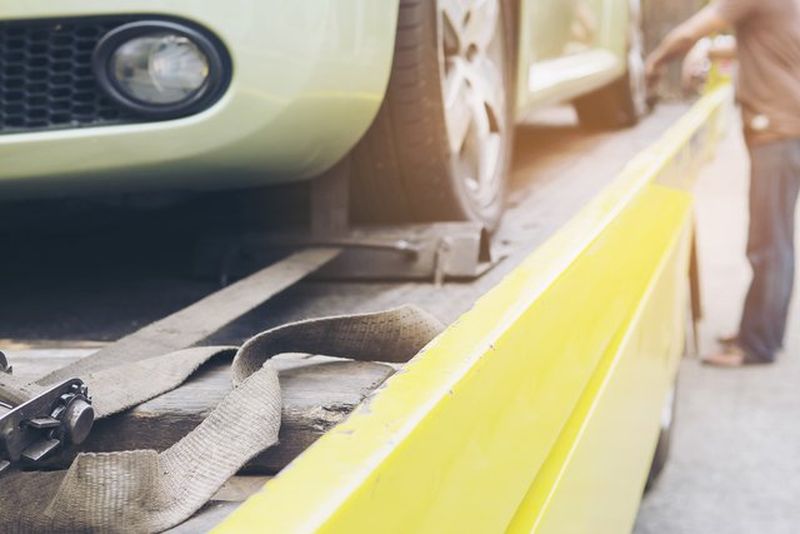
Specialized shipping is used when freight needs more than standard transportation because of its size, weight, condition, temperature, or handling requirements. This guide explains what counts as specialized freight, which trailers and services may be needed, what affects the price, and how to choose the right shipping provider without paying for unnecessary extras.
Table of Content:
- What Is Specialized Shipping and When Do You Need It?
- How Is Specialized Freight Transported?
- What Makes Specialized Shipping More Expensive?
- How Do You Choose the Right Specialized Shipping Provider?
- How Can YK Freight Help With Specialized Shipping?
What Is Specialized Shipping and When Do You Need It?
Specialized shipping is used when freight cannot be moved like a standard load. The shipment may be too large, too heavy, too fragile, temperature-sensitive, hazardous, or difficult to load and secure. In these cases, the carrier may need special equipment, permits, packaging, route planning, or trained drivers.
For vehicle shipping, specialized service may be needed when a car does not run, has unusual dimensions, requires enclosed transport, or must be moved together with other heavy equipment. A standard shipment usually follows a simple pickup-and-delivery process. Specialized freight often requires more planning before the truck even arrives.
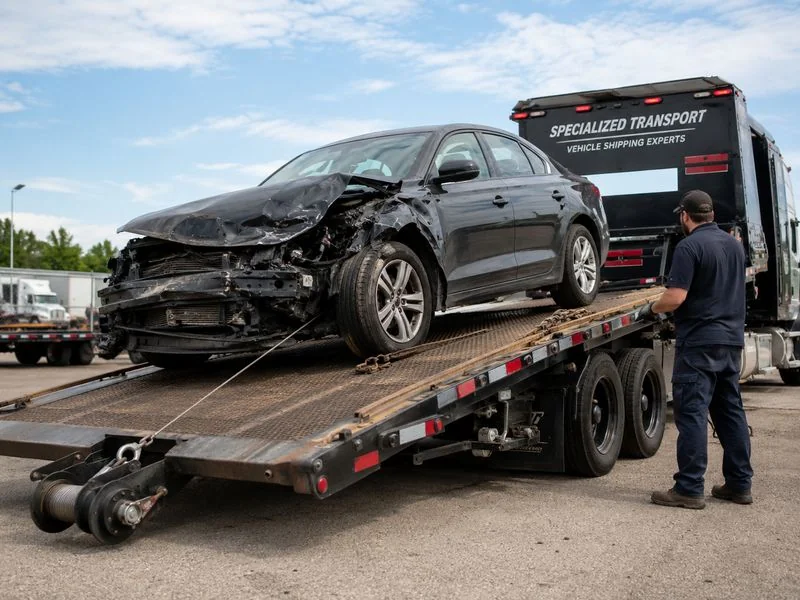
This does not always mean the shipment has to be expensive. The key is choosing the correct transport method from the start. For example, paying for a standard truck that cannot safely handle the load can lead to delays, extra handling, or a second pickup fee. For budget-conscious customers, matching the shipment with the right equipment can help avoid these unnecessary costs.
What Types of Freight Are Considered Specialized?
Freight is usually considered specialized when its size, weight, condition, value, or handling requirements make standard transportation unsuitable.
Common examples include:
- Oversized or overweight machinery
- Construction equipment such as excavators and bulldozers
- Non-running vehicles
- High-value cars or equipment that need extra protection
- Fragile electronics and industrial equipment
- Refrigerated or temperature-sensitive goods
- Hazardous materials
- Vehicles or machinery with unusual dimensions
- Freight that requires cranes, forklifts, ramps, or other loading equipment
A vehicle can also become a specialized shipment because of its condition. For example, imagine you bought a damaged SUV at an auction because the price was much lower than a comparable vehicle at a dealership. If the SUV cannot roll, steer, or brake, a carrier may need a winch or special loading equipment. That changes the type of service required.
The same applies to larger vehicles. A pickup truck with a lift kit, a commercial van, or a piece of construction equipment may be too tall or heavy for a standard trailer setup. In these situations, a flatbed, step deck, lowboy, or other specialized trailer may be required.
Why Does Specialized Freight Need Extra Handling?
Specialized freight usually needs extra handling because the load creates additional risks during loading, transportation, or unloading.
A standard shipment is generally designed to fit within common trailer limits. Specialized freight may not. The carrier must make sure the load is properly positioned, secured, and protected so it does not shift or create a safety problem on the road.
Extra handling may include:
- Using chains, straps, blocks, or special tie-down points
- Loading with a forklift, crane, or winch
- Protecting fragile surfaces from vibration or weather
- Monitoring temperature during transit
- Planning a route around low bridges or restricted roads
- Using a trailer designed for tall or heavy cargo
- Coordinating pickup and delivery around equipment availability
For example, a damaged auction car may look inexpensive at first. But if it has locked wheels or major suspension damage, loading it onto the truck can take more time and equipment. If this is not discussed before pickup, the customer may face extra charges.
Providing accurate information early can help prevent that. Photos, dimensions, weight, vehicle condition, and loading requirements allow a carrier such as YK Freight to recommend the right equipment before transportation begins.
What Permits and Regulations Can Apply to Specialized Shipments?
Specialized shipments may be subject to additional federal, state, or local transportation requirements. The exact rules depend on the type of freight, its dimensions, weight, route, and whether it contains hazardous materials.
Oversized and overweight loads often require permits before they can travel on public roads. The carrier may also face restrictions on which roads can be used or what times the shipment can move. Very large loads may require pilot or escort vehicles.
Hazardous materials have separate safety requirements. Depending on the material, the carrier may need special documentation, driver qualifications, labels, packaging, and handling procedures.
Weight is another important factor. A shipment that is too heavy for a standard trailer or road limit may require a different trailer configuration, additional axles, or a special permit.
For customers trying to keep shipping costs under control, these rules matter because permits, escorts, special trailers, and route changes can all affect the final price. The cheapest quote is not always the cheapest option if it does not include the services required to move the freight legally and safely.
How Is Specialized Freight Transported?
Specialized freight is transported with equipment chosen for the load’s size, weight, condition, and handling needs. There is no single trailer that works for every shipment. A fragile electronic system may travel inside an enclosed dry van, while a tall excavator may need a lowboy trailer.
The right transportation method can also affect the final cost. Using more equipment than necessary increases the price, but choosing equipment that cannot safely handle the freight can lead to delays, reloading fees, or failed pickup attempts.
Before scheduling transportation, carriers usually need several basic details:
- Total weight
- Length, width, and height
- Pickup and delivery locations
- Whether the freight can be driven or moved on its own
- Whether loading equipment is available
- Whether the cargo requires temperature control
- Whether the load contains hazardous materials
- Whether the shipment needs protection from weather
For vehicle buyers, condition is especially important. A running sedan can usually be loaded much more easily than an auction vehicle with broken suspension, locked wheels, or severe collision damage. Sharing this information before pickup helps the carrier choose suitable equipment and give a more realistic shipping quote.
When Are Dry Vans Used for Specialized Freight?
Dry vans are enclosed trailers that protect cargo from rain, road debris, and direct exposure during transportation. They are commonly used for freight that needs protection but does not require temperature control.
Specialized shipments moved in dry vans can include:
- Electronics
- Robotics and industrial components
- Sensitive equipment
- Packaged vehicle parts
- Fragile fixtures
- Certain hazardous materials
- High-value cargo that should remain enclosed
The enclosed design provides more protection than an open trailer, which can be important when transporting expensive or delicate freight.
Dry vans are also used for some hazardous materials. However, hazardous freight requires much more than simply placing the cargo inside an enclosed trailer. The carrier may need proper driver qualifications, documentation, labels, packaging, and permits depending on the material being transported.
For example, suppose you purchased several expensive replacement parts for damaged auction vehicles. If those parts include electronic modules, headlights, interior components, and painted body panels, moving them inside a dry van may provide better protection than using an open trailer.
Packaging also matters. Even inside an enclosed trailer, fragile cargo must be secured correctly so it does not move or collide with other freight during transit.
When Do You Need a Refrigerated Truck?
A refrigerated truck, often called a reefer, is used when freight must stay within a controlled temperature range during transportation.
Refrigerated trailers are common in food shipping, but they are also used for:
- Pharmaceuticals
- Vaccines
- Medical supplies
- Temperature-sensitive chemicals
- Certain industrial products
A reefer trailer has its own refrigeration system that maintains the required temperature while the truck is moving.
Temperature-controlled shipping normally costs more than standard dry freight because the refrigeration equipment consumes additional fuel and must operate throughout the trip. The shipment may also require temperature monitoring and more careful scheduling.
For customers trying to reduce shipping costs, a refrigerated truck should only be used when the product actually requires controlled temperatures. Paying for reefer service when standard enclosed transportation is sufficient can add unnecessary expense.
The opposite mistake can be even more expensive. If temperature-sensitive freight is moved in a regular trailer and becomes damaged, the value of the lost cargo can easily exceed the money saved on transportation.
What Is the Difference Between Flatbed, Lowboy, and Step Deck Trailers?
Flatbeds, lowboys, and step deck trailers are commonly used for oversized vehicles, machinery, construction equipment, and other freight that cannot fit inside a standard enclosed trailer.
The main difference is the height and shape of the trailer deck.
Flatbed trailers have a flat, open platform. A typical flatbed is around 48 to 53 feet long and approximately 8.5 feet wide. Because there are no walls or roof, cranes and forklifts can load freight from the side, rear, or above.
Flatbeds are commonly used for:
- Vehicles
- Building materials
- Machinery
- Steel products
- Industrial equipment
A standard flatbed can often carry roughly 48,000 pounds of cargo, although the exact legal capacity depends on the truck, trailer, axle setup, and route.
For someone shipping a damaged vehicle, a flatbed may be useful when the vehicle cannot be loaded using normal car transport equipment or when its dimensions make standard transportation difficult.
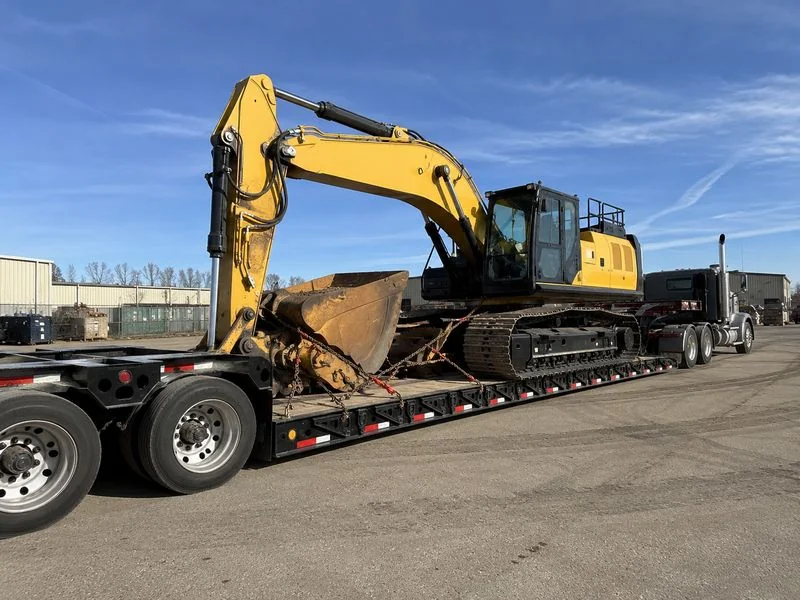
Lowboy trailers have a much lower deck. The lowest section can sit around 18 inches above the road, creating additional vertical clearance.
Lowboys are commonly used for tall equipment such as:
- Excavators
- Bulldozers
- Loaders
- Large construction machinery
- Heavy industrial equipment
The low deck helps keep tall cargo below bridge, tunnel, and overhead clearance limits.
For example, placing an excavator on a standard flatbed could make the total vehicle-and-load height too high. A lowboy lowers the equipment closer to the road and may make the same shipment possible without dismantling the machine.
Step deck trailers, also known as drop deck trailers, have two deck levels. The front section is higher, while the longer rear section sits lower.
A typical step deck may have an upper deck about 5 feet above the road and a lower section around 3 feet high. This extra clearance makes it useful for freight that is too tall for a normal flatbed but does not require a lowboy.
Step decks frequently transport:
- Forklifts
- Tractors
- Vehicles
- Smaller construction equipment
- Machinery of different heights
They can also be useful when several pieces of equipment with different dimensions need to travel on the same trailer.
For budget-conscious customers, matching the load to the correct trailer matters. A lowboy may be necessary for a tall excavator, but paying for one to move freight that fits safely on a standard flatbed can increase the transportation cost without providing a real benefit.
When Are Escort or Pilot Cars Required?
Escort cars, also called pilot cars, travel with oversized loads to help the truck move safely along its route.
A pilot vehicle may travel in front of the truck, behind it, or both. Its purpose is to warn other drivers, identify road hazards, and help the truck navigate bridges, narrow roads, turns, construction zones, and other difficult areas.
Escort vehicles may be required when a load exceeds certain width, height, or length limits. As a general example, loads wider than about 12 feet, taller than roughly 14.5 feet, or extremely long loads around 90 to 100 feet may require one or more escorts. However, the exact requirements vary by state and route.
Very large shipments may require two escort vehicles: one in front and one behind.
Escort services add another cost to specialized transportation, so route planning is important. In some cases, choosing a different route can reduce permit or escort requirements. In other cases, the escort is legally required and cannot be avoided.
Imagine you are moving a large piece of construction equipment you purchased at a low price. The purchase itself may look like a bargain, but if the machine is unusually wide, transportation could require a lowboy trailer, oversize permits, and pilot cars. Those costs should be considered before deciding whether the equipment is truly a good deal.
What Makes Specialized Shipping More Expensive?
Specialized shipping usually costs more than standard freight because the carrier must work around the specific size, weight, condition, or handling requirements of the load. A shipment may need a different trailer, special permits, additional equipment, or extra planning before it can legally and safely move.
The final price depends on more than mileage. A short trip with an oversized excavator can cost more than a much longer trip with a standard vehicle because the larger load may require permits, route checks, and a lowboy trailer.
For customers working with a limited budget, this is important to understand before booking transportation. A low shipping quote may look attractive, but if it does not account for the actual dimensions, weight, or condition of the freight, extra charges can appear later.
How Do Size, Weight, and Distance Affect the Price?
Size and weight are two of the biggest factors in specialized shipping costs. Larger and heavier loads require more truck capacity, consume more fuel, and may limit which roads or trailers can be used.
A shipment that fits within standard trailer dimensions is generally easier and cheaper to move. Once the cargo exceeds normal limits, the carrier may need specialized equipment or permits.
For example, shipping a regular passenger car is usually simpler than moving a lifted pickup truck, large commercial van, or piece of construction equipment. The larger vehicle may take up more trailer space and may require a different loading method.
Weight matters for similar reasons. Heavy freight can require:
- A trailer with a higher load capacity
- Additional trailer axles
- Specialized loading equipment
- Weight permits
- Different route planning
- More fuel during transportation
The condition of a vehicle can affect the cost as well. A running car that rolls, steers, and brakes normally is easier to load. A damaged vehicle with locked wheels or broken suspension may require a winch, forklift, or other equipment.
Distance is another major factor. Longer trips generally mean more fuel, driver time, and operating expenses. However, the price per mile does not always stay the same.
For example, moving a specialized load 500 miles does not necessarily cost exactly half as much as moving it 1,000 miles. Some expenses, such as loading, permits, and equipment setup, may be similar regardless of distance.
Pickup and delivery locations also matter. Moving freight between major transportation hubs is often easier than arranging pickup in a remote area where fewer suitable carriers operate.
What Extra Costs Can Come From Permits, Escorts, and Special Equipment?
Specialized shipments can involve costs that do not normally appear with standard freight.
One common expense is an oversized or overweight permit. States may require permits when a shipment exceeds legal limits for width, height, length, or weight. If the truck crosses several states, separate permits may be required for different parts of the route.
Large loads may also require escort or pilot cars. Depending on the load and local rules, one vehicle may travel ahead of the truck, another may follow behind, or both may be required.
Other possible additional costs include:
- Flatbed, step deck, or lowboy trailer service
- Additional trailer axles
- Cranes or forklifts for loading
- Winch service for non-running vehicles
- Special chains, straps, or blocking
- Oversize or overweight permits
- Pilot or escort vehicles
- Route surveys for very large loads
- Temporary storage
- Additional loading or unloading time
- Temperature-controlled transportation
- Special handling for fragile or hazardous freight
For example, imagine you find a damaged construction vehicle at a good price. The purchase may save you several thousand dollars compared with buying locally. However, if the machine requires a lowboy, permits, and special loading equipment, those costs should be included when deciding whether the purchase is still a good deal.
The same principle applies to auction vehicles. A heavily damaged car may have a low purchase price, but transportation becomes more expensive if it cannot roll or steer.
This is why accurate information before booking matters. Photos, dimensions, weight, and information about the condition of the freight allow the carrier to identify these requirements before pickup instead of adding unexpected costs later.
How Can You Reduce Specialized Shipping Costs Without Increasing Risk?
The safest way to save money on specialized shipping is to reduce unnecessary services rather than cutting essential ones.
Start by providing accurate information. Measure the freight carefully and tell the carrier about any loading problems before requesting a quote. For vehicles, mention whether the car runs, rolls, steers, and brakes.
Incorrect information can become expensive. If a carrier arrives expecting a running vehicle but finds a car with locked wheels, the truck may not be able to load it. You could then face an additional pickup charge or need to book another carrier with different equipment.
Flexible scheduling can also help. If the shipment does not need to move on an exact day, the carrier may have more opportunities to match it with an available truck traveling along the same route.
You can also reduce costs by:
- Providing exact dimensions and weight from the beginning
- Sending clear photos of the shipment
- Confirming loading and unloading conditions
- Choosing the simplest trailer that can safely handle the load
- Avoiding unnecessary expedited transportation
- Allowing some flexibility in pickup dates
- Planning transportation before purchasing oversized equipment
- Comparing quotes based on included services, not just the starting price
Consider the trailer carefully as well. If your freight can safely travel on a standard flatbed, there is little reason to pay for a lowboy. At the same time, selecting a cheaper trailer that cannot legally handle the height or weight of the cargo can create much larger expenses later.
Planning ahead is especially useful when buying vehicles or equipment at auction. Before placing a bid, estimate not only the purchase price but also the likely transportation requirements. A $4,000 piece of equipment with $3,000 in specialized shipping costs may be a worse deal than a $5,000 option that is easier and cheaper to transport.
How Do You Choose the Right Specialized Shipping Provider?
Choosing the right specialized shipping provider is important because these shipments often involve more risk, more planning, and more equipment than standard freight. The cheapest quote is not always the best option if the provider does not have experience with the type of load you need to move.
A good provider should understand the shipment before assigning a truck. That means asking about the freight’s dimensions, weight, condition, pickup location, destination, and any special loading requirements.
For someone trying to save money, this can prevent expensive mistakes. A provider that chooses the wrong trailer or overlooks a permit requirement may cause delays, failed pickups, storage fees, or additional transportation charges.
Before booking, compare more than the final price. Look at the provider’s experience, available equipment, carrier network, communication, and tracking options.
Why Does Experience With Specialized Freight Matter?
Specialized freight often creates situations that do not happen with normal shipments. Oversized loads may need permits, damaged vehicles may need special loading equipment, and heavy machinery may require a lowboy or step deck trailer.
An experienced provider is more likely to recognize these requirements before the truck arrives.
For example, imagine you need to move an auction vehicle with major front-end damage. The car does not run, one wheel is damaged, and the suspension is partially collapsed. A carrier that regularly handles damaged vehicles will know that normal loading may not work and can plan for a winch, forklift, or other equipment in advance.
Without that planning, the truck could arrive and be unable to load the vehicle. That may mean another pickup appointment and extra charges.
Experience is also important for oversized freight. The provider should understand how trailer height, axle weight, road restrictions, and permit requirements can affect the route.
When comparing companies, ask whether they regularly handle freight similar to yours. A provider that mostly moves standard palletized cargo may not be the right choice for a 30,000-pound machine or a severely damaged vehicle.
Why Is a Strong Carrier Network Important?
A strong carrier network gives the shipping provider more options when matching your freight with the right truck.
Specialized trailers are not available everywhere at all times. Flatbeds, lowboys, step decks, refrigerated trailers, and trucks with specific equipment may be harder to find than standard dry vans.
If a provider works with a larger network of qualified carriers, it may be easier to find suitable equipment near the pickup location.
This can affect both timing and price.
For example, if only one suitable lowboy is available hundreds of miles away, the carrier may charge more to reach the pickup point. A wider network increases the chance that another qualified truck is already traveling nearby.
A strong network can also help when:
- Pickup dates change
- A carrier becomes unavailable
- Special equipment is required
- The shipment crosses several states
- The load needs a specific trailer configuration
- Delivery is in a remote area
For budget-conscious customers, this flexibility matters. More carrier options can make it easier to avoid unnecessary deadhead miles or last-minute premium rates.
However, the size of the network is not the only thing that matters. The provider should also work with carriers that have the correct equipment, insurance, and experience for the shipment.
What Services Should a Specialized Freight Company Offer?
A specialized freight company should be able to coordinate more than basic transportation.
The exact services depend on the type of freight, but useful capabilities can include:
- Flatbed transportation
- Lowboy and step deck service
- Overweight transportation
- Oversized load coordination
- Refrigerated shipping
- Hazardous material transportation
- Vehicle shipping
- Non-running vehicle transport
- Winch or special loading support
- Pilot or escort car coordination
- Permit assistance
- Storage and pre-pull services
- Warehousing or transloading
- GPS shipment tracking
Not every customer needs all of these services. The important point is that the provider should be able to recommend what is actually necessary for the load.
This is especially useful when the customer is unfamiliar with specialized shipping.
For example, you may know that your vehicle does not run, but you may not know whether it needs a flatbed, winch service, or forklift loading. A good provider should help identify the correct solution instead of expecting you to understand every transportation term.
Avoid companies that automatically recommend the most expensive option without explaining why it is needed.
A reliable provider should be able to tell you what equipment is required, what can be avoided, and which services are included in the quote.
Why Do Tracking and Transportation Technology Matter?
Tracking and transportation technology make specialized shipments easier to manage because they give customers better visibility while the freight is moving.
This matters more when the shipment is expensive, oversized, fragile, or difficult to replace.
GPS tracking can help show where the truck is and whether the shipment is progressing toward its destination. Transportation management systems can also help providers organize routes, carrier information, documents, pickup details, and delivery updates.
For customers, better visibility means fewer unanswered questions.
Instead of repeatedly calling to ask where the shipment is, you may be able to receive updates during transit or get confirmation when important stages are completed.
Technology is also useful when several services are involved. A specialized shipment might include a truck, permits, an escort vehicle, warehouse handling, and a delivery appointment. Keeping these details organized reduces the chance of missed communication.
For example, if a damaged vehicle is being picked up from an auction yard, delays can sometimes lead to storage fees. Clear communication and tracking help everyone know when the truck is expected and whether the pickup is on schedule.
When choosing a provider, ask how shipment updates are handled and whether tracking is available.
How Can YK Freight Help With Specialized Shipping?
Specialized shipping can be difficult to plan because the right solution depends on the freight itself. A standard truck may work for one load, while another may require a lowboy, tri-axle trailer, refrigerated equipment, or special handling.
YK Freight helps coordinate specialized transportation based on the load’s size, weight, condition, route, and loading requirements. The goal is to match the shipment with suitable equipment before pickup so customers can avoid unnecessary delays and unexpected costs.
This is especially useful for customers working with a limited budget. Choosing the wrong trailer or failing to plan for special loading can turn an inexpensive shipment into a costly one. Providing accurate details from the beginning makes it easier to select a practical option and estimate the real transportation cost.
What Types of Specialized Freight Can YK Freight Handle?
YK Freight can coordinate transportation for different types of freight that require more than standard shipping.
Depending on the shipment and route, this can include:
- Oversized and overweight loads
- Vehicles and non-running vehicles
- Construction and industrial equipment
- Machinery
- Refrigerated freight
- Open-top loads
- Heavy freight requiring tri-axle equipment
- 20-foot and 40-foot container moves
- Import and export freight
- Freight requiring storage or pre-pull service
- Loads that need transloading or warehousing
For example, a customer may buy damaged equipment at an auction because the purchase price is much lower than buying locally. If the machine is too tall for a standard flatbed, the shipment may need a lowboy or another trailer with a lower deck.
Another customer may need to move a non-running vehicle that cannot be driven onto a trailer. In that case, the transportation plan may need to include a winch, forklift, or other loading solution.
The important point is that specialized freight is not defined by one trailer or one type of cargo. The transportation method should be selected around the actual load.
How Can YK Freight Help You Choose the Right Equipment?
Choosing the right equipment starts with accurate shipment information.
Before arranging transportation, it is helpful to provide:
- Freight type
- Length, width, and height
- Total weight
- Pickup address
- Delivery address
- Vehicle or equipment condition
- Whether the load can move under its own power
- Whether a forklift, crane, or loading dock is available
- Photos of the freight
- Any known special handling requirements
Using these details, YK Freight can help determine which type of equipment is suitable for the shipment.
A standard flatbed may be enough for some machinery, while taller equipment may need a step deck or lowboy. Heavy loads may require a tri-axle setup. Refrigerated freight needs temperature-controlled equipment, while container shipments may require the correct chassis.
The cheapest equipment is only useful if it can safely and legally move the load.
For example, choosing a regular flatbed instead of a lowboy may initially save money. But if the loaded height exceeds legal limits, the shipment may need to be rescheduled with another trailer. That can create additional pickup, storage, or permit costs.
The same applies to damaged vehicles. If a customer says only that the car is “non-running,” important details may be missed. A vehicle that rolls and steers is much easier to load than one with locked wheels and collapsed suspension.
Clear photos and accurate condition information help YK Freight recommend the right setup before the truck is dispatched.
How Can You Request a Specialized Shipping Quote?
To request a specialized shipping quote, provide as much information about the shipment as possible. The more accurate the details are, the more realistic the estimate can be.
At minimum, you should provide:
- Pickup location
- Delivery location
- Type of freight
- Weight
- Dimensions
- Vehicle or equipment condition
- Preferred pickup date
- Loading and unloading requirements
Photos are especially useful for unusual, oversized, or damaged freight. They can show details that may not be obvious from a written description.
For example, if you need to ship an auction vehicle, include photos showing the damaged areas and wheels. If you are transporting machinery, include a full side view and any available manufacturer specifications.
It is also important to mention whether there are time restrictions at the pickup or delivery location. Auction yards, ports, warehouses, and construction sites may have specific operating hours or appointment requirements.
When comparing quotes, look at what is included rather than choosing only the lowest number. Ask whether the price accounts for the required trailer, special loading, permits, storage, or other services that may apply.
YK Freight can review the shipment details, help identify the required equipment, and provide a cost estimate based on the actual transportation needs. Planning these details before pickup helps reduce surprises and makes specialized shipping easier to budget.
Further Reading
What Is Project Cargo Logistics? A Simple Guide for Shipping Vehicles & Cargo
What Is Breakbulk Shipping? A Simple Guide for Moving Oversized Cargo
How to Ship Oversized Loads: Save Money and Avoid Costly Mistakes
What Types of Freight Carriers Are in Logistics? A Simple Guide for Shippers


ASK YOUR QUESTIONS