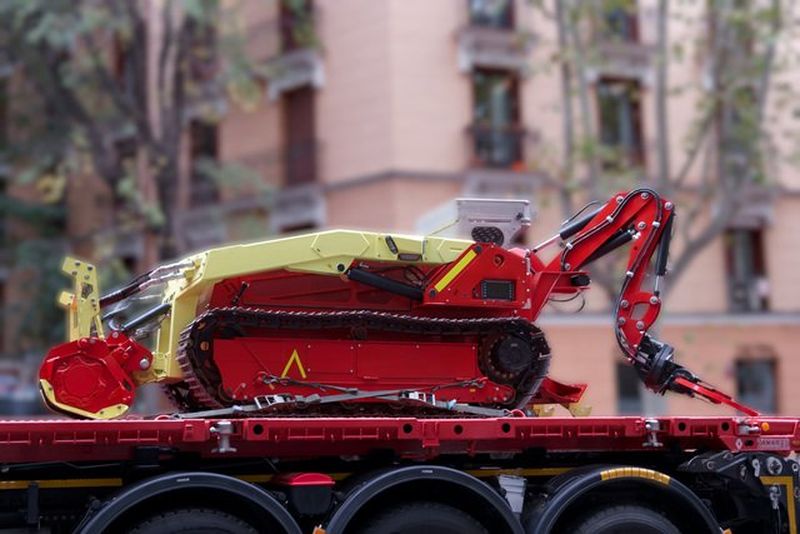
Moving oversized equipment requires careful planning, permits, and the right transportation strategy. This guide explains how oversized loads are classified, what regulations apply, and how to avoid costly mistakes during shipping. You will learn how to reduce transportation costs, prepare equipment properly, and choose the right shipping solution to move heavy loads safely and efficiently.
Table of Content:
- What Is Considered an Oversized Load and Why Does It Matter?
- What Measurements and Regulations Should You Know Before Shipping?
- How Do You Prepare an Oversized Load for Transportation?
- How Can You Reduce the Cost of Shipping Oversized Loads?
- How Can YK Freight Help You Ship Oversized Loads Safely?
What Is Considered an Oversized Load and Why Does It Matter?
Oversized freight transportation is very different from regular shipping. Large equipment, heavy machinery, and oversized vehicles require special trailers, permits, route planning, and experienced carriers. Even a small mistake can lead to delays, additional costs, or legal issues.
For many businesses and equipment buyers, oversized transportation is a major investment. A contractor purchasing a used excavator at an auction or a farmer moving large equipment to another state may spend thousands of dollars on transportation alone. Understanding how oversized shipping works helps avoid unexpected expenses and ensures that cargo arrives safely.
What Is Heavy Haul Transportation?
Heavy haul transportation refers to the movement of freight that exceeds standard legal size or weight limits. These shipments require specialized equipment, permits, and transportation planning.
Unlike regular freight that fits inside a standard trailer, heavy haul cargo often includes equipment that is wider, taller, longer, or heavier than normal loads. Transporting these shipments may require special trailers, escort vehicles, route surveys, and additional safety equipment.
For example, a small construction company may purchase a used bulldozer at an equipment auction several states away. Because the machine cannot fit on a standard trailer, the company must arrange heavy haul transportation to move it safely.
Heavy haul shipping is commonly used in construction, agriculture, manufacturing, energy, and mining industries. However, private buyers also use these services when purchasing large equipment, tractors, or specialty vehicles.
When Is a Load Considered Oversized?
A load is generally considered oversized when it exceeds legal transportation limits established by state or federal regulations.
In many states, freight becomes oversized if it exceeds:
- 8 feet 6 inches in width
- 13 feet 6 inches in height
- 48 to 53 feet in trailer length
- Maximum legal weight limits
However, these limits can vary depending on the state and the specific route. A shipment that is legal in one state may require permits in another.
For example, a buyer may purchase a large agricultural sprayer that can legally travel within one state but requires oversize permits when crossing state lines. This is why accurate dimensions are extremely important before arranging transportation.
Understanding whether your shipment qualifies as oversized helps prevent delays and allows transportation companies to secure the proper permits before pickup.
What Types of Equipment and Vehicles Require Oversized Shipping?
Many types of equipment and vehicles require oversized transportation services. These shipments are often too large or too heavy for standard trailers.
Common oversized loads include:
- Excavators and bulldozers
- Tractors and agricultural equipment
- Cranes and construction machinery
- Industrial generators
- Mining equipment
- Large tanks and steel structures
- Aircraft components
- Oversized boats
- Heavy trucks and specialty vehicles
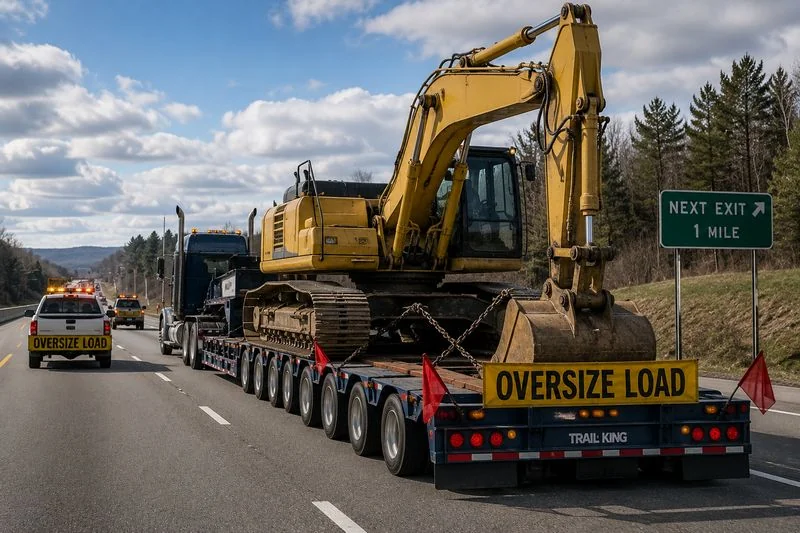
A small contractor who buys a used excavator to save money may quickly discover that transporting the machine costs almost as much as delivering several passenger cars. Choosing the correct trailer and transportation provider becomes very important.
Even some vehicles can require oversized transport. Lifted trucks, large recreational vehicles, and specialty equipment may exceed height or width limits and require additional planning.
Companies such as YK Freight help customers determine the right transportation method based on the equipment dimensions, destination, and route requirements.
Why Can Incorrect Measurements Cause Expensive Problems?
Accurate measurements are one of the most important parts of oversized shipping. Even a small error can create major problems.
Permits are issued based on the exact dimensions and weight of the cargo. If the actual measurements differ from the information provided, the shipment may be delayed or stopped during transportation.
For example, a customer may estimate that a piece of equipment is 13 feet high, but the actual height is 13 feet 8 inches. That difference may require a different route, additional permits, or escort vehicles. The shipment could be delayed for several days while the correct paperwork is obtained.
Incorrect measurements can lead to:
- Permit violations
- Additional fees
- Route changes
- Delayed deliveries
- Safety risks
- Escort vehicle requirements
- Higher transportation costs
Before requesting a shipping quote, it is important to measure the cargo carefully, including attachments, tires, mirrors, and accessories. Many transportation companies recommend taking multiple measurements and photographs to avoid costly surprises.
What Measurements and Regulations Should You Know Before Shipping?
Before moving any oversized load, it is important to understand the measurements, weight limits, and transportation rules that apply to your shipment. Oversized freight cannot simply be loaded onto a trailer and sent to its destination. Every inch and every pound can affect permits, routes, equipment requirements, and shipping costs.
A customer who purchases a used excavator, tractor, or industrial machine to save money may discover that transportation rules are just as important as the purchase price itself. Understanding these regulations before shipping can help avoid delays, fines, and unexpected expenses.
What Are the Federal Size and Weight Limits?
The federal government establishes basic limits for commercial vehicles operating on interstate highways. If a shipment exceeds these limits, it is generally considered oversized or overweight.
Standard legal limits in many states include:
- Maximum width: 8 feet 6 inches
- Maximum height: 13 feet 6 inches
- Maximum trailer length: 48 to 53 feet
- Maximum gross vehicle weight: 80,000 pounds
Once a load exceeds any of these limits, additional planning becomes necessary. The transportation company may need permits, special trailers, escort vehicles, or approved travel routes.
For example, a buyer may purchase a used wheel loader at an equipment auction because the price is significantly lower than local market value. While the equipment itself may be affordable, its dimensions could require a step deck trailer, oversize permits, and route planning, which can increase transportation costs.
Weight is equally important. Even if a machine fits within legal dimensions, excessive weight can still require special permits or axle configurations.
How Do Oversized Load Rules Change From State to State?
One of the biggest challenges in oversized transportation is that regulations vary from state to state. A shipment that is completely legal in one state may require additional permits or restrictions in another.
States may have different requirements for:
- Maximum width and height allowances
- Escort vehicle requirements
- Travel hours
- Holiday restrictions
- Approved highways and routes
- Safety equipment
- Permit fees
For example, a shipment traveling from Georgia to Texas may cross several states, each with its own regulations. One state may allow nighttime travel, while another only permits movement during daylight hours.
Some states require escort vehicles at certain widths, while others have different thresholds. A load measuring 12 feet wide may require one pilot car in one state and two escort vehicles in another.
Because of these differences, transportation providers spend considerable time planning routes and reviewing state regulations before a shipment begins.
Experienced carriers and companies such as YK Freight help customers navigate these changing requirements and avoid costly mistakes.
What Permits Are Required for Oversized Loads?
Most oversized shipments require permits before transportation can begin. These permits authorize the movement of cargo that exceeds standard legal limits.
Several types of permits are commonly used:
- Single-trip permits
- Temporary permits
- Multi-trip permits
- Annual permits for frequent shipments
Single-trip permits are the most common option for customers who need to move equipment only once. For example, a contractor who buys a used excavator at an auction may only need one permit to move the machine to a job site.
Companies that regularly transport similar equipment may choose annual permits, which allow multiple shipments throughout the year.
Permit costs vary depending on:
- State requirements
- Load dimensions
- Weight
- Route complexity
- Number of states involved
In many cases, permit fees are relatively small compared to the total transportation cost. However, obtaining permits takes time, which is why early planning is important.
To apply for permits, carriers usually need:
- Exact dimensions
- Total weight
- Axle spacing
- Pickup and delivery locations
- Proposed travel route
Providing accurate information helps prevent delays and additional expenses.
When Are Oversized Loads Allowed to Travel?
Oversized loads often cannot travel at any time of day. Most states impose travel restrictions to improve road safety and reduce traffic disruptions.
Many oversized loads are only allowed to move:
- During daylight hours
- From sunrise to sunset
- On weekdays only
- Outside of rush hour traffic
Certain states prohibit oversized travel:
- At night
- During major holidays
- During severe weather conditions
- During heavy traffic periods
For example, a large agricultural machine being transported through a metropolitan area may only be allowed to travel during specific hours. In some cases, the shipment may need to stop and wait until travel restrictions are lifted.
Weather can also affect transportation schedules. High winds, heavy rain, snow, or poor visibility may delay oversized shipments for safety reasons.
Customers who wait until the last minute often face higher costs because limited scheduling options make it more difficult to secure permits, equipment, and drivers.
Planning transportation several days or weeks in advance usually provides more flexibility and can help reduce shipping costs.
What Happens If Permits or Regulations Are Ignored?
Ignoring oversized transportation regulations can become very expensive. State agencies closely monitor oversized shipments, and violations can lead to serious consequences.
Potential problems include:
- Expensive fines
- Delayed deliveries
- Shipment detentions
- Route restrictions
- Additional permit costs
- Mandatory escort services
- Safety risks
- Damage to roads or infrastructure
For example, if a shipment enters a state without the proper permit, authorities may stop the vehicle until the correct paperwork is obtained. This can delay delivery for several days and increase transportation expenses.
Incorrect dimensions can also create problems. A customer who underestimates the height of a machine may discover that the planned route contains low bridges or utility lines that cannot be safely cleared.
These situations often lead to additional costs that exceed the original shipping estimate.
Working with experienced transportation providers helps reduce these risks. Companies such as YK Freight assist customers with route planning, permit coordination, and regulatory compliance to ensure oversized shipments move safely and efficiently.
How Do You Prepare an Oversized Load for Transportation?
Proper preparation is one of the most important parts of oversized shipping. Even the best carrier cannot avoid delays or additional costs if the shipment information is incomplete or inaccurate. Before transportation begins, the equipment must be measured, documented, secured, and prepared according to state regulations.
Many customers buy used equipment to save money. A contractor may purchase a discounted excavator at an auction, or a farmer may buy a used tractor in another state. In both cases, careful preparation helps avoid unexpected expenses and keeps the shipment on schedule.
Why Is Accurate Load Information So Important?
Accurate load information allows transportation companies to choose the correct trailer, obtain permits, and plan a safe route. Even a small mistake can affect the entire shipment.
Important information includes:
- Overall length
- Width
- Height
- Total weight
- Axle spacing
- Ground clearance
- Additional attachments or accessories
For example, a customer may measure only the main body of a machine and forget to include a raised exhaust pipe or attached bucket. Those few extra inches could require a different permit or a completely different route.
Accurate measurements also help determine whether the shipment requires:
- A flatbed trailer
- A step deck trailer
- A lowboy trailer
- Escort vehicles
- Additional safety equipment
Providing detailed photographs can also help carriers identify potential challenges before pickup. Multiple pictures from different angles often prevent costly surprises.
Customers who spend time gathering accurate information usually save money because transportation companies can provide more precise quotes and avoid delays.
What Documents Should You Provide Before Shipping?
Proper documentation is essential for oversized transportation. Missing paperwork can delay pickup, prevent permit approval, or create problems during delivery.
The required documents may vary depending on the type of cargo, but common paperwork includes:
- Bill of sale
- Equipment invoice
- Proof of ownership
- Vehicle title, if applicable
- Equipment specifications
- Weight certificates
- Pickup and delivery information
Some equipment manufacturers also provide specification sheets that include exact dimensions and operating weight. These documents help carriers verify the information needed for permits.
For example, a buyer who purchases a used forklift from an online auction may need to provide both the invoice and the equipment specifications before transportation can be arranged.
Having all documents prepared in advance helps reduce delays and allows transportation providers to begin route planning immediately.
How Is Oversized Equipment Secured for Transport?
Proper load securement is critical for safe transportation. Oversized equipment experiences vibration, movement, and road conditions that can shift cargo if it is not secured correctly.
Depending on the type of equipment, carriers may use:
- Heavy-duty chains
- Ratchet binders
- Straps
- Wheel chocks
- Blocking materials
- Specialized tie-down systems
Construction equipment often requires multiple securement points. Machines with moving parts, such as booms, buckets, or attachments, must be properly locked or secured before transport.
For example, a compact excavator may need its boom lowered, bucket secured, and tracks blocked before loading onto the trailer.
Loose parts and accessories should also be removed when possible. Mirrors, attachments, or removable components can sometimes be transported separately to reduce overall dimensions.
Professional carriers inspect all securement equipment before departure to ensure the load remains stable throughout the trip.
When Are Escort Vehicles and Pilot Cars Required?
Escort vehicles, also known as pilot cars, help oversized loads travel safely on public roads. These vehicles warn other drivers and assist the truck driver during difficult sections of the route.
Escort requirements vary by state, but they often depend on:
- Load width
- Overall height
- Total length
- Road conditions
- Type of route
Many states require pilot cars for loads wider than 12 feet. Extremely long or tall shipments may require both front and rear escort vehicles.
For example, a large agricultural sprayer that measures 14 feet wide may need two escort vehicles while traveling through multiple states.
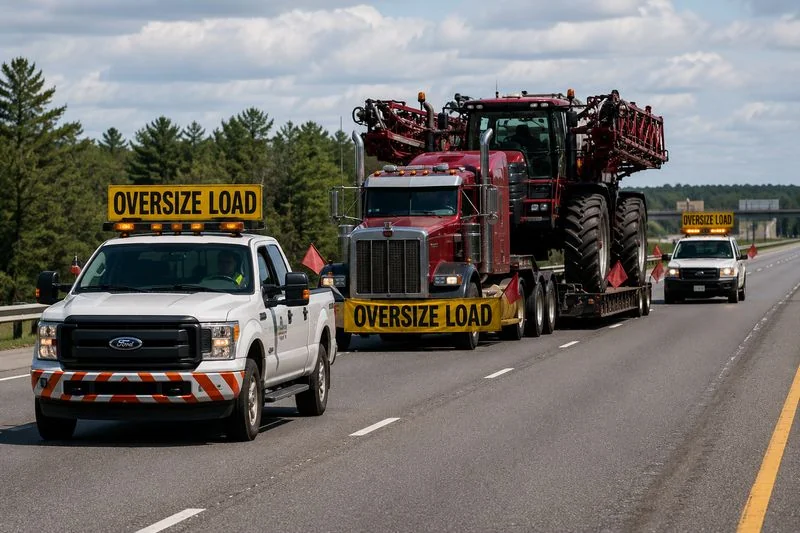
Pilot cars can help:
- Warn approaching traffic
- Monitor overhead obstacles
- Assist during lane changes
- Communicate with the truck driver
- Improve safety at intersections
Some routes may also require police escorts, especially in urban areas or when traffic control is necessary.
Because escort requirements differ between states, transportation providers must carefully review regulations before scheduling the shipment.
What Safety Equipment May Be Needed During Transport?
Oversized loads often require additional safety equipment to comply with transportation regulations and improve visibility for other drivers.
Common safety equipment includes:
- Oversize load banners
- Warning flags
- Amber flashing lights
- Reflective tape
- Height poles
- Safety chains
- Additional lighting
Oversize load signs are typically placed on both the front and rear of the transport vehicle. Bright-colored flags may be attached to the widest points of the cargo.
For taller shipments, escort vehicles may use height poles to detect low bridges, utility lines, or other overhead obstacles.
For example, a customer shipping a tall piece of industrial equipment through several states may require warning lights, flags, and a pilot vehicle equipped with a height pole.
Weather conditions can also affect safety requirements. Reduced visibility caused by rain, fog, or snow may delay transportation until conditions improve.
Companies such as YK Freight work closely with carriers to ensure that all necessary safety equipment is used and that oversized shipments meet state and federal requirements.
How Can You Reduce the Cost of Shipping Oversized Loads?
Oversized transportation can be expensive, but there are several ways to reduce shipping costs without sacrificing safety. Many equipment buyers purchase used machinery or vehicles specifically to save money, so keeping transportation expenses under control is just as important as finding a good purchase price.
A contractor who buys a discounted excavator or a farmer who purchases used equipment from another state often discovers that transportation costs can significantly affect the total investment. Careful planning and informed decisions can help lower those expenses.
Why Is Early Planning the Best Way to Save Money?
One of the easiest ways to reduce oversized shipping costs is to plan ahead. Last-minute shipments often require emergency permits, limited equipment availability, and rushed scheduling, all of which can increase prices.
When transportation companies have enough time to prepare, they can:
- Secure permits in advance
- Schedule drivers more efficiently
- Find available trailers
- Combine shipments when possible
- Avoid premium rates
For example, a customer who buys a used bulldozer at auction and needs immediate delivery may pay more because the carrier has little time to arrange permits and equipment. Another buyer who schedules transportation several weeks in advance often receives a lower rate.
Planning ahead also allows flexibility with pickup and delivery dates. Carriers can sometimes move equipment during periods of lower demand, which helps reduce costs.
Customers who are not working under tight deadlines usually have more opportunities to save money.
How Can Choosing the Right Trailer Lower Transportation Costs?
The type of trailer used for transportation has a major impact on shipping costs. Using a trailer that matches the cargo dimensions can help avoid unnecessary permits, escort vehicles, or additional equipment.
Common trailer options include:
- Flatbed trailers
- Step deck trailers
- Lowboy trailers
- Extendable trailers
A trailer that keeps the load lower to the ground may eliminate the need for height permits. In some cases, using a step deck instead of a flatbed can reduce overall height and avoid additional restrictions.
For example, a customer transporting a skid steer may only require a flatbed trailer, while a taller piece of equipment may fit better on a step deck. Choosing the proper trailer can lower permit costs and simplify the route.
Transportation companies evaluate the dimensions, weight, and destination before selecting the best equipment.
What Is the Difference Between Flatbed and Step Deck Trailers?
Flatbed and step deck trailers are two of the most commonly used options for oversized freight.
A flatbed trailer has a single-level deck that is typically:
- About 48 feet long
- Approximately 8 feet 6 inches wide
Flatbeds work well for equipment and cargo that does not exceed legal height limits.
A step deck trailer has two deck levels. The front section is higher, while the rear section sits closer to the ground. This lower deck provides additional vertical clearance.
Step deck trailers are often used for:
- Construction equipment
- Agricultural machinery
- Industrial equipment
- Tall vehicles
For example, a customer moving a used tractor may avoid height restrictions by using a step deck instead of a standard flatbed.
Selecting the proper trailer can sometimes eliminate the need for special permits or route changes, which directly reduces transportation expenses.
How Does Route Planning Affect Shipping Prices?
Route planning plays an important role in oversized transportation costs. The shortest route is not always the least expensive option.
Certain roads may have:
- Low bridges
- Weight restrictions
- Narrow lanes
- Construction zones
- Heavy traffic
- Limited access for oversized vehicles
A poorly planned route may require detours, additional permits, or escort vehicles.
For example, transporting a large machine through a major city during rush hour may increase costs because of travel restrictions and delays. A slightly longer route that avoids urban areas may reduce expenses and improve delivery times.
Route planning also affects fuel costs, driver hours, and permit requirements. Transportation companies analyze these factors before choosing the best path.
Experienced logistics providers often save customers money by selecting routes that minimize restrictions and avoid unnecessary complications.
What Mistakes Often Increase Oversized Shipping Costs?
Many customers unknowingly increase their transportation expenses by making avoidable mistakes.
Some of the most common mistakes include:
- Waiting until the last minute
- Providing incorrect dimensions
- Choosing the wrong trailer
- Ignoring permit requirements
- Failing to remove attachments
- Not preparing documents in advance
- Changing delivery dates during transit
For example, a buyer may forget to remove a bucket attachment from an excavator. The additional width may require a larger permit or escort vehicle, increasing the total cost.
Another common mistake is requesting transportation immediately after purchasing equipment. Limited carrier availability often results in higher prices.
Customers who take time to prepare their equipment, gather accurate information, and coordinate transportation early usually avoid many of these expenses.
How Can Shipment Tracking Improve Delivery Efficiency?
Shipment tracking has become an important part of oversized transportation. Knowing where the equipment is during transit helps customers plan deliveries, coordinate unloading, and avoid unnecessary downtime.
Tracking systems provide information such as:
- Shipment location
- Estimated arrival times
- Route progress
- Delivery updates
- Delay notifications
For example, a contractor waiting for a machine at a job site can schedule workers and unloading equipment based on the estimated arrival time. This prevents crews from waiting for several hours and reduces project delays.
Tracking also improves communication between the customer, driver, and transportation company. If weather conditions, traffic, or permit issues affect the shipment, everyone receives updates quickly.
Companies such as YK Freight use modern tracking and communication tools to provide better visibility throughout the transportation process.
How Can YK Freight Help You Ship Oversized Loads Safely?
Oversized transportation involves much more than simply moving equipment from one location to another. Permits, regulations, route planning, trailer selection, and safety requirements can quickly become overwhelming, especially for customers shipping large equipment for the first time.
Many businesses purchase used machinery or heavy equipment to save money, but transportation mistakes can reduce those savings. Working with an experienced transportation partner helps avoid delays, unexpected fees, and costly errors.
YK Freight helps customers coordinate oversized shipments by providing transportation expertise, route planning assistance, shipment visibility, and professional freight management.
Why Is Choosing an Experienced Transportation Partner Important?
Oversized shipping requires knowledge that goes far beyond standard freight transportation. Every shipment presents different challenges depending on its dimensions, weight, destination, and route.
An experienced transportation partner can help with:
- Equipment selection
- Permit coordination
- Route planning
- Carrier selection
- Shipment monitoring
- Regulatory compliance
For example, a customer who purchases a used excavator from another state may only focus on the purchase price. However, transportation may involve multiple permits, escort vehicles, and state regulations that are unfamiliar to the buyer.
Without proper planning, mistakes can result in:
- Delivery delays
- Additional permit fees
- Route changes
- Increased transportation costs
- Safety concerns
Experienced transportation companies understand these requirements and help customers avoid problems before the shipment begins.
Instead of spending days researching regulations and contacting multiple carriers, customers can work with one transportation partner that coordinates the entire process.
How Does YK Freight Help With Permits and Route Planning?
Permit requirements are one of the most complicated parts of oversized transportation. Every state may have different regulations regarding load dimensions, travel times, escort vehicles, and approved routes.
YK Freight helps simplify this process by assisting with:
- Shipment evaluation
- Route analysis
- Permit coordination
- Regulatory compliance
- Carrier communication
For example, a large piece of construction equipment traveling through several states may require multiple permits. Each state may have different rules regarding travel hours, safety equipment, or escort vehicles.
Route planning is equally important. The shortest route may not always be the safest or most affordable option. Low bridges, weight restrictions, construction zones, and traffic congestion can affect transportation costs and delivery times.
Proper planning helps prevent delays and allows oversized shipments to move safely and efficiently.
By coordinating these details before transportation begins, YK Freight helps customers avoid unnecessary expenses and scheduling problems.
What Types of Oversized Loads Can YK Freight Transport?
Oversized transportation covers many different types of equipment and machinery. Every shipment has unique requirements based on size, weight, and destination.
YK Freight can assist with transporting various oversized loads, including:
- Construction equipment
- Excavators and bulldozers
- Agricultural machinery
- Tractors and combines
- Industrial equipment
- Generators and tanks
- Large vehicles
- Heavy machinery
- Manufacturing equipment
- Oversized commercial equipment
For example, a contractor purchasing a used excavator to reduce equipment costs may need transportation from an auction yard to a job site. A farmer may buy a used tractor several states away to save money compared to local prices.
In both situations, proper trailer selection, securement methods, and transportation planning help protect the investment and reduce shipping risks.
Each shipment is evaluated individually to determine the appropriate equipment and transportation strategy.
How Can Professional Freight Management Save Time and Money?
Managing an oversized shipment independently can require a significant amount of time. Customers may need to contact carriers, compare prices, obtain permits, monitor delivery schedules, and coordinate pickup and unloading.
Professional freight management helps simplify these tasks.
Freight management services may include:
- Carrier coordination
- Shipment scheduling
- Rate negotiation
- Permit assistance
- Shipment tracking
- Delivery updates
- Problem resolution
For example, a small business owner who purchases used equipment may not have the time to coordinate every part of the transportation process. Delays, paperwork issues, or scheduling conflicts can affect both the shipment and daily business operations.
Professional freight management helps reduce these challenges while allowing customers to focus on their own projects.
In many cases, proper coordination can also lower transportation costs by improving scheduling efficiency and reducing unnecessary delays.
What Should You Do Before Requesting an Oversized Shipping Quote?
Preparing accurate information before requesting a quote helps transportation companies provide realistic pricing and avoid unexpected charges.
Customers should gather:
- Exact dimensions
- Total weight
- Pickup location
- Delivery location
- Equipment photographs
- Loading requirements
- Delivery restrictions
Providing detailed information allows carriers to determine:
- The proper trailer
- Permit requirements
- Escort vehicle needs
- Route options
- Estimated transportation costs
For example, a buyer who provides accurate measurements and several photos of a machine often receives a more precise quote than someone who only provides the equipment model number.
Customers should also consider their schedule. Flexible pickup and delivery dates may help reduce costs because carriers have more opportunities to optimize equipment and routing.
Oversized transportation can seem complicated, but proper preparation and experienced support make the process much easier. By helping customers with planning, permits, route coordination, and shipment management, YK Freight works to ensure that oversized equipment is delivered safely, efficiently, and at a competitive cost.
Further Reading
What Is Breakbulk Shipping? A Simple Guide for Moving Oversized Cargo
What Is Project Cargo Logistics? A Simple Guide for Shipping Vehicles & Cargo
What Types of Freight Carriers Are in Logistics? A Simple Guide for Shippers
What Are Hazardous Materials and How to Ship Them Safel


ASK YOUR QUESTIONS