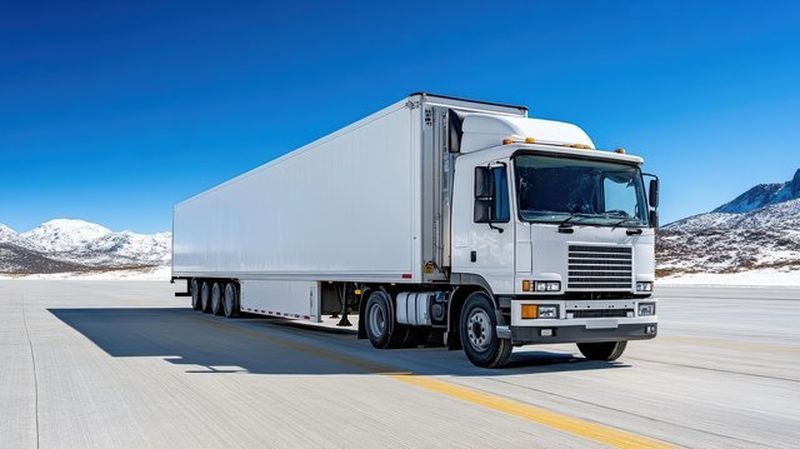
Dry van trailers are the most widely used freight equipment in the U.S., but are they the right choice for your shipment? This quick guide explains how dry van shipping works, what freight it can carry, and the eight key facts every shipper should know. You'll also learn practical ways to reduce shipping costs and choose the most cost-effective transportation option for your cargo.
Table of Content:
- What Is a Dry Van Trailer and Why Is It So Popular?
- When Is a Dry Van the Right Choice for Your Shipment?
- What Are the 8 Most Important Facts About Dry Van Trailers?
- How Can You Reduce Shipping Costs with Dry Van Transportation?
- How Can YK Freight Help with Dry Van Shipping?
What Is a Dry Van Trailer and Why Is It So Popular?
Whether you're shipping auto parts, household goods, or retail products, choosing the right trailer can make a big difference in both cost and cargo protection. Among all freight equipment used across the United States, the dry van trailer remains the most common option. It offers a practical balance between affordability, security, and flexibility, making it the preferred choice for millions of shipments every year.
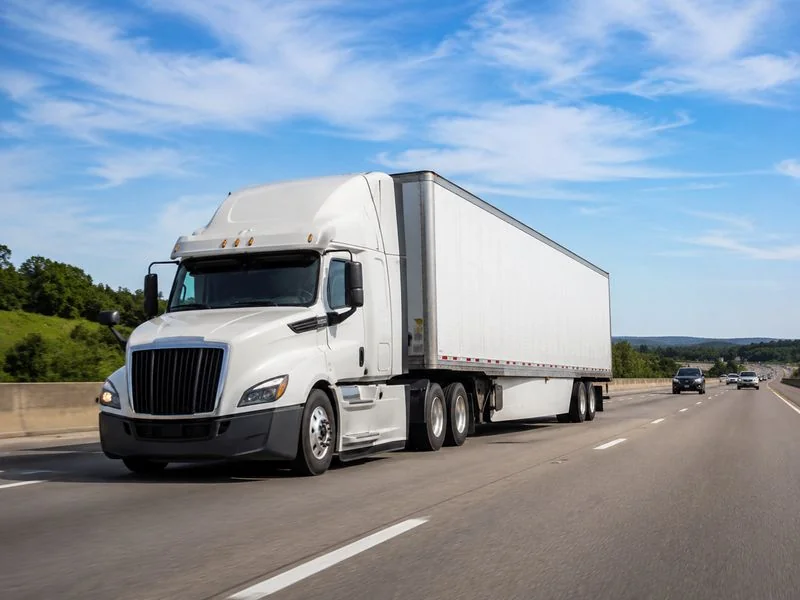
For businesses and individuals looking to keep transportation costs under control, dry van shipping often provides the best value. Because these trailers are widely available, finding capacity is usually easier than booking specialized equipment, which can help reduce shipping rates. This is one of the reasons why many customers choose dry van transportation when working with carriers like YK Freight.
What Is a Dry Van Trailer?
A dry van trailer is a fully enclosed freight trailer designed to transport cargo that does not require temperature control. Unlike flatbed trailers, where freight is exposed to the elements, a dry van completely surrounds the shipment with solid walls, a roof, and lockable rear doors. This enclosed design protects cargo from rain, snow, dust, road debris, and unauthorized access throughout transit.
Most dry van trailers measure 53 feet in length, although smaller versions such as 28-foot and 48-foot trailers are also commonly used. Depending on the trailer specification, a standard 53-foot dry van can carry up to approximately 45,000 pounds of freight or around 26 standard pallets.
The trailer itself is typically built from aluminum or steel with a durable hardwood floor that can support heavy palletized loads. Because of its simple yet reliable design, the dry van has become the backbone of domestic freight transportation.
What Types of Freight Can a Dry Van Carry?
Dry van trailers are designed for non-perishable freight that needs protection but not refrigeration. Their versatility allows them to transport a wide variety of products across local, regional, and long-distance routes.
Common cargo includes:
- Auto parts and aftermarket components
- Tires and wheels
- Packaged consumer goods
- Electronics and appliances
- Furniture and home improvement products
- Clothing and textiles
- Paper products
- Plastic materials
- Building supplies
- Packaged food and beverages that do not require refrigeration
For example, imagine an independent auto repair shop ordering engines, transmissions, and body panels from several suppliers. Since these parts must stay dry and secure but don't need temperature control, shipping them in a dry van provides reliable protection without paying the higher cost of refrigerated transportation.
However, dry vans are not suitable for every shipment. Oversized equipment, heavy machinery, construction vehicles, or freight requiring side or top loading generally needs a flatbed trailer. Likewise, frozen foods, pharmaceuticals, and other temperature-sensitive products require refrigerated (reefer) trailers instead.
Why Is Dry Van Shipping the Most Common Freight Option in the U.S.?
Several factors have made dry van transportation the dominant freight solution in North America.
First, its versatility allows one trailer type to serve thousands of industries. Manufacturers, distributors, retailers, automotive businesses, and e-commerce companies all rely on dry vans to move everyday products efficiently.
Second, enclosed trailers provide excellent cargo protection. Freight stays shielded from weather conditions, road debris, dirt, and UV exposure. Lockable rear doors also reduce the risk of cargo theft compared to open trailer types.
Another major advantage is availability. Because dry vans represent the largest share of the trucking market, carriers can often provide equipment more quickly than specialized trailer types. Greater availability also helps create competitive pricing, especially for standard freight lanes.
Cost efficiency is another reason for their popularity. Businesses that don't require refrigeration or oversized transport avoid paying for equipment they don't need. Even small companies can reduce transportation expenses by shipping Less-Than-Truckload (LTL), where multiple shipments share trailer space instead of paying for an entire truck.
For instance, a small online seller shipping several pallets of aftermarket car accessories from Georgia to Illinois may only need part of a trailer. By using LTL dry van shipping instead of booking a full truckload, the company pays only for the space it uses while still receiving the same level of cargo protection.
When Is a Dry Van the Right Choice for Your Shipment?
Choosing the right trailer is one of the most important decisions when planning a shipment. The wrong equipment can lead to unnecessary expenses, delivery delays, or even cargo damage. Fortunately, most everyday freight doesn't require specialized transportation, making dry van trailers the ideal solution for a wide range of shipments.
If your cargo is palletized, boxed, or packaged and simply needs to stay clean, dry, and secure, a dry van will usually provide the most practical and cost-effective option. Understanding when to choose a dry van—and when another trailer type makes more sense—can help you avoid paying for services you don't actually need.
Which Shipments Should Be Transported in a Dry Van?
Dry van trailers are best suited for freight that requires protection from weather but does not need temperature control or oversized handling. Because the trailer is completely enclosed, cargo stays protected throughout the journey, whether the shipment travels a few hundred miles or across several states.
Typical dry van freight includes:
- Automotive parts and accessories
- Packaged consumer products
- Furniture and home décor
- Electronics and appliances
- Clothing and textiles
- Paper products
- Plastic materials
- Hardware and tools
- Building materials that are not oversized
- Non-perishable food and beverages
This trailer type is especially popular among manufacturers, distributors, retailers, and e-commerce businesses that regularly move palletized freight.
For example, suppose a small automotive parts distributor needs to ship brake rotors, filters, and suspension components from Georgia to Tennessee. Since the products are packaged on pallets and don't require refrigeration, a dry van provides excellent protection at a lower cost than specialized equipment.
Likewise, if you're relocating inventory between warehouses or delivering retail products to stores, a dry van is often the simplest and most economical transportation solution.
When Should You Choose a Reefer or Flatbed Instead?
Although dry vans are highly versatile, they are not suitable for every type of cargo. Some shipments require specialized trailers to ensure safe transportation.
A refrigerated trailer, commonly called a reefer, should be used whenever cargo must remain within a specific temperature range. This includes products such as:
- Fresh produce
- Frozen foods
- Dairy products
- Pharmaceuticals
- Medical supplies
- Certain chemicals
Paying for refrigerated transportation when your freight doesn't require it usually means paying significantly higher shipping costs without receiving any additional benefit.
Flatbed trailers, on the other hand, are designed for freight that cannot fit inside an enclosed trailer or requires loading from the side or top.
Typical flatbed cargo includes:
- Heavy construction equipment
- Steel beams
- Lumber
- Large machinery
- Industrial equipment
- Oversized building materials
For example, transporting an excavator or long steel pipes inside a dry van would be impossible because of the trailer's enclosed dimensions. In these situations, a flatbed allows easier loading while accommodating oversized freight.
The simplest rule is this: if your cargo fits inside a standard enclosed trailer and doesn't require refrigeration, a dry van is usually the most efficient choice.
Can Dry Vans Handle Both FTL and LTL Freight?
One of the biggest advantages of dry van transportation is its flexibility. These trailers support both Full Truckload (FTL) and Less-Than-Truckload (LTL) shipping, allowing businesses to choose the option that best fits their shipment size and budget.
With FTL shipping, a single customer uses the entire trailer. This option is ideal when:
- You have enough freight to fill most or all of the trailer.
- Your shipment requires faster delivery.
- You want fewer handling points during transit.
- Your cargo is high-value or fragile.
Because the truck travels directly from pickup to delivery with minimal stops, FTL often provides shorter transit times and reduces the chance of freight being moved multiple times.
LTL shipping works differently. Multiple customers share the same trailer, with each paying only for the space their shipment occupies. This makes dry vans an excellent choice for smaller shipments that don't justify the cost of an entire truck.
Both transportation methods use the same secure enclosed trailer—the main difference lies in how the available trailer space is allocated.
How Can LTL Shipping Help You Save Money?
For companies shipping smaller loads, LTL transportation can significantly reduce freight costs. Instead of paying for unused trailer space, shippers share transportation expenses with several other customers moving freight along similar routes.
Imagine you own a small online business selling aftermarket car accessories. You need to send four pallets to a customer in another state. Booking an entire truck would leave most of the trailer empty while forcing you to pay the full transportation cost.
With LTL shipping, those four pallets travel alongside shipments from other businesses. Since each customer pays only for the portion of the trailer they use, transportation becomes much more affordable.
LTL shipping can also help reduce:
- Transportation costs
- Fuel expenses
- Empty trailer space
- Overall logistics spending for small businesses
The trade-off is that LTL shipments usually involve multiple pickup and delivery stops, which may increase transit time compared to dedicated truckload service.
What Are the 8 Most Important Facts About Dry Van Trailers?
Dry van trailers may look simple from the outside, but they play a major role in keeping supply chains moving across the United States. Their popularity isn't based on just one feature—it's the combination of versatility, protection, availability, and affordability that makes them the preferred choice for many shippers.
If you're considering dry van transportation for the first time, the following eight facts will help you understand why this trailer type continues to dominate the freight industry.
Why Are Dry Van Trailers the Most Widely Used in Freight Transportation?
Dry vans account for the largest share of over-the-road freight because they can transport an enormous variety of products without requiring specialized equipment. From manufacturers and wholesalers to retailers and automotive suppliers, businesses across nearly every industry rely on enclosed trailers for daily shipments.
Unlike refrigerated trailers or flatbeds, dry vans don't require expensive cooling systems or special loading procedures. This makes them easier to schedule and more economical to operate.
Their widespread use also benefits customers. Since thousands of dry vans travel across the country every day, carriers can often find available equipment faster, helping reduce wait times and keep freight moving efficiently.
How Do Dry Vans Protect Cargo from Weather and Theft?
One of the biggest advantages of a dry van is the level of protection it provides throughout transportation.
Because the trailer is fully enclosed, cargo stays shielded from:
- Rain
- Snow
- Wind
- Dust
- Road debris
- Direct sunlight
This protection helps reduce the risk of damaged packaging, wet products, or contamination during transit.
Security is another major benefit. Unlike open trailers, dry vans feature solid walls and lockable rear doors that make unauthorized access much more difficult. While no shipping method can completely eliminate theft risks, enclosed trailers provide a higher level of cargo security than flatbeds or other open equipment.
For example, if you're transporting expensive automotive electronics or replacement parts, keeping them inside a locked trailer offers much greater peace of mind than exposing them on an open trailer.
What Are the Standard Dry Van Trailer Dimensions and Weight Limits?
Although dry van trailers come in several sizes, the standard 53-foot trailer is by far the most common throughout North America.
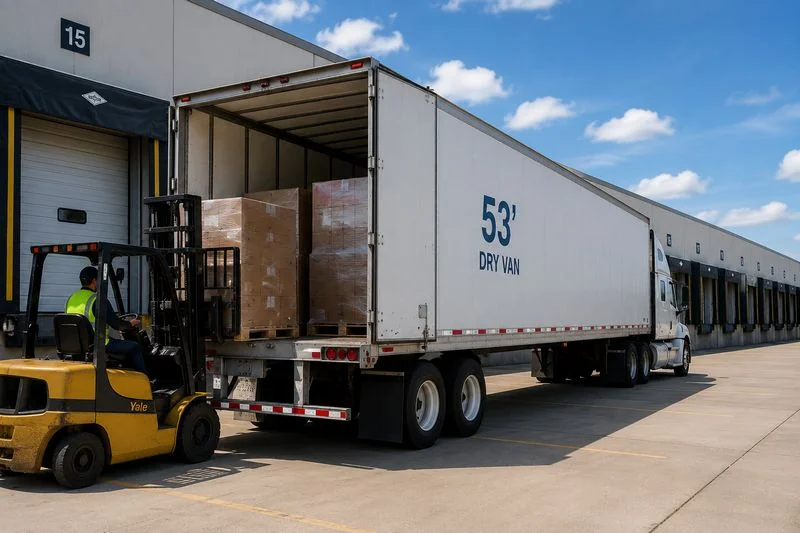
Typical dimensions include:
|
Specification |
Standard Size |
|
Trailer Length |
53 feet |
|
Exterior Width |
8 feet 6 inches |
|
Exterior Height |
13 feet 6 inches |
|
Interior Width |
Approximately 8 feet |
|
Interior Height |
Approximately 8 feet 6 inches |
|
Maximum Payload |
Up to 45,000 pounds |
|
Standard Pallet Capacity |
Around 26 pallets |
Smaller 48-foot and 28-foot trailers are also used for regional deliveries and specific freight requirements.
Keep in mind that actual payload capacity depends on the trailer's weight, freight distribution, and state weight regulations. Proper loading is important not only for legal compliance but also for vehicle stability and cargo safety.
What Materials Are Dry Van Trailers Made From?
Modern dry van trailers are designed to withstand years of heavy commercial use while remaining as lightweight as possible.
Most trailers combine several durable materials, including:
- Aluminum side panels
- Galvanized steel structural components
- Steel roof supports
- Hardwood flooring
- Composite interior wall panels
Aluminum helps reduce trailer weight, allowing carriers to haul heavier payloads while improving fuel efficiency. Steel provides structural strength and durability, especially around the trailer frame and suspension.
Inside the trailer, hardwood flooring remains the industry standard because it can support heavy forklifts and concentrated pallet loads without excessive wear.
Manufacturers carefully balance strength and weight to maximize cargo capacity while maintaining long-term reliability.
Why Is Dry Van Capacity Often in High Demand?
Because dry vans are suitable for so many types of freight, demand remains consistently high throughout the year.
Several factors contribute to this demand:
- Growth in e-commerce
- Retail inventory replenishment
- Manufacturing production
- Seasonal shopping periods
- Construction activity
- Automotive supply chains
During peak shipping seasons, such as before major holidays or large retail promotions, available trailer capacity can tighten quickly. Higher demand often leads to increased freight rates and fewer available trucks.
Businesses that wait until the last minute to arrange transportation may end up paying more simply because equipment becomes harder to secure.
Planning shipments in advance and remaining flexible with pickup dates can often help lower transportation costs during busy periods.
Why Do Most Dry Van Trailers Have Hardwood Floors?
Many people are surprised to learn that most dry van trailers still use hardwood flooring rather than steel or aluminum.
There are several practical reasons for this.
Hardwood provides excellent strength while absorbing the weight of forklifts and heavy pallets more effectively than many alternative materials. It also offers better traction during loading and unloading, reducing the risk of equipment slipping inside the trailer.
In addition, hardwood floors are relatively easy to repair if individual boards become damaged.
However, wood requires proper maintenance because moisture can weaken flooring over time. Responsible carriers regularly inspect trailer floors to ensure they remain safe for heavy cargo and loading equipment.
Proper trailer maintenance helps protect both the freight and everyone involved in the loading process.
What Safety Facts Should Shippers Know About Dry Van Transportation?
Dry van shipping is considered one of the safest methods of transporting general freight, but safe transportation depends on more than simply choosing the right trailer.
Several factors influence shipment safety:
- Proper cargo securement
- Even weight distribution
- Routine trailer inspections
- Qualified commercial drivers
- Compliance with federal transportation regulations
Cargo that shifts during transit can affect vehicle handling and increase the risk of accidents or damaged freight. That's why professional carriers use straps, load bars, airbags, and other securement equipment whenever necessary.
Shippers also play an important role by packaging freight correctly and accurately reporting shipment weight.
Working with an experienced carrier helps ensure these safety standards are followed from pickup through final delivery.
Why Are Dry Vans One of the Most Cost-Effective Shipping Options?
For many businesses, controlling transportation expenses is just as important as delivering freight safely. Dry vans remain one of the most economical shipping solutions because they combine high availability with relatively low operating costs.
Unlike refrigerated trailers, dry vans do not require cooling systems that consume additional fuel or increase maintenance expenses. They also avoid the specialized permits and equipment often associated with oversized freight.
Several factors contribute to their affordability:
- Large nationwide availability
- Competitive freight rates
- Lower operating costs
- Support for both FTL and LTL shipping
- Efficient loading and unloading
- Compatibility with standard warehouse docks
For example, a growing online retailer shipping ten pallets each week can keep logistics costs under control by using dry van transportation instead of paying premium rates for specialized trailers. Likewise, a small automotive parts supplier can reduce expenses even further by consolidating smaller shipments through LTL service.
How Can You Reduce Shipping Costs with Dry Van Transportation?
Keeping freight costs under control isn't just about finding the lowest shipping quote. Small decisions made before your shipment leaves the warehouse can have a significant impact on the final transportation bill. Choosing the right trailer, preparing freight correctly, and planning ahead are often more effective ways to save money than simply looking for the cheapest carrier.
Because dry van trailers are widely available and suitable for most general freight, they already offer one of the most economical transportation options. However, there are several additional strategies that can help lower costs even further.
How Can Proper Packaging Lower Transportation Costs?
Packaging plays a much bigger role in shipping costs than many people realize. Well-prepared freight is easier to load, takes up less trailer space, and is less likely to be damaged during transit.
Poor packaging, on the other hand, can lead to damaged products, rejected shipments, additional handling charges, or insurance claims.
To improve shipping efficiency:
- Use pallets that match the size of your freight.
- Stack products evenly to maximize vertical space.
- Secure cargo with stretch wrap and straps.
- Protect fragile items with appropriate cushioning.
- Clearly label each pallet or package.
- Avoid oversized packaging that wastes trailer space.
For example, imagine two companies shipping the same quantity of automotive filters. One company packs the products neatly onto standard pallets, while the other uses oversized boxes with large empty spaces. The first shipment fits into less trailer space, making it more efficient to transport and potentially reducing shipping costs.
Efficient packaging also speeds up loading and unloading, helping carriers stay on schedule and reducing the risk of additional labor charges.
How Can Flexible Pickup Dates Help You Get Better Rates?
Many shippers focus only on the delivery date, but pickup flexibility can also influence freight pricing.
Carriers constantly adjust routes based on available equipment and freight demand. If your shipment can be picked up within a broader time window instead of requiring an exact date or time, carriers often have more opportunities to combine loads efficiently.
This flexibility may result in:
- Lower transportation rates
- Better trailer availability
- Faster carrier matching
- Reduced likelihood of peak-demand pricing
For example, suppose your shipment is ready on Monday but doesn't absolutely need to leave until Wednesday. Giving the carrier a two-day pickup window may allow them to assign your freight to an existing route rather than dispatching a truck specifically for your shipment.
This simple adjustment can lower costs without affecting the final delivery schedule.
Planning shipments several days in advance can provide similar savings, especially during busy shipping seasons when trailer capacity becomes limited.
What Mistakes Make Dry Van Shipping More Expensive?
Many shipping costs are avoidable. Unfortunately, small planning mistakes often lead to unnecessary fees that increase the overall transportation budget.
Some of the most common cost-increasing mistakes include:
- Booking transportation at the last minute.
- Providing incorrect shipment dimensions or weight.
- Using larger trailers than necessary.
- Poor freight packaging that requires reloading.
- Missing pickup appointments.
- Failing to secure cargo properly.
- Choosing FTL when LTL would be sufficient.
- Delaying paperwork or shipping instructions.
For instance, if a shipment is listed as weighing 18,000 pounds but actually weighs 23,000 pounds, the carrier may need to adjust equipment, modify routing, or apply additional charges. Likewise, inaccurate dimensions can create loading problems that delay the shipment and increase transportation costs.
Taking a few extra minutes to verify shipment details before booking can help avoid expensive corrections later.
How Can Working with an Experienced Carrier Save You Money?
Choosing the right transportation partner often has a greater impact on your shipping budget than choosing the lowest advertised rate.
Experienced carriers understand how to optimize routes, match the right equipment to each shipment, and identify opportunities to reduce unnecessary costs. They can also help prevent expensive mistakes before they happen.
A knowledgeable carrier may assist with:
- Selecting between FTL and LTL service.
- Optimizing trailer utilization.
- Scheduling efficient pickup windows.
- Identifying the most cost-effective routes.
- Avoiding unnecessary accessorial charges.
- Providing accurate shipping documentation.
- Reducing the risk of freight damage through proper handling.
For example, a business shipping six pallets every week might automatically request a full truckload because that's what they've always done. An experienced logistics team may recognize that those shipments could be consolidated into LTL service, resulting in substantial long-term savings without affecting delivery reliability.
Working with a trusted carrier also reduces the chances of communication issues, unexpected delays, or hidden costs that can arise when shipments are handled by inexperienced providers.
How Can YK Freight Help with Dry Van Shipping?
Finding the right transportation partner is just as important as choosing the right trailer. Even the most cost-effective shipping option can become expensive if freight is delayed, handled improperly, or booked with the wrong equipment.
At YK Freight, the goal is to make dry van shipping simple, reliable, and affordable. Whether you're moving a single shipment or managing regular freight deliveries, the team works to match your cargo with the right transportation solution while helping you control shipping costs.
Instead of offering a one-size-fits-all approach, YK Freight helps customers choose the service that best fits their shipment size, delivery schedule, and budget.
What Dry Van Shipping Services Does YK Freight Provide?
YK Freight provides dependable dry van transportation for a wide range of industries and shipment types. Because dry vans are the most versatile trailers on the road, they are suitable for everything from retail inventory to automotive components and industrial products.
Dry van shipping services include:
- Full Truckload (FTL) transportation
- Less-Than-Truckload (LTL) shipping
- Regional and long-distance freight
- Scheduled business deliveries
- Distribution center and warehouse transportation
- Commercial freight for manufacturers and distributors
- Automotive parts transportation
- Retail and e-commerce freight
Each shipment is planned according to the customer's specific requirements. If your freight fills an entire trailer, a dedicated FTL shipment may provide the fastest and most direct delivery. If you're shipping only a few pallets, LTL service can help reduce transportation costs by allowing multiple customers to share trailer space.
For example, an automotive supplier shipping several pallets of replacement parts every week doesn't necessarily need to book an entire truck. YK Freight can help determine whether LTL service provides a more economical solution while still meeting delivery deadlines.
The company also focuses on efficient route planning and dependable communication throughout the shipping process. Customers receive support in selecting the right trailer, scheduling pickups, and coordinating deliveries to help keep freight moving smoothly.
How Can You Get a Fast and Accurate Shipping Quote?
Accurate freight pricing starts with accurate shipment information. Providing complete details allows the logistics team to recommend the most efficient transportation option and avoid unexpected charges later.
When requesting a dry van shipping quote, it's helpful to have the following information ready:
- Pickup location
- Delivery destination
- Shipment weight
- Freight dimensions
- Number of pallets or packages
- Type of cargo
- Preferred pickup and delivery dates
- Whether you need FTL or LTL service (if known)
Don't worry if you're unsure which shipping method is right for your freight. The YK Freight team can review your shipment details and recommend the most practical and cost-effective option based on your cargo and timeline.
Providing accurate shipment information also helps eliminate surprises such as equipment changes, reclassification fees, or delivery delays caused by incorrect dimensions or weight.
For example, a business shipping automotive accessories from Atlanta to a distribution center in another state may initially assume it needs a dedicated truck. After reviewing the shipment size and schedule, the logistics team may determine that LTL service offers the same reliable delivery while significantly reducing transportation costs.
Further Reading
What Is a Dry Van? The Ultimate Guide to Freight Transportation
Dry Van vs. Other Trucking Options: Which One Is Best for Your Freight?
Dry Van Dimensions and Capacity
How Much Does a Dry Van Weigh and Cost?


ASK YOUR QUESTIONS