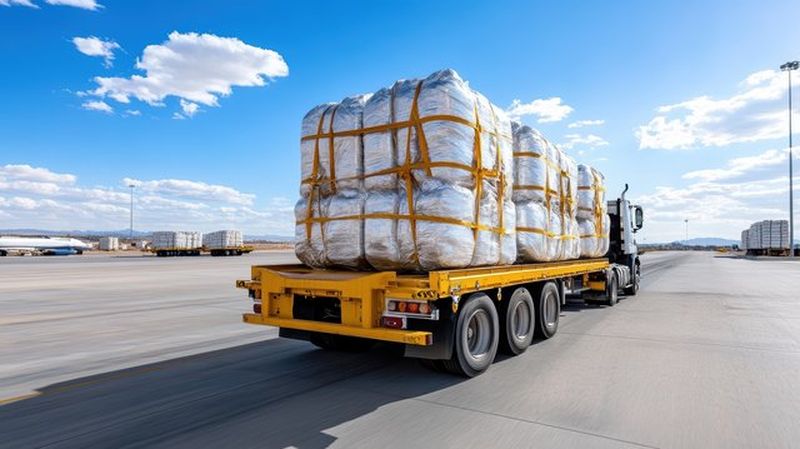
Flatbed shipping is a practical solution for transporting damaged, non-running, and oversized vehicles, but is it worth the extra cost? This guide covers six essential facts about flatbed transportation, including trailer types, safety requirements, weather risks, and pricing. Learn when flatbed shipping is necessary, how it compares to standard car transport, and how to avoid unnecessary expenses.
Table of Content:
- What Is Flatbed Shipping and How Does It Work?
- What Are 6 Important Facts About Flatbed Shipping?
- How Much Does Flatbed Shipping Cost?
- When Should You Choose Flatbed Shipping for a Vehicle?
- How Can YK Freight Help You Arrange Flatbed Shipping?
What Is Flatbed Shipping and How Does It Work?
Flatbed shipping is a transportation method that uses trucks with open trailers instead of enclosed cargo spaces. It is commonly used for oversized equipment, heavy machinery, and vehicles that require special loading.
Unlike standard car carriers, flatbed trucks offer flexible loading options and can accommodate cargo with unusual dimensions. However, their open design leaves shipments exposed to rain, snow, and road debris. Understanding how flatbed shipping works helps customers avoid unnecessary transportation expenses.
What Is a Flatbed Truck and What Is It Used For?
A flatbed truck has an open cargo platform without permanent walls or a roof. This design allows freight to be loaded from the sides, rear, or above using suitable equipment.
Flatbeds are often used when cargo is too large, heavy, or difficult to load onto conventional trailers.
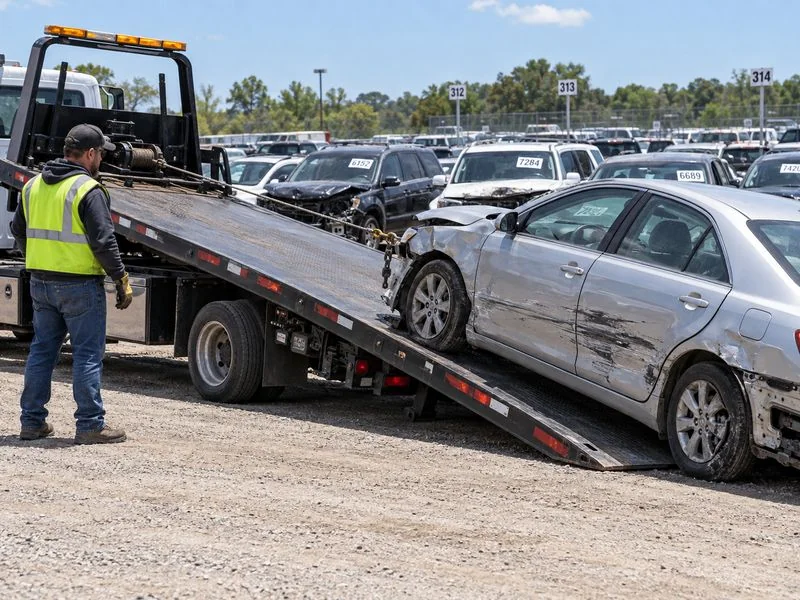
For vehicle transportation, flatbed tow trucks are particularly useful for moving damaged, non-running, or low-clearance cars. Some have hydraulic tilting beds and winches that simplify loading.
What Types of Vehicles and Cargo Can Be Transported on a Flatbed?
Flatbed trucks can transport many types of cargo, provided the load meets the trailer's weight and dimension limits.
Common examples include:
- Damaged vehicles: Cars purchased at salvage auctions that cannot be driven.
- Non-running cars: Vehicles with mechanical problems or missing components.
- Low-clearance vehicles: Sports cars that require careful loading.
- Heavy equipment: Tractors, construction machinery, and generators.
- Oversized freight: Industrial materials and equipment that cannot fit inside enclosed trailers.
For example, if you purchase a damaged SUV at an auction, a flatbed tow truck may be needed to collect it safely.
How Does Flatbed Shipping Work from Pickup to Delivery?
Flatbed transportation usually follows a straightforward process:
- Request a quote: Provide the pickup location, destination, vehicle condition, and dimensions.
- Select equipment: The carrier chooses a suitable flatbed truck and loading method.
- Load the vehicle: The car is driven, winched, or lifted onto the platform.
- Secure the cargo: Straps, chains, or other approved equipment prevent movement during transportation.
- Transport and unload: The carrier delivers the shipment and unloads it using appropriate equipment.
Before booking, compare flatbed rates with standard car transportation. If your vehicle runs and can be safely loaded onto a regular car carrier, that option may cost less.
What Are 6 Important Facts About Flatbed Shipping?
Flatbed shipping is flexible but requires careful planning. Weather, trailer type, cargo weight, and safety rules can affect costs and delivery times. Here are six facts to consider before booking.
Fact 1 — Weather Conditions
Flatbed trailers have no roof or walls, leaving cargo exposed to rain, snow, and road debris. Severe weather can also delay deliveries. Protective tarps may help, but they cannot prevent every risk. Check the forecast before transporting valuable vehicles or equipment.
Fact 2 — Trailer Types
The three common types are standard flatbeds, step decks, and double drop decks. Standard flatbeds carry general freight, while step decks and double drop decks accommodate taller loads. Smaller flatbed tow trucks are often used for damaged or non-running cars.
Fact 3 — Cargo Securement
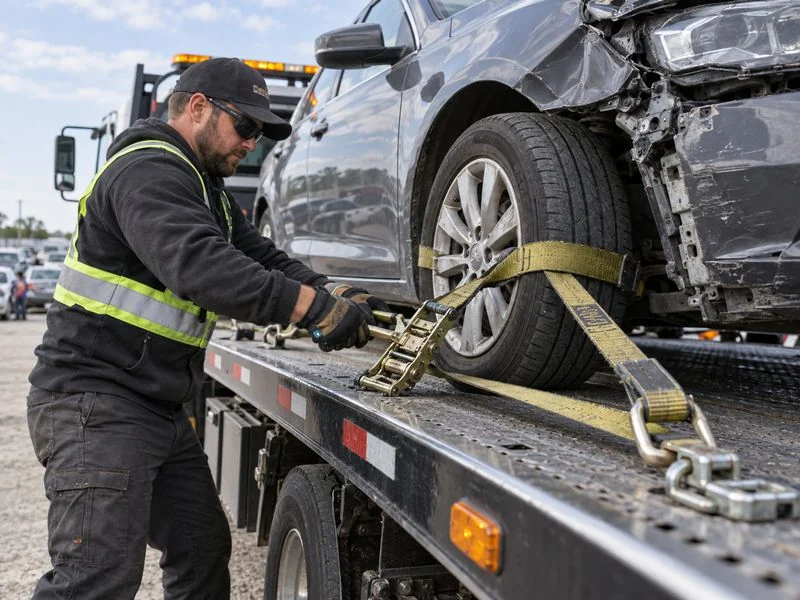
Cargo must be secured with suitable straps, chains, and tie-down equipment. Poor securement can damage vehicles or cause accidents. For example, a damaged auction car needs properly positioned wheel straps or other approved restraints to prevent movement during transportation.
Fact 4 — Transportation Safety
Drivers must follow applicable cargo securement, weight, and vehicle safety regulations. They must inspect the load and check securement during transportation as required. Proper loading and weight distribution help prevent accidents and costly damage.
Fact 5 — Oversized and Heavy Cargo
Open platforms allow carriers to transport machinery, oversized vehicles, and equipment that cannot fit inside standard trailers. Some shipments require special permits, escort vehicles, or route planning. These requirements can increase transportation costs.
Fact 6 — Professional Logistics Support
A freight forwarder can help arrange suitable equipment, coordinate pickup, and compare transportation rates. For example, YK Freight can help customers evaluate shipping options for damaged auction vehicles. Choosing the right carrier and equipment can prevent unnecessary charges while keeping transportation safe and efficient.
How Much Does Flatbed Shipping Cost?
Flatbed shipping costs depend on the distance, vehicle condition, cargo size, and equipment required. Transporting a damaged car on a flatbed may cost more than using a standard multi-car carrier because fewer vehicles can be moved per trip.
For budget-conscious buyers, comparing transportation options is essential. The cheapest quote is not always the best deal if it excludes loading, unloading, or additional services.
What Factors Affect Flatbed Shipping Rates?
Several factors influence the final transportation price:
- Distance: Longer routes usually cost more overall, although the price per mile may decrease.
- Vehicle condition: Non-running cars may require winches or special loading equipment.
- Size and weight: Large SUVs, pickup trucks, and heavy machinery may increase transportation costs.
- Pickup location: Remote auction yards or locations with limited truck access can result in additional charges.
- Delivery urgency: Expedited shipping generally costs more than flexible scheduling.
- Special requirements: Oversized loads may require permits, escorts, or specialized trailers.
For example, transporting a damaged sedan from an auction yard 100 miles away may be relatively affordable. Moving the same vehicle across several states could cost significantly more.
Is Flatbed Shipping More Expensive Than Standard Car Transport?
Flatbed transportation is often more expensive per vehicle than standard open car shipping. Multi-car carriers distribute operating costs across several vehicles, while smaller flatbeds frequently transport only one or two.
However, flatbeds can be necessary for severely damaged vehicles that cannot safely use conventional carriers.
For example, a running sedan purchased at an auction may qualify for cheaper standard transport. A car with missing wheels or serious suspension damage could require specialized loading and additional equipment.
How Can You Save Money on Flatbed Transportation?
Reducing flatbed shipping costs starts with choosing the right service.
- Compare multiple quotes before booking transportation.
- Choose flexible pickup dates to avoid unnecessary rush fees.
- Describe vehicle damage accurately to prevent unexpected loading charges.
- Check standard carrier options if the vehicle can be loaded safely.
- Request an itemized quote that includes equipment, loading, and delivery fees.
For example, if your auction vehicle runs and rolls normally, a multi-car carrier may save you money compared with a dedicated flatbed truck.
The best approach is to match the transportation method to your vehicle's actual condition. Paying for specialized equipment only when necessary helps keep shipping costs under control.
When Should You Choose Flatbed Shipping for a Vehicle?
Flatbed shipping is a practical option when a vehicle cannot be safely loaded onto a standard car carrier. It is commonly used for damaged cars, non-running vehicles, and certain oversized models. However, flatbed transportation can be more expensive, so choosing the right equipment helps avoid unnecessary costs.
When Is Flatbed Shipping Necessary for Damaged or Non-Running Cars?
Flatbed trucks are useful when a vehicle has mechanical or structural damage that makes conventional loading difficult or unsafe.
Common situations include:
- Severe accident damage: Cars with broken suspension or damaged steering components.
- Non-running vehicles: Cars that cannot move under their own power.
- Missing wheels: Vehicles requiring specialized lifting or loading equipment.
- Low-clearance cars: Sports cars that need careful loading to avoid underbody damage.
For example, a buyer purchasing a damaged SUV at a salvage auction may need a flatbed truck if the vehicle cannot roll or steer safely.
However, not every non-running vehicle requires a flatbed. Some standard car carriers have winches and can transport inoperable vehicles if they roll, steer, and brake.
What Are the Advantages and Disadvantages of Flatbed Shipping?
Flatbed transportation offers several benefits:
- Flexible loading: Vehicles can be loaded using ramps, winches, or lifting equipment.
- Specialized transportation: Suitable for certain damaged, oversized, or low-clearance vehicles.
- Direct delivery: Smaller flatbed trucks can often access locations where large carriers cannot.
There are also disadvantages:
- Higher costs: Transporting fewer vehicles per trip can increase the price.
- Weather exposure: Cars remain exposed to rain, snow, and road debris.
- Limited availability: Specialized equipment may not be readily available on every route.
For budget-conscious customers, these limitations make comparing available transportation options important.
When Is a Standard Car Carrier a Better Alternative?
Standard open car carriers are usually more economical for vehicles that can be loaded safely. They transport multiple cars simultaneously, spreading transportation costs across several customers.
For example, someone purchasing a running sedan at a US auction may save money by choosing a multi-car carrier instead of a dedicated flatbed.
Even some non-running cars qualify for standard transportation when the carrier has suitable equipment.
Before booking, confirm whether your vehicle rolls, steers, and brakes. Providing accurate information helps the transporter select suitable equipment and prevents unexpected loading fees.
If specialized flatbed equipment is unnecessary, standard car shipping is often the better choice for keeping transportation costs low.
How Can YK Freight Help You Arrange Flatbed Shipping?
Arranging flatbed transportation can be challenging, especially when shipping damaged, non-running, or oversized vehicles. Choosing the wrong equipment may lead to delays, unexpected fees, or loading problems. YK Freight helps customers evaluate transportation options and plan vehicle shipments based on their needs and budgets.
How Does YK Freight Help with Transport Planning, Safety, and Costs?
Successful flatbed shipping starts with accurate information about the vehicle. Its condition, dimensions, weight, and pickup location determine which equipment is suitable.
YK Freight can help customers with important transportation arrangements, including:
- Transport planning: Identifying suitable shipping options based on vehicle condition and destination.
- Carrier coordination: Arranging transportation with carriers equipped to handle specific loading requirements.
- Cost estimates: Helping customers understand transportation charges and potential additional fees.
- Loading requirements: Determining whether a vehicle needs a winch, flatbed, or specialized equipment.
- Shipment coordination: Providing assistance with pickup arrangements and delivery planning.
For example, a customer purchasing a damaged sedan at a salvage auction might assume that flatbed transportation is mandatory. However, if the car rolls, steers, and brakes, a standard carrier with a winch may be able to transport it at a lower cost.
Evaluating these details before booking can help avoid paying for unnecessary services.
How Can You Choose the Right Flatbed Shipping Service for Your Budget?
The best shipping option depends on your vehicle's condition, transportation distance, and delivery requirements. A dedicated flatbed is not always necessary, even for non-running cars.
Before requesting a quote, consider these steps:
- Check the vehicle's condition. Confirm whether it starts, rolls, steers, and brakes.
- Provide accurate details. Share the vehicle's make, model, dimensions, and visible damage.
- Compare transportation methods. Ask whether standard open transport is possible before choosing a flatbed.
- Allow flexible pickup dates. Avoid expedited services unless delivery is urgent.
- Review the complete quote. Check for loading charges, equipment fees, and other potential expenses.
For instance, transporting a running auction vehicle on a multi-car carrier may cost less than booking a dedicated flatbed for the same route.
The goal is to choose safe transportation without paying for equipment your vehicle does not need.
If you are planning to ship a damaged or non-running vehicle, contact YK Freight to discuss your shipping requirements and request a quote. Comparing available options can help you control transportation costs and avoid unexpected expenses.
Further Reading
Dry Van vs Flatbed vs Reefer: Pros and Cons for Smart Shipping Decisions
Pros and Cons of Different Trailer Types: Which One Is Best?
How to Ship Oversized Loads: Save Money and Avoid Costly Mistakes
What Is Specialized Shipping? Costs, Freight Types & Equipmen


ASK YOUR QUESTIONS