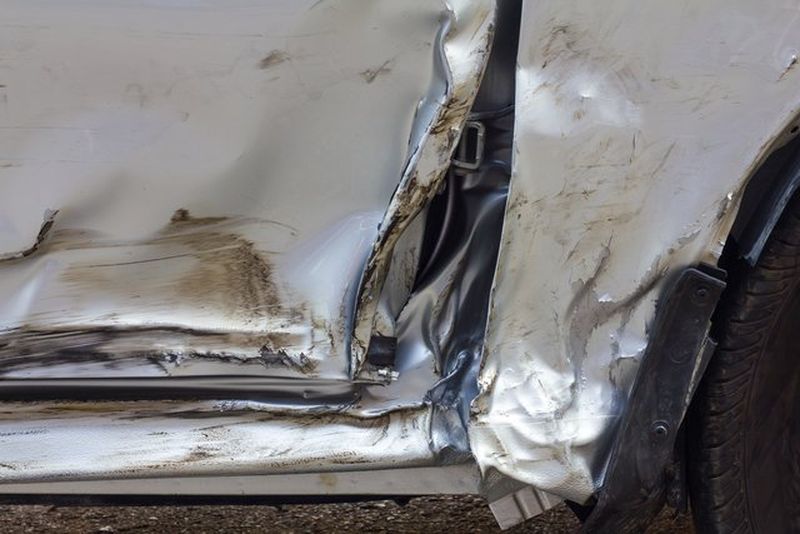
Freight damage can quickly turn a low-cost shipment into an expensive problem. This guide explains six practical steps to take when cargo arrives damaged, incomplete, delayed, or lost. You’ll learn how to inspect the shipment, document problems, contact the right people, file a claim, and reduce the risk of paying unnecessary costs.
Table of Content:
- What Is Damaged Freight and Why Does It Matter?
- What Should You Do Immediately After Finding Freight Damage?
- What Are the 6 Steps to Take in Case of Damaged Freight?
- What Documents Do You Need for a Freight Damage Claim?
- How Can You Reduce the Financial Risk of Damaged Freight?
What Is Damaged Freight and Why Does It Matter?
Damaged freight is any shipment that arrives in worse condition than expected, arrives incomplete, or never reaches the destination at all. In vehicle shipping, this can include a car with new scratches, dents, broken parts, missing accessories, or damage caused during loading, unloading, storage, or transport.
The financial impact can be significant, especially for budget-conscious customers. A small dent may lead to a repair bill. A missing part can delay a vehicle from being moved, repaired, or resold. More serious damage can reduce the vehicle’s value or create additional transportation costs.
For example, imagine buying a vehicle at auction because you found a good price and carefully calculated your total budget. If the car arrives with a damaged bumper or missing key that was not noted before transport, those extra costs can quickly reduce your savings.
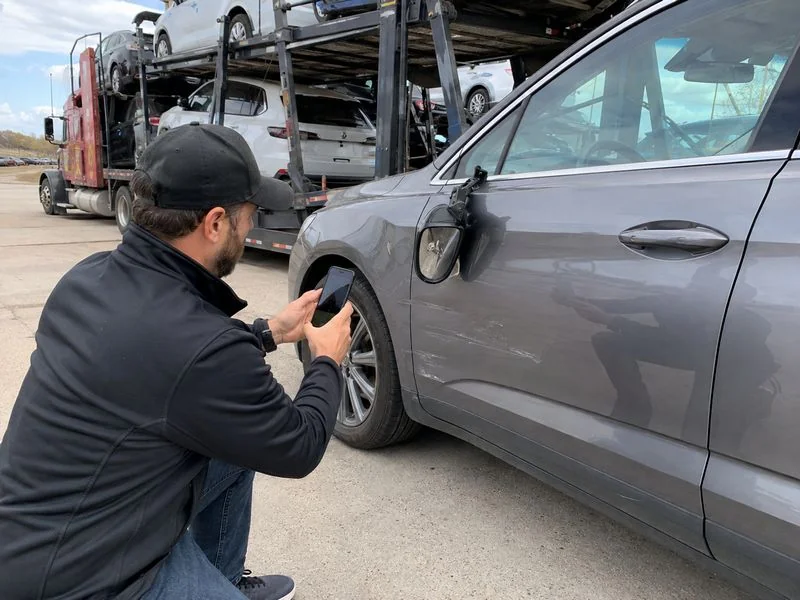
That is why it is important to inspect the shipment carefully, document any problems, and report them as soon as possible. The faster the issue is identified, the easier it is to understand what happened and prepare a freight claim if necessary.
What Counts as Visible, Concealed, Short, or Lost Freight?
Freight damage is usually divided into four main categories: visible damage, concealed damage, shortage, and loss.
Visible damage is damage you can see immediately when the shipment arrives. With vehicle transportation, this could be a new dent, cracked light, broken mirror, damaged bumper, or another obvious issue that was not present before shipping.
Concealed damage is not immediately visible. You may notice it only after inspecting the shipment more closely. For example, an exterior panel may look normal, but a component underneath may be damaged. With boxed vehicle parts or equipment, the packaging may appear intact while the item inside is broken.
Shortage means part of the shipment is missing. If several vehicle parts were shipped together and only some of them arrive, that would be considered a shortage. The same issue can happen when accessories, keys, documents, or other items included with the shipment are missing.
Loss means the freight never arrives at its intended destination. In some cases, a shipment may simply be delayed, so it is important to contact the carrier or logistics provider before assuming it is permanently lost.
Knowing the type of problem matters because it affects how you document the issue and what information you may need for a claim.
Why Should You Inspect Freight Before Signing the Bill of Lading?
The Bill of Lading is one of the most important documents in freight transportation. When you sign it without noting any damage or missing items, you may be confirming that the shipment was received in acceptable condition.
That is why you should inspect the freight before signing whenever possible.
Take enough time to look over the shipment carefully. If you are receiving a vehicle, compare its condition with available pre-shipping photos or inspection records. Check the body, glass, lights, wheels, mirrors, and other visible areas. If additional items are being transported with the vehicle, confirm that they are still present.
Do not rush simply because the driver needs to continue to the next delivery. If you notice a problem, make a clear note on the Bill of Lading before signing it. Avoid vague descriptions such as “damaged.” Instead, describe the issue more specifically, such as “new dent on left rear door” or “right mirror broken.”
You should also take clear photos from several angles. Photos taken at delivery can help show the condition of the freight at the time it was received.
What Should You Do Immediately After Finding Freight Damage?
If you notice damage when your freight arrives, act before the shipment is moved, unpacked further, or the driver leaves. The first few minutes are important because they give you the best chance to document the condition of the freight exactly as it was delivered.
Do not panic or argue with the driver. Focus on collecting clear evidence. Inspect the shipment, take photos, write down what you see, and make sure any visible damage or missing items are noted on the delivery paperwork.
For someone shipping a vehicle on a tight budget, this can help prevent a bad situation from becoming even more expensive. If a car arrives with a new dent, broken mirror, or missing part, proper documentation may help support a claim and reduce the risk of paying the full repair cost out of pocket.
How Should You Inspect the Shipment for Visible and Concealed Damage?
Start with a full visual inspection before signing the Bill of Lading or other delivery documents.
If you are receiving a vehicle, walk around it slowly and check all sides. Look at the front and rear bumpers, doors, fenders, mirrors, glass, lights, wheels, tires, and roof. Pay attention to areas that may have been exposed during loading or unloading.
Compare the vehicle with any photos taken before transportation. This can help you identify whether a scratch, dent, cracked light, or other problem was already there or appeared during shipping.
You should also check for less obvious problems. Concealed damage may not be noticeable at first glance. For example, a bumper may look normal from the outside but have broken mounting points underneath. A vehicle part shipped in a box may have damaged components even if the packaging looks fine.
If boxes, crates, pallets, or loose parts are included with the shipment, inspect the packaging for crushed corners, holes, water damage, torn wrapping, or broken straps. Open the packaging when it is reasonable and safe to do so.
Also confirm that everything listed on the shipping documents is present. Missing parts, accessories, keys, or other items should be treated as a shortage and documented immediately.
What Should You Photograph and Document Before the Driver Leaves?
Take clear photos before anything is moved or repaired. Good photos can be one of the strongest pieces of evidence in a freight damage claim.
Start with wide photos showing the entire vehicle or shipment. Then take closer photos of each damaged area. Use several angles so the size and location of the damage are easy to understand.
For vehicle shipments, it is useful to photograph:
- all four sides of the vehicle;
- the damaged area from both close and wider angles;
- the VIN when accessible;
- wheels, tires, mirrors, glass, and bumpers if they are affected;
- broken or missing parts;
- packaging or tie-down equipment if it appears damaged;
- the condition of the freight while it is still on or near the carrier's equipment.
Do not rely on photos alone. Write a clear description of the damage on the Bill of Lading or delivery receipt.
Instead of writing something general like “vehicle damaged,” be specific. For example:
“New 4-inch scratch on driver-side rear door.”
Or:
“Passenger-side mirror broken at delivery.”
If something is missing, note exactly what is missing and how many items were expected.
Keep copies of all paperwork, including the Bill of Lading, delivery receipt, invoices, shipping confirmation, and any pre-shipping inspection reports. These documents can be important later when the carrier or insurer reviews the claim.
When Should You Contact the Carrier, Broker, or YK Freight?
Contact the shipping company as soon as you discover the problem. If possible, report visible damage before the driver leaves the delivery location.
Fast communication gives the carrier or broker a chance to review what happened while the shipment details are still fresh. They may ask for photos, delivery documents, inspection records, or other evidence.
If the freight appears to be missing, contact the logistics provider before assuming it is permanently lost. Delays can happen because of weather, scheduling problems, terminal congestion, mechanical issues, or routing changes.
If you booked transportation through a broker or logistics company, contact them as well. They can help communicate with the carrier and explain what documents may be required.
For customers working with YK Freight, reporting the issue quickly can make the next steps easier to manage. Provide clear photos, a copy of the Bill of Lading, and a short description of what happened.
What Are the 6 Steps to Take in Case of Damaged Freight?
Finding out that your freight has been damaged, delayed, or partially lost can be stressful, especially when you are trying to keep shipping costs under control. The most important thing is to act carefully and in the right order.
A rushed decision can make a claim harder to prove. For example, if you sign the delivery paperwork without checking the shipment, throw away damaged packaging, or repair a vehicle before taking photos, you may lose useful evidence.
The following six steps can help you protect your shipment, document the problem, and improve your chances of recovering eligible costs.
Step 1: How Should You Inspect the Freight Before Accepting It?
Inspect the freight before you sign the Bill of Lading or delivery receipt whenever possible.
If you are receiving a vehicle, walk around it slowly and look for any new damage. Check the bumpers, doors, fenders, mirrors, lights, windows, roof, wheels, and tires. Compare the condition with pre-shipping photos or an inspection report if you have one.
Do not focus only on large dents or broken parts. Smaller problems can also matter. A new scratch, cracked light, bent wheel, or damaged trim piece may still lead to repair costs.
If other items are included with the shipment, make sure they are present. Check for keys, loose parts, accessories, boxes, or equipment listed on the shipping documents.
You should also look for signs of concealed damage. A box may look fine on the outside while the item inside is broken. A bumper may appear undamaged but have broken brackets underneath.
Take enough time to inspect everything properly. Do not feel pressured to sign immediately because the driver has another delivery.
If something looks wrong, document it before accepting the shipment.
Step 2: Who Should You Contact About Damaged, Missing, or Delayed Freight?
Contact the carrier, broker, or logistics provider as soon as you discover a problem.
If the damage is visible at delivery, it is best to report it while the driver is still there. This allows the issue to be recorded immediately.
If an item is missing, explain exactly what is missing. If the freight has not arrived at all, first confirm whether it is actually lost or simply delayed.
Transportation delays can happen because of bad weather, mechanical problems, terminal congestion, traffic, scheduling issues, or route changes. A shipment that appears missing may still be moving through the transportation network.
If you booked your shipment through a logistics provider, contact them rather than trying to manage every conversation on your own. They can communicate with the carrier and help explain the next steps.
When contacting the carrier or broker, provide basic information such as:
- shipment or load number;
- pickup and delivery locations;
- delivery date;
- description of the damage or shortage;
- photos;
- copy of the Bill of Lading;
- any other relevant shipping documents.
Fast communication can save time and prevent confusion later.
Step 3: How Should You Document Damage, Shortages, and Missing Items?
Good documentation is one of the most important parts of a freight claim.
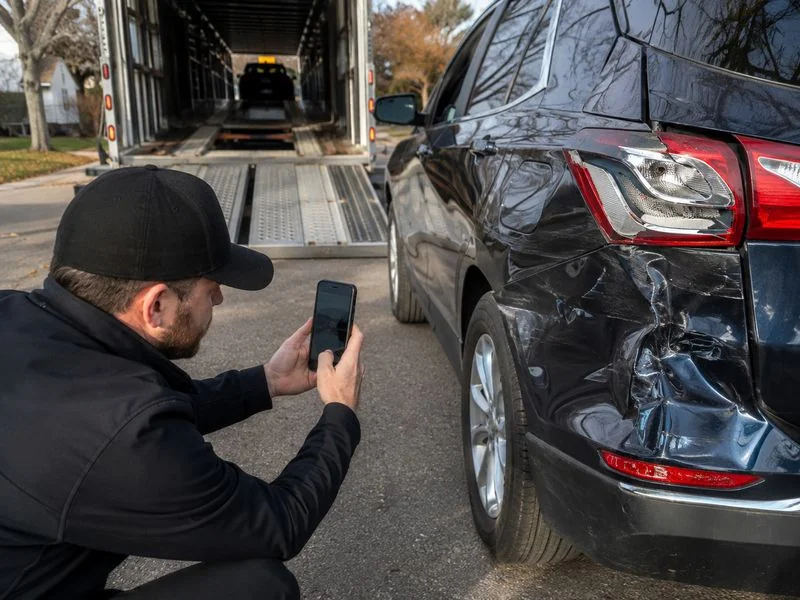
Start by taking clear photos. Take wide photos showing the full shipment and close-up photos showing the damage in detail. If you are documenting a vehicle, photograph the damaged area from several angles.
If possible, also photograph the vehicle before it is unloaded completely or moved away from the delivery area.
Write down exactly what happened.
Avoid vague statements such as:
“Car damaged.”
Use a more specific description instead:
“New dent on passenger-side front fender.”
Or:
“Left rear wheel scratched during delivery.”
If something is missing, list the exact item and quantity.
Make sure visible damage or shortages are written on the Bill of Lading or delivery receipt before you sign it.
Keep copies of all records connected to the shipment, including emails, invoices, inspection reports, delivery receipts, and photos.
If you later speak with the carrier or broker by phone, make a short note of the date, time, and what was discussed.
The goal is to create a clear record showing what condition the freight was in when it arrived and when the problem was reported.
Step 4: Why Should You Avoid Refusing or Discarding Damaged Freight?
A damaged shipment does not always mean you should refuse it.
In many cases, refusing freight can make the situation more complicated. The carrier may have to return or store the shipment, which can create additional transportation or storage charges.
You should also avoid throwing away damaged parts, packaging, straps, crates, or other materials until the claim has been reviewed.
The carrier or insurance company may want to inspect the damaged freight. If the item is repaired, discarded, or destroyed too early, important evidence may disappear.
This is especially important when shipping vehicles.
For example, if a car arrives with a damaged bumper, do not immediately replace the bumper and throw the old one away. Take photos first, report the problem, and keep the damaged part if possible until you know whether an inspection is required.
You also have a responsibility to prevent the loss from becoming larger.
If a damaged item can be safely stored or protected from further damage, do so. Do not leave it exposed to weather or other conditions that could make the problem worse.
Keeping the freight intact gives the carrier or insurer a better opportunity to evaluate what happened.
Step 5: How Do You File a Freight Damage Claim Correctly?
A freight claim is a formal request for compensation related to damaged, missing, or lost freight.
The exact claim process depends on the carrier, broker, contract terms, and insurance coverage, but most claims require similar types of documentation.
You may need to provide:
- the Bill of Lading;
- freight invoice;
- proof that the freight bill was paid;
- commercial invoice or proof of the item's value;
- packing list;
- photos of the damage;
- delivery receipt;
- repair estimates;
- description of the loss;
- requested claim amount.
The amount you request should be supported by real costs.
For example, if a vehicle arrives with a damaged mirror, get a realistic repair or replacement estimate. Do not automatically claim the full value of the vehicle if the actual loss is limited to one damaged part.
You should also take reasonable steps to reduce the amount of the loss.
If a part can be repaired for less than the cost of replacing it, the carrier or insurer may expect you to choose the reasonable option.
Do not delay filing the claim.
Different carriers and insurance policies may have different deadlines. Concealed damage may also need to be reported within a shorter period after delivery.
Check the terms connected to your shipment and submit the required paperwork as soon as possible.
Step 6: Why Should You Still Pay the Freight Bill?
Receiving damaged freight does not normally cancel your responsibility to pay the transportation charges.
The freight bill covers the transportation service itself. A damage claim is usually handled as a separate process.
Some customers assume they should refuse to pay the shipping invoice until the claim is resolved. This can create additional problems, including late fees, collection issues, or delays in processing the claim.
Pay the freight bill according to the agreed terms unless your contract or logistics provider gives you different instructions.
Keep proof of payment because it may be required as part of the claim documentation.
For someone working with a limited shipping budget, paying for transportation and then waiting for a claim decision can feel frustrating. However, keeping the freight payment and damage claim separate usually makes the process clearer.
The safest approach is to keep every document, meet all payment deadlines, and follow the carrier or insurance company's claim procedure carefully.
What Documents Do You Need for a Freight Damage Claim?
A freight damage claim is much easier to handle when you have complete and organized records. Carriers and insurance companies usually need proof of what was shipped, what condition it was in, how much it was worth, and what damage or shortage occurred.
For budget-conscious shippers, good documentation is especially important. If you are trying to save money on vehicle transportation, the last thing you want is to lose a valid claim because a receipt, photo, or delivery document is missing.
Keep all records connected to the shipment from the moment transportation is booked until the claim is fully resolved. Do not rely only on emails or text messages. Save copies of important documents in one folder so you can find them quickly if a problem happens.
A typical freight damage claim may require:
- the Bill of Lading;
- delivery receipt;
- freight invoice;
- proof of freight payment;
- commercial invoice or purchase receipt;
- packing list;
- pre-shipping photos;
- photos taken at delivery;
- repair estimates or replacement costs;
- written description of the damage or shortage;
- claim form required by the carrier or insurer.
The exact requirements may vary, so always check the carrier's or insurance provider's claim instructions.
Which Shipping and Payment Documents Should You Keep?
The Bill of Lading is one of the most important documents because it identifies the shipment and records key transportation details.
Keep a clear copy of the Bill of Lading from pickup and delivery. If damage or shortages were noted when the freight arrived, make sure those notes are visible on your copy.
You should also keep the freight invoice and proof that the transportation charges were paid. A paid freight bill may be required during the claim process.
The invoice or purchase receipt for the goods is also important because it helps establish their value.
For vehicle shipping, this could include an auction invoice, purchase invoice, or other record showing what you paid for the vehicle. If separate parts or equipment were included, keep invoices or receipts for those items as well.
A packing list can help prove what was included in the shipment. This is especially useful when a claim involves missing items rather than physical damage.
For example, imagine that you ship a vehicle together with several replacement parts. When the vehicle arrives, one box is missing. A packing list showing that all boxes were included at pickup can help support the shortage claim.
Do not discard these records once the freight has been delivered. Keep them until you are confident there will be no claim or until any existing claim is closed.
How Can Photos, Invoices, and the Bill of Lading Support Your Claim?
A strong freight claim tells a clear story.
Photos can show what happened. Invoices can show how much the damaged freight was worth. The Bill of Lading can show what was transported and whether the problem was documented at delivery.
These pieces of evidence work best together.
For example, suppose a vehicle arrives with a new dent on the rear quarter panel. Your pre-shipping photos show that the panel was undamaged before transportation. Delivery photos clearly show the new dent, and the Bill of Lading includes a note about the damage.
That creates a much stronger record than simply telling the carrier that the vehicle arrived damaged.
Take photos before transportation whenever possible. At delivery, take both wide and close-up photos.
Wide photos help show where the damage is located on the vehicle or shipment. Close-up photos show the condition in more detail.
If the claim involves packaged freight, photograph the packaging before opening it. Damaged boxes, broken straps, crushed corners, or torn wrapping may help explain how the contents were affected.
Invoices are useful because they establish value. If you need repairs, get written estimates rather than giving the carrier a rough number.
For vehicle damage, a repair estimate from a body shop can help show what it will realistically cost to return the vehicle to its previous condition.
The Bill of Lading is especially important for visible damage. If you notice a problem before signing, describe it clearly on the document.
Instead of writing:
“Damage found.”
Write something more specific, such as:
“Dent on left front door and scratch on rear bumper noted at delivery.”
Clear details make it easier for the person reviewing the claim to understand exactly what happened.
How Quickly Should You Report Concealed Damage or Shortages?
Report damage or shortages as soon as you discover them.
Visible damage should ideally be documented before the driver leaves. Concealed damage is different because you may not notice it until the freight is unpacked or inspected more closely.
For example, a vehicle part may arrive inside an undamaged box, but you may discover that it is cracked after opening the package. A vehicle itself may also have damage underneath a panel or component that is not visible during the initial walk-around.
Do not assume that you can wait because the damage was concealed.
Carriers, contracts, and insurance policies can have different reporting deadlines. Some require concealed damage or shortages to be reported within a relatively short period after delivery.
Because these time limits can vary, the safest approach is to notify the carrier, broker, or logistics provider immediately after finding the issue.
When reporting concealed damage, include:
- the delivery date;
- the date you discovered the damage;
- shipment number;
- description of the problem;
- photos;
- copy of the Bill of Lading;
- any relevant invoices or packing documents.
If possible, keep the damaged item and packaging until the carrier or insurer confirms that no inspection is needed.
Do not wait until repairs are completed before reporting the issue. Early communication gives you a better chance to preserve evidence and follow the correct claim procedure.
How Can You Reduce the Financial Risk of Damaged Freight?
You cannot eliminate every risk in freight transportation, but you can reduce the financial impact if something goes wrong. The best approach is to prepare before the shipment moves, keep good records, understand your coverage, and know what to do at delivery.
This matters even more when you are shipping a vehicle on a limited budget. A single unexpected repair, storage charge, or claim problem can erase the savings you expected from choosing a lower-cost vehicle or transportation option.
The goal is not simply to choose the cheapest shipment. It is to avoid expensive mistakes that can appear later.
How Does Freight Insurance Help Protect Your Shipping Budget?
Freight insurance can help protect you from a major financial loss if your cargo is damaged, lost, or stolen during transportation.
Carrier liability and freight insurance are not always the same thing. A carrier may have limited liability under its terms, while separate cargo insurance may provide broader protection depending on the policy.
Before shipping, check what is covered and what is excluded.
For vehicle transportation, pay attention to details such as:
- the maximum insured value;
- deductibles;
- excluded types of damage;
- whether personal items inside the vehicle are covered;
- whether loading and unloading damage is included;
- what documents are required for a claim.
Do not assume that every type of damage will automatically be reimbursed.
For example, imagine you buy an auction vehicle for $8,000 and choose a low-cost shipping option. If the vehicle is seriously damaged in transit, saving $100 or $200 on transportation will not matter much if your coverage is too limited to handle the loss.
That is why insurance should be considered part of the total shipping cost, not just an optional extra.
For higher-value vehicles or shipments where an unexpected repair would seriously affect your budget, additional cargo insurance may be worth considering.
What Can Budget-Conscious Vehicle Shippers Do to Avoid Extra Costs?
Saving money on shipping starts before the truck arrives.
First, document the vehicle's condition before pickup. Take clear photos of all sides of the car, including existing scratches, dents, cracked lights, damaged bumpers, wheels, and glass.
This gives you a reference point if new damage appears later.
Second, remove loose items from the vehicle unless they are specifically approved for transport. Personal belongings, tools, spare parts, or other items may move during transit and cause damage. They may also fall outside the carrier's coverage.
Third, confirm the pickup and delivery details in advance. Wrong addresses, missed appointments, or limited access can lead to extra charges or delays.
If possible, make sure there is enough space for the truck to load or unload safely. A difficult pickup location may require an alternative meeting point or additional handling.
It is also important to understand the quote before booking. A very low initial price is not always the lowest final cost.
Ask what is included and whether additional charges may apply for:
- oversized or non-running vehicles;
- special equipment;
- storage;
- waiting time;
- re-delivery;
- difficult pickup or delivery locations;
- changes to the schedule.
For auction vehicles, confirm whether the car runs and drives and whether keys are available. A non-running vehicle may require a winch or other equipment, which can affect the transportation cost.
Finally, inspect the vehicle carefully at delivery. A proper inspection can help you catch a problem immediately instead of discovering it after the driver has already left.
For someone trying to stay within a strict budget, these small steps can help prevent much larger expenses.
How Can YK Freight Help When Freight Is Damaged or a Claim Needs to Be Filed?
When freight is damaged, the process can become confusing quickly. You may need to communicate with the carrier, gather documents, provide photos, confirm shipment details, and follow claim procedures.
YK Freight can help coordinate communication and explain what information may be needed to move the issue forward.
If you discover damage, report it as soon as possible and provide clear documentation. This may include photos, the Bill of Lading, delivery records, invoices, and a description of the problem.
The more complete the information is, the easier it is to review what happened and communicate with the parties involved.
YK Freight can also help customers understand the shipping process before transportation begins. That includes discussing vehicle condition, pickup requirements, delivery access, and other details that may affect cost or risk.
No logistics company can guarantee that freight will never be damaged. Transportation always involves some level of risk. However, careful planning, proper documentation, and fast communication can make a major difference when a problem occurs.
If you are trying to ship a vehicle while keeping costs under control, YK Freight can help you plan the move, understand potential risks, and handle the next steps if freight damage needs to be reported.
Further Reading
What is Cargo Coverage?
What to Do When Your Freight Is Lost: A Step-by-Step Guide with YK Freight
What Is a Bill of Lading (BOL)? Complete Guide to Shipping Documents
3 Things to Know About a Bill of Lading Before Shipping a Vehicl


ASK YOUR QUESTIONS