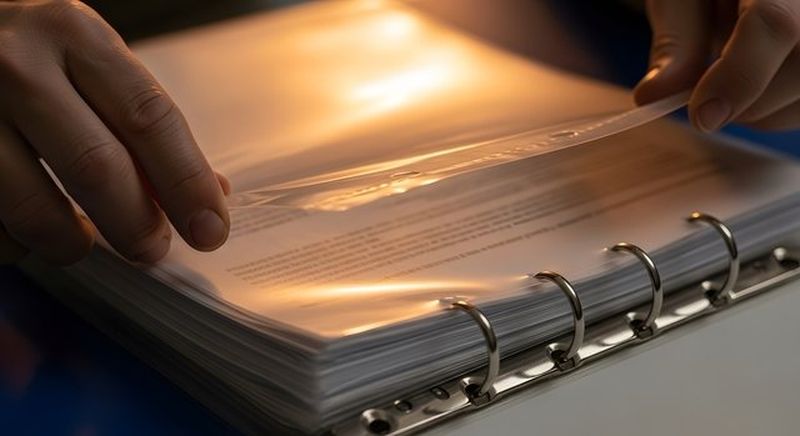
A Bill of Lading is more than just shipping paperwork. It helps confirm vehicle pickup, record condition, and protect you if problems happen during transport. This short guide explains the 3 key things you need to know before signing a BOL.
Table of Content:
- Why Is a Bill of Lading One of the Most Important Documents in Vehicle Shipping?
- What Are the 3 Things You Need to Know About a Bill of Lading?
- What Information Should You Always Verify on a Bill of Lading?
- How Can Understanding a Bill of Lading Help You Avoid Unnecessary Costs?
- How Can YK Freight Help Make Vehicle Shipping Paperwork Easier?
Why Is a Bill of Lading One of the Most Important Documents in Vehicle Shipping?
When people think about vehicle shipping, they usually focus on costs, transit times, and delivery dates. However, one document plays a critical role throughout the entire process: the Bill of Lading, often called a BOL.
A Bill of Lading serves as the official record of the shipment. It confirms that the carrier has taken possession of the vehicle, outlines the terms of transportation, and provides important details about the shipment itself. Without this document, disputes over vehicle condition, delivery responsibilities, or shipment details can quickly become difficult to resolve.
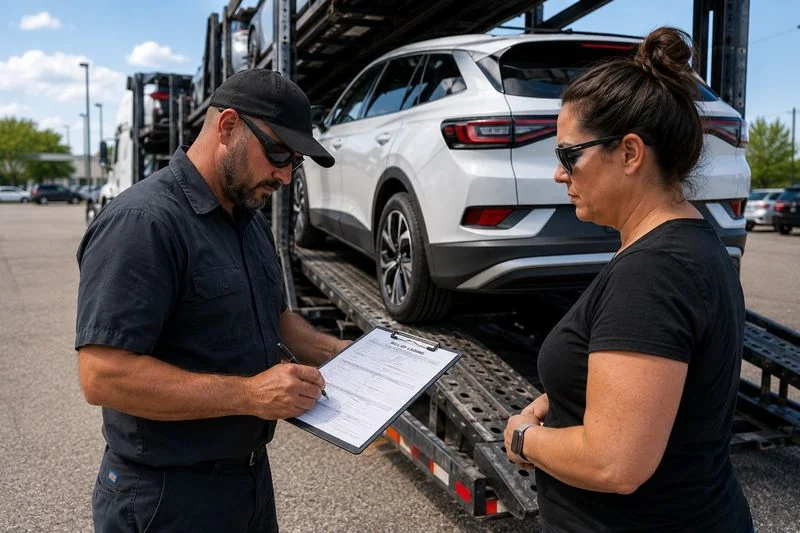
For budget-conscious vehicle owners, understanding the Bill of Lading can also help prevent unexpected expenses. A simple mistake, such as an incorrect vehicle description or missing information about existing damage, may lead to delays or complications during the claims process. Taking a few minutes to review the document carefully can save both time and money.
What Is a Bill of Lading (BOL)?
A Bill of Lading is a legal shipping document issued by the carrier to the shipper. In vehicle transportation, it contains essential information about the car being moved and the parties involved in the shipment.
The document typically includes the names and contact details of the shipper and the recipient, the pickup and delivery locations, the vehicle's make, model, year, and identification number, as well as notes about its condition at the time of pickup.
Think of it as the shipment's official paperwork. It tells everyone involved what is being transported, where it is going, and under what terms the transportation is taking place.
For example, imagine you purchased a used vehicle online because it was significantly cheaper than similar options available locally. Once the carrier arrives to pick up the car, the Bill of Lading becomes the document that confirms exactly what vehicle entered the transportation process and in what condition it was received.
Why Is a Bill of Lading Often Compared to a Plane Ticket?
A Bill of Lading is often compared to a plane ticket because both documents are essential for the journey to happen.
You cannot board an airplane without a valid ticket, and in many cases, a shipment cannot move through the transportation process without a properly completed Bill of Lading. It authorizes the movement of goods and provides the necessary details carriers rely on during transit.
The comparison becomes even more useful when considering the multiple purposes a BOL serves. It acts as:
- A receipt confirming that the carrier received the vehicle for transportation;
- A contract outlining the responsibilities of both the shipper and the carrier;
- A document that helps establish the right to claim the shipment upon delivery.
For someone shipping a vehicle for the first time, this document provides reassurance that there is an official record of the transaction. If questions arise later regarding timing, condition, or responsibility, the Bill of Lading serves as an important point of reference.
Who Is Involved in the Bill of Lading Process?
Several parties play a role in creating and using the Bill of Lading.
The first is the shipper, which is the individual or business arranging the transportation. This could be someone who recently purchased a used vehicle at auction and needs it delivered to their home or repair facility.
The second party is the carrier. The carrier is responsible for transporting the vehicle from the pickup location to its destination. Before loading the vehicle, the carrier typically performs an inspection and records its visible condition on the Bill of Lading.
The final party is the consignee, which is the person or organization receiving the shipment. In many personal vehicle shipments, the shipper and consignee may be the same person.
Each party benefits from having accurate information on the document. The shipper gains peace of mind knowing there is a formal record of the transaction. The carrier receives clear transportation instructions. The recipient can verify that the vehicle arrived as expected.
What Are the 3 Things You Need to Know About a Bill of Lading?
A Bill of Lading may look like a simple shipping form, but it has three major functions. It works as a receipt, a contract, and a document that can support ownership and claims during the shipping process.
These three roles are especially important when you are trying to control transportation costs. If you bought a vehicle at auction to save money, the last thing you want is a paperwork issue that causes delays, damage disputes, or extra charges. A properly completed Bill of Lading helps create a clear record from the moment the vehicle is picked up until it is delivered.
How Does a Bill of Lading Work as a Receipt for Your Vehicle Shipment?
The Bill of Lading works as a receipt because it confirms that the carrier has received the vehicle for transport. Once the vehicle is picked up, the BOL becomes written proof that the carrier took possession of it.
This matters because vehicle shipping often involves several steps. For example, you may buy a used car from an auction, have it picked up from the auction yard, and then wait several days for delivery. During that time, the Bill of Lading shows when the vehicle entered the carrier’s care and what condition was recorded at pickup.
A good BOL should include basic shipment details, such as the pickup location, delivery location, vehicle information, and visible condition notes. If the vehicle already has scratches, dents, broken glass, missing parts, or other visible damage, those details should be written down before transport begins.
For budget-conscious buyers, this is important protection. If you purchased a lower-priced vehicle with existing damage, clear notes on the BOL can help separate old damage from any new damage that may happen during transport. Without that record, it can be harder to prove when a problem occurred.
Why Is the Bill of Lading Considered a Contract Between the Shipper and Carrier?
A Bill of Lading is also considered a contract because it outlines the agreement between the shipper and the carrier. It shows that the carrier has accepted responsibility for transporting the vehicle from one location to another under the stated terms.
In simple terms, the BOL helps answer key questions: What vehicle is being shipped? Where is it being picked up? Where is it going? Who is responsible for transporting it? What condition was it in when the carrier received it?
This is useful because misunderstandings in vehicle shipping can become expensive. For example, if the delivery address is entered incorrectly, the carrier may need to reroute the shipment. That can lead to delays or additional fees. If the vehicle does not run but the BOL or order details do not mention it, special equipment may be needed, which can also increase the cost.
The Bill of Lading helps reduce these risks by putting the most important shipment information in writing. Before signing it, the shipper should check that the details are correct. A few minutes of review can prevent bigger problems later.
When working with a transportation provider such as YK Freight, customers should ask questions before signing anything they do not understand. It is much easier to correct a mistake before the vehicle leaves the pickup location than after it is already in transit.
How Does the Bill of Lading Help Establish Ownership and Support Claims?
The Bill of Lading can also help establish the right to receive the shipment and support claims if something goes wrong. While it is not the same as a vehicle title, it can serve as an important transportation record showing who shipped the vehicle, who should receive it, and what was documented during pickup and delivery.
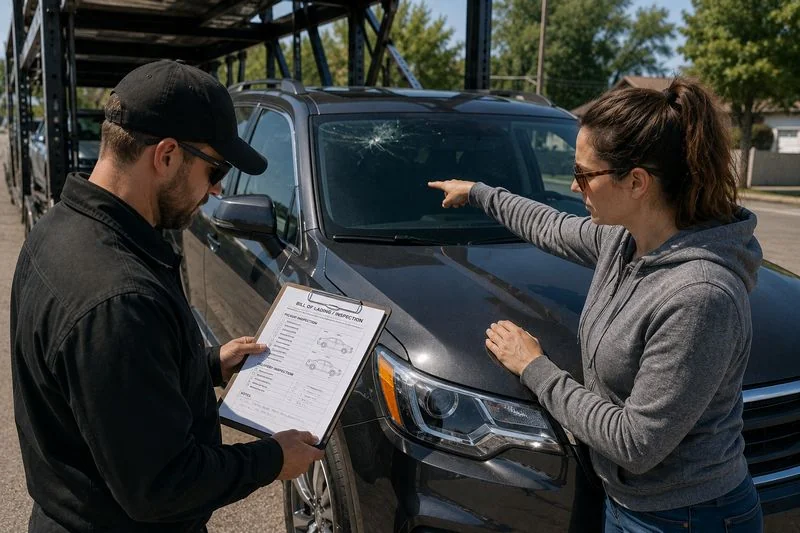
This becomes important if there is a dispute, loss, delay, or damage claim. If the vehicle arrives with new damage, the delivery inspection and the pickup notes on the BOL can be compared. If the damage was not listed at pickup but appears at delivery, the BOL may help support the claim process.
For example, imagine you bought a used SUV at auction because it fit your budget. The auction photos showed a dent on the rear bumper, but the windshield was intact. At delivery, you notice a large crack in the windshield. If the pickup BOL did not list a cracked windshield and the delivery BOL clearly notes the new damage, you have stronger documentation for a claim.
This is why both pickup and delivery inspections matter. The Bill of Lading should be reviewed before the vehicle is loaded and again before the final signature at delivery. If something looks wrong, it should be written on the document before signing.
What Information Should You Always Verify on a Bill of Lading?
A Bill of Lading is only as useful as the information it contains. Even small mistakes can lead to delivery delays, confusion, or unnecessary expenses. Before signing the document, it is important to review every detail carefully.
Many people assume that paperwork is just a formality, especially when they are focused on getting an affordable vehicle delivered quickly. However, spending a few extra minutes checking the information on the BOL can help prevent problems that may cost far more time and money later.
From contact details to vehicle descriptions, every section of the document serves a purpose. Verifying that everything is accurate helps protect everyone involved in the shipment.
Which Shipper and Consignee Details Must Be Included?
One of the first things you should verify on a Bill of Lading is the information about the parties involved in the shipment.
The document should clearly identify the shipper, which is the person or business arranging the transportation. It should also list the consignee, meaning the individual or organization receiving the vehicle at the final destination.
Typically, the following details should be included:
- Full names of the shipper and consignee;
- Complete pickup and delivery addresses;
- Phone numbers or other contact information;
- Any account numbers or reference numbers used for tracking purposes.
Accurate contact information is essential because transportation schedules can change. A carrier may need to coordinate pickup times, confirm delivery arrangements, or notify the recipient about arrival updates.
For example, imagine you purchased a budget-friendly vehicle from an auction several states away. If the delivery phone number is entered incorrectly, the carrier may struggle to reach you upon arrival. This could result in storage fees, rescheduled deliveries, or unnecessary delays.
Checking these details carefully helps ensure smoother communication throughout the shipping process.
What Vehicle and Shipment Information Should Be Listed Correctly?
The Bill of Lading should also contain detailed information about the vehicle being transported. These details help confirm that the correct vehicle is picked up and delivered.
Important vehicle information may include:
- Vehicle Identification Number (VIN);
- Year, make, and model;
- Vehicle color;
- License plate number, if applicable;
- Odometer reading, when required;
- Whether the vehicle is operational or non-running.
In addition, the BOL may include shipment-related details such as pickup dates, delivery destinations, and any special handling requirements.
This information becomes particularly important for buyers purchasing vehicles through auctions. Auction yards often contain hundreds or even thousands of vehicles. An incorrect VIN or vehicle description could create confusion and potentially delay the shipment.
Taking a moment to compare the information on the BOL with the purchase documents can help confirm that the right vehicle is entering the transportation process.
Why Do Special Instructions and Vehicle Condition Notes Matter?
Special instructions and condition reports are among the most important sections of a Bill of Lading, yet they are often overlooked.
Special instructions may include details such as:
- The vehicle does not start or drive;
- The battery is dead;
- Ground clearance is limited;
- Specific delivery instructions apply;
- Additional equipment is required for loading or unloading.
Vehicle condition notes document any visible damage that existed before transportation began. Carriers often complete a visual inspection at pickup and record issues such as dents, scratches, cracked glass, missing mirrors, or damaged bumpers.
These notes protect both the customer and the carrier.
For example, suppose you purchased an affordable salvage vehicle with minor front-end damage. That damage should already be listed on the pickup inspection. If additional damage appears during transport, comparing the pickup and delivery records can help determine when it occurred.
Photographs taken during pickup can provide additional support, but the written notes on the Bill of Lading remain an important part of the documentation process.
What Can Happen If the Information on a BOL Is Incorrect?
Incorrect information on a Bill of Lading can create complications that extend far beyond simple paperwork errors.
Depending on the situation, mistakes may lead to:
- Shipment delays;
- Delivery to the wrong location;
- Additional transportation charges;
- Difficulty filing damage claims;
- Problems verifying pre-existing vehicle conditions;
- Miscommunication between all parties involved.
Consider a first-time buyer who purchases a used vehicle because it offers significant savings compared to local dealership prices. If the BOL mistakenly lists the wrong delivery address or fails to mention that the vehicle is inoperable, the transportation process may require unexpected adjustments. Those adjustments often come with added costs.
Reviewing the Bill of Lading before signing it is one of the easiest ways to avoid these situations. Ask questions if something appears unclear, and request corrections immediately if you notice inaccurate information.
How Can Understanding a Bill of Lading Help You Avoid Unnecessary Costs?
Many people choose vehicle shipping services because they have already found ways to save money elsewhere. They may have purchased a used car at auction, bought a vehicle in another state at a lower price, or selected a budget-friendly transportation option. However, even the best deal can become more expensive if shipping paperwork is handled carelessly.
The Bill of Lading is one of the simplest tools available to help avoid unnecessary expenses. Understanding what it means, what information it contains, and how to review it properly can reduce the risk of delays, disputes, and unexpected fees.
A few minutes spent checking the details on this document can save hundreds of dollars in potential problems later.
Why Should Budget-Conscious Vehicle Buyers Pay Close Attention to the BOL?
When every dollar matters, avoiding preventable costs becomes especially important. Budget-conscious vehicle buyers often focus on finding the lowest purchase price, but transportation-related issues can quickly erase those savings.
The Bill of Lading provides an opportunity to catch mistakes before they turn into expensive problems. It allows buyers to confirm that the correct vehicle is being shipped, the delivery information is accurate, and any existing vehicle damage has been properly documented.
Consider someone who buys a used sedan from an online auction because it costs significantly less than similar local listings. The savings may be substantial, but if the wrong delivery address appears on the BOL or the vehicle's condition is recorded inaccurately, the buyer could face additional charges or unnecessary complications.
Paying close attention to the BOL is not about being overly cautious. It is about protecting the investment you have already made.
How Can Accurate Documentation Speed Up Damage Claims?
No one wants to think about damage occurring during transportation, but having the right documentation can make a significant difference if a problem arises.
A properly completed Bill of Lading creates a timeline of the vehicle's condition. The inspection completed at pickup documents any visible damage before transportation begins. A second inspection at delivery provides an opportunity to identify any changes.
If new damage is discovered, accurate documentation can help support the claims process by answering important questions:
- What condition was the vehicle in before shipment?
- Was the damage already present?
- When was the issue first identified?
- Were concerns documented before the final delivery signature?
Without this information, investigating a claim may take longer and become more complicated.
For example, imagine you purchased a used SUV to stay within your family's budget. The vehicle had several cosmetic scratches that were noted during pickup. At delivery, you notice that one of the side mirrors has been damaged, even though it was intact during the initial inspection. Because the original Bill of Lading accurately documented the vehicle's condition, the claims process can proceed with clearer evidence.
The more complete the documentation, the easier it becomes to resolve issues efficiently.
What Common Bill of Lading Mistakes Do First-Time Shippers Make?
People shipping a vehicle for the first time often assume that the Bill of Lading is routine paperwork that requires only a quick signature. Unfortunately, that assumption can lead to avoidable mistakes.
Some of the most common errors include:
- Failing to review the vehicle condition report carefully;
- Signing the document before verifying that all information is accurate;
- Forgetting to document existing dents, scratches, or cracked glass;
- Overlooking incorrect contact information or delivery addresses;
- Not mentioning that the vehicle is non-running or requires special handling;
- Skipping the delivery inspection because they are eager to receive the vehicle.
These mistakes usually happen because people are unfamiliar with the shipping process rather than intentionally careless.
For instance, a first-time auction buyer may be excited about securing a great deal on a vehicle and rush through the pickup documentation. Later, if questions arise about the vehicle's condition, the missing details on the BOL can make resolving the situation more difficult.
Taking the time to understand the document before signing it can help first-time shippers avoid unnecessary frustration.
How Can Reviewing the BOL Before Signing Save You Money and Stress?
Reviewing the Bill of Lading before signing is one of the easiest and most effective ways to protect yourself during vehicle transportation.
This final review provides an opportunity to verify that:
- The correct vehicle information is listed;
- Pickup and delivery details are accurate;
- Existing damage has been documented properly;
- Special instructions are included;
- Contact information is current and complete.
Correcting an error before the shipment begins is usually straightforward. Correcting the same error after the vehicle is already in transit can be far more challenging.
Imagine discovering after delivery that the condition report failed to mention damage that already existed before shipment. Without clear documentation, you may find yourself trying to reconstruct events after the fact. A careful review at pickup could have prevented that uncertainty entirely.
At YK Freight, we encourage customers to slow down during the documentation process and ask questions whenever something appears unclear. Vehicle shipping should not be stressful, and understanding the Bill of Lading is one of the best ways to improve confidence throughout the experience.
How Can YK Freight Help Make Vehicle Shipping Paperwork Easier?
Shipping paperwork can feel overwhelming, especially if you are transporting a vehicle for the first time. Terms like "Bill of Lading," inspection reports, and delivery documentation may sound complicated, but they do not have to be.
The good news is that understanding a few basic principles can make the entire process much easier. A properly completed Bill of Lading helps keep everyone on the same page, reduces the chance of misunderstandings, and provides important protection throughout the shipment.
For individuals trying to keep transportation costs under control, avoiding paperwork mistakes is just as important as finding a competitive shipping rate. Clear documentation helps minimize delays, simplifies communication, and reduces the risk of unexpected expenses.
What Steps Can You Take to Ensure Your Bill of Lading Is Completed Correctly?
Completing a Bill of Lading correctly does not require specialized knowledge. In most cases, it simply involves reviewing the information carefully and asking questions whenever something appears unclear.
Before signing the document, consider the following steps:
- Verify that the shipper's and consignee's names are correct;
- Confirm pickup and delivery addresses;
- Check the vehicle's VIN, make, model, and year;
- Review all vehicle condition notes carefully;
- Make sure existing dents, scratches, or broken components are documented;
- Verify whether the vehicle is listed as operational or non-running;
- Confirm that any special instructions have been included;
- Ask for clarification if any section of the document is confusing.
One helpful habit is taking your own photos of the vehicle before transport begins. While the Bill of Lading serves as the official shipping record, photographs can provide additional documentation if questions arise later.
For example, imagine you purchased an affordable used vehicle from an auction located several states away. You have already budgeted for transportation costs and registration fees. Discovering after delivery that the BOL contained incorrect information could create unnecessary complications. Reviewing the document before signing takes only a few minutes but may help prevent hours of frustration later.
If you notice an error, request that it be corrected immediately. It is much easier to resolve issues before the vehicle enters transit.
Why Is Understanding the BOL Essential Before Shipping a Vehicle?
Many people view the Bill of Lading as just another form that needs a signature. In reality, it is one of the most important documents involved in vehicle transportation.
Understanding the BOL helps you know:
- What information should appear on the document;
- What responsibilities belong to each party involved in the shipment;
- How vehicle condition is documented;
- What records may support a claim if damage occurs;
- Why reviewing paperwork carefully can help avoid unnecessary expenses.
This knowledge is especially valuable for budget-conscious buyers. Saving money on the purchase price of a vehicle is important, but protecting that investment during transportation matters just as much.
Consider a first-time buyer who found a great deal on a vehicle through an online auction. The buyer compared prices carefully, selected a transportation provider, and stayed within budget. However, if they overlook errors on the Bill of Lading or fail to document the vehicle's condition properly, the financial benefits of the purchase could quickly be reduced by avoidable complications.
Understanding the purpose of the BOL gives you greater confidence throughout the shipping process. Instead of signing paperwork without reviewing it, you become an informed participant who knows what to verify and why those details matter.
At YK Freight, we believe that customers should never feel confused by shipping documentation. Our goal is to make the transportation process as straightforward as possible by helping customers understand the paperwork involved and encouraging them to review important documents carefully before signing.
Vehicle shipping does not have to be stressful. With the right information and attention to detail, the Bill of Lading becomes more than just a form—it becomes a practical tool that helps protect your vehicle, your time, and your budget.
Further Reading
What Is a Bill of Lading (BOL)? Complete Guide to Shipping Documents
What Does FOB Mean in Freight Shipping? Simple Guide for Budget Shippers
What You Need to Know About Customs Procedures in Container Drayage
Documents & Deadlines for a Smooth and Successful Container Mov


ASK YOUR QUESTIONS