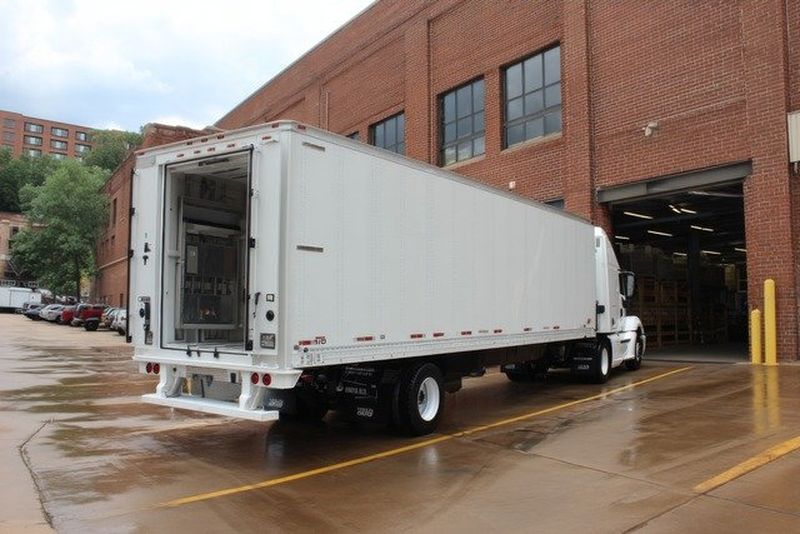
A drop trailer program can reduce driver wait time, simplify loading, and help control shipping costs—but it is not right for every load. This guide explains how drop trailers work, how they differ from live loads, what fees to watch for, and when this option can save you time and money.
Table of Content:
- What Is a Drop Trailer Program and How Does It Work?
- What Are the Main Benefits of a Drop Trailer Program?
- What Costs and Fees Can Come With a Drop Trailer Program?
- When Does a Drop Trailer Program Make Sense?
- How Can You Decide If a Drop Trailer Program Is Right for Your Shipment?
What Is a Drop Trailer Program and How Does It Work?
A drop trailer program is a shipping setup where a carrier leaves a trailer at a shipper’s facility instead of waiting while it is loaded or unloaded. The trailer stays there for an agreed period, and the driver can leave with another load or continue to the next job.
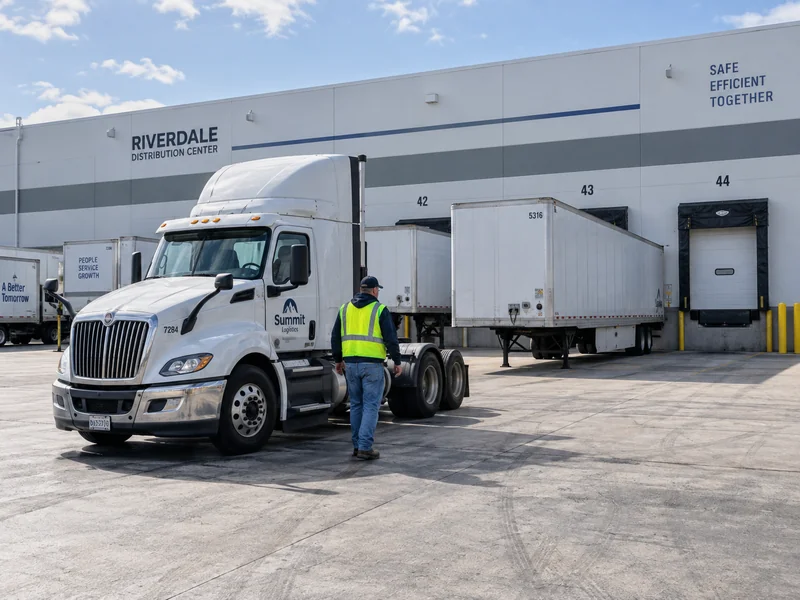
This setup can reduce waiting time and give the shipper more flexibility. Instead of rushing to load a truck while the driver is on site, warehouse staff can prepare the trailer when it fits their schedule.
For a company trying to control transportation costs, this can be useful. Less driver waiting often means fewer delays, better scheduling, and a lower risk of extra charges connected with long loading times.
What Is a Drop Trailer?
A drop trailer is a trailer that is left at a warehouse, distribution center, terminal, or other facility for loading or unloading.
The trailer may arrive empty so the shipper can load it later. It may also arrive loaded and stay at the facility until the freight is unloaded. Once the work is complete, the same carrier or another assigned driver returns to pick it up.
For example, imagine a warehouse receives several vehicle parts shipments each day. With a live load, workers may have to stop what they are doing and unload the trailer while the driver waits. With a drop trailer, the trailer can be left in the yard, and the warehouse team can unload it when labor and dock space are available.
This gives the facility more control over its schedule and helps the carrier keep drivers moving.
How Does a Drop Trailer Program Work Step by Step?
A typical drop trailer program follows a simple process:
- The shipper and carrier agree on the arrangement.
They decide where the trailer will be dropped, how long it can stay, and when it should be ready for pickup. - The carrier delivers the trailer.
The trailer may be empty or loaded, depending on the shipment. - The driver leaves the trailer at the facility.
The driver does not need to remain on site during loading or unloading. - The shipper loads or unloads the trailer.
The work can be completed during the facility’s normal schedule, as long as the agreed deadline is met. - The carrier returns for pickup.
Once the trailer is ready, a driver picks it up and continues the shipment. - The trailer moves to the next location.
It may go to another warehouse, a terminal, a customer, or another point in the supply chain.
Good communication is important throughout the process. If the trailer is not ready when expected, the carrier may lose time and the shipper may face extra fees.
For budget-conscious shippers, the goal is simple: use the extra flexibility without creating unnecessary delays.
What Is the Difference Between Drop Trailer and Live Load Shipping?
The main difference is whether the driver waits at the facility.
With live load shipping, the driver stays with the trailer while workers load or unload it. Once the work is finished, the driver leaves with the same trailer.
With a drop trailer, the driver leaves the trailer behind and returns later, or another driver picks it up.
Live load shipping can work well when the facility is prepared and loading takes only a short time. It may also be a better choice when the shipment is urgent.
Drop trailer shipping is often more convenient when loading times are less predictable or when a warehouse needs more flexibility.
For example, if a facility can load a trailer in 30 minutes at a scheduled dock appointment, live load may be the simpler option. But if loading may take several hours because workers are handling other freight, a drop trailer can prevent the driver from sitting idle.
What Are the Main Benefits of a Drop Trailer Program?
A drop trailer program can make shipping more flexible for both shippers and carriers. The biggest advantage is that loading and unloading no longer have to happen while a driver is waiting at the dock.
This can reduce wasted time, make warehouse schedules easier to manage, and help carriers use their drivers and equipment more efficiently. For companies watching every transportation dollar, these improvements can also reduce the risk of extra costs caused by delays.
The value is greatest when the shipper has enough yard space, predictable freight volume, and a team that can load or unload trailers without needing the driver to stay on site.
How Can Drop Trailers Help Shippers Save Time and Money?
For shippers, one of the main benefits is flexibility.
With a live load, the warehouse has to be ready when the driver arrives. If the dock is busy or the freight is not prepared, the driver may have to wait. That can create pressure on warehouse staff and may lead to additional charges.
With a drop trailer, the trailer can be left at the facility and handled later within the agreed time window.
For example, imagine a small company is moving vehicle parts but only has a limited warehouse crew. Three trucks arrive during the same morning. With live loading, employees may have to stop other work and rush to serve each driver. With drop trailers, the company can unload one trailer at a time without keeping drivers parked at the dock.
This can help reduce overtime, avoid rushed loading, and lower the chance of detention-related costs.
It can also make labor planning easier because the warehouse can schedule loading during normal working hours instead of adjusting everything around a driver’s arrival.
How Do Drop Trailers Help Carriers Reduce Driver Waiting Time?
Driver waiting time is expensive for carriers because a driver who is sitting at a warehouse is not moving another load.
With a drop trailer setup, the driver can leave the trailer and continue working instead of waiting for warehouse staff to finish loading or unloading.
For example, if loading normally takes three hours, a live-load driver may spend most of that time parked. With a drop trailer, the driver may spend only enough time to position the trailer, complete the paperwork, and leave.
That allows the carrier to use the driver’s available working hours more effectively.
It can also make routes more predictable. When drivers do not have to depend on warehouse loading speed, carriers can plan pickups and deliveries with fewer unexpected delays.
This is especially useful on busy lanes where a carrier needs to complete several moves in one day.
How Can Drop Trailer Programs Improve Scheduling and Supply Chain Efficiency?
Drop trailers create more separation between the driver’s schedule and the warehouse schedule.
That can make the entire shipping process easier to organize.
The shipper can load or unload when dock space, equipment, and workers are available. At the same time, the carrier can schedule drivers around transportation needs instead of warehouse delays.
For example, a warehouse may receive a trailer late in the afternoon but prefer to unload it the next morning. With a live load, the driver may need to wait or return later. With a drop trailer, the trailer can stay overnight if that is part of the agreed plan.
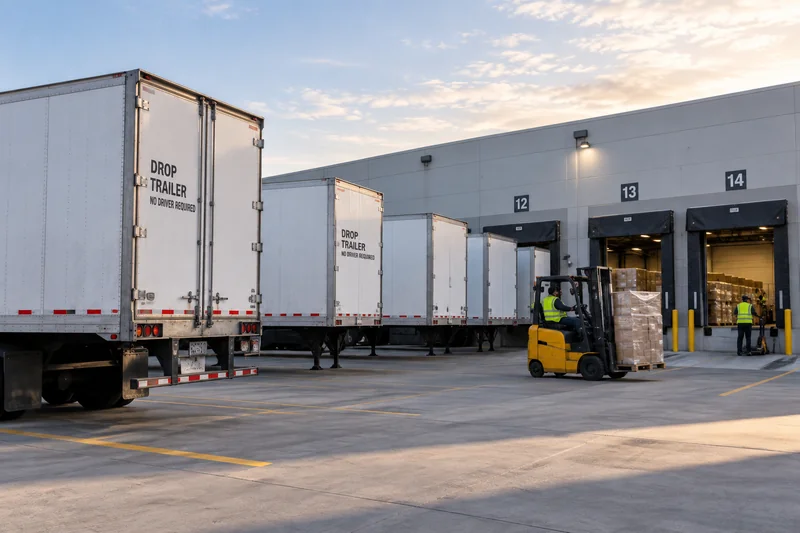
This flexibility can help prevent bottlenecks during busy periods.
It can also improve trailer availability when the program is managed properly. Empty trailers can be positioned before they are needed, and loaded trailers can be picked up once they are ready.
For shippers with regular freight volume, this can create a smoother routine and reduce last-minute transportation problems.
How Do Drop Trailers Help Drivers Stay Within Hours of Service Rules?
Commercial drivers have limits on how long they can drive and remain on duty. These limits are known as Hours of Service, or HOS, rules.
Waiting at a shipper or receiver can use part of a driver’s available workday even when the truck is not moving.
That matters because a driver who loses several hours waiting at a dock may have less legal driving time available for the rest of the route.
A drop trailer program can reduce this problem by allowing the driver to leave instead of waiting through the full loading or unloading process.
For example, if a driver has only a few hours of available driving time left, spending two or three hours at a warehouse could affect the next delivery. Dropping the trailer may allow the driver to continue the route sooner and use the remaining hours more effectively.
What Costs and Fees Can Come With a Drop Trailer Program?
A drop trailer program can reduce waiting time, but it can also create extra costs if the trailer stays at a facility longer than planned. The exact charges depend on the carrier, contract, location, trailer type, and length of the delay.
Common extra costs may include layover fees, detention charges, trailer use fees, storage-related charges, or costs caused by missed pickup windows.
For budget-conscious shippers, the key is to understand these terms before booking. A drop trailer can save money when the schedule is managed well, but poor planning can cancel out those savings.
What Is a Layover Fee and When Can It Apply?
A layover fee may apply when a driver or trailer is delayed for a longer period than expected, often overnight or into the next day.
For example, a trailer is scheduled to be ready for pickup on Tuesday afternoon. The warehouse does not finish loading until Wednesday morning. If the delay affects the carrier’s schedule, a layover charge may apply.
The exact amount varies by carrier and agreement, so shippers should not assume there is one standard rate.
Layover fees are more likely when:
- the trailer is not ready at the agreed pickup time;
- the facility closes before loading or unloading is complete;
- paperwork delays prevent the trailer from leaving;
- the carrier has to change the driver’s schedule because of the delay.
For a small shipper trying to keep costs under control, even one unexpected layover can make a noticeable difference in the final transportation bill.
What Is a Detention Fee and How Is It Different From a Layover Fee?
A detention fee usually applies when a driver has to wait at a facility longer than the agreed free time.
For example, a driver arrives for a scheduled pickup at 10:00 a.m. The shipment is not ready, and the driver waits several hours before leaving. After the free waiting period ends, detention charges may begin.
The main difference is the length and type of delay.
Detention usually refers to extra waiting time during the same pickup or delivery appointment. Layover usually involves a longer delay that may push the move into another shift or another day.
In a true drop trailer setup, driver detention may be less common because the driver leaves the trailer behind. However, detention can still happen during the actual drop or pickup if the facility is not ready, access is blocked, paperwork is missing, or the driver cannot complete the move quickly.
That is why the terms of the agreement matter.
How Can Shippers Reduce Drop Trailer Fees and Avoid Extra Charges?
The easiest way to control extra fees is to plan around the trailer’s agreed schedule.
Before the trailer arrives, confirm that the facility has enough yard space, labor, equipment, and dock access. Make sure the team knows when the trailer must be ready for pickup.
A few simple steps can help:
- confirm drop and pickup times in advance;
- prepare paperwork before the driver arrives;
- keep the loading area accessible;
- avoid leaving finished trailers in the yard longer than necessary;
- tell the carrier early if there is a delay;
- understand how much free time is included in the agreement.
For example, if your team knows it needs six hours to load a trailer, do not schedule pickup four hours after delivery. Building a realistic window into the plan is usually cheaper than paying for last-minute delays.
Good communication also matters. If a warehouse sees that loading will run late, contacting the carrier early may make it easier to adjust the pickup without creating a larger problem.
Can a Drop Trailer Program Lower the Total Cost of Shipping?
Yes, it can, but only when the operation fits the shipment.
The savings usually come from reducing driver waiting time, improving labor planning, and avoiding repeated schedule disruptions. A shipper may also be able to load during normal working hours instead of paying overtime to meet a tight live-load appointment.
For example, consider a warehouse that regularly needs two or three hours to prepare each shipment. If drivers wait every time, the shipper may face detention costs and the carrier may build that lost time into future rates. A drop trailer program can remove much of that waiting.
However, a drop trailer is not automatically cheaper.
If the trailer sits unused for too long, if the facility has limited space, or if pickup dates are frequently missed, extra charges can increase the total cost.
When Does a Drop Trailer Program Make Sense?
A drop trailer program works best when a shipper needs more flexibility and has enough freight volume to justify keeping a trailer on site for a period of time.
It can be especially useful for warehouses that regularly deal with busy docks, limited labor, or unpredictable loading times. Instead of forcing the warehouse team to work around a driver's arrival, the trailer can stay at the facility until it is ready.
This setup can also help when a company wants to reduce detention risk and avoid paying for driver waiting time. But it is not a good fit for every shipment. The type of cargo, available yard space, pickup schedule, and total cost all matter.
What Types of Shipments Work Best With Drop Trailers?
Drop trailers are a good match for shipments that do not need to move immediately after loading.
They are often useful for regular freight moving from the same warehouse or distribution center. If a shipper sends several loads each week, having a trailer available on site can make the process more predictable.
This setup may also work well for:
- non-perishable freight;
- palletized goods;
- automotive parts;
- packaged products;
- recurring warehouse-to-warehouse shipments;
- freight that takes longer to load;
- facilities with enough secure yard space.
For example, a company shipping automotive parts may need several hours to organize pallets, verify quantities, and prepare paperwork. With a live load, a driver may spend that time waiting. With a drop trailer, the warehouse can finish the work without that pressure.
The more predictable the freight volume is, the easier it is to manage a drop trailer program efficiently.
When Is a Drop Trailer Program Not the Best Choice?
A drop trailer may not make sense when speed is more important than flexibility.
It can also be a poor fit when the shipper has very low freight volume. If a trailer sits unused for long periods, any savings from reduced driver waiting may disappear.
Other situations where a drop trailer may not be the best option include:
- the facility has very limited yard space;
- the cargo requires constant monitoring;
- the shipment needs immediate pickup;
- trailer availability is limited;
- the shipper cannot guarantee a clear pickup schedule;
- the location has security concerns.
For example, a small business that ships only one load every few weeks may not need a dedicated trailer sitting on site. A live-load appointment could be simpler and more cost-effective.
The goal should not be to use a drop trailer because it sounds more flexible. It should be used when that flexibility actually reduces time or cost.
Are Drop Trailers a Good Option for Time-Sensitive or Perishable Freight?
Usually, they are not the first choice for highly time-sensitive freight.
A drop trailer may stay at a facility for several hours or longer before it is picked up. That is fine for many types of dry freight, but it can create risk when delivery deadlines are strict.
Perishable freight can be even more sensitive. Food, temperature-controlled products, and other goods with a short usable life may require faster handling and closer monitoring.
Refrigerated drop trailers can be used in some operations, but they require more planning. The shipper needs to consider temperature control, fuel, trailer monitoring, and pickup timing.
For urgent freight, a live load may be safer because the trailer leaves as soon as loading is complete.
For example, if a shipment must reach the next facility by the same evening, leaving the trailer in a yard for an uncertain period may create unnecessary risk.
What Should Budget-Conscious Shippers Check Before Choosing This Option?
The cheapest option is not always the one with the lowest base rate. Shippers should look at the full cost of the operation.
Before choosing a drop trailer program, check:
- how long the trailer can stay on site;
- whether there are trailer use or storage fees;
- what happens if pickup is delayed;
- whether detention or layover charges can still apply;
- how much yard space is required;
- how often shipments will move;
- whether the freight can safely wait;
- how quickly the carrier can provide a replacement trailer.
It is also important to compare the drop trailer option with a normal live load.
For example, if live loading usually takes only 30 minutes, a drop trailer may not save much. But if drivers regularly wait three hours, the drop trailer setup may reduce both delays and extra charges.
How Can You Decide If a Drop Trailer Program Is Right for Your Shipment?
A drop trailer program is worth considering when it solves a real scheduling problem. The best fit usually depends on how often you ship, how long loading takes, how much yard space you have, and how strict your delivery deadlines are.
For some shippers, the biggest benefit is avoiding driver wait time. For others, it is being able to load a trailer gradually during normal warehouse hours. But if freight volume is low or the trailer may sit for too long, a live-load shipment may be simpler and cheaper.
A good decision comes from comparing both options based on total cost, not just the linehaul rate.
What Questions Should You Ask a Carrier Before Using a Drop Trailer Program?
Before agreeing to a drop trailer setup, ask the carrier for clear terms.
Important questions include:
- How long can the trailer stay at the facility?
- Is there free time before extra charges begin?
- Are there trailer rental, storage, detention, or layover fees?
- How much notice is needed before pickup?
- What happens if the trailer is not ready on time?
- How quickly can another empty trailer be delivered?
- Who is responsible for trailer security while it is on site?
- Are there minimum shipment volumes for the program?
These details matter because a low shipping rate can become expensive if extra fees are added later.
For example, a small shipper may expect to load a trailer in one day but actually need three days. If the carrier charges for extended trailer use, that delay may erase the savings.
Getting the rules in writing before the first shipment makes it easier to avoid surprises.
How Can Better Planning Help You Save on Transportation Costs?
Planning is one of the easiest ways to reduce unnecessary shipping costs.
Start by looking at your actual loading time. If your team usually needs several hours, do not schedule pickup too early. Give the warehouse enough time to prepare the freight without creating a delay.
It also helps to coordinate labor, dock space, and paperwork before the trailer arrives.
For example, if a warehouse knows that a trailer will arrive Monday morning, the team can plan to load it during the day and request pickup Tuesday morning. That is much better than waiting until Tuesday to discover that the freight is still not ready.
Regular communication with the carrier can also prevent expensive problems. If a delay is expected, giving notice early may allow the pickup schedule to be adjusted.
For budget-conscious shippers, small improvements like this can make a big difference over multiple shipments.
How Can YK Freight Help You Choose the Right Shipping Setup?
YK Freight can help evaluate whether a drop trailer program, live load, or another shipping setup makes more sense for your freight.
The right choice depends on shipment frequency, loading time, equipment needs, destination, available yard space, and budget.
For example, if your facility regularly keeps drivers waiting for two or three hours, a drop trailer may improve efficiency. If your freight is ready immediately and moves only occasionally, a live load may be more practical.
YK Freight can help review these factors before the shipment is booked, explain possible extra charges, and build a transportation plan around your schedule.
Further Reading
What is Power Only Freight?
What is a Power Only Truck? Save Time & Money on Trailer Shipping
What Is a Dry Van? The Ultimate Guide to Freight Transportation
How to Find Dedicated Load


ASK YOUR QUESTIONS