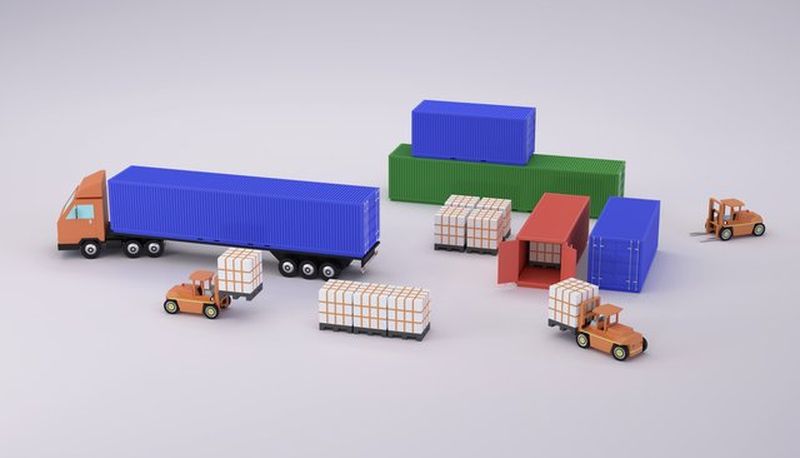
Managing vehicle logistics means balancing shipping costs, timing, carrier availability, and unexpected delays. This guide explains five key logistics management challenges, how they can affect vehicle shipping costs, and what you can do to avoid unnecessary expenses, plan transportation more efficiently, and keep your shipment within budget.
Table of Content:
- What Are the Biggest Logistics Management Challenges Today?
- What Are the 5 Key Logistics Management Challenges?
- How Do These Logistics Challenges Affect Vehicle Shipping Costs?
- How Can Logistics Management Challenges Be Overcome?
- How Can You Make Vehicle Shipping More Predictable and Cost-Effective?
What Are the Biggest Logistics Management Challenges Today?
Modern logistics is a balancing act between cost, speed, reliability, and customer expectations. Businesses need to move goods efficiently while dealing with changing fuel prices, limited transportation capacity, traffic, weather, regulations, and unexpected delays.
For customers, these challenges often become visible through the final shipping price. A route change, an extra day of storage, a missed pickup window, or poor coordination between different companies can all increase the total cost.
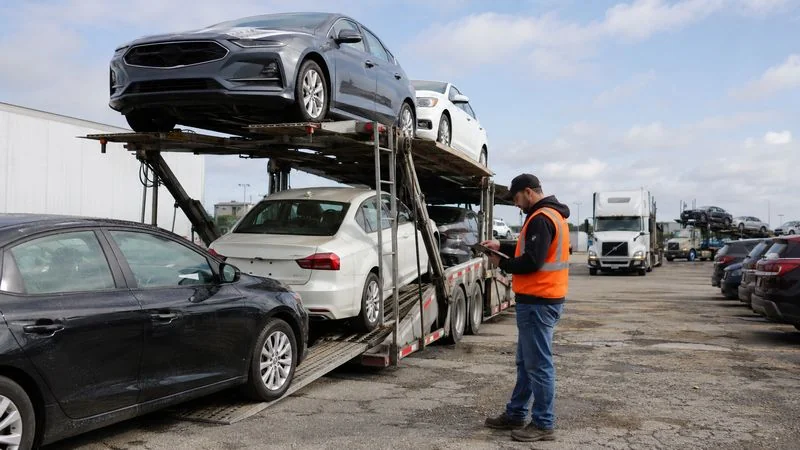
This is especially important for people shipping vehicles on a limited budget. Saving money is not simply about finding the lowest initial quote. The real goal is to organize transportation efficiently enough to avoid unnecessary expenses along the way.
The five major logistics management challenges are:
- meeting customer service expectations;
- controlling transportation costs;
- planning for delays and other risks;
- coordinating carriers, suppliers, and logistics partners;
- complying with government and environmental regulations.
These challenges are closely connected. Poor planning can cause a delay, the delay can create additional costs, and poor communication can leave the customer unaware of what happened or how much more they may have to pay.
Good logistics management addresses these issues as one connected process rather than treating each problem separately.
Why Is Logistics Management Especially Important for Vehicle Shipping?
Vehicle transportation requires more coordination than simply moving a car from one location to another. Pickup availability, carrier schedules, equipment requirements, delivery windows, route conditions, and vehicle characteristics can all affect how the shipment is handled.
Consider someone who buys an affordable vehicle at an auction to stay within a tight overall budget. The purchase price may look attractive, but transportation is another major part of the total cost. If the pickup is poorly coordinated and the vehicle remains at the location longer than expected, additional storage charges may reduce the savings from buying the car cheaply.
The condition of the vehicle matters as well. A running vehicle is generally easier to load than one that cannot move under its own power. A damaged or non-running vehicle may require special equipment or additional coordination. Providing accurate information before arranging transportation helps the logistics provider select an appropriate solution and reduces the risk of surprises during pickup.
Distance is only one factor in shipping costs. Carrier availability, pickup and delivery locations, route popularity, timing, vehicle size and condition, and current transportation demand can also influence the price.
This is why logistics management matters for budget-conscious customers. Good planning helps identify potential problems before they turn into additional expenses. It can also create opportunities to use more efficient routes, coordinate pickups better, and avoid paying for unnecessary urgency.
The cheapest transportation option on paper is not always the least expensive option in the end. A reliable logistics process should focus on the total shipping cost, not just the initial transportation quote.
What Are the 5 Key Logistics Management Challenges?
Every shipment involves multiple moving parts. Even when a route looks straightforward, a logistics manager may need to coordinate customers, drivers, carriers, pickup locations, delivery locations, schedules, regulations, and changing road conditions.
For vehicle transportation, these responsibilities become particularly important because delays can quickly translate into additional expenses. Understanding the most common logistics challenges can help customers see why prices change, why accurate information matters, and where better planning can save money.
1. How Can Logistics Companies Meet Rising Customer Service Expectations?
Customers increasingly expect to know what is happening with their shipment from pickup to delivery. They want clear pricing, realistic delivery expectations, timely updates, and quick answers when something changes.
At the same time, customers do not necessarily want to pay more for this level of service. This creates a basic logistics challenge: providing better visibility and communication while keeping transportation affordable.
Vehicle shipping provides a good example. Imagine that you purchased a car at an auction and need it transported several hundred miles. You may want to know when a carrier will be assigned, when the vehicle will be picked up, whether there has been a delay, and approximately when it will arrive.
Silence creates uncertainty. If a pickup date changes and nobody communicates the change, the customer may not know whether storage charges are accumulating or whether another arrangement is needed.
Good customer service therefore goes beyond answering phone calls. It requires accurate information throughout the transportation process.
Clear communication also helps control costs. When customers provide the correct pickup details, delivery address, vehicle condition, contact information, and timing requirements from the beginning, logistics teams can plan the shipment more accurately.
2. How Can Transportation Costs Be Controlled Without Sacrificing Service?
Transportation cost is one of the biggest logistics management challenges because many of its components can change.
Fuel prices are an obvious example. When diesel becomes more expensive, operating a truck costs more. Those increases can eventually affect freight rates and the price customers pay.
But fuel is only part of the equation. Transportation costs can also be influenced by:
- distance and route;
- carrier availability;
- current demand;
- tolls and operating expenses;
- pickup and delivery accessibility;
- vehicle size and condition;
- required equipment;
- scheduling flexibility;
- waiting time and delays.
The challenge is reducing unnecessary costs without choosing an unreliable transportation option simply because it has the lowest advertised price.
For example, suppose two transportation options differ slightly in price. The cheaper carrier cannot pick up the vehicle for several days, while the other option can collect it sooner. If the vehicle is accumulating storage charges, waiting for the lowest transportation rate could actually make the total shipment more expensive.
Logistics managers therefore need to consider the complete cost of the shipment rather than the carrier rate alone.
Flexibility can also create savings. A customer who requires immediate pickup may have fewer available carriers to choose from. Someone with a wider pickup window may provide the logistics team with more opportunities to match the vehicle with an efficient route.
Shipment consolidation is another way transportation companies can improve efficiency. When compatible shipments can be coordinated along the same or similar routes, truck capacity can be used more effectively.
For budget-conscious customers, the important question is not simply, “What is the cheapest rate?” It is, “What transportation option gives me the lowest reasonable total cost without creating unnecessary risk?”
3. How Can Better Planning Reduce Delays and Unexpected Shipping Costs?
Logistics rarely operates exactly according to the original plan. Traffic, weather, equipment problems, schedule changes, unavailable vehicles, incorrect addresses, and limited carrier capacity can all affect a shipment.
Good logistics management assumes that some uncertainty will exist.
Planning starts with accurate information. Before arranging vehicle transportation, the logistics team should know where the vehicle is located, where it needs to go, whether it runs, whether special loading equipment may be required, and whether there are pickup restrictions or deadlines.
Small mistakes at this stage can create larger problems later.
For example, a customer may describe a vehicle as running even though it cannot be driven onto the transporter. If the assigned carrier arrives without the equipment needed to load a non-running vehicle, the pickup may fail. Another truck may then need to be arranged, creating delays and potentially additional costs.
Timing matters too. Waiting until the last possible day to arrange transportation leaves fewer options if something goes wrong.
Planning ahead gives logistics managers more room to compare available transportation options, coordinate routes, respond to changes, and reduce unnecessary urgency.
Risk management is therefore not about predicting every possible problem. It is about identifying the most likely problems and having enough flexibility to respond without allowing one disruption to affect the entire shipment.
For someone shipping a vehicle on a tight budget, this can make a meaningful difference. Preventing one failed pickup or several days of unnecessary storage may save more money than finding a slightly cheaper initial freight rate.
4. Why Are Strong Carrier, Supplier, and Partner Relationships So Important?
Logistics depends on cooperation between multiple parties. A transportation company may need to communicate with customers, carriers, drivers, auction facilities, storage yards, warehouses, ports, and other logistics partners.
If those parties work with different information or expectations, delays become much more likely.
Simple details can cause problems. A driver may arrive outside the permitted pickup hours. A vehicle may require an appointment before it can be released. The pickup location may have special procedures that were not communicated in advance. A contact number may be incorrect.
Each mistake consumes time, and in logistics, time often has a cost.
Strong working relationships make coordination easier. Logistics providers that communicate regularly with carriers and other partners can establish clearer expectations regarding schedules, vehicle information, pickup requirements, documentation, and delivery procedures.
Reliability matters just as much as price when selecting transportation partners. An unusually low rate has little value if the carrier repeatedly cancels pickups, misses appointments, or fails to communicate.
For the customer, these relationships may not always be visible. However, they can directly influence how smoothly a vehicle moves from pickup to delivery.
This is one reason working with an experienced logistics company can be useful. Instead of the customer trying to coordinate every participant independently, companies such as YK Freight can help organize transportation and communication between the parties involved.
5. How Do Government and Environmental Regulations Affect Logistics Costs?
Transportation companies operate under federal, state, and local requirements. These rules affect drivers, trucks, equipment, operating hours, vehicle weights, safety procedures, emissions, and many other parts of transportation.
Compliance is necessary, but it also carries costs.
Carriers need to maintain vehicles and equipment, follow safety requirements, manage driver hours, maintain required documentation, and comply with applicable operating rules. Environmental regulations can also influence trucking operations through emissions standards, anti-idling rules, and other requirements.
Some regulations can affect route planning directly. Weight restrictions, truck limitations, local access rules, or equipment requirements may prevent a carrier from simply choosing the shortest route between two points.
These factors become part of the carrier's operating expenses and can ultimately influence transportation rates.
Customers shipping vehicles may never see most of these costs individually on a quote. That does not mean they do not exist. They are part of the broader economics behind moving a vehicle safely and legally.
Regulations can also vary by location, which makes planning important for longer or more complicated routes. A transportation solution that works for one shipment may not be appropriate for another.
For customers trying to keep vehicle shipping affordable, understanding this helps put transportation prices into perspective. A legitimate shipping rate needs to cover more than fuel and mileage. It also needs to support the equipment, labor, insurance, compliance, and coordination required to complete the shipment properly.
How Do These Logistics Challenges Affect Vehicle Shipping Costs?
Vehicle shipping prices are influenced by much more than mileage. Two cars traveling the same distance can have different transportation costs because the conditions surrounding each shipment are different.
Fuel prices, carrier availability, route demand, vehicle condition, pickup requirements, delivery location, timing, and unexpected delays can all affect the final price. Some of these factors are outside the customer's control, but others can be managed through better planning.
This distinction is particularly important when you are shipping a vehicle on a limited budget. A low initial quote may look attractive, but it does not necessarily mean the shipment will have the lowest total cost.
For example, imagine you purchase an inexpensive vehicle at an auction. You choose the lowest transportation offer to save $100, but the pickup is delayed for several days. If the auction or storage facility charges daily storage fees, those additional expenses could quickly eliminate your original savings.
Looking at the entire transportation process—not just the quoted carrier rate—can help you make a more cost-effective decision.
Why Can Fuel Prices, Route Changes, and Delays Make Car Shipping More Expensive?
Fuel is one of the largest operating expenses in trucking. When diesel prices rise, carriers spend more to move the same vehicle over the same distance. These increases can eventually be reflected in transportation rates.
However, mileage and fuel consumption are only part of the calculation.
The route itself matters. Popular transportation lanes generally have more regular truck traffic and may offer carriers better opportunities to combine multiple shipments. Remote or less frequently served locations can be more difficult to fit into an existing route.
Suppose a vehicle needs to be picked up in an area far from major highways and delivered to another low-demand location. A carrier may need to drive additional miles without another paying vehicle on part of the route. That makes the shipment less efficient and can increase the rate.
Route changes can create similar problems.
Road closures, severe weather, construction, traffic restrictions, or other disruptions may force a driver to take a longer route. Additional miles mean additional fuel, driving time, and operating expenses.
Delays can be expensive as well. A truck generates revenue when it is moving and completing deliveries. If a driver spends hours waiting at a pickup location because the vehicle is not ready, the schedule for other pickups and deliveries may also be affected.
Customers cannot control fuel prices or prevent every road closure. They can, however, provide accurate information, choose realistic pickup windows, and avoid unnecessary last-minute transportation whenever possible.
How Can Poor Planning Lead to Storage, Waiting, and Other Extra Charges?
One of the easiest ways for an affordable vehicle shipment to become expensive is through avoidable delays.
This is particularly relevant when a vehicle is being transported from an auction, storage facility, port, or another location where free storage time may be limited.
Imagine that you win a vehicle at an auction and wait several days before arranging transportation. By the time a carrier is found and a pickup can be scheduled, storage charges may already be accumulating.
The shipping rate itself did not increase. The total cost of moving the vehicle did.
Poor planning can create additional expenses in other ways.
A driver may arrive but be unable to collect the vehicle because the necessary release information is missing. The facility may require an appointment that was never scheduled. Pickup hours may have changed. The vehicle may have been described as running when it actually requires special loading equipment.
A failed pickup can mean more than inconvenience. The carrier has already spent time and fuel reaching the location, and another pickup may need to be arranged.
Waiting until the last minute can also reduce your choices.
If a vehicle must be collected immediately, the logistics provider has to find a carrier that is available at that specific time and place. There may be fewer opportunities to compare options or coordinate the vehicle with an existing route.
Budget-conscious customers can reduce these risks by preparing early. Confirm the pickup deadline, vehicle condition, release requirements, location details, and any special instructions before transportation is scheduled.
Spending a few minutes checking these details can be much cheaper than fixing a failed pickup later.
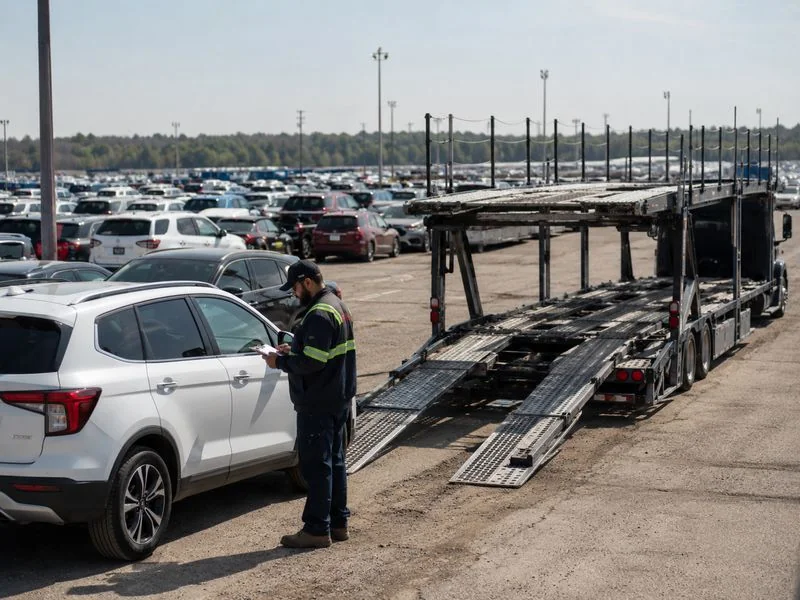
How Can Shipment Consolidation Help Keep Transportation Costs Down?
A truck has limited space, and carriers generally want to use that space as efficiently as possible. Driving hundreds of miles with unused capacity means that the carrier is still paying for fuel, driver time, insurance, equipment, and other operating expenses without earning revenue from those empty spaces.
Shipment consolidation can help solve this problem.
Instead of treating every vehicle as a completely separate trip, logistics providers can coordinate compatible shipments moving along similar routes. A carrier may pick up several vehicles in the same general region and deliver them along an efficient transportation lane.
Better capacity utilization can reduce the cost per vehicle and make a route more attractive to carriers.
Consider two situations.
In the first, a customer needs a vehicle picked up immediately from a remote location and delivered on a very specific date. The number of carriers that can meet those requirements may be limited.
In the second, the customer has some flexibility. The vehicle can be collected within a reasonable window, allowing the logistics provider to coordinate it with other vehicles traveling in the same direction.
The second shipment may offer more opportunities for efficient carrier matching.
Consolidation does not mean every flexible shipment will automatically become cheaper. Rates still depend on distance, location, demand, vehicle condition, and carrier availability. However, flexibility gives logistics managers more options to find an efficient solution.
For customers focused on saving money, this can be an important trade-off. If the vehicle does not need to arrive on a specific day, allowing a reasonable transportation window may be more cost-effective than paying for unnecessary urgency.
Why Does Choosing the Right Logistics Partner Matter When Shipping on a Budget?
When your budget is limited, it is tempting to choose a transportation provider based entirely on the lowest quote.
Price matters, but the cheapest initial offer can become expensive if the shipment is poorly coordinated.
A good logistics partner should help you understand what is included in the transportation process, what information is required, and which factors could affect the final cost. Clear communication is especially valuable when a vehicle is coming from an auction, storage yard, port, or another location with specific pickup procedures.
Experience also matters when something changes.
A carrier may cancel. Weather can disrupt a route. A pickup facility may have limited hours. A non-running vehicle may require different equipment than originally expected. Logistics management becomes most valuable when the original plan no longer works perfectly.
For someone shipping a lower-cost vehicle, avoiding extra charges is particularly important. There is little benefit in saving hundreds or thousands of dollars on the purchase if inefficient transportation adds unnecessary costs afterward.
The right logistics partner should therefore look beyond the lowest carrier rate and consider the entire shipment.
YK Freight helps coordinate vehicle transportation with attention to routing, scheduling, carrier communication, and pickup requirements. The goal is to find a practical transportation solution while reducing avoidable delays and unnecessary expenses.
How Can Logistics Management Challenges Be Overcome?
Most logistics challenges cannot be eliminated completely. Fuel prices change, traffic happens, carriers adjust their schedules, and unexpected problems can appear during transportation. What logistics companies can do is reduce the effect of these problems through better communication, planning, and coordination.
For vehicle shipping, this means looking at the entire transportation process before the vehicle starts moving. The pickup location, delivery destination, vehicle condition, schedule, carrier availability, and possible additional costs should all be considered.
This approach is especially valuable for customers with limited budgets. Preventing a failed pickup, avoiding unnecessary storage, or finding a more efficient route can sometimes produce greater savings than simply choosing the lowest initial shipping quote.
The goal of good logistics management is therefore not to promise that nothing will go wrong. It is to reduce avoidable problems and respond efficiently when circumstances change.
How Does Clear Communication Prevent Delays and Unexpected Costs?
Many transportation problems begin with something simple: incomplete or incorrect information.
A carrier needs accurate details before arriving for pickup. This includes the vehicle location, contact information, pickup hours, vehicle condition, release requirements, and any restrictions at the facility.
Consider a vehicle purchased at an auction. The buyer arranges transportation but forgets to provide the information required for the auction to release the car. The truck arrives, but the driver cannot complete the pickup.
Now several problems can occur at once. The carrier loses time, another pickup may need to be scheduled, and the vehicle may remain at the facility long enough to accumulate additional storage charges.
The same problem can happen when the condition of a vehicle is described incorrectly. If a car does not run but the carrier expects to drive it onto the trailer, the driver may arrive without the appropriate loading equipment.
Good communication reduces these risks.
Before pickup, the logistics provider and customer should confirm important shipment details, including:
- exact pickup and delivery locations;
- correct contact information;
- available pickup hours;
- vehicle year, make, and model;
- whether the vehicle runs and moves;
- known damage that could affect loading;
- release or pickup requirements;
- important deadlines or scheduling restrictions.
Communication should continue after transportation begins. If the schedule changes, the customer should receive realistic information rather than being left to guess where the vehicle is or when it will arrive.
Fast communication is particularly important when a problem requires a decision. A small delay can become a larger and more expensive issue when nobody responds to it.
How Can Route and Shipment Planning Improve Transportation Efficiency?
Efficient vehicle transportation begins before a truck reaches the pickup location.
Logistics teams consider where the vehicle is located, where it needs to go, which carriers operate in that area, how much capacity is available, and how the shipment can fit into an efficient route.
The shortest route on a map is not necessarily the most practical transportation route.
A carrier may already have several vehicles scheduled along a nearby corridor. Adding another compatible vehicle to that route can make more sense than sending a truck specifically for one shipment. In other cases, a remote pickup may require the carrier to travel significantly away from its normal route.
This is why location affects transportation costs in ways that mileage alone cannot explain.
Timing is another important factor.
Customers who can provide a reasonable pickup window may give logistics managers more opportunities to coordinate their vehicles with available carriers. A strict same-day or next-day requirement can significantly reduce those options.
For example, suppose a customer needs to move a vehicle 600 miles but does not need it delivered immediately. Waiting for a carrier already traveling in the appropriate direction may be more efficient than trying to arrange a truck specifically for that vehicle.
Planning also means preparing for potential obstacles.
Weather forecasts, road restrictions, pickup schedules, carrier capacity, and facility requirements can all influence how a shipment should be organized. Not every disruption can be predicted, but identifying obvious risks early gives the logistics team more time to respond.
For customers, flexibility can be a useful money-saving tool. When delivery is not urgent, allowing more scheduling flexibility may create additional opportunities for efficient carrier matching.
How Can Logistics Companies Reduce Carrier Costs?
Transportation companies have many operating expenses. Fuel, insurance, equipment, maintenance, driver compensation, tolls, permits, and compliance requirements all contribute to what it costs to operate a truck.
A logistics company cannot simply remove these expenses. Instead, the goal is to make transportation more efficient.
One of the most important ways to do this is by reducing empty miles.
If a carrier drives a long distance without a paying load, the truck still consumes fuel and the driver still spends time on the road. Those costs need to be recovered through other shipments.
Better load and route coordination can help carriers use their available capacity more effectively.
Shipment consolidation can also play a role. When several compatible vehicles are moving between similar regions, combining them into an efficient route can make better use of trailer space.
Another important factor is reducing waiting time.
A truck sitting for hours at a pickup location is not completing other pickups or deliveries. Making sure the vehicle is ready, the paperwork is available, and the driver has the correct instructions can help keep the transportation process moving.
Reliable information can therefore contribute indirectly to lower costs.
Logistics companies can also compare available carriers instead of automatically assigning every shipment to the first available truck. Price, route compatibility, equipment, reliability, timing, and capacity all need to be considered together.
For customers trying to save money, flexibility can once again be valuable. If pickup does not need to happen immediately, there may be more time to find a carrier whose existing route fits the shipment.
However, waiting is not always the cheaper choice. If a vehicle is accumulating daily storage charges, paying slightly more for an earlier pickup may result in a lower total cost.
That is why transportation costs should always be considered as part of the complete shipment rather than as an isolated number.
How Does YK Freight Help Coordinate Vehicle Transportation More Efficiently?
Vehicle transportation can involve several parties, and coordinating them independently can be difficult for someone who does not work with freight every day.
YK Freight helps organize the transportation process by connecting the information needed for pickup, carrier coordination, routing, and delivery.
The process starts with understanding the shipment. Where is the vehicle located? Where is it going? Is it running? Are there pickup restrictions? Is there a deadline? Does the location have specific release procedures?
Answering these questions early helps reduce uncertainty before a carrier is assigned.
Carrier coordination is another important part of the process. The lowest available rate is not automatically the best option if the carrier cannot meet the pickup requirements or the route does not make sense.
Instead, the transportation solution should balance price, timing, route efficiency, equipment requirements, and reliability.
This can be particularly useful for auction vehicles. Buyers may be focused on finding a good deal on the car itself and may not realize how quickly storage or failed pickup costs can reduce those savings.
For example, paying a little more for a carrier that can collect the vehicle before storage charges begin may be more economical than waiting several days for a cheaper truck.
YK Freight can also help customers understand which shipment details need to be provided before transportation is arranged. Accurate information about vehicle condition, location, availability, and special requirements makes it easier to match the shipment with an appropriate carrier.
For customers working with a limited transportation budget, the objective is simple: avoid paying for problems that could have been prevented.
How Can You Make Vehicle Shipping More Predictable and Cost-Effective?
Vehicle shipping will always involve variables that are difficult to control. Fuel prices can change, weather can affect routes, carrier availability can fluctuate, and pickup schedules can shift. However, many expensive problems can be prevented with good preparation.
For budget-conscious customers, this is an important point. Saving money on vehicle transportation does not necessarily mean finding the lowest quote available. A better approach is to reduce the risk of additional charges before they occur.
That means understanding the shipment, providing accurate information, arranging transportation early enough, and keeping some flexibility when possible.
A well-planned shipment is usually easier for everyone involved. The carrier knows what to expect, the pickup location has the necessary information, and the customer has a clearer idea of the likely transportation process.
What Should You Check Before Arranging Vehicle Transportation?
Before requesting transportation, collect as much accurate information about the vehicle and shipment as possible. Small details that seem unimportant can affect the type of carrier required, pickup scheduling, or final transportation cost.
Start with the vehicle itself.
Confirm the year, make, and model and check whether the vehicle is operational. If it has significant damage, identify anything that could make loading more difficult.
A non-running vehicle does not necessarily create a major transportation problem, but the carrier needs to know about it before arriving. The appropriate loading equipment may be required. Describing the vehicle accurately helps avoid a situation where a truck arrives but cannot load it.
Next, verify the pickup information.
Make sure you have the correct address, contact details, business hours, and any instructions required to release the vehicle. If the car was purchased at an auction, confirm when it becomes available for pickup and whether there is a deadline before storage fees begin.
Before scheduling transportation, it is useful to check:
- the exact pickup and delivery addresses;
- vehicle year, make, and model;
- whether the vehicle runs and moves;
- whether damage affects loading;
- pickup location hours;
- required release information or documents;
- the last day of free storage, when applicable;
- any appointment requirements;
- contact information at pickup and delivery;
- whether there are access restrictions for large trucks.
Delivery conditions matter too. A large vehicle transporter may not be able to enter every residential street, apartment complex, or restricted area. In some cases, meeting the carrier at a nearby accessible location can make delivery easier.
The more accurate this information is at the beginning, the easier it becomes to estimate the transportation requirements and reduce the chance of unexpected costs later.
How Can Flexible Timing and Better Planning Help You Save Money?
Timing can have a significant effect on vehicle shipping costs.
Customers sometimes assume that requesting the fastest possible pickup is always the best option. That may be necessary when storage charges are accumulating or the vehicle must be moved urgently, but immediate transportation can also limit the number of available carriers.
Giving the logistics provider a reasonable pickup window can create more options.
For example, imagine a carrier is already scheduled to travel from the pickup region toward your destination later in the week. If your vehicle can wait a short time without accumulating storage fees, it may be possible to fit the shipment into that carrier's existing route.
If you require pickup the same day, that option disappears.
However, flexibility should always be balanced against other costs.
Suppose waiting three additional days could save $100 on the carrier rate, but the storage facility charges for every additional day. In that situation, waiting for cheaper transportation may not save money at all.
This is why customers should consider the total transportation cost, including expenses that can occur before the vehicle even gets on the truck.
Planning early provides more time to make that comparison.
If you know when the vehicle will become available, transportation can be discussed before the final pickup deadline. This gives the logistics provider more time to review carrier availability and route options instead of trying to solve the shipment at the last minute.
Better planning also gives you time to correct problems.
Missing release information can be obtained. Vehicle condition can be confirmed. Pickup hours can be checked. Special loading requirements can be identified before a carrier is dispatched.
For someone who bought a vehicle because it was affordable, these details matter. Saving $100 on shipping is useful, but avoiding several hundred dollars in preventable storage, waiting, or rescheduling costs can be even more valuable.
Why Can Working With YK Freight Make the Shipping Process Easier?
Arranging vehicle transportation involves more than finding a truck. Someone needs to coordinate the vehicle information, pickup requirements, carrier availability, route, timing, and delivery.
YK Freight helps bring these parts of the process together.
Instead of leaving customers to determine every transportation detail on their own, the team can help identify the information needed to organize the shipment properly. This is particularly useful for customers moving auction vehicles or cars from facilities with specific pickup requirements.
Clear information at the beginning makes it easier to find an appropriate transportation solution.
YK Freight can coordinate with carriers while considering factors such as the pickup and delivery locations, vehicle condition, scheduling requirements, and route efficiency. If circumstances change, having one logistics partner coordinating the shipment can also simplify communication.
This does not mean that every delay can be prevented or that transportation prices will never change. Weather, traffic, fuel costs, carrier availability, and other outside factors remain part of logistics.
The objective is to reduce the problems that can be prevented.
For a customer on a limited budget, that can mean avoiding a failed pickup, reducing unnecessary storage time, selecting a practical transportation window, or finding a carrier whose route fits the shipment more efficiently.
The same principle applies to logistics management as a whole. Customer service, transportation costs, planning, carrier relationships, and regulatory requirements are closely connected. Managing them effectively helps make vehicle transportation more organized, predictable, and cost-conscious.
When you are ready to move a vehicle, providing accurate information and arranging transportation early can make a meaningful difference. YK Freight can help coordinate the process from pickup to delivery and find a practical shipping solution based on your vehicle, route, timing, and budget.
Further Reading
What Is Logistics Management and Why Is It Important?
Building a Resilient Supply Chain: Strategies for Reliable, Cost-Friendly Delivery
Reducing Logistics Costs: Tips from YK Freight Experts
How to Choose the Right TMS System for Your Business: Simple Guide


ASK YOUR QUESTIONS