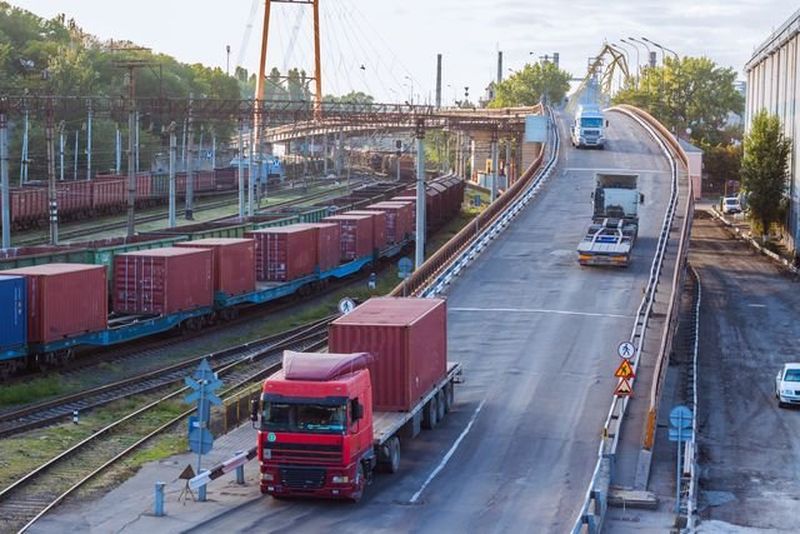
Intermodal transportation combines multiple shipping methods—such as rail and truck—to move freight more efficiently over long distances. For many businesses, it offers a practical way to reduce transportation costs while maintaining reliable service. This guide explains how intermodal shipping works, its key benefits, when it makes sense to use, and how it can help businesses build a more cost-effective supply chain.
Table of Content:
- What Is Intermodal Transportation and How Does It Work?
- What Are the Main Benefits of Intermodal Transportation?
- How Does Intermodal Transportation Compare to Other Shipping Methods?
- What Makes an Intermodal Shipment Successful?
- How Can YK Freight Help You Benefit From Intermodal Transportation?
What Is Intermodal Transportation and How Does It Work?
As transportation costs continue to rise, many businesses are looking for ways to move freight more efficiently without sacrificing reliability. One solution that has become increasingly popular is intermodal transportation.
Intermodal shipping combines multiple transportation methods into a single shipment. Instead of relying entirely on one mode, such as trucking, freight moves through a combination of rail, truck, ocean, or air transportation depending on the route and shipping requirements.
This approach allows businesses to take advantage of the strengths of each transportation mode while helping control costs on long-distance shipments.
What Does Intermodal Transportation Mean in Modern Logistics?
Intermodal transportation refers to moving freight using two or more transportation modes while keeping the cargo inside the same container or trailer throughout most of the journey.
The key advantage is that the freight itself is not repeatedly unloaded and reloaded when changing transportation modes. Instead, the container is transferred between trucks, trains, ships, or other equipment.
For example, a container arriving at the Port of Savannah may first move by truck to a nearby rail terminal. The container is then transported hundreds of miles by rail before being picked up by another truck for final delivery.
Because the cargo remains inside the same container, the risk of handling-related damage is often reduced. This process also helps improve efficiency when moving freight across long distances.
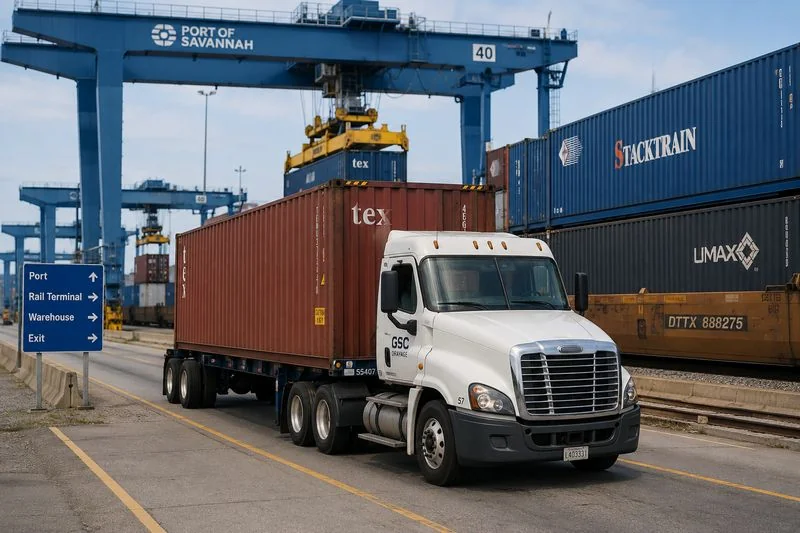
Today, intermodal transportation is widely used by manufacturers, retailers, importers, exporters, and businesses that need cost-effective transportation solutions for large shipments.
How Do Rail, Truck, Ocean, and Air Transportation Work Together?
Each transportation mode offers unique advantages. Intermodal shipping combines these strengths to create an efficient transportation solution.
Truck transportation provides flexibility and door-to-door service. Trucks handle local pickups, deliveries, and short-distance movements that other modes cannot easily provide.
Rail transportation is ideal for moving large volumes of freight over long distances at a lower cost than trucking alone. Rail networks can transport containers efficiently across the country while reducing fuel consumption.
Ocean transportation is commonly used for international freight. Large cargo vessels move thousands of containers between countries and continents at a relatively low cost per shipment.
Air transportation offers the fastest delivery times and is often used for urgent or high-value freight that must arrive quickly.
A typical intermodal shipment may look like this:
- A truck picks up a container from a warehouse.
- The container is transported to a rail terminal.
- A train moves the container across several states.
- Another truck delivers the container to its final destination.
For international shipments, ocean transportation may be added to the process before rail and truck transportation complete the final delivery.
Each mode performs the portion of the journey where it is most efficient, helping reduce overall transportation costs.
Why Is Intermodal Transportation Popular for Long-Distance Freight?
Intermodal transportation becomes especially attractive when freight must travel hundreds or even thousands of miles.
Long-distance trucking can become expensive due to fuel costs, driver availability, equipment expenses, and highway congestion. Rail transportation often provides a more economical alternative for the longest part of the journey.
For example, a buyer purchases several vehicles at an auction in California and needs them shipped to Georgia. Moving the entire shipment by truck may be more expensive than using rail for the cross-country portion and trucks only for pickup and final delivery.
This ability to combine transportation modes often results in:
- Lower transportation costs
- Improved fuel efficiency
- Reduced highway congestion
- Greater equipment availability
- Better capacity during busy shipping seasons
Intermodal transportation is particularly beneficial for freight that is not extremely time-sensitive. If a shipment can allow a few extra transit days, businesses can often achieve meaningful cost savings compared to truck-only transportation.
Many companies also appreciate the predictability of rail schedules. Unlike highway transportation, rail networks are less affected by traffic congestion and driver shortages.
What Are the Main Benefits of Intermodal Transportation?
Intermodal transportation has become an increasingly popular shipping solution because it combines the strengths of multiple transportation modes while helping businesses control logistics expenses. Instead of relying entirely on trucks, intermodal shipping uses a combination of rail, truck, ocean, or other transportation methods to move freight more efficiently.
For many businesses, especially those moving freight across long distances, intermodal transportation offers a practical balance between cost, reliability, and flexibility. Understanding these advantages can help shippers determine whether intermodal transportation is the right solution for their supply chain.
How Can Intermodal Transportation Help Reduce Shipping Costs?
One of the biggest reasons businesses choose intermodal transportation is the potential for lower shipping costs.
Long-distance trucking can be expensive due to fuel prices, driver wages, equipment costs, and highway-related expenses. Rail transportation often costs less for the longest portion of the journey, allowing shippers to reduce overall transportation expenses.
By combining trucks for local pickup and delivery with rail for long-distance movement, businesses can often achieve significant savings compared to truck-only shipping.
For example, a small dealership purchases several vehicles from auctions in the Midwest and needs them transported to Georgia. Instead of paying for a truck to handle the entire route, the shipment may move by rail for most of the distance and only use trucks at the beginning and end of the journey. This approach can lower transportation costs while still providing reliable service.
Intermodal transportation is especially beneficial for:
- Long-distance freight
- High-volume shipments
- Containerized cargo
- Non-urgent freight
- Low- and medium-value goods
For budget-conscious shippers, reducing transportation costs without sacrificing reliability is often the biggest advantage of intermodal shipping.
Why Is Intermodal Shipping a Smart Option for Long-Distance Moves?
The longer a shipment travels, the more attractive intermodal transportation becomes.
Truck transportation works extremely well for regional and short-haul deliveries. However, when freight must move hundreds or thousands of miles, rail transportation often becomes more economical.
Railroads are designed to move large volumes of freight efficiently across long distances. A single train can transport hundreds of containers while consuming less fuel per ton of freight than trucks.
For example, a company importing automotive parts through the Port of Savannah may need to move containers to distribution centers in the Midwest. Using rail for the majority of the trip can significantly reduce transportation costs compared to trucking the entire distance.
Long-distance intermodal transportation also helps businesses maintain predictable shipping budgets because rail pricing is often less affected by fluctuations in fuel prices and driver availability.
When transit time is flexible, intermodal transportation can provide excellent value for long-haul freight movement.
How Can Intermodal Transportation Improve Supply Chain Flexibility?
Supply chain conditions can change quickly. Capacity shortages, weather disruptions, fuel price increases, and seasonal demand spikes can all affect transportation planning.
Intermodal transportation provides businesses with additional options when managing these challenges.
Instead of relying on a single transportation mode, companies can use a combination of trucks, rail, and ocean transportation to build more flexible shipping strategies.
This flexibility allows businesses to:
- Adjust transportation routes when needed
- Improve equipment availability
- Reduce dependence on a single carrier type
- Manage seasonal shipping fluctuations
- Balance cost and transit time requirements
For example, during periods when truck capacity is limited, businesses may shift a larger portion of their freight to rail transportation. This can help maintain shipment flow while avoiding some of the higher costs associated with tight trucking markets.
Many companies also use intermodal transportation to support growth. As shipment volumes increase, combining multiple transportation modes often provides more scalability than relying on trucking alone.
Why Is Intermodal Freight More Environmentally Friendly Than Truck-Only Shipping?
Sustainability has become an increasingly important consideration for many businesses. Intermodal transportation helps reduce environmental impact by taking advantage of the fuel efficiency of rail transportation.
Railroads can move significantly more freight using less fuel compared to trucks transporting the same cargo over the same distance. As a result, intermodal transportation often produces fewer greenhouse gas emissions than truck-only shipping.
This reduction in fuel consumption can provide benefits beyond environmental goals.
Potential advantages include:
- Reduced fuel usage
- Lower carbon emissions
- Less highway congestion
- Improved transportation efficiency
- Reduced wear on public road infrastructure
For example, if a shipment travels 1,500 miles across the country, moving most of that distance by rail instead of truck can significantly reduce fuel consumption while still maintaining reliable delivery.
Many businesses appreciate that intermodal transportation allows them to lower shipping costs and support sustainability initiatives at the same time.
How Does Intermodal Transportation Compare to Other Shipping Methods?
Every transportation mode has strengths and weaknesses. The best shipping solution depends on factors such as distance, budget, delivery deadlines, freight type, and shipment size.
Many businesses automatically choose trucking because it is familiar and widely available. However, rail, ocean, air, and intermodal transportation can sometimes provide better value depending on the shipment.
Understanding how these transportation methods compare can help businesses select the most cost-effective option while meeting their service requirements.
What Are the Advantages and Limitations of Truck Transportation?
Truck transportation remains the most common freight transportation method in North America. It offers flexibility that other transportation modes cannot easily match.
One of the biggest advantages of trucking is door-to-door service. Freight can be picked up directly from a warehouse, dealership, auction yard, or distribution center and delivered directly to the final destination.
Additional advantages include:
- Flexible routing
- Fast regional deliveries
- Broad geographic coverage
- Easy shipment scheduling
- Same-day or next-day delivery options in some areas
For example, if a buyer purchases a vehicle at a local auction and needs it delivered within a few hundred miles, truck transportation is usually the most practical solution.
However, trucking also has limitations.
Challenges may include:
- Higher costs on long-distance routes
- Fuel price fluctuations
- Driver shortages
- Highway congestion
- Capacity shortages during peak seasons
As shipping distances increase, trucking often becomes more expensive than alternative transportation methods such as rail or intermodal transportation.
When Is Rail Transportation More Cost-Effective Than Trucking?
Rail transportation is often the most economical option for moving large volumes of freight over long distances.
Trains can transport hundreds of containers at once, allowing railroads to spread operating costs across a large number of shipments. This efficiency often translates into lower transportation costs for shippers.
Rail transportation is particularly beneficial for:
- Long-distance freight
- Heavy shipments
- Bulk commodities
- Containerized cargo
- Non-urgent freight
For example, a company moving imported auto parts from a port to a distribution center several states away may achieve substantial savings by using rail instead of trucking the entire route.
Rail transportation also offers several additional benefits:
- Improved fuel efficiency
- Reduced highway congestion
- Lower environmental impact
- Reliable scheduled service
However, rail transportation lacks the flexibility of trucking. Trains operate on fixed routes and schedules and cannot provide direct pickup and delivery services. Freight must usually be transferred between rail terminals and trucks to complete the journey.
This is one reason intermodal transportation has become so popular. It combines the cost advantages of rail with the flexibility of trucking.
Why Are Ocean and Air Freight Better for Certain Shipments?
Ocean and air transportation serve specialized roles within the global supply chain.
Ocean freight is often the most economical option for international shipments and large cargo volumes. Shipping containers by sea allows businesses to move substantial amounts of freight at a relatively low cost.
Ocean transportation works best for:
- International trade
- Large shipment volumes
- Heavy freight
- Non-urgent cargo
- Imported and exported goods
For example, thousands of vehicles, automotive parts, and containers enter U.S. ports every day through ocean transportation.
The primary drawback is transit time. Ocean freight can take weeks to reach its destination, making it unsuitable for urgent shipments.
Air freight offers the opposite advantage.
Air transportation provides:
- Fast delivery
- Reliable transit times
- Global reach
- Reduced inventory delays
For example, a manufacturer waiting for a critical automotive component to avoid a production shutdown may choose air freight despite the higher cost.
The main disadvantage is price. Air freight is usually the most expensive transportation option and is rarely practical for heavy, bulky, or low-value shipments.
When Does Intermodal Transportation Offer the Best Overall Value?
Intermodal transportation often delivers the best balance between cost, efficiency, and reliability.
Rather than relying on a single transportation mode, intermodal shipping combines the advantages of multiple modes to create a more effective solution.
In many cases, trucks handle local pickup and final delivery while rail transportation handles the longest portion of the trip.
Intermodal transportation often provides the greatest value when:
- Freight travels long distances
- Shipments are not highly time-sensitive
- Transportation costs are a priority
- Freight moves in containers
- Businesses want to improve supply chain efficiency
Consider a dealership purchasing vehicles from auctions on the West Coast and shipping them to customers in the Southeast. Truck-only transportation may provide faster transit times, but the cost can be significantly higher. Intermodal transportation may reduce overall expenses while still delivering acceptable transit times.
Similarly, businesses importing containers through the Port of Savannah can often lower inland transportation costs by combining drayage and rail transportation instead of using long-haul trucking alone.
What Makes an Intermodal Shipment Successful?
Intermodal transportation can provide significant cost savings and efficiency benefits, but success depends on more than simply combining trucks and rail transportation. Several key components must work together to keep freight moving smoothly from origin to destination.
Reliable rail schedules, efficient drayage operations, proper container management, and real-time shipment visibility all play important roles in creating a successful intermodal transportation strategy.
Understanding these elements can help businesses avoid delays, improve planning, and maximize the value of intermodal shipping.
Why Are Rail Terminals and Schedules Important for Reliable Service?
Rail transportation is often the backbone of an intermodal shipment, especially for long-distance freight. Because of this, rail terminal operations and train schedules have a major impact on shipment performance.
Unlike trucks, which can often adjust routes quickly, rail transportation follows fixed schedules and operates through designated terminals. Containers must be transferred efficiently between trucks and trains to keep freight moving on time.
Rail terminals serve several important functions:
- Loading and unloading containers
- Container inspections
- Equipment management
- Chassis storage
- Gate operations
- Freight coordination
The location of a rail terminal can also affect overall shipping efficiency. Businesses located near major rail ramps often have easier access to intermodal transportation and may benefit from lower drayage costs.
Another advantage is schedule reliability. Many intermodal trains operate on dedicated routes with minimal stops between origin and destination. This can make transit times more predictable than some long-haul trucking routes that may be affected by traffic congestion, weather, or driver availability.
For example, a shipment moving from Georgia to California may spend most of its journey on a scheduled rail route, allowing businesses to plan inventory and delivery schedules more accurately.
What Role Does Drayage Play in Intermodal Transportation?
Drayage is one of the most important components of any intermodal shipment. While rail handles the long-distance portion of the move, drayage connects the shipment to its starting point and final destination.
Drayage refers to the short-distance transportation of containers between:
- Ports and rail terminals
- Rail terminals and warehouses
- Distribution centers and customer locations
- Storage yards and transportation hubs
Without drayage services, containers would not be able to move efficiently between transportation modes.
For example, a container arriving at the Port of Savannah may first be transported by a drayage carrier to a nearby rail terminal. After traveling by train to another state, a second drayage carrier may deliver the container from the destination rail ramp to the customer's facility.
Because these short moves are critical to the overall shipment, efficient drayage operations help reduce delays and improve service reliability.
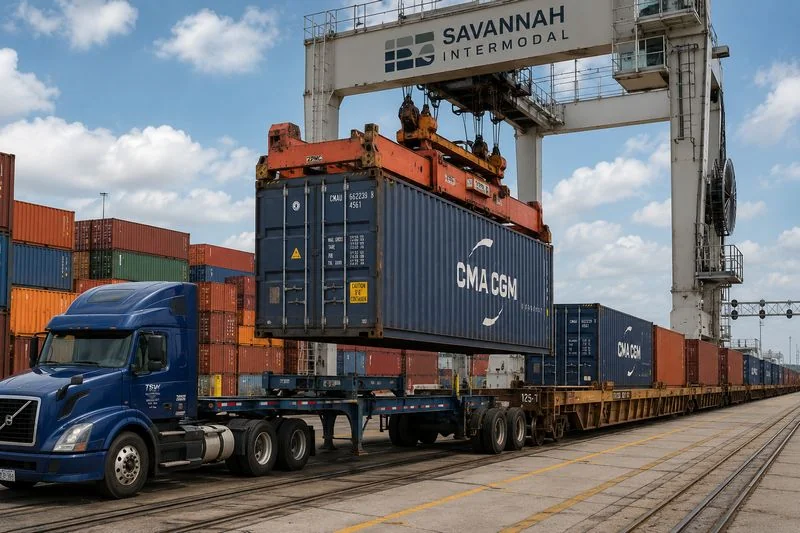
Businesses that frequently use intermodal transportation often work with experienced drayage providers to ensure smooth transitions between transportation modes.
How Do Containers Improve Efficiency and Cargo Security?
Standardized shipping containers are one of the main reasons intermodal transportation works so effectively.
Instead of unloading cargo every time the transportation mode changes, the entire container moves between trucks, trains, and ships. This greatly simplifies the shipping process and reduces handling requirements.
Using containers provides several advantages:
- Reduced cargo handling
- Lower risk of freight damage
- Faster transfers between transportation modes
- Improved shipment security
- Better protection from weather conditions
- Greater transportation efficiency
For example, a container loaded with automotive parts at a supplier's warehouse may remain sealed until it reaches the final customer. The container can move by truck, rail, and even ocean vessel without requiring the freight inside to be touched.
This reduced handling helps minimize the risk of damage, theft, and shipment errors.
Containers also allow carriers to maximize equipment utilization because they can be stacked, stored, and transferred efficiently throughout the transportation network.
How Can Technology and Real-Time Tracking Improve Shipment Visibility?
Modern technology has transformed intermodal transportation by giving businesses better visibility into their shipments.
In the past, tracking freight across multiple transportation modes could be difficult. Today, transportation management systems (TMS), GPS tracking, and digital logistics platforms provide real-time information throughout the shipping process.
Technology helps businesses:
- Track shipment locations
- Monitor transit progress
- Identify potential delays
- Improve communication
- Compare transportation options
- Optimize shipping costs
For example, a dealership waiting for vehicles purchased at an auction can use shipment tracking tools to see when containers leave the rail terminal, arrive at a destination ramp, or move toward final delivery.
Real-time visibility allows businesses to make faster decisions and respond quickly when transportation disruptions occur.
Technology also helps logistics providers evaluate carrier performance, compare service levels, and identify opportunities to reduce transportation costs.
How Can YK Freight Help You Benefit From Intermodal Transportation?
Intermodal transportation can be one of the most effective ways to reduce shipping costs on long-distance freight. However, not every shipment is a good candidate for intermodal service. Businesses must consider factors such as transit time, freight type, route availability, drayage requirements, and overall transportation goals.
Understanding when and how to use intermodal transportation can help companies maximize savings while maintaining reliable delivery performance. This is where experience and proper planning can make a significant difference.
When Is Intermodal Transportation the Right Choice for Your Freight?
Intermodal transportation is often most effective when freight needs to travel long distances and immediate delivery is not required.
Because rail transportation typically handles the largest portion of the journey, intermodal shipping works best when the shipment has enough mileage to offset the time and costs associated with transferring freight between transportation modes.
Intermodal transportation may be a good option when:
- Freight is moving several hundred miles or more
- Transportation cost is a priority
- Transit time is flexible
- Freight is containerized
- Shipments move regularly between the same locations
- Businesses want to reduce long-haul trucking expenses
For example, a company moving automotive parts from Georgia to California may find that intermodal transportation offers substantial savings compared to trucking the shipment the entire distance.
On the other hand, if the shipment must arrive within one or two days, truck transportation may be a better solution despite the higher cost.
The key is balancing budget, transit time, and service requirements to determine which transportation method delivers the greatest value.
How Can Auto Auction Buyers Save Money With Intermodal Shipping?
Auto auction buyers are often focused on one important question: how can transportation costs be reduced without creating unnecessary delays?
For buyers purchasing vehicles from auctions located far from their destination, intermodal transportation can provide significant savings.
Consider a buyer in Georgia who purchases multiple vehicles from auctions in California, Texas, or the Midwest. Long-distance trucking costs can quickly add up, especially when fuel prices are high or carrier capacity is limited.
In some situations, using rail transportation for the longest portion of the route may reduce transportation expenses while maintaining acceptable delivery timelines.
Intermodal transportation can be particularly beneficial for:
- Dealers purchasing multiple vehicles each month
- Exporters moving vehicles to port facilities
- Buyers transporting auction inventory across several states
- Businesses consolidating freight into containers
Because many auction purchases are planned inventory rather than urgent deliveries, the additional transit time associated with intermodal transportation may be an acceptable tradeoff for lower shipping costs.
For budget-conscious buyers, those savings can directly improve profit margins on each vehicle purchased.
What Should You Consider Before Choosing an Intermodal Solution?
Before selecting an intermodal transportation strategy, businesses should evaluate several important factors.
While intermodal shipping can reduce costs, it is not the best fit for every shipment.
Questions to consider include:
- How quickly does the freight need to arrive?
- Is the shipment moving a long enough distance to benefit from rail transportation?
- Is the freight suitable for containerized transport?
- Are rail terminals available near the origin and destination?
- What drayage services are required?
- How important is transportation cost compared to transit speed?
For example, a shipment traveling 150 miles may not benefit significantly from intermodal transportation because the distance is too short. However, a shipment traveling 1,500 miles may generate meaningful savings through a rail-based solution.
Businesses should also consider potential delays caused by terminal transfers, weather events, or rail network congestion. While these situations are generally manageable, understanding them helps set realistic expectations.
The most successful intermodal strategies are built around the specific needs of the shipment rather than applying the same transportation method to every load.
How Does YK Freight Help Businesses Build Cost-Effective Shipping Strategies?
Choosing the right transportation solution often requires looking beyond the initial freight quote. The lowest rate is not always the most economical option if delays, inefficiencies, or unexpected expenses increase overall logistics costs.
YK Freight helps businesses evaluate shipping options based on their unique requirements, freight characteristics, and transportation goals.
This may include analyzing:
- Shipping distances
- Freight volumes
- Transit time requirements
- Rail availability
- Drayage needs
- Cost-saving opportunities
For example, a company importing containers through the Port of Savannah may benefit from a combination of drayage and rail transportation instead of relying solely on long-haul trucking. Another business moving freight between major distribution centers may discover that regular intermodal service provides long-term cost advantages.
Rather than focusing on a single transportation mode, YK Freight helps businesses identify the most practical solution for each shipment. In many cases, intermodal transportation can reduce costs, improve efficiency, and create a more flexible supply chain.
As freight markets continue to evolve, businesses that understand how to combine transportation modes effectively are often better positioned to control logistics expenses and remain competitive. With the right planning and support, intermodal transportation can become a valuable tool for building a smarter and more cost-efficient shipping strategy.
Further Reading
What is Intermodal Trucking?
What is an Intermodal Carrier?
When to Use Intermodal Transportation for Cost-Effective Shipping
Intermodal vs FTL Trucking: Which Freight Option is Right for You?


ASK YOUR QUESTIONS