
Supply chain management affects how goods are sourced, moved, stored, and delivered. This quick guide explains how the process works, why it matters, and how better planning can reduce shipping costs, prevent delays, and make transportation more predictable.
Table of Content:
- What Is Supply Chain Management and How Does It Work?
- What Are the Main Components of Supply Chain Management?
- Why Is Supply Chain Management Important for Businesses and Customers?
- How Can Businesses Make Their Supply Chain More Efficient?
- What Should You Know Before Choosing a Supply Chain and Logistics Partner?
What Is Supply Chain Management and How Does It Work?
Supply chain management is the process of organizing everything needed to move a product from its starting point to the final customer. It covers purchasing materials, managing inventory, transportation, storage, delivery, and sometimes returns.
For a business, these steps are closely connected. A delay or mistake in one part of the supply chain can affect everything that comes after it. For example, if a vehicle is not picked up from an auction on time, storage fees may increase. That can raise the final transportation cost even before the vehicle starts moving toward its destination.
Good supply chain management helps businesses avoid these problems. The goal is to move goods efficiently while controlling costs, reducing delays, and keeping customers informed.
This is especially important for businesses and individuals working with limited budgets. When transportation costs are planned in advance, it becomes easier to avoid unnecessary fees and choose a delivery option that makes financial sense.
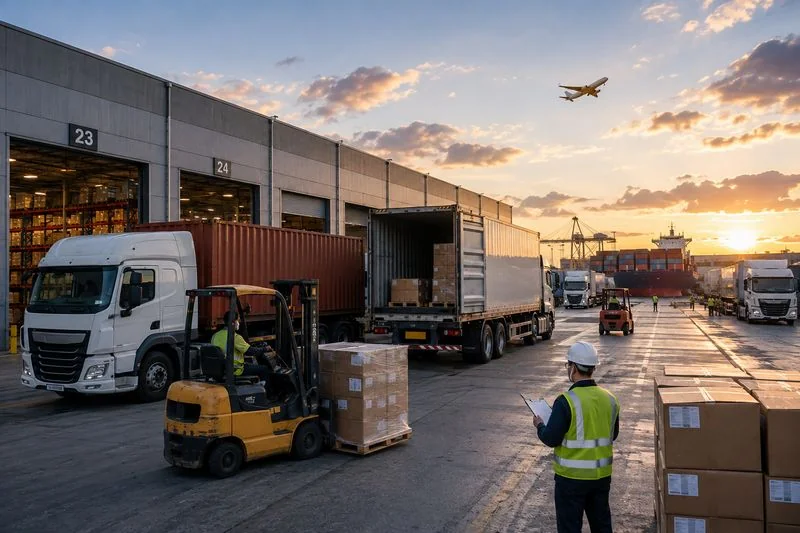
What Does Supply Chain Management Mean in Simple Terms?
In simple terms, supply chain management means making sure that the right product reaches the right place at the right time and at a reasonable cost.
A supply chain includes all the people, companies, equipment, and processes involved in moving a product. Depending on the business, this may include manufacturers, suppliers, warehouses, trucking companies, ports, rail terminals, freight brokers, and customers.
Consider a simple vehicle shipping example. A buyer purchases a car at an auction. The vehicle may first need to be picked up from the auction yard. It could then be transported to a warehouse, rail terminal, port, dealership, or directly to the buyer. Each step must be scheduled correctly.
If the buyer does not plan transportation until after purchasing the vehicle, the final cost may be higher than expected. There could be auction storage charges, extra towing expenses, or additional handling fees.
Supply chain management helps prevent this by looking at the entire process before problems happen.
For someone trying to save money, this can mean comparing transportation options, checking distances, planning pickup dates, and understanding possible extra charges before making a purchase.
A well-managed supply chain does not always mean choosing the cheapest service available. Instead, it means finding the best balance between price, speed, and reliability.
How Does a Supply Chain Move Goods From Supplier to Customer?
Most supply chains follow a similar path, although the exact steps depend on the type of product.
The process normally starts with planning. A company estimates what it needs, how much it needs, where the goods will come from, and how they will reach the customer.
Next comes sourcing. Businesses select suppliers and purchase the products, parts, or materials they need.
After that, goods may go through production or preparation. For manufactured products, this can include assembly, testing, and packaging. For vehicles, preparation may include paperwork, inspection, loading, or arranging transportation from an auction or storage facility.
The next major step is transportation.
Goods may move by truck, rail, ship, air, or a combination of several transportation methods. The best option depends on distance, price, delivery deadlines, and the type of cargo.
For example, someone buying a vehicle several hundred miles away may have more than one delivery option. A faster transport service could save time, but it may also cost more. A more carefully planned route or consolidated shipment may reduce costs when delivery speed is less important.
This is where logistics providers such as YK Freight can become part of the supply chain. Transportation companies handle the physical movement of goods between important points in the process.
The final step is delivery to the customer or another destination, such as a dealership, warehouse, distribution center, or port.
A simple vehicle supply chain might look like this:
Auction or seller → pickup → transportation → warehouse or terminal → final delivery
Each additional step can affect the total price. For budget-conscious customers, understanding this process makes it easier to identify where money can be saved.
What Is the Difference Between Supply Chain Management and Logistics?
Supply chain management and logistics are closely related, but they are not the same thing.
Supply chain management covers the entire process of getting a product from its source to the customer. It can include planning, purchasing, supplier management, inventory, production, storage, transportation, delivery, and returns.
Logistics is one part of that larger system.
Logistics mainly focuses on how goods are stored and moved from one location to another. This includes transportation, warehousing, loading, routing, and delivery scheduling.
For example, imagine that a company needs to move vehicles from one location to another.
Supply chain management may involve deciding which vehicles to purchase, where they should be stored, when they should be moved, how much transportation should cost, and when customers should receive them.
Logistics focuses more directly on questions such as:
- Which truck should move the vehicle?
- When should the vehicle be picked up?
- What route should the driver use?
- Where should the vehicle be delivered?
- How can delays and extra transportation charges be reduced?
Understanding this difference is useful because transportation can represent a significant part of the final cost.
A buyer may find a vehicle at an attractive price, but the deal can become much less attractive if transportation, storage, and handling costs are not considered. Looking at logistics as part of the full supply chain helps buyers and businesses calculate the real cost before making decisions.
Why Is Supply Chain Management Important for Businesses and Customers?
Supply chain management matters because it directly affects cost, delivery speed, product availability, and customer satisfaction. When the supply chain works well, businesses can move goods with fewer delays, avoid unnecessary expenses, and give customers a more predictable experience.
For customers, the benefits are easy to see. A well-organized supply chain can mean lower delivery costs, fewer unexpected fees, and a better chance of receiving a vehicle or other product on time.
For businesses, good supply chain management helps control spending at every stage. This includes purchasing, storage, transportation, labor, inventory, and delivery. Even small improvements can make a noticeable difference when a company moves large volumes of goods.
The opposite is also true. Poor planning can quickly increase costs. A missed pickup may lead to storage fees. A poorly chosen route may add miles and fuel expenses. A delay at one location can affect several other parts of the delivery process.
That is why supply chain management is not only about moving goods. It is also about making better decisions before problems become expensive.
How Can Supply Chain Management Reduce Transportation and Operating Costs?
One of the biggest advantages of effective supply chain management is better cost control.
Transportation costs can rise for many reasons. These may include long routes, empty truck miles, storage fees, missed pickup windows, last-minute scheduling, or using a delivery method that is more expensive than necessary.
Good supply chain planning helps identify these costs early.
For example, imagine a buyer purchases a vehicle because the auction price looks attractive. The car is located far from the final destination, and transportation is arranged only after the purchase. The buyer may then discover that pickup, storage, and delivery add much more to the total cost than expected.
A better approach is to estimate transportation before buying the vehicle. The buyer can compare distance, delivery options, possible storage charges, and the time available for pickup.
Businesses can reduce operating costs in similar ways. They may combine shipments, improve routes, schedule pickups more efficiently, or avoid unnecessary warehouse time.
Better planning can also reduce repeated work. If paperwork, pickup instructions, and delivery details are correct from the beginning, employees spend less time fixing mistakes.
For budget-conscious customers, the main lesson is simple: the lowest purchase price does not always create the lowest total cost. Transportation and handling should be included in the decision from the start.
How Does an Efficient Supply Chain Improve Delivery Times?
An efficient supply chain reduces the amount of time goods spend waiting between each step.
Many delivery delays do not happen while a truck is moving. They happen before the truck arrives or after the shipment reaches another facility.
A vehicle, for example, may sit at an auction yard while transportation is being arranged. A driver may arrive but be unable to pick it up because the release documents are incomplete. A shipment may reach a warehouse but wait because the next delivery has not been scheduled.
Good supply chain management connects these steps.
Pickup information can be prepared in advance. Transportation can be scheduled before storage charges begin to increase. Drivers can receive correct addresses and contact details. Customers can also be given more realistic delivery expectations.
This does not mean every shipment should use the fastest possible service. Faster transportation usually costs more.
Instead, the goal is to remove unnecessary waiting.
For someone trying to save money, that distinction is important. A carefully scheduled standard delivery may be more affordable than paying for expedited service after a delay has already occurred.
An efficient supply chain helps businesses plan ahead rather than solve problems at the last minute.
How Can Better Supply Chain Management Prevent Delays and Disruptions?
Not every disruption can be prevented. Weather, traffic, equipment problems, port congestion, labor shortages, and sudden changes in demand can all affect the movement of goods.
However, good supply chain management can reduce the impact of these problems.
The first step is understanding where delays are most likely to happen. A business can then prepare backup options.
For example, if a pickup deadline is approaching, transportation should not be arranged at the last possible moment. If one route regularly experiences congestion, another route may need to be considered. If an important supplier often runs out of stock, the company may need an alternative supplier.
Communication is also important.
When drivers, warehouses, customers, suppliers, and dispatch teams have accurate information, they can react faster when something changes.
Consider a vehicle that cannot be picked up because the auction has not released it yet. If the transportation company receives this information early, the driver may be rescheduled instead of traveling to the location unnecessarily.
That can prevent wasted time and extra charges.
A strong supply chain cannot remove every risk, but it can make disruptions easier and less expensive to manage.
Why Do Supplier Relationships and Inventory Management Matter?
Suppliers and inventory are two important parts of supply chain management because both can affect whether goods are available when they are needed.
Reliable suppliers help businesses avoid shortages, poor-quality products, and unexpected price changes. A good supplier relationship can also make communication easier when there is a problem.
For example, if a business regularly works with the same transportation or service provider, both sides may better understand pickup requirements, delivery schedules, and common challenges.
That can reduce mistakes and speed up the process.
Inventory management is equally important.
Keeping too much inventory can be expensive because businesses must pay for storage, insurance, handling, and sometimes financing. Keeping too little inventory can cause shortages and missed sales.
The goal is to keep enough inventory to meet demand without paying for more storage than necessary.
The same idea can apply to vehicle transportation.
A dealer that buys many vehicles at once needs to think about where those vehicles will be stored and how quickly they can be moved. Buying more vehicles than the available transportation or storage capacity can handle may create extra costs.
Careful planning helps businesses match purchasing decisions with real delivery capacity.
How Can Supply Chain Management Support More Sustainable Operations?
Sustainability and cost control often support each other.
A supply chain that uses fewer unnecessary resources can reduce both expenses and environmental impact.
Transportation is a good example.
Better route planning can reduce unnecessary mileage. Combining compatible shipments can help avoid partially empty trucks. Reducing waiting time can also lower fuel use.
Businesses can also choose suppliers that use less packaging, operate closer to production or delivery locations, or follow more efficient transportation practices.
For customers, sustainable supply chain decisions do not always mean paying more.
In some cases, the same decision that reduces emissions can also reduce the shipping bill.
For example, a better planned vehicle route may use fewer miles than a poorly coordinated one. That can reduce fuel use while also lowering transportation costs.
Companies can also reduce waste by improving inventory management. Overstocked products may become damaged, outdated, or unnecessary. Better forecasting helps businesses purchase and store only what they realistically need.
What Are the Main Components of Supply Chain Management?
Supply chain management may involve many companies, people, and transportation methods, but the process can usually be divided into five main components: planning, sourcing, production, delivery, and returns.
Each component affects the next one. Poor planning can lead to expensive sourcing decisions. Production delays can affect transportation schedules. A late pickup can create storage charges. Problems with delivery can lead to returns and additional transportation costs.
For this reason, businesses should not manage each stage separately. They need to understand how one decision affects the entire supply chain.
This is especially important when transportation costs are a major concern. A product or vehicle may have an attractive purchase price, but poor planning can add storage, handling, and delivery expenses that make the final cost much higher.
Understanding the main components of supply chain management makes it easier to see where these costs come from and how they can be controlled.
How Does Supply Chain Planning Help Control Costs?
Planning is the first stage of supply chain management. Before a company purchases goods, produces products, or schedules transportation, it needs to understand what will be required.
Supply chain planning usually includes questions such as:
- What needs to be purchased?
- How much inventory will be needed?
- Where will goods be stored?
- When should they be delivered?
- Which transportation method makes sense?
- How much will the entire process cost?
- What could cause delays or extra charges?
Answering these questions early can prevent expensive last-minute decisions.
Consider someone buying a vehicle at an auction. The winning bid may be $5,000, but that is not the full cost of getting the vehicle home.
The buyer may also need to pay for transportation, loading, storage, or additional handling. If the vehicle does not run, transportation could require special equipment. If pickup is delayed, the auction may begin charging storage fees.
Planning before bidding gives the buyer a better idea of the real cost.
For example, Buyer A finds a vehicle for $5,000 but does not check transportation costs. After winning the auction, the buyer learns that delivery will cost $1,200 and several days of storage have already been added.
Buyer B checks these expenses before bidding and discovers another similar vehicle closer to the final destination. That vehicle costs $5,300 but only $600 to transport.
Although the second vehicle has a higher purchase price, its total cost may be lower.
Businesses use the same principle on a larger scale. They forecast demand, estimate inventory needs, compare transportation options, and schedule shipments before goods need to move.
Good planning does not guarantee that every shipment will go perfectly. It does, however, give businesses more time to compare options and avoid unnecessary expenses.
What Does Sourcing Mean in Supply Chain Management?
Sourcing is the process of finding and selecting the suppliers that provide the goods, materials, or services a business needs.
For a manufacturer, this might mean buying steel, electronics, packaging materials, or replacement parts. For a dealership, sourcing could mean purchasing vehicles from auctions, wholesalers, or other dealers.
Price is an important part of sourcing, but it should not be the only factor.
Businesses also need to consider:
- Product quality
- Supplier reliability
- Delivery times
- Location
- Payment terms
- Available quantities
- Communication
- Transportation costs
A supplier with the lowest price may not always provide the lowest overall cost.
Suppose one supplier sells a product for $100 less than another supplier. At first, the cheaper option looks better. However, that supplier may be much farther away, making transportation $250 more expensive.
In that case, choosing the higher-priced product from the closer supplier could actually save money.
Vehicle buyers face the same situation.
Two similar cars may have different auction prices, but the location of each vehicle can make a large difference in the final cost. A slightly more expensive vehicle that is located closer to the buyer, warehouse, or shipping point may be the better deal.
Reliable sourcing also reduces risk.
A supplier that regularly misses deadlines can disrupt the rest of the supply chain. Production may stop, transportation appointments may need to be changed, and customers may receive their orders late.
This is why businesses often build long-term relationships with suppliers they trust instead of choosing a new supplier based only on the lowest price.
What Happens During the Manufacturing and Production Stage?
The manufacturing stage is where raw materials or components are turned into finished products.
Depending on the business, this stage may include assembly, processing, testing, quality control, packaging, and preparation for shipping.
For example, an automobile manufacturer receives thousands of components from different suppliers. Engines, electronics, tires, seats, glass, and many other parts must arrive at the correct time before a vehicle can be assembled.
If an important component arrives late, production may slow down or stop.
This shows why production is closely connected to the rest of the supply chain.
Businesses need enough materials to keep production running, but keeping too much inventory can also be expensive. Extra products require warehouse space, handling, insurance, and management.
Quality control is another important part of production.
Finding a defect before an item is shipped is usually less expensive than discovering the problem after delivery. Once a defective product reaches a customer, a business may need to pay for return transportation, replacement, repairs, and another delivery.
Even businesses that do not manufacture products still have a preparation stage.
For example, a vehicle purchased at auction may need paperwork completed before pickup. It may need to be inspected, loaded, stored temporarily, or prepared for the next transportation step.
Completing these tasks correctly helps prevent delays later in the supply chain.
How Does Transportation and Delivery Fit Into the Supply Chain?
Transportation connects almost every stage of the supply chain.
Materials must move from suppliers to manufacturers. Finished products may travel from factories to warehouses. Goods then move from warehouses or distribution centers to dealerships, businesses, ports, or customers.
Depending on the shipment, transportation may involve trucks, rail, ships, airplanes, or several methods combined.
Choosing the right method depends on several factors:
- Distance
- Cargo type
- Delivery deadline
- Shipment size
- Budget
- Pickup and delivery locations
- Special handling requirements
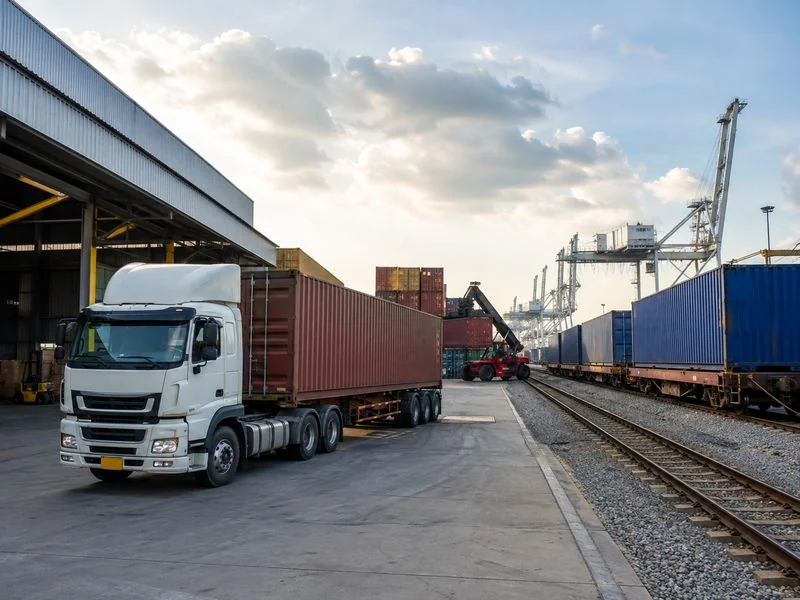
Faster transportation is not always the best choice.
If a shipment is urgent, paying more for faster delivery may make sense. If there is no strict deadline, businesses may be able to use a more economical transportation option.
Vehicle delivery offers a good example.
Imagine you purchase a car several hundred miles from your location. You want the vehicle quickly, but there is no urgent reason to receive it the next day.
Choosing the fastest available option may increase your delivery cost without providing a meaningful benefit. Planning the shipment several days in advance can give the transportation provider more flexibility and may help keep costs under control.
Location also matters.
A vehicle that is difficult to access, far from major transportation routes, or unable to move under its own power may cost more to transport than a running vehicle located near a major highway.
Good supply chain management considers these details before transportation begins.
Clear communication is equally important. The carrier needs accurate pickup information, delivery details, vehicle condition, and contact information. Missing or incorrect details can cause failed pickups and extra costs.
Transportation providers such as YK Freight form one part of this larger system. Their role is to help move freight between locations while businesses coordinate transportation with purchasing, storage, inventory, and customer requirements.
What Is Reverse Logistics and How Are Returns Managed?
The supply chain does not always end when a product reaches the customer.
Sometimes goods need to move in the opposite direction. This process is called reverse logistics.
Reverse logistics can involve:
- Customer returns
- Damaged products
- Repairs
- Product recalls
- Recycling
- Reusable packaging
- Replacement products
- Incorrect deliveries
Returns can be expensive because businesses may need to pay for transportation twice: once for the original delivery and again to move the product back.
There may also be inspection, storage, repair, and replacement costs.
That is why businesses need a clear return process before problems occur.
For example, suppose a customer receives the wrong product. If the company has no established return procedure, employees may spend hours deciding where the item should go, which carrier should move it, and who will pay for transportation.
A prepared reverse logistics process makes these decisions much easier.
Vehicle transportation can also require reverse movement.
A vehicle may need to be moved to another facility because of paperwork problems, repairs, inspection requirements, or a change in the buyer's plans. Each additional move increases the total transportation cost.
Businesses can reduce these situations by checking documents, addresses, vehicle condition, and delivery requirements before the first pickup.
The goal of reverse logistics is not simply to accept returns. It is to handle them in a way that limits unnecessary costs while giving customers a clear solution when something goes wrong.
How Can Businesses Make Their Supply Chain More Efficient?
A more efficient supply chain helps businesses reduce costs, avoid delays, and make better use of transportation and storage resources. Efficiency does not always mean moving goods faster. In many cases, it means removing unnecessary steps, planning shipments earlier, and choosing transportation based on the real needs of the shipment.
For companies working with a limited budget, small changes can make a noticeable difference. Better pickup scheduling can reduce storage charges. More accurate delivery information can prevent failed pickups. Choosing the right transportation method can lower costs without creating serious delays.
The key is to look at the entire process instead of treating every shipment as a separate problem.
Businesses should know where goods are coming from, when they need to move, what transportation options are available, and what extra charges may appear if something goes wrong. This makes it easier to control costs before they become unavoidable.
How Can Better Planning Help Businesses Avoid Unnecessary Shipping Costs?
Many expensive shipping problems begin with poor planning.
A shipment may become urgent because transportation was arranged too late. A vehicle may sit at an auction yard and collect storage fees because nobody scheduled pickup in time. A truck may arrive at the wrong location because the address was not confirmed.
These problems often cost more than the transportation itself.
Better planning starts with collecting the right information before the shipment is booked.
Businesses should confirm:
- Pickup and delivery addresses
- Cargo size and weight
- Whether the vehicle or freight can move on its own
- Pickup deadlines
- Storage rules
- Required documents
- Delivery restrictions
- Contact information
- Expected transportation cost
For example, imagine a buyer wins a vehicle at an auction on Monday but waits until Friday to start looking for transportation. If free storage ends on Wednesday, the buyer may already owe several days of storage fees.
If transportation had been arranged before or immediately after the purchase, those charges might have been avoided.
Planning also gives businesses more time to compare options.
A last-minute shipment often limits the number of available carriers. When a business has several days to schedule transportation, it may have more flexibility with routes and pickup times.
That flexibility can help control the price.
Another useful step is estimating the full shipping cost instead of looking only at the carrier's base rate. Storage, loading, waiting time, special equipment, and extra handling can all affect the final amount.
The earlier these costs are identified, the easier they are to manage.
When Should a Business Outsource Transportation to a Logistics Provider?
Not every business needs to manage transportation with its own trucks, drivers, and dispatch team.
Outsourcing transportation can make sense when a company does not have enough shipments to justify operating its own fleet, when delivery routes change often, or when shipments require specialized equipment or experience.
A logistics provider can also be useful when a company needs to move freight outside its normal service area.
For example, a small dealer may buy several vehicles each month from different locations. Maintaining trucks, hiring drivers, paying insurance, and managing compliance could cost much more than using an outside transportation provider when needed.
The same applies to businesses that move containers, equipment, or other freight only at certain times.
Outsourcing can also help when transportation becomes too complex for an internal team.
A shipment may involve a port, warehouse, rail terminal, or multiple pickup locations. Each additional step creates more scheduling and communication requirements.
However, outsourcing does not mean giving up control.
Businesses should still understand the pricing, pickup conditions, expected delivery time, and possible additional charges.
A good transportation partner should make these details easier to understand, not more difficult.
The best time to outsource is usually when an outside provider can move the shipment more efficiently or economically than the business could manage on its own.
How Can Choosing the Right Transportation Method Lower Delivery Costs?
The transportation method can have a major effect on the final delivery cost.
There is no single option that is always the cheapest. The best choice depends on the distance, cargo, deadline, and destination.
Road transportation is often practical for shorter distances and direct deliveries. Rail can be useful for moving large volumes over longer distances. Ocean freight is commonly used for international shipping. Air freight is usually much faster, but it is also more expensive.
Businesses should match the transportation method to the actual needs of the shipment.
For example, paying for the fastest service makes little sense if the vehicle can arrive several days later without causing a problem.
The condition of the vehicle can also affect the transportation method.
A running vehicle may be easier and less expensive to load than a non-running one. A large truck, SUV, or piece of equipment may require more space or special equipment.
Distance is another important factor.
A buyer may find two similar vehicles at different auctions. One vehicle costs $300 less but is located much farther away. If the additional transportation costs $700, the cheaper vehicle is no longer the better deal.
This is why transportation should be considered before the purchase decision whenever possible.
The lowest shipping cost usually comes from matching the service to the real requirements rather than automatically choosing the fastest or most convenient option.
How Can Businesses Balance Shipping Cost, Speed, and Reliability?
Cost, speed, and reliability are closely connected.
A business can often pay more to move freight faster, but the fastest option is not always necessary. At the same time, choosing the lowest-priced carrier without considering reliability can create expensive problems later.
The goal is to find a reasonable balance.
Businesses should first decide how important the delivery deadline really is.
If a shipment must arrive before a specific appointment, production schedule, or customer deadline, reliability may be more important than saving a small amount on the transportation rate.
If the delivery date is flexible, there may be more room to choose a lower-cost option.
Consider a buyer who wants a vehicle delivered from an auction.
If the buyer needs the car before a specific inspection appointment, paying slightly more for a reliable pickup and delivery schedule may make sense.
If the vehicle is going into storage and there is no urgent deadline, the buyer may be able to accept a wider delivery window and focus more on price.
Reliability also affects total cost.
A low transportation quote can become expensive if the carrier misses the pickup, causes storage fees, or requires the shipment to be booked again.
Businesses should therefore compare more than the initial price.
They should also consider communication, scheduling, experience with the type of freight, and the provider's ability to handle the required route.
A good supply chain decision is not simply the cheapest option. It is the option that delivers the required result without creating unnecessary risk or expense.
How Can YK Freight Help Improve the Transportation Stage of the Supply Chain?
Transportation is one of the stages where good planning can have an immediate effect on both cost and delivery performance.
YK Freight helps businesses coordinate freight movement with a focus on practical scheduling, clear communication, and efficient transportation planning.
For customers, this can make the shipping stage easier to manage because important details are discussed before the load begins moving.
This may include pickup requirements, delivery location, shipment type, timing, and other conditions that could affect the rate or schedule.
For example, a business moving freight between a port, warehouse, and final destination needs each step to happen in the correct order. If the pickup is delayed or delivery instructions are incomplete, the shipment may spend extra time waiting and create additional costs.
Planning transportation in advance helps reduce these risks.
YK Freight can also help businesses think beyond the transportation quote itself. The goal is to avoid unnecessary waiting, repeated moves, missed appointments, and other problems that can increase the total supply chain cost.
For budget-conscious customers, this is especially important. A competitive rate matters, but predictable planning matters too.
What Should You Know Before Choosing a Supply Chain and Logistics Partner?
Choosing the right logistics partner can have a direct effect on shipping costs, delivery times, and the overall reliability of your supply chain.
The lowest quote is not always the best option. A provider may offer a low initial price but add extra charges later for waiting time, special equipment, storage, or other services. Another company may cost slightly more at the beginning but provide clearer pricing and more reliable scheduling.
For businesses and customers working with a limited budget, this difference matters.
A transportation problem can quickly turn into an expensive supply chain problem. A missed pickup may create storage fees. A late delivery may affect warehouse schedules. Poor communication may lead to another truck being booked or freight being moved twice.
Before choosing a logistics partner, it is important to understand what services are included, how pricing works, how the provider communicates, and whether the company has experience with your type of shipment.
A good transportation partner should help make the shipping process easier to understand and easier to plan.
What Questions Should You Ask Before Hiring a Transportation Provider?
Before hiring a transportation provider, ask questions that help you understand both the service and the possible total cost.
Important questions include:
- What areas do you serve?
- What types of freight do you handle?
- Is the quoted price all-inclusive?
- What extra charges may apply?
- How are pickup and delivery times scheduled?
- What happens if the shipment is delayed?
- Can you handle special equipment or non-standard freight?
- How will I receive shipment updates?
- Who should I contact if there is a problem?
- What information do you need before pickup?
These questions can help prevent misunderstandings.
For example, imagine a business receives a low quote for moving freight from a terminal to a warehouse. After booking, the company learns that waiting time, chassis use, or additional handling is charged separately.
The final bill may be much higher than expected.
Asking about these charges before booking gives the customer a more realistic idea of the total cost.
It is also important to describe the shipment accurately.
A transportation provider needs correct information about cargo type, size, weight, pickup location, delivery location, and any special requirements. For vehicle transportation, the condition of the vehicle may also matter.
If important details are missing, the provider may arrive without the right equipment or may need to change the original rate.
Clear information from both sides makes the shipping process more predictable.
How Can Transparent Pricing Help You Stay Within Your Shipping Budget?
Transparent pricing makes it easier to compare transportation options and understand what you are actually paying for.
A low advertised rate can look attractive, but the final price matters more than the starting price.
Transportation costs may include more than the basic movement of freight. Depending on the shipment, additional charges can come from:
- Waiting time
- Storage
- Extra stops
- Special loading equipment
- Detention
- Additional handling
- Oversize or overweight cargo
- Failed pickup attempts
- Changes to the delivery location
Not every shipment will include these expenses, but customers should know when they may apply.
Consider a buyer working with a strict delivery budget of $800.
Provider A offers a base rate of $650, but later adds $100 for waiting and $125 for another service. The final cost becomes $875.
Provider B quotes $790 and explains what is included before the shipment begins.
Even though Provider A looked cheaper at first, Provider B may be the better choice for someone trying to stay within a fixed budget.
Transparent pricing is especially useful when comparing several transportation options. It allows customers to look at the total expected cost instead of making a decision based on one number.
Businesses should also ask what situations could change the original quote.
If a provider explains these conditions clearly, customers can make better decisions and keep a reserve in their budget for possible additional expenses.
Why Are Communication and Shipment Visibility Important?
Good communication is one of the simplest ways to prevent transportation problems.
Many shipping delays become more expensive because customers do not learn about them early enough.
For example, a truck may be delayed in traffic, a terminal may not release a shipment, or a warehouse may change an appointment. If this information is shared quickly, the business may be able to adjust its schedule.
If nobody communicates the problem, the customer may continue planning around an arrival time that is no longer realistic.
Shipment visibility helps businesses understand where their freight is and what is happening with it.
This does not always require a complicated tracking system. Even regular updates about pickup, transit, delays, and delivery can make a large difference.
For businesses, better visibility helps with:
- Warehouse planning
- Customer updates
- Staffing
- Delivery appointments
- Inventory decisions
- Avoiding unnecessary waiting
Imagine a dealership expecting several vehicles in the afternoon. If the delivery is delayed until the next morning but nobody informs the dealership, employees may spend time waiting for a truck that will not arrive.
With an early update, the dealership can adjust its schedule.
Communication is also important when something unexpected happens.
Customers should know who to contact and should be able to get a clear answer about the shipment. A transportation provider that communicates problems early gives customers more time to react and often reduces the cost of those problems.
How Can YK Freight Help Make Freight Transportation More Predictable and Cost-Effective?
YK Freight focuses on helping customers coordinate transportation with clear planning, realistic expectations, and better communication.
For businesses, predictability begins before the truck is dispatched.
Important shipment details should be confirmed in advance, including the pickup location, delivery destination, freight requirements, timing, and any conditions that could affect the move.
This is particularly important for shipments involving ports, terminals, warehouses, or other locations where missed appointments and waiting time can create additional costs.
For example, a container that remains at a terminal longer than necessary may lead to charges that have little to do with the actual trucking rate. Coordinating the pickup early can help reduce the risk of avoidable delays.
YK Freight can also help customers understand the transportation stage as part of the total supply chain cost.
The cheapest trucking rate is not always the cheapest final solution. Reliability, scheduling, route planning, and communication can all affect how much the shipment costs in the end.
A business with a limited budget may benefit more from a well-planned move that avoids unnecessary waiting and extra handling than from selecting the lowest quote without considering possible problems.
Clear communication throughout the shipment also makes planning easier. Customers can better coordinate warehouse schedules, delivery appointments, and the next stage of the supply chain when they have accurate information about the freight.
The goal is to make transportation less uncertain.
When businesses know what to expect, understand the likely costs, and receive useful updates, they can make better supply chain decisions. By working with YK Freight, customers can focus on moving freight efficiently while reducing the risk of unexpected transportation expenses.
Further Reading
How Supply Chain Management Works: A Guide for Small Businesses
What Is Logistics Management and Why Is It Important?
Inbound Logistics vs. Outbound Logistics: Key Differences Explained
Cross-Docking in Supply Chain Management: Benefits, Types & Costs


ASK YOUR QUESTIONS