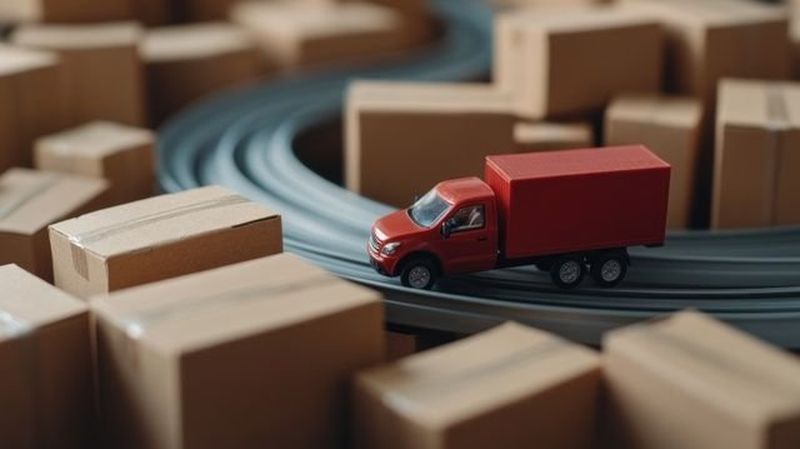
Inbound and outbound logistics both play a major role in how businesses move products, control shipping costs, and manage deliveries. This quick guide explains the difference between the two processes, how they affect supply chains, and what businesses can do to improve shipping efficiency. You will also learn practical ways to reduce freight costs, avoid delivery delays, and simplify logistics operations.
Table of Content:
- What Are Inbound Logistics and Outbound Logistics?
- What Is the Difference Between Inbound and Outbound Logistics?
- How Can Businesses Improve Inbound and Outbound Logistics?
- How Can Small Businesses and Budget-Conscious Shippers Save Money on Logistics?
- How Can YK Freight Help Businesses Manage Logistics More Efficiently?
What Are Inbound Logistics and Outbound Logistics?
Every business that buys, sells, builds, or ships products depends on logistics. Products and materials must move from one location to another quickly, safely, and at a reasonable cost. This process is generally divided into two categories: inbound logistics and outbound logistics.
Understanding the difference between these two logistics processes helps businesses improve delivery efficiency, reduce transportation costs, and avoid supply chain problems. It is especially important for companies working with vehicle parts, freight shipments, automotive inventory, or commercial equipment.
For budget-conscious businesses, improving logistics can also help reduce unnecessary expenses and make operations more predictable.
What Is Inbound Logistics?
Inbound logistics refers to the movement of goods, materials, and supplies coming into a business. This usually includes transporting products from suppliers, manufacturers, ports, warehouses, or distributors to a company’s facility.
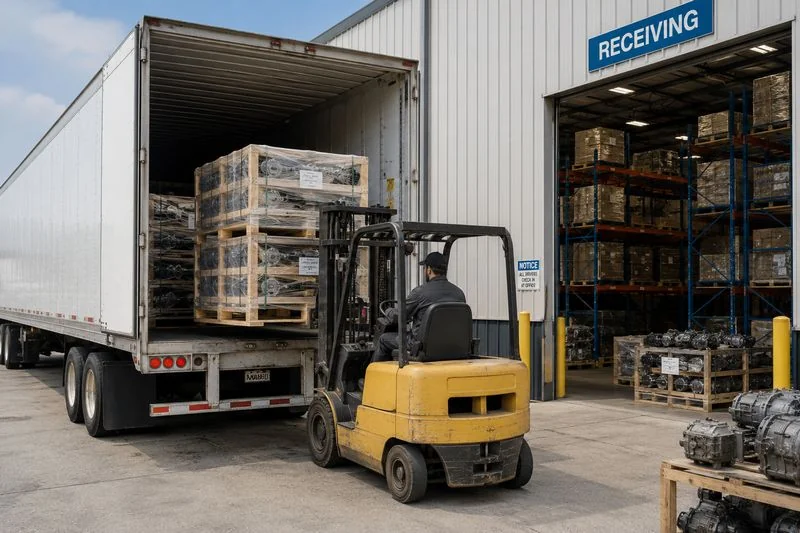
The goal of inbound logistics is to make sure businesses receive the materials they need on time and at the best possible cost.
Inbound logistics often includes:
- Freight transportation
- Supplier coordination
- Inventory management
- Warehousing
- Delivery scheduling
- Shipment tracking
- Load consolidation
For example, an auto repair shop may regularly order engines, transmissions, tires, or vehicle components from suppliers in different states. The process of transporting these parts to the shop is considered inbound logistics.
Another example is a used car dealership receiving vehicles from auctions or ports. Moving those vehicles into inventory is part of the company’s inbound logistics operation.
Inbound logistics directly affects business costs. Delays, poor planning, or inefficient transportation can increase storage fees, interrupt operations, and reduce profitability.
This is why many businesses focus heavily on improving inbound freight planning and supplier relationships.
What Is Outbound Logistics?
Outbound logistics refers to the movement of finished products or shipments from a business to the customer. Once products are ready to leave the warehouse, facility, or distribution center, outbound logistics manages the delivery process.
This includes:
- Shipping products to customers
- Freight distribution
- Packaging
- Route planning
- Final-mile delivery
- Delivery scheduling
- Customer service and tracking
For example, if an auto parts supplier ships a transmission to a repair shop or residential customer, that shipment is part of outbound logistics.
The same applies when a dealership delivers a sold vehicle to a buyer in another state. The transportation process from the business to the final customer falls under outbound logistics.
Outbound logistics plays a major role in customer satisfaction. Fast deliveries, accurate tracking, and safe transportation help businesses maintain positive customer relationships.
Poor outbound logistics can lead to:
- Late deliveries
- Damaged freight
- Higher shipping costs
- Negative customer reviews
- Lost repeat business
For businesses trying to stay competitive, efficient outbound logistics can become a major advantage.
Why Are Both Logistics Processes Important for Businesses?
Inbound and outbound logistics work together to keep businesses operating smoothly. One process brings products into the business, while the other delivers products to customers.
If either side of the logistics process fails, the entire supply chain can be affected.
For example:
- Delayed inbound shipments may leave businesses without inventory
- Poor outbound planning may cause late customer deliveries
- High transportation costs can reduce profits
- Inventory shortages can interrupt operations
Small businesses and budget-conscious companies often feel these problems the most because they usually operate with tighter margins and less extra inventory.
For example, an independent repair shop waiting for engine deliveries may lose valuable work time if inbound freight arrives late. On the outbound side, a parts supplier may lose customers if shipments consistently arrive damaged or delayed.
Efficient logistics helps businesses:
- Reduce transportation costs
- Improve delivery speed
- Manage inventory more effectively
- Avoid shipping delays
- Improve customer satisfaction
- Increase operational efficiency
Many companies also use inbound and outbound logistics planning to identify ways to save money. Combining shipments, improving delivery schedules, and choosing the right freight services can significantly reduce overall transportation expenses.
What Is the Difference Between Inbound and Outbound Logistics?
Inbound and outbound logistics are closely connected, but they serve different purposes within the supply chain. Both involve moving goods from one place to another, yet the direction of the shipment and the final destination are what separate the two processes.
Inbound logistics focuses on bringing goods into a business, while outbound logistics focuses on delivering products to customers.
Understanding this difference helps businesses improve planning, reduce transportation costs, and avoid delays. It also allows companies to choose the right freight solutions for different shipping needs.
For businesses working with automotive freight, vehicle parts, equipment, or commercial shipments, managing both inbound and outbound logistics efficiently can make a major difference in operating costs and customer satisfaction.
How Does Inbound Logistics Support Business Operations?
Inbound logistics helps businesses maintain the materials, products, and inventory they need to operate. Without reliable inbound transportation, many businesses would struggle to keep inventory available or complete customer orders on time.
This process supports operations by ensuring shipments arrive consistently and efficiently.
Inbound logistics often includes:
- Receiving inventory from suppliers
- Coordinating incoming freight
- Managing warehouse deliveries
- Monitoring inventory levels
- Scheduling transportation
- Reducing supply chain interruptions
For example, a repair shop that regularly orders engines, transmissions, and vehicle components depends heavily on inbound logistics. If inbound shipments are delayed, mechanics may not have the parts needed to complete repairs.
The same applies to dealerships receiving vehicles from auctions or import locations. Delays in inbound transportation can reduce available inventory and slow down sales.
Good inbound logistics also helps businesses control costs. Consolidating shipments, improving supplier coordination, and choosing the right freight methods can lower transportation expenses significantly.
For budget-conscious businesses, inbound logistics planning can help avoid:
- Emergency shipping fees
- Inventory shortages
- Excess storage costs
- Production delays
- Missed sales opportunities
This is why many companies focus on building strong supplier relationships and creating more efficient inbound freight schedules.
How Does Outbound Logistics Affect Customer Deliveries?
Outbound logistics directly affects how customers receive products. Once inventory leaves the warehouse or facility, the outbound logistics process takes over.
This process includes:
- Packaging shipments
- Scheduling deliveries
- Choosing carriers
- Route planning
- Freight tracking
- Final-mile delivery
- Customer communication
For many businesses, outbound logistics plays a major role in customer satisfaction.
For example, if a customer buys a used transmission online, they expect it to arrive safely, on time, and without shipping complications. Delayed deliveries or damaged freight can create frustration and reduce trust in the seller.
Outbound logistics problems can also increase business costs through:
- Refunds
- Return shipments
- Freight claims
- Negative reviews
- Lost repeat customers
Fast and reliable outbound shipping is especially important for automotive businesses and parts suppliers because customers often need parts urgently for repairs.
For example, a repair shop waiting for a replacement engine may lose valuable time every day the shipment is delayed. Efficient outbound logistics helps reduce downtime and keeps projects moving.
Companies that improve outbound logistics often benefit from:
- Faster deliveries
- Better customer retention
- Lower shipping damage rates
- Improved delivery visibility
- More predictable transportation costs
Many businesses also work with freight providers like YK Freight to simplify outbound transportation and improve delivery efficiency.
Why Is Inbound Logistics Considered B2B While Outbound Logistics Is Often B2C?
Inbound logistics is commonly considered business-to-business (B2B) because the shipments usually move between suppliers, manufacturers, warehouses, or commercial facilities.
For example:
- A supplier ships engines to a repair shop
- A manufacturer sends products to a distributor
- A wholesaler delivers inventory to a dealership
These shipments are part of the B2B supply chain because businesses are shipping products to other businesses.
Outbound logistics is often considered business-to-consumer (B2C) because the final shipment goes directly to the customer or end user.
Examples include:
- Delivering a sold vehicle to a buyer
- Shipping a transmission to a residential customer
- Sending products directly to online shoppers
However, outbound logistics can also involve business deliveries. For example, an auto parts distributor shipping products to repair shops is still performing outbound logistics because the freight is leaving the company and moving toward the final user.
The biggest difference is the shipment direction:
- Inbound logistics brings goods into the business
- Outbound logistics sends goods out of the business
Understanding this difference helps companies organize inventory flow, delivery schedules, and freight planning more efficiently.
Which Logistics Process Usually Costs More?
The cost difference between inbound and outbound logistics depends on the type of business, shipment volume, freight size, and delivery methods used.
In many cases, outbound logistics becomes more expensive because customer deliveries often require:
- Faster shipping
- Residential delivery
- Final-mile transportation
- Smaller shipment sizes
- More delivery stops
- Higher customer service expectations
For example, shipping one pallet of vehicle parts to multiple residential customers usually costs more than sending one large inbound shipment to a warehouse.
Outbound logistics may also involve additional expenses such as:
- Liftgate service
- Appointment deliveries
- Packaging materials
- Returns management
- Freight claims handling
Inbound logistics, however, can also become expensive if businesses fail to manage supplier relationships or inventory planning properly.
For example, poor inbound coordination may lead to:
- Rush shipping costs
- Excess inventory storage
- Delayed production
- Inefficient freight routes
Businesses can reduce both inbound and outbound costs by:
- Consolidating loads
- Using LTL freight efficiently
- Improving shipment scheduling
- Avoiding partially empty truckloads
- Planning inventory more carefully
For budget-conscious businesses, reducing transportation waste is one of the most effective ways to improve profitability.
How Can Businesses Improve Inbound and Outbound Logistics?
Improving logistics is one of the most effective ways for businesses to reduce transportation costs, avoid delays, and improve overall efficiency. Even small changes in freight planning can make a major difference over time.
Many businesses focus only on shipping rates, but logistics involves much more than simply moving freight. Supplier communication, inventory planning, load management, and delivery coordination all affect how efficiently goods move through the supply chain.
For companies working with tight budgets, improving inbound and outbound logistics can help avoid unnecessary expenses and make deliveries more predictable.
Why Are Strong Supplier Relationships Important?
Strong supplier relationships are one of the foundations of efficient inbound logistics. Reliable suppliers help businesses receive products on time, maintain inventory levels, and reduce supply chain disruptions.
Poor communication with suppliers can lead to:
- Late shipments
- Inventory shortages
- Emergency freight costs
- Delayed customer orders
- Increased storage expenses
For example, an auto repair shop that depends on regular engine or transmission deliveries may struggle to complete repairs if suppliers frequently miss shipping deadlines.
Building strong supplier relationships helps businesses improve:
- Delivery reliability
- Freight scheduling
- Product availability
- Pricing stability
- Inventory planning
Businesses should also work with suppliers that match their operational needs. This includes evaluating:
- Shipping speed
- Freight capacity
- Product quality
- Communication reliability
- Lead times
- Consistency of deliveries
For example, a dealership purchasing vehicles or parts from auctions may benefit from suppliers that can coordinate shipments quickly and consistently.
Good supplier relationships also make it easier to solve problems when delays or freight issues occur. Businesses with long-term supplier partnerships often receive faster support and more flexible shipping options.
For budget-conscious businesses, strong supplier coordination can help reduce costly last-minute transportation decisions.
How Can Consolidating Loads Reduce Shipping Costs?
Load consolidation is one of the simplest ways businesses can lower freight expenses. Instead of shipping multiple small shipments separately, businesses combine freight into larger shipments whenever possible.
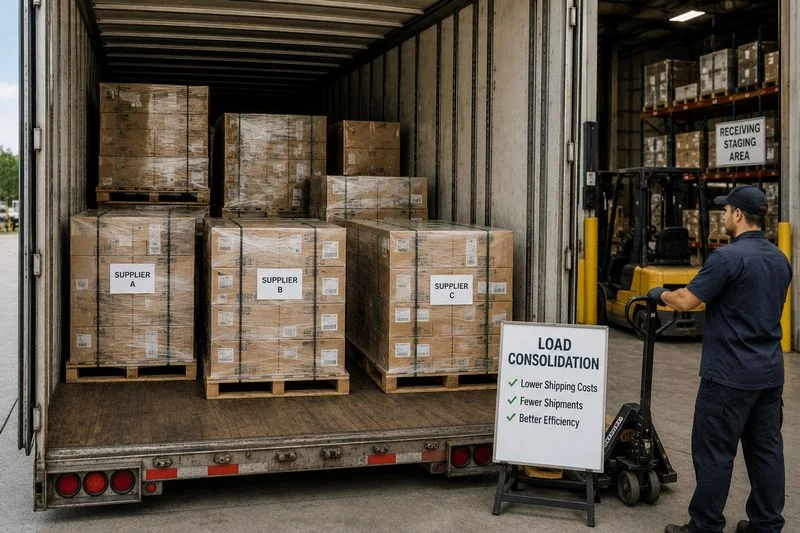
This approach is especially useful for companies that receive smaller or infrequent deliveries.
Less-than-truckload (LTL) shipping already works on this concept by combining freight from multiple businesses into one trailer. Companies only pay for the trailer space they use rather than paying for an entire truck.
Consolidating shipments can help businesses:
- Reduce freight costs
- Avoid partially empty shipments
- Improve delivery efficiency
- Lower fuel expenses
- Simplify scheduling
- Reduce warehouse congestion
For example, a repair shop may order engines, transmissions, and vehicle parts from several suppliers each week. Instead of scheduling multiple small shipments, consolidating deliveries into fewer larger loads may reduce transportation costs significantly.
The same strategy works for outbound logistics. Businesses shipping products to multiple nearby customers may reduce costs by grouping deliveries together rather than shipping separately.
Load consolidation also creates more predictable delivery schedules and reduces the number of trucks arriving at warehouses or business locations.
For smaller businesses trying to save money, maximizing trailer space can make a major difference in overall logistics costs.
What Is a Transportation Management System (TMS)?
A Transportation Management System (TMS) is software designed to help businesses manage freight transportation more efficiently. A TMS helps companies organize shipments, track deliveries, compare freight rates, and improve supply chain visibility.
Instead of manually handling every shipment, businesses can use a TMS to automate many logistics tasks.
A TMS may help businesses:
- Compare shipping rates
- Track freight in real time
- Schedule deliveries
- Optimize shipping routes
- Manage carriers
- Monitor freight performance
- Improve inventory planning
For example, a business shipping vehicle parts nationwide may use a TMS to identify the most cost-effective carrier for each shipment based on delivery speed, freight size, and destination.
A TMS can also help companies react quickly to changing market conditions. Freight prices can fluctuate because of fuel costs, truck availability, seasonal demand, or weather conditions.
Real-time visibility allows businesses to make smarter transportation decisions and avoid overpaying for freight services.
For budget-conscious businesses, even small improvements in route planning and carrier selection can reduce logistics expenses over time.
Many companies also use TMS systems to improve customer service by providing more accurate delivery updates and shipment tracking information.
How Can Better Planning Prevent Delivery Delays?
Many delivery delays happen because of poor planning rather than transportation problems themselves.
For example, delays may occur when:
- Inventory is ordered too late
- Delivery appointments are not coordinated
- Freight dimensions are incorrect
- Trucks cannot access the delivery location
- Loading or unloading equipment is unavailable
These problems can interrupt both inbound and outbound logistics operations.
Better planning helps businesses avoid unnecessary delays by preparing shipments properly before transportation begins.
Important planning steps include:
- Verifying shipment dimensions and weight
- Scheduling deliveries in advance
- Coordinating with suppliers and carriers
- Preparing loading and unloading equipment
- Monitoring inventory levels
- Choosing the correct freight service
For example, a company shipping heavy automotive parts may need liftgate service, appointment delivery, or limited-access delivery options. Failing to arrange these services ahead of time can create expensive delays on delivery day.
Planning also helps businesses reduce emergency shipping costs. Companies that wait until inventory is critically low often end up paying for rush freight services.
For budget-conscious businesses, avoiding rushed transportation decisions can lead to significant savings over time.
How Can Small Businesses and Budget-Conscious Shippers Save Money on Logistics?
For small businesses, shipping costs can quickly become one of the largest operating expenses. Fuel prices, freight rates, storage costs, and delivery delays all affect profitability. This is especially true for businesses working with automotive freight, vehicle parts, equipment, or inventory shipments.
Many companies focus only on finding the cheapest freight rate, but saving money on logistics usually comes from better planning and smarter transportation decisions.
Small changes such as consolidating loads, improving inventory management, and avoiding shipping mistakes can significantly reduce long-term logistics expenses.
For budget-conscious businesses, efficient logistics is not only about moving freight — it is about controlling costs while keeping deliveries reliable.
When Does LTL Freight Make More Sense Than Full Truckload Shipping?
Less-than-truckload (LTL) freight is often the most cost-effective option for businesses shipping smaller amounts of cargo. Instead of paying for an entire trailer, businesses only pay for the portion of trailer space their freight uses.
This makes LTL shipping ideal for:
- Small businesses
- Infrequent shipments
- Partial pallet loads
- Lightweight freight
- Lower-volume inventory shipments
For example, a repair shop ordering several transmissions or engines each month may not need an entire truck. Using LTL freight allows the business to combine its shipment with freight from other companies and reduce transportation costs.
Full truckload (FTL) shipping usually makes more sense when:
- Freight fills most of the trailer
- Shipments are time-sensitive
- Cargo requires direct transportation
- The shipment is oversized or heavy
- Multiple pallets are moving to one location
FTL shipments are often faster because the freight typically moves directly to the destination without multiple terminal stops.
However, paying for unused trailer space can become expensive for smaller businesses that do not ship enough freight to fill a trailer consistently.
For budget-conscious companies, choosing between LTL and FTL shipping should depend on:
- Shipment size
- Delivery urgency
- Freight type
- Shipping frequency
- Total transportation cost
Using the wrong shipping method can increase logistics expenses unnecessarily.
How Can Inventory Planning Reduce Transportation Costs?
Poor inventory planning is one of the most common reasons businesses overspend on freight.
When inventory runs low unexpectedly, companies often rush shipments to avoid delays or stock shortages. Expedited shipping and emergency freight services usually cost much more than properly planned transportation.
For example, a repair shop may suddenly need an engine to complete a customer repair. If inventory was not managed correctly, the business may have no choice but to pay premium shipping costs to receive the part quickly.
Better inventory planning helps businesses:
- Avoid emergency freight charges
- Consolidate shipments more efficiently
- Schedule deliveries ahead of time
- Reduce storage costs
- Improve supplier coordination
Businesses can also save money by analyzing purchasing patterns and identifying which products move most frequently.
For example, a dealership or repair shop that regularly sells specific vehicle parts may benefit from ordering inventory in larger planned shipments instead of placing multiple smaller emergency orders throughout the month.
Inventory planning becomes even more important when freight rates rise because of fuel prices or seasonal demand.
For budget-conscious businesses, maintaining predictable inventory flow helps reduce transportation pressure and lowers overall logistics costs.
Why Do Shipping Mistakes Increase Overall Logistics Expenses?
Shipping mistakes often create costs that businesses do not expect at first. Even small freight errors can lead to delays, damaged cargo, extra labor expenses, or additional delivery fees.
Common shipping mistakes include:
- Incorrect freight dimensions or weight
- Poor packaging
- Wrong delivery addresses
- Incomplete shipping paperwork
- Scheduling incorrect delivery services
- Failing to prepare unloading equipment
For example, a business may schedule a heavy pallet delivery to a residential location without requesting liftgate service. When the truck arrives, there may be no safe way to unload the shipment. This can lead to failed delivery attempts, rescheduling fees, and additional transportation charges.
Incorrect freight classification can also increase costs. If shipment dimensions or weight are reported incorrectly, carriers may apply adjustment fees later.
Poor packaging creates another major problem. Damaged freight may require replacement shipping, refunds, or insurance claims, all of which increase logistics expenses.
Shipping mistakes also waste time. Employees may need to spend additional hours correcting paperwork, coordinating with carriers, or rescheduling deliveries.
For small businesses operating on tight margins, repeated shipping mistakes can significantly reduce profitability over time.
Careful freight planning helps businesses avoid many of these unnecessary costs.
How Can Businesses Avoid Paying for Empty Truck Space?
Paying for unused trailer space is one of the easiest ways businesses lose money in freight transportation.
This often happens when companies:
- Ship freight too frequently
- Send partially filled loads
- Fail to consolidate shipments
- Use full truckload shipping unnecessarily
For example, a business may schedule several small shipments throughout the week instead of combining freight into one larger load. While each shipment may seem manageable individually, the total transportation cost is often much higher.
Businesses can reduce empty truck space costs by:
- Consolidating loads
- Planning shipments in advance
- Combining deliveries to nearby locations
- Using LTL freight when appropriate
- Coordinating supplier schedules
For example, a parts supplier shipping engines, transmissions, and tires to nearby repair shops may reduce costs by grouping deliveries together rather than dispatching separate trucks for each order.
Load optimization also helps carriers maximize trailer efficiency, which can improve pricing opportunities for customers.
Another way businesses avoid wasted space is by using freight providers that help evaluate shipment size and recommend the most efficient transportation method.
For budget-conscious shippers, maximizing trailer usage is one of the simplest ways to reduce freight expenses without sacrificing delivery reliability.
How Can YK Freight Help Businesses Manage Logistics More Efficiently?
Managing freight efficiently takes more than simply booking trucks. Businesses must coordinate suppliers, control shipping costs, schedule deliveries, track inventory, and avoid transportation delays. For small businesses and budget-conscious companies, handling all of these tasks internally can become difficult and expensive.
This is why many businesses work with logistics providers to simplify transportation planning and improve supply chain efficiency.
YK Freight helps businesses move freight more efficiently by helping coordinate transportation, improve shipment planning, and reduce unnecessary logistics costs. Whether a company ships vehicle parts, commercial freight, equipment, or inventory, proper logistics management can help improve delivery reliability and reduce operational stress.
Why Do Many Companies Work With a Third-Party Logistics Provider (3PL)?
A third-party logistics provider, commonly called a 3PL, helps businesses manage freight transportation and supply chain operations. Instead of handling every shipping detail internally, companies use a 3PL to coordinate freight movement more efficiently.
Managing logistics independently often requires businesses to deal with:
- Carrier coordination
- Freight scheduling
- Delivery tracking
- Route planning
- Fuel cost fluctuations
- Driver availability
- Shipping documentation
- Freight problem resolution
For small businesses, handling all of these responsibilities can consume valuable time and resources.
For example, an auto parts supplier shipping engines and transmissions nationwide may struggle to compare freight options, schedule deliveries, and manage transportation costs consistently. A 3PL can simplify this process by helping organize shipments more efficiently.
Working with a logistics provider can help businesses:
- Reduce transportation costs
- Improve shipment visibility
- Simplify freight scheduling
- Access more carrier options
- Avoid common shipping mistakes
- Improve delivery performance
A 3PL can also help businesses react more quickly when supply chain disruptions happen, such as delays caused by weather, fuel prices, or limited truck availability.
For budget-conscious businesses, outsourcing logistics management can often reduce operating costs and improve shipping reliability at the same time.
What Types of Freight Can YK Freight Help Transport?
YK Freight helps businesses move a wide range of freight types depending on shipment size, weight, and transportation requirements.
Common freight examples include:
- Vehicle parts and components
- Engines and transmissions
- Tires and wheels
- Commercial equipment
- Industrial machinery
- Palletized freight
- Automotive inventory
- Construction materials
- General LTL and FTL freight
Many businesses working in the automotive industry require reliable transportation for heavy or oversized shipments. This is especially common for repair shops, dealerships, rebuilders, salvage buyers, and parts suppliers.
For example, a repair shop may need regular inbound deliveries of engines or transmissions from suppliers in different states. Another business may need outbound transportation for vehicle parts sold to customers nationwide.
YK Freight can help coordinate transportation options based on factors such as:
- Shipment dimensions
- Freight weight
- Delivery speed
- Residential or commercial delivery
- Liftgate requirements
- Full truckload or LTL shipping needs
Businesses can also benefit from flexible freight solutions that match their shipment volume and budget.
For smaller companies that do not ship full truckloads regularly, using cost-effective LTL shipping options can help reduce transportation expenses while still maintaining reliable delivery schedules.
How Can YK Freight Help Businesses Improve Delivery Efficiency?
Delivery efficiency affects nearly every part of a business. Late shipments, damaged freight, and poor scheduling can create unnecessary costs and reduce customer satisfaction.
YK Freight helps businesses improve efficiency by helping coordinate freight movement more effectively from pickup to delivery.
Efficient logistics planning may include:
- Consolidating shipments
- Choosing the right freight service
- Scheduling deliveries strategically
- Improving freight visibility
- Reducing empty trailer space
- Coordinating loading and unloading requirements
For example, a business receiving multiple small inbound shipments every week may reduce transportation costs by consolidating freight into fewer deliveries.
Another example is selecting the correct freight method based on shipment size. Using full truckload shipping for small shipments may waste money, while overcrowding LTL freight may create delays or handling risks.
Proper delivery planning also helps businesses avoid common problems such as:
- Failed delivery attempts
- Freight reclassification fees
- Delivery delays
- Incorrect equipment scheduling
- Unnecessary storage costs
Businesses shipping heavy freight may also require services such as liftgate delivery or appointment scheduling. Planning these details ahead of time helps prevent expensive delivery complications later.
For budget-conscious companies, improving logistics efficiency often leads directly to lower operating costs and more reliable transportation performance.
Why Is Choosing the Right Logistics Partner Important for Long-Term Cost Savings?
Choosing the right logistics partner can affect much more than individual shipping rates. A reliable freight provider helps businesses improve long-term transportation efficiency and reduce costly supply chain problems over time.
Many businesses lose money through:
- Poor freight planning
- Delivery delays
- Damaged shipments
- Inefficient routing
- Underutilized trailer space
- Repeated shipping mistakes
While low shipping rates may seem attractive initially, unreliable transportation often creates hidden costs later.
For example, late inbound shipments may interrupt repairs or inventory flow. Outbound delivery problems may lead to customer complaints, refunds, or lost repeat business.
A strong logistics partner helps businesses:
- Improve shipment coordination
- Reduce transportation waste
- Access flexible freight solutions
- Improve delivery reliability
- Control long-term shipping costs
- Simplify logistics management
This becomes especially important for small businesses working with limited budgets and tighter profit margins.
Reliable logistics support also allows businesses to focus more on operations and customer service instead of constantly managing freight issues.
Further Reading
What is Freight and Logistics?
How Supply Chain Management Works: A Guide for Small Businesses
Best Practices for Inbound Freight Management to Cut Costs
What is Managed Transportation


ASK YOUR QUESTIONS