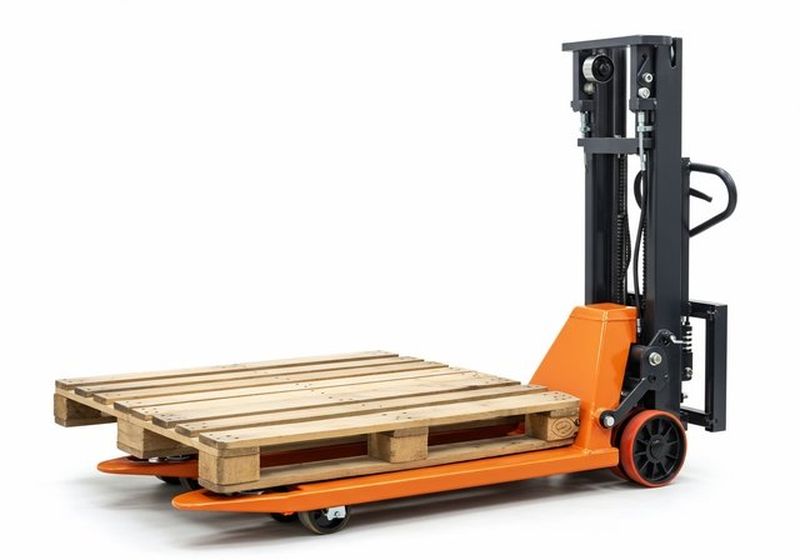
Shipping heavy freight without the right unloading equipment can lead to delays, damaged cargo, and unexpected costs. This quick guide explains what liftgate service is, when you need it, and how it can help businesses and budget-conscious buyers unload heavy shipments safely. You will also learn how liftgate delivery can save time, reduce labor risks, and prevent expensive delivery mistakes.
Table of Content:
- What Is Liftgate Service and How Does It Work?
- When Should You Use Liftgate Service?
- What Problems Can Liftgate Service Prevent?
- Is Liftgate Service Worth the Extra Cost?
- How Can YK Freight Help With Liftgate Deliveries?
What Is Liftgate Service and How Does It Work?
Many businesses and private customers order freight that is too large or too heavy to unload by hand. This is especially common with vehicle parts, engines, transmissions, industrial equipment, pallets of tires, toolboxes, generators, and other oversized cargo. In these situations, liftgate service can make the delivery process much easier and safer.
A liftgate is designed to help move freight between the truck and the ground without requiring a loading dock or forklift. For many customers, especially residential buyers or small businesses, this service can prevent delivery problems, injuries, and expensive freight damage.
Understanding how liftgate service works helps customers choose the right shipping option before the truck arrives.
What Is a Liftgate on a Delivery Truck?
A liftgate is a metal platform attached to the back of a delivery truck or trailer. It folds up when not in use and lowers down during loading or unloading. The platform is powered hydraulically and operated with simple controls by the driver.
When freight arrives, the driver places the pallet or heavy item onto the liftgate platform. The liftgate then slowly lowers the shipment from the truck bed to ground level. The same process works in reverse when cargo needs to be loaded onto the truck.
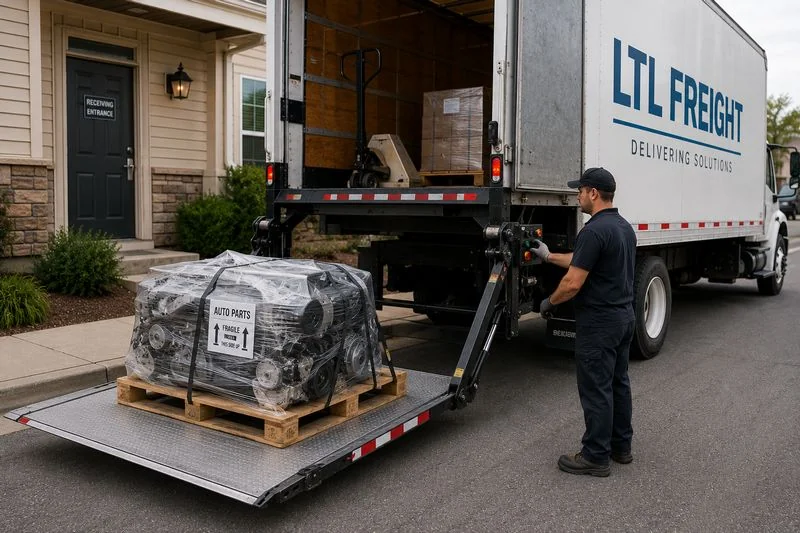
Without a liftgate, unloading heavy freight can become difficult if the location does not have a loading dock or forklift. Many homes, small warehouses, repair shops, and construction sites simply do not have the equipment needed to unload pallets safely.
For example, a customer buying a used engine from an online auction may have it shipped directly to a residential address. The freight could weigh hundreds of pounds. Without liftgate service, unloading would become extremely difficult and unsafe.
This is why many customers choose liftgate delivery when shipping vehicle parts or heavy equipment with YK Freight.
How Does a Liftgate Help Unload Heavy Freight?
Heavy freight can be dangerous to unload manually. Large pallets may shift, fall, or become damaged if workers try to move them without proper equipment. A liftgate helps reduce these risks by creating a stable platform between the truck and the ground.
Instead of forcing employees or customers to lift heavy cargo themselves, the liftgate handles the vertical movement safely and smoothly. This is especially important for freight such as:
- Engines and transmissions
- Pallets of auto parts
- Industrial machinery
- Heavy tools and equipment
- Crated vehicle components
- Commercial tires and wheels
Liftgate service also helps avoid injuries caused by improper lifting. Back strains, crushed fingers, and dropped freight are common problems during manual unloading. A damaged shipment can create additional costs, delays, and replacement orders.
For budget-conscious customers, avoiding even one damaged delivery can save a significant amount of money. Paying a small additional fee for liftgate service is often much cheaper than replacing damaged freight or hiring extra workers to unload the truck.
Another advantage is convenience. The unloading process becomes faster and less stressful for both the customer and the carrier.
Why Do Many LTL Shipments Require Liftgate Service?
LTL shipping stands for less-than-truckload freight. This type of shipping combines cargo from multiple customers into one truck. LTL shipments are commonly used for pallets, heavy parts, and commercial freight that do not require an entire trailer.
Many LTL deliveries require liftgate service because the receiving location is not equipped for freight unloading. Unlike large distribution centers, smaller businesses and residential customers usually do not have loading docks or forklifts available.
For example, someone ordering a transmission from another state may choose LTL shipping because it is more affordable than dedicated transport. However, when the truck arrives at a house or small repair shop, there may be no practical way to remove the pallet from the trailer. In this situation, a liftgate becomes essential.
When Should You Use Liftgate Service?
Many customers do not think about unloading until the truck arrives. They focus on shipping rates, delivery speed, and freight protection, but forget one important detail — how the cargo will actually get off the truck.
Liftgate service becomes necessary anytime heavy freight cannot be safely unloaded by hand and the delivery location does not have proper unloading equipment. This situation is very common with residential deliveries, construction sites, small businesses, and automotive shipments.
Planning ahead can help avoid failed deliveries, extra fees, damaged freight, and unnecessary stress on delivery day.
What Happens If Your Location Has No Loading Dock?
A loading dock allows freight trucks to unload cargo directly into a warehouse or facility at trailer height. Large commercial buildings often have docks designed specifically for pallet deliveries. However, many locations do not.
If your location has no loading dock, unloading freight becomes much more difficult. The trailer floor sits several feet above the ground, and heavy pallets cannot simply be pushed down safely.
Some customers assume the driver will help unload manually, but most freight carriers do not provide full unloading labor. In many cases, drivers are only responsible for transportation. Without proper equipment, the shipment may remain on the truck.
This problem often happens at:
- Small repair shops
- Tire stores
- Residential homes
- Storage units
- Farms and rural properties
- Temporary business locations
For example, a small auto shop may order a pallet containing transmissions or engines to save money buying used parts online. The shipment arrives on a large LTL truck, but the shop has no forklift or loading dock. Without liftgate service, unloading could become unsafe or impossible.
In some situations, the carrier may reschedule the delivery or charge additional fees if the correct unloading service was not requested in advance.
This is why discussing delivery conditions before shipping is important. YK Freight helps customers determine whether liftgate service is needed based on the shipment type and delivery location.
Why Is Liftgate Service Common for Residential Deliveries?
Residential deliveries are one of the most common situations where liftgate service is required. Most homes are not designed to receive freight shipments, especially large palletized cargo.
Unlike warehouses or commercial terminals, residential properties usually do not have:
- Loading docks
- Forklifts
- Pallet jacks
- Shipping bays
- Trained unloading staff
At the same time, many people now buy heavy items online to save money. This includes used auto parts, wheels, engines, transmissions, generators, and workshop equipment.
For example, someone restoring a salvage vehicle may purchase a replacement engine from another state because the price is lower than buying locally. Shipping the engine by LTL freight can save money, but unloading becomes a major challenge when the truck arrives at a driveway or residential street.
A liftgate allows the driver to safely lower the pallet directly to ground level. Without it, customers may need to hire additional labor or scramble to find unloading equipment at the last minute.
Residential areas may also have limited space for maneuvering large trucks. Faster unloading with a liftgate helps reduce delivery complications and keeps the process smoother for both the customer and the carrier.
For budget-conscious buyers, planning residential freight delivery correctly can prevent unexpected expenses and delivery delays.
Why Do Construction Sites Often Need a Liftgate?
Construction sites rarely have permanent unloading infrastructure ready during the early stages of a project. Materials and equipment often arrive before loading docks, paved access points, or forklifts are available.
This makes liftgate service extremely useful for construction deliveries.
Heavy freight commonly delivered to construction sites includes:
- Generators
- Compressors
- Tool storage units
- Industrial equipment
- Building materials
- Pallets of parts and supplies
Construction environments can also be uneven, muddy, or crowded. Manually unloading heavy freight in these conditions increases the risk of accidents and damaged cargo.
For example, a contractor may order a pallet of equipment for a temporary job site. The shipment arrives on an LTL truck, but there is no forklift on-site yet. A liftgate allows the cargo to be lowered safely onto the ground without delaying the project.
Another benefit is flexibility. Construction schedules change frequently, and liftgate service helps crews receive freight quickly without depending on additional unloading equipment.
Using a liftgate can also help smaller contractors avoid renting forklifts for simple deliveries, which can reduce project costs.
Can Liftgate Service Help With Vehicle Parts and Equipment Deliveries?
Liftgate service is especially valuable for automotive and equipment shipments. Many vehicle-related items are extremely heavy, oversized, or difficult to move safely by hand.
Common examples include:
- Engines
- Transmissions
- Differentials
- Axles
- Tool cabinets
- Vehicle lifts
- Heavy tires and wheels
- Industrial automotive equipment
Customers buying parts from online auctions or salvage yards often focus on finding the lowest purchase price. However, shipping logistics are just as important. A cheap part can quickly become expensive if unloading problems lead to freight damage or failed delivery attempts.
For example, someone may purchase a used transmission online to repair a vehicle on a budget. The transmission ships on a pallet through LTL freight because it is too heavy for standard parcel delivery. Without liftgate service at the delivery location, unloading the pallet safely could become extremely difficult.
What Problems Can Liftgate Service Prevent?
Many shipping problems happen during unloading, not during transportation itself. Even if freight arrives safely at the destination, the final step of getting it off the truck can still create serious risks when the proper equipment is not available.
Heavy pallets, oversized vehicle parts, and industrial equipment are difficult to unload manually. Without a liftgate, customers may face injuries, freight damage, delays, failed deliveries, and unexpected expenses.
For budget-conscious businesses and private buyers, these problems can quickly turn an affordable shipment into an expensive mistake. Liftgate service helps reduce many of these risks before they happen.
How Can a Liftgate Reduce the Risk of Injuries?
Manual unloading is one of the most dangerous parts of freight delivery. Heavy cargo can easily cause injuries if workers try to lift, push, or lower it without proper equipment.
Common unloading injuries include:
- Back strains
- Muscle injuries
- Crushed fingers or hands
- Slips and falls
- Shoulder injuries
- Foot injuries caused by dropped freight
Large pallets often weigh hundreds or even thousands of pounds. Trying to move this type of freight down from trailer height without mechanical assistance can become extremely dangerous.
For example, a small repair shop may receive a pallet containing an engine or transmission. Without a liftgate, workers might attempt to slide the pallet down manually or improvise unloading methods using ramps or makeshift equipment. This creates serious safety risks.
A liftgate provides a stable platform that lowers freight gradually and safely to ground level. This removes much of the physical strain involved in unloading heavy shipments.
It also helps businesses avoid workers’ compensation issues, lost productivity, and medical costs caused by preventable injuries.
Even for residential deliveries, liftgate service can make a major difference. Many customers ordering vehicle parts or heavy equipment do not realize how difficult unloading can be until the truck arrives. Using a liftgate helps avoid unsafe last-minute unloading attempts.
Why Is Freight Damage More Likely Without a Liftgate?
Heavy freight is much harder to control without proper unloading equipment. When pallets are pushed, dragged, or lowered manually from a trailer, the risk of dropping or damaging the shipment increases significantly.
This is especially true for:
- Engines
- Transmissions
- Electronics
- Industrial machinery
- Fragile vehicle components
- Crated automotive parts
Freight damage often happens because of sudden impacts during unloading. Even small drops can damage expensive parts internally.
For example, a used transmission purchased online may look fine externally after delivery, but internal damage caused by improper unloading could lead to expensive repairs or installation problems later.
Without a liftgate, customers sometimes attempt risky unloading methods, such as:
- Sliding pallets off the trailer
- Using undersized ramps
- Lifting cargo manually with multiple people
- Attempting to unload with personal vehicles or small jacks
These situations can easily result in damaged freight.
A liftgate creates a controlled unloading process. The shipment remains level while being lowered to the ground, reducing the chance of sudden movement or impact damage.
For customers trying to save money on freight shipping, avoiding one damaged shipment can easily justify the cost of liftgate service.
What Happens If Heavy Freight Falls During Unloading?
When heavy freight falls from a trailer, the consequences can be expensive and dangerous. A truck bed sits several feet above the ground, so even a short fall can seriously damage cargo.
Some shipments may become completely unusable after impact. Others may develop hidden structural damage that is not immediately visible.
For example:
- A cracked engine block may leak after installation
- A damaged transmission housing may fail under load
- Bent equipment frames may affect performance
- Sensitive electronics may stop working entirely
In addition to damaging the freight itself, falling cargo can also damage nearby vehicles, buildings, tools, or other shipments.
There is also the risk of personal injury. Heavy pallets can shift unexpectedly during unloading and create dangerous situations for workers or customers standing nearby.
Replacing damaged freight often creates additional costs beyond the product itself, including:
- Reshipping fees
- Delayed repairs or projects
- Extra labor costs
- Missed business deadlines
- Additional storage fees
For budget-focused customers, these unexpected expenses can become much larger than the original shipping savings.
Using liftgate service helps minimize these risks by keeping freight stable throughout the unloading process.
How Can Liftgate Service Save Time During Delivery?
Many people think liftgate service is only about safety, but it also helps make deliveries faster and more efficient.
Without a liftgate, unloading may require:
- Additional workers
- Rental equipment
- Manual pallet movement
- Rearranging freight inside the trailer
- Multiple unloading attempts
All of this takes time and can delay the delivery process.
For example, if a customer is unprepared to unload a heavy pallet, the driver may need to wait while equipment is located or additional help arrives. In some cases, the delivery may even need to be rescheduled.
Is Liftgate Service Worth the Extra Cost?
Some customers hesitate to add liftgate service because they want to keep shipping costs as low as possible. At first glance, paying extra for unloading assistance may seem unnecessary. However, many people only realize the value of a liftgate after facing unloading problems, damaged freight, or unexpected delivery fees.
In many situations, liftgate service actually helps reduce overall costs. It can prevent injuries, speed up deliveries, reduce labor needs, and protect expensive freight from damage.
For businesses and private buyers working within a tight budget, avoiding one major delivery problem can easily save more money than the liftgate service itself costs.
Can a Liftgate Reduce Labor Costs for Businesses?
Unloading heavy freight manually often requires multiple workers. Large pallets, engines, transmissions, and industrial equipment can be difficult and time-consuming to move safely without proper unloading equipment.
For small businesses, this creates additional labor costs.
Instead of assigning employees to spend time unloading freight manually, a liftgate allows the process to move much faster with less physical effort. In many cases, one employee can safely receive the shipment instead of needing several workers to assist.
For example, an independent auto repair shop may receive a pallet containing engines or transmissions several times each month. Without liftgate service, workers may need to stop repairs and spend time helping unload freight manually. This reduces productivity and takes employees away from paying jobs.
Liftgate service helps businesses:
- Reduce unloading time
- Avoid overtime labor
- Keep employees focused on regular work
- Lower injury-related downtime
- Prevent delivery delays
Even businesses that have limited staff can receive heavy freight more efficiently with a liftgate.
For budget-conscious operations, improving efficiency is important. Saving employee time on every shipment can create long-term cost savings over time.
Why Is Paying for Liftgate Service Sometimes Cheaper Than Freight Damage?
Many customers focus only on the upfront shipping cost and overlook the financial risk of improper unloading.
Freight damage can become extremely expensive, especially for high-value automotive or industrial shipments. A damaged engine, transmission, or commercial component may require:
- Replacement shipping
- Refund processing
- Repair costs
- Additional labor
- Delayed projects
- Lost business time
In some situations, insurance claims can take weeks to resolve. Meanwhile, the customer may still need to purchase replacement parts or reschedule repairs.
For example, someone buying a used engine online to save money may spend thousands less compared to buying locally. However, if the engine is damaged during unloading because proper equipment was unavailable, the savings disappear quickly.
Liftgate service reduces the chance of:
- Freight falling from the truck
- Improper manual unloading
- Pallet instability
- Sudden impact damage
- Unsafe unloading methods
The additional cost for liftgate service is usually small compared to the potential cost of replacing damaged freight.
This is especially important for customers buying used vehicle parts from auctions or salvage yards, where replacement inventory may not always be easy to find again.
How Can Budget-Conscious Shippers Avoid Expensive Delivery Mistakes?
People trying to save money on shipping often focus only on finding the lowest freight rate. While affordable shipping matters, choosing the wrong delivery setup can create hidden costs later.
One of the most common mistakes is failing to plan for unloading.
Customers sometimes assume they can unload heavy freight themselves, only to discover on delivery day that the shipment is much larger or heavier than expected. This can lead to:
- Failed delivery attempts
- Rescheduling charges
- Emergency equipment rentals
- Additional labor costs
- Damaged freight
- Delayed projects
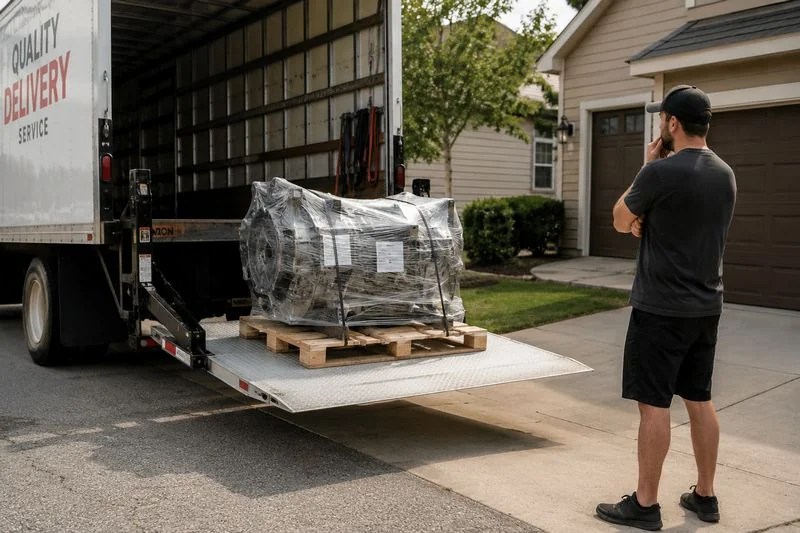
For example, a customer may order a used transmission online because the purchase price is significantly lower than local options. The freight quote seems affordable, so they skip liftgate service to save money. But when the truck arrives, there is no forklift, loading dock, or safe unloading method available.
At that point, the customer may end up paying far more in additional fees or delays than the original liftgate charge would have cost.
Budget-conscious shippers can avoid these problems by planning ahead and asking simple questions before booking freight:
- Does the delivery location have a loading dock?
- Is a forklift available?
- How heavy is the shipment?
- Can the freight safely be unloaded manually?
- Is the shipment palletized?
Discussing these details in advance helps prevent unexpected delivery complications.
YK Freight helps customers review delivery conditions before shipping so they can choose the most practical and cost-effective option.
When Does Liftgate Service Make More Sense Than Manual Unloading?
Manual unloading may work for small or lightweight shipments, but it becomes much less practical as freight size and weight increase.
Liftgate service usually makes more sense when:
- Freight weighs several hundred pounds or more
- The shipment arrives on a pallet
- No loading dock is available
- The delivery location is residential
- Employees are not trained for heavy unloading
- The freight is fragile or expensive
- The customer lacks unloading equipment
For example, unloading a pallet containing a vehicle engine manually is not only difficult but also risky. Even if several people are available to help, controlling the weight safely can still be a problem.
How Can YK Freight Help With Liftgate Deliveries?
Shipping heavy freight is not only about moving cargo from one location to another. Proper delivery planning is just as important as transportation itself. Many delivery problems happen because customers are not fully prepared for unloading when the truck arrives.
YK Freight helps customers choose delivery options that match their shipment type, budget, and unloading conditions. Whether the freight is going to a business, repair shop, construction site, or residential address, planning ahead can help avoid delays, damaged freight, and unnecessary expenses.
Liftgate service is one of the most common solutions for locations that do not have loading docks or forklifts available.
What Types of Freight Can Be Delivered With Liftgate Service?
Liftgate service is commonly used for freight that is too large or too heavy for manual unloading. Most palletized shipments can be delivered with a liftgate as long as the freight meets the carrier’s size and weight limits.
Common examples include:
- Engines and transmissions
- Vehicle parts and components
- Pallets of tires and wheels
- Toolboxes and shop equipment
- Industrial machinery
- Generators and compressors
- Construction equipment
- Crated freight and commercial supplies
Many customers use liftgate service when buying used auto parts online because it allows heavy items to be delivered directly to homes, repair shops, or storage locations without needing special unloading equipment.
For example, someone repairing a salvage vehicle may order a replacement engine from another state to save money. The engine ships on a pallet through LTL freight. Since most residential properties do not have forklifts or loading docks, liftgate service helps unload the shipment safely at ground level.
Small businesses also benefit from liftgate deliveries because they may not receive freight often enough to justify owning expensive unloading equipment.
YK Freight works with customers to determine whether their shipment qualifies for liftgate delivery and whether additional services may be needed based on freight size or destination conditions.
How Does YK Freight Help Customers Choose the Right Delivery Option?
Many customers are unfamiliar with freight shipping requirements, especially when ordering heavy cargo for the first time. They may not realize that unloading conditions can affect the delivery process just as much as transportation itself.
YK Freight helps customers review important details before shipping, including:
- Shipment size and weight
- Delivery address type
- Loading dock availability
- Access for large trucks
- Freight handling requirements
- Residential or commercial delivery conditions
This planning helps reduce the risk of failed deliveries and unexpected fees.
For example, a customer ordering a used transmission may assume standard freight delivery is enough. However, if the shipment is going to a residential location without unloading equipment, liftgate service may be necessary to complete the delivery safely.
Instead of discovering these problems on delivery day, customers can prepare ahead of time and choose the right service from the beginning.
YK Freight also helps customers understand the difference between freight options such as:
- Standard LTL delivery
- Residential freight delivery
- Liftgate service
- Limited-access delivery
- Terminal pickup options
Choosing the correct setup can help customers avoid unnecessary delays and keep shipping costs under control.
Why Is Planning Delivery Equipment Important Before Shipping?
Many freight problems happen because unloading equipment is not discussed before the shipment is booked.
Customers often focus on the freight rate itself and forget to think about questions such as:
- How will the shipment get off the truck?
- Is a forklift available?
- Does the location have enough space for unloading?
- Is the freight too heavy for manual handling?
- Will the truck have easy access to the property?
These details become extremely important for heavy automotive freight and industrial equipment.
For example, a pallet containing an engine may weigh over 1,000 pounds. Even if several people are available to help, safely unloading that amount of weight manually can still be dangerous.
Without proper planning, customers may face:
- Failed delivery attempts
- Additional carrier fees
- Delivery rescheduling
- Freight damage
- Equipment rental costs
- Delayed projects or repairs
Planning ahead helps avoid these problems and makes the delivery process much smoother.
It also helps customers avoid paying for unnecessary services. In some cases, terminal pickup or business delivery may be more affordable than residential liftgate delivery if the customer already has unloading equipment available.
YK Freight helps customers evaluate these options before shipping so they can choose the most practical solution for their budget and delivery needs.
How Can You Request Liftgate Service for Your Shipment?
Requesting liftgate service is usually simple, but it is important to arrange it before the shipment is dispatched. Waiting until delivery day may lead to delays or additional fees because not every truck is equipped with a liftgate.
When booking freight, customers should provide accurate information about:
- Freight weight and dimensions
- Delivery location type
- Whether a loading dock is available
- Whether a forklift or pallet jack is on-site
- Any access limitations for large trucks
This information helps determine whether liftgate service is required.
For example, residential addresses, storage units, farms, construction sites, and small repair shops are all locations where liftgate service is commonly needed.
Customers should also mention if the shipment contains fragile or high-value cargo that requires extra care during unloading.
YK Freight helps customers arrange the appropriate delivery services before shipping begins, helping reduce the risk of delays, unloading problems, and unexpected charges.
For businesses and private buyers trying to keep shipping costs under control, proper delivery planning can make the entire freight process safer, faster, and more affordable.
Further Reading
What Does LTL Mean?
What Is Partial Truckload Shipping? Benefits, Costs & Is It Right for You?
How to Cut Costs on Last Mile Delivery: Smart Tips for Savings
Freight Shipping Cost Explained: How to Save Money on Every Shipmen


ASK YOUR QUESTIONS