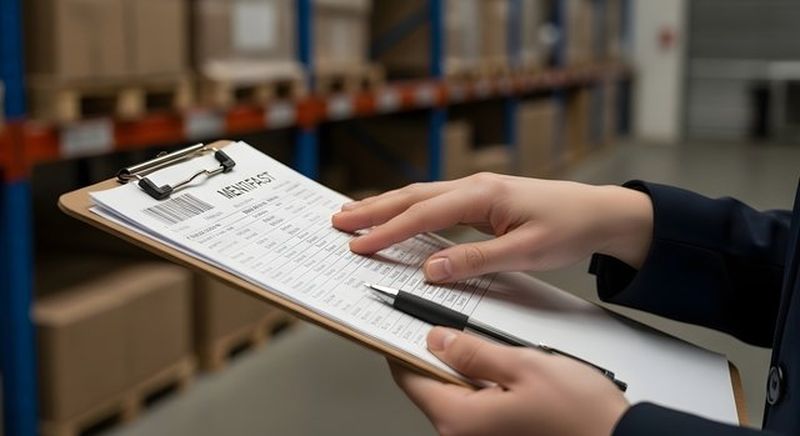
Completing a Bill of Lading correctly is one of the easiest ways to avoid delays, unexpected charges, and shipping disputes. This quick guide explains what information belongs on a BOL, common mistakes to avoid, and how to review the document with confidence. Whether you're shipping a vehicle for the first time or looking to simplify future shipments, understanding the BOL can help protect both your vehicle and your budget.
Table of Content:
- What Is a Bill of Lading and Why Does It Matter in Vehicle Shipping?
- What Information Do You Need to Complete a Bill of Lading Correctly?
- How Can You Complete a Bill of Lading Without Making Costly Mistakes?
- What Problems Can an Inaccurate Bill of Lading Cause?
- How Can Technology and YK Freight Help Simplify the BOL Process?
What Is a Bill of Lading and Why Does It Matter in Vehicle Shipping?
If you are shipping a vehicle for the first time, a Bill of Lading may seem like just another piece of paperwork. In reality, it is one of the most important documents involved in the transportation process. It serves as an official record of the shipment and helps ensure that everyone involved understands their responsibilities.
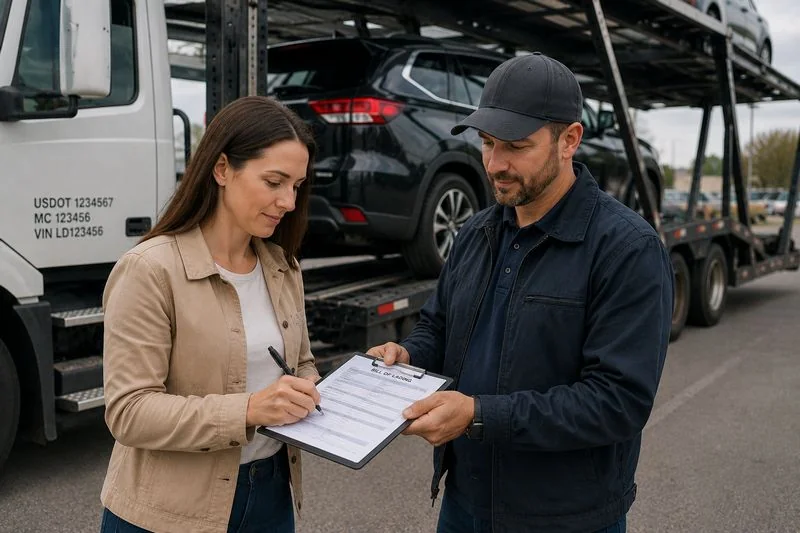
For budget-conscious vehicle owners, understanding the Bill of Lading is especially important. Whether you purchased a used car at auction to save money or arranged transport for a vehicle bought out of state, mistakes on this document can lead to delays, disputes, and unexpected expenses.
The good news is that a Bill of Lading is not as complicated as it may appear. Once you understand what it is, why it matters, and who handles it, completing the form becomes much easier.
What Is a Bill of Lading (BOL)?
A Bill of Lading, commonly called a BOL, is a legal document used during the transportation of goods, including vehicles. It is issued by the carrier and contains important information about the shipment.
The document serves several purposes at the same time. It acts as:
- A receipt confirming that the carrier has received the vehicle for transport;
- Evidence of the agreement between the shipper and the carrier;
- A transportation document that identifies who is entitled to receive the shipment.
In vehicle shipping, the BOL typically includes information such as the names of the parties involved, pickup and delivery locations, vehicle details, and notes about the vehicle's condition at the time of pickup.
Think of it as the shipment's roadmap and record book combined into one document. It tells everyone exactly what vehicle is being transported, where it is going, and what condition it was in before transportation began.
For example, imagine you found a reliable used SUV at an online auction because it cost thousands less than similar vehicles at local dealerships. Once the transport company picks up the vehicle, the Bill of Lading becomes the official document showing that the carrier accepted responsibility for transporting that specific SUV to its destination.
Why Is a Properly Completed BOL So Important?
A Bill of Lading only provides protection when it is completed accurately. Missing details or incorrect information can create unnecessary complications throughout the shipping process.
An incomplete or inaccurate BOL may contribute to problems such as:
- Shipment delays;
- Incorrect deliveries;
- Billing issues;
- Disputes regarding vehicle condition;
- More complicated damage claims;
- Additional transportation costs.
For people working within a limited budget, these issues can quickly eliminate the savings gained from purchasing an affordable vehicle.
Consider a buyer who purchased a used sedan in another state to save money. If the delivery address is entered incorrectly or the vehicle's existing damage is not documented properly, correcting those mistakes later may involve additional fees, delays, or disputes that could have been avoided.
Completing the BOL carefully helps protect both the customer and the carrier. It creates a shared understanding of the shipment and provides a clear record if questions arise later.
This is why reviewing the document before signing should never be treated as a formality. Taking a few extra minutes to confirm the accuracy of the information can prevent significant headaches down the road.
Who Typically Prepares and Handles the Bill of Lading?
Several parties may be involved in preparing and handling a Bill of Lading during vehicle transportation.
In most cases, the carrier issues the Bill of Lading. The shipper, meaning the person or business arranging the transport, reviews the document and provides the necessary information related to the shipment. The carrier then uses the BOL throughout the transportation process and presents it to the consignee, or recipient, at delivery.
The parties commonly involved include:
- The shipper, who arranges the transportation;
- The carrier, who transports the vehicle;
- The consignee, who receives the vehicle at delivery;
- In some situations, a broker or freight forwarder coordinating the shipment.
For example, if you purchase a vehicle through an auction platform and hire a transportation company to deliver it to your home, you may be listed as both the shipper and the consignee. The carrier would issue and maintain the Bill of Lading throughout transit.
Communication among these parties is essential. Accurate names, addresses, phone numbers, and shipment details help ensure that everyone has the information needed to complete the transport successfully.
What Information Do You Need to Complete a Bill of Lading Correctly?
Completing a Bill of Lading correctly starts with having the right information ready before the vehicle is picked up. This document should not be filled out from memory or based on guesses. Every detail should match the actual shipment, the vehicle documents, and the transportation agreement.
For budget-conscious vehicle buyers, this step is especially important. If you bought a used car at auction to save money, a simple paperwork mistake can turn a good deal into a stressful and expensive experience. Wrong addresses, missing vehicle details, or unclear condition notes may lead to delays, extra fees, or problems with damage claims.
Before signing the BOL, make sure the basic shipment details, vehicle information, condition notes, and special instructions are complete and easy to understand.
Which Shipper, Carrier, and Consignee Details Must Be Included?
The Bill of Lading should clearly list the main parties involved in the shipment. These details help the driver, carrier, customer, and receiver stay aligned throughout the transportation process.
The shipper is the person or company arranging the shipment. In vehicle shipping, this may be the auction buyer, dealership, broker, or vehicle owner.
The carrier is the transportation company responsible for moving the vehicle from pickup to delivery.
The consignee is the person or business receiving the vehicle at the final destination. In many personal vehicle shipments, the shipper and consignee may be the same person.
A complete BOL should include:
- Full legal names or business names;
- Pickup and delivery addresses;
- Phone numbers;
- Email addresses, if needed;
- Carrier name;
- Driver information, when available;
- Any reference number, order number, or shipment ID.
Accurate contact information matters because vehicle shipping often requires coordination. The driver may need to confirm gate access, meet a contact person, schedule delivery, or ask questions before loading the vehicle.
For example, imagine you purchased an affordable used car from an auction yard several states away. If the phone number for pickup is wrong, the driver may not be able to reach the auction yard or contact person. That can delay pickup and may lead to storage charges or rescheduling fees.
Checking these details before pickup is one of the easiest ways to avoid avoidable costs.
What Vehicle Information Should You Verify Before Filling Out the BOL?
The vehicle information on the Bill of Lading must be accurate. This helps confirm that the correct vehicle is being picked up, transported, and delivered.
Before filling out or signing the BOL, verify the following details:
- Vehicle Identification Number (VIN);
- Year, make, and model;
- Vehicle color;
- License plate number, if available;
- Odometer reading, if required;
- Lot number or auction reference number, if applicable;
- Vehicle title or purchase reference, when needed;
- Running or non-running status.
The VIN is especially important because it identifies the exact vehicle. Two vehicles may have the same make, model, and color, but the VIN is unique. If the VIN is entered incorrectly, it can create confusion at pickup, especially at busy auction yards where many similar vehicles are stored.
For example, a buyer may purchase a white Toyota Camry from an online auction. At the same yard, there may be several white Camrys waiting for pickup. A correct VIN and lot number help the carrier identify the right vehicle and avoid costly mistakes.
The running status should also be checked carefully. If a vehicle does not start, does not move, has no keys, or has locked wheels, the carrier may need special equipment. If this is not noted in advance, the shipment may be delayed or cost more than expected.
Why Do Vehicle Condition Notes and Special Instructions Matter?
Vehicle condition notes are one of the most important parts of the Bill of Lading. They show what condition the vehicle was in before transportation began.
At pickup, the carrier should inspect the vehicle and document visible damage. This may include:
- Dents;
- Scratches;
- Cracked glass;
- Broken lights;
- Missing mirrors;
- Damaged bumpers;
- Flat tires;
- Loose parts;
- Interior damage, if visible;
- Signs of prior accident or salvage damage.
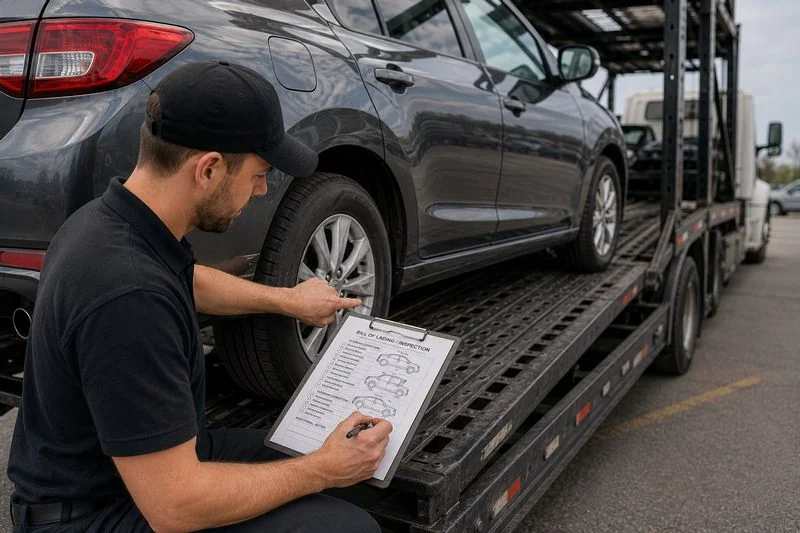
These notes help protect both the customer and the carrier. If the vehicle arrives with damage that was not listed at pickup, the BOL can help support the claim process. If the damage was already there, the condition notes can help prevent disputes.
Special instructions are also important. These may include details such as:
- Vehicle does not run;
- Keys are missing;
- Battery is dead;
- Vehicle has low ground clearance;
- Vehicle has oversized tires or modifications;
- Pickup requires appointment scheduling;
- Delivery location has limited truck access;
- Vehicle must be delivered to a repair shop or storage yard.
For budget-conscious buyers, this information can directly affect cost. A non-running vehicle may require a winch. A pickup location with limited access may require extra coordination. A delivery address on a narrow street may require meeting the carrier at a nearby open lot.
The more accurate the information is, the easier it is to plan the shipment correctly from the start.
What Additional Information Can Help Prevent Delays and Confusion?
In addition to basic names, addresses, and vehicle details, some extra information can make the shipping process smoother.
Helpful details may include:
- Pickup appointment requirements;
- Gate codes or access instructions;
- Auction release documents;
- Storage yard contact information;
- Delivery contact availability;
- Preferred delivery time window;
- Payment or billing reference;
- Notes about personal items in the vehicle;
- Photos taken before pickup;
- Any known mechanical issues that affect loading.
This information may seem small, but it can prevent delays. For example, if an auction yard requires a buyer number or release form before pickup, the driver may not be able to collect the vehicle without it. That can lead to missed appointments and possible storage fees.
Another common issue is delivery access. A large car carrier may not be able to enter certain apartment complexes, residential streets, or gated communities. If this is known in advance, the customer and driver can arrange a safe nearby meeting location.
At YK Freight, clear information helps reduce confusion and keeps the shipment moving as smoothly as possible. A properly completed Bill of Lading gives the carrier the details needed to transport the vehicle correctly, while helping the customer avoid unnecessary costs and stress.
How Can You Complete a Bill of Lading Without Making Costly Mistakes?
Completing a Bill of Lading correctly is not just about filling in blanks on a form. It is about creating an accurate record of the shipment that protects everyone involved. Even small mistakes can lead to delays, confusion, additional charges, or complications if a damage claim needs to be filed.
The good news is that most BOL errors are preventable. By taking a careful approach, verifying details, and reviewing the document before signing, you can significantly reduce the risk of problems during transport.
For budget-conscious vehicle owners, this extra attention can help preserve the savings gained from purchasing a vehicle at auction or finding a better deal outside the local market.
Why Should You Never Estimate Vehicle Details or Shipment Information?
One of the biggest mistakes people make when completing a Bill of Lading is relying on assumptions instead of verified information.
It may be tempting to estimate details such as the vehicle's condition, VIN, operational status, or pickup information, especially when you are trying to arrange transportation quickly. However, guesses can lead to costly consequences.
Always verify information directly from the vehicle documents, auction records, title paperwork, or physical inspection whenever possible.
Details that should never be estimated include:
- Vehicle Identification Number (VIN);
- Year, make, and model;
- Pickup and delivery addresses;
- Running or non-running condition;
- Existing vehicle damage;
- Contact information for all parties involved;
- Lot numbers or release numbers from auction facilities.
For example, suppose you purchased a vehicle from an online auction because it fit your budget. The listing mentioned that the vehicle started, but the battery later failed while the car was waiting for pickup. If the carrier arrives expecting an operational vehicle but discovers that loading equipment is required, the shipment could be delayed and additional charges may apply.
Using verified information from the beginning helps avoid misunderstandings and keeps the shipping process moving smoothly.
How Can Using the Same BOL Format Save Time and Reduce Errors?
If you ship vehicles regularly, using a consistent Bill of Lading format can simplify the process and reduce the likelihood of mistakes.
A standardized format helps ensure that important sections are not overlooked. It also makes it easier to identify missing information before the shipment begins.
Benefits of using the same BOL format include:
- Faster document preparation;
- Improved consistency across shipments;
- Reduced risk of forgetting important details;
- Easier recordkeeping and organization;
- Fewer last-minute corrections.
Even occasional shippers can benefit from reviewing a previous BOL as a reference when preparing a new shipment.
For instance, a small dealership that regularly transports vehicles from auctions may maintain a template containing standard company information. Instead of starting from scratch each time, employees only need to update shipment-specific details such as the VIN, pickup location, and delivery destination.
While every shipment is unique, having a familiar structure can improve efficiency and accuracy.
Why Is It Important to Double-Check Every Section Before Signing?
Reviewing the Bill of Lading before signing is one of the simplest ways to avoid future problems.
Once the vehicle enters transit, correcting errors becomes more difficult. A final review gives you an opportunity to identify missing information, spelling mistakes, incorrect contact details, or inaccurate condition notes.
Before signing the BOL, verify that:
- The shipper, carrier, and consignee information is correct;
- The VIN matches the vehicle being transported;
- Pickup and delivery locations are accurate;
- Existing damage has been documented properly;
- Special instructions have been included;
- The vehicle's operational status is listed correctly;
- Any required auction release information has been provided.
Reading through the document a second time may seem unnecessary, especially when everyone is eager to complete the pickup process. However, those few extra minutes can save hours of frustration later.
Imagine receiving your vehicle and discovering that an important condition note was missing from the original inspection report. Without that documentation, resolving the issue may become much more complicated than if the discrepancy had been caught before the shipment began.
A careful review protects both your vehicle and your peace of mind.
What Common BOL Mistakes Do First-Time Vehicle Shippers Make?
First-time shippers often focus heavily on transportation costs while underestimating the importance of accurate paperwork. As a result, certain mistakes tend to occur repeatedly.
Some of the most common BOL errors include:
- Signing the document without reviewing it carefully;
- Failing to verify the VIN;
- Forgetting to document existing vehicle damage;
- Providing outdated contact information;
- Not disclosing that the vehicle is non-running;
- Overlooking special delivery instructions;
- Assuming someone else has already checked the information;
- Neglecting the final inspection at delivery.
These mistakes usually happen because the shipping process is unfamiliar, not because the customer is careless.
Consider a family that purchases a reasonably priced minivan from another state to stay within budget. Excited about the savings, they quickly approve the transportation paperwork without verifying the details. Later, they realize the delivery contact number was incorrect, making coordination more difficult and delaying the final handoff.
Situations like this illustrate why understanding the Bill of Lading matters. The document is not simply a requirement for transportation—it is a practical tool that helps ensure the shipment proceeds as expected.
At YK Freight, we encourage customers to ask questions and take the time needed to review every section of the Bill of Lading. Shipping a vehicle should not feel overwhelming, and a little preparation can go a long way toward preventing unnecessary expenses.
What Problems Can an Inaccurate Bill of Lading Cause?
At first glance, a small error on a Bill of Lading may not seem like a major issue. A misspelled name, an incorrect phone number, or a missing note about the vehicle's condition can appear insignificant during pickup. However, even minor inaccuracies can create serious complications later in the shipping process.
The Bill of Lading serves as the official record of the shipment. It guides the carrier, supports communication between all parties, and provides documentation if questions arise. When the information on the BOL is incomplete or incorrect, the likelihood of delays, disputes, and unexpected costs increases significantly.
For budget-conscious vehicle owners, avoiding these problems is essential. The money saved by purchasing a vehicle through an auction or from an out-of-state seller can quickly disappear if preventable shipping issues occur.
How Can Incorrect Information Lead to Shipment Delays?
Transportation depends on accurate information. Carriers rely on the Bill of Lading to determine where the vehicle needs to be picked up, where it should be delivered, and what conditions may affect the shipment.
When information is incorrect, delays often follow.
Common examples include:
- Incorrect pickup or delivery addresses;
- Wrong contact phone numbers;
- Missing auction release numbers;
- Inaccurate lot information;
- Failure to mention that the vehicle is non-running;
- Missing appointment requirements for pickup locations;
- Incorrect vehicle identification details.
Imagine purchasing a used vehicle at an auction because it offered a substantial discount compared to local dealership prices. The carrier arrives at the auction yard, but the lot number listed on the BOL is incorrect. Instead of loading the vehicle immediately, additional time is spent locating the correct car and obtaining updated documentation.
In some cases, delays may result in storage fees, missed delivery windows, or rescheduling charges.
Providing complete and accurate information from the beginning helps reduce the risk of these avoidable setbacks.
Why Can Errors on a BOL Make Damage Claims More Difficult?
One of the most valuable functions of a Bill of Lading is documenting the vehicle's condition before and after transportation. If this information is incomplete or inaccurate, filing a damage claim can become much more complicated.
The pickup inspection creates a baseline showing what damage existed before transport began. The delivery inspection provides an opportunity to identify any changes.
Problems often arise when:
- Existing damage was never documented;
- Inspection notes were too vague;
- The delivery inspection was rushed;
- The BOL was signed without reviewing the condition report;
- New damage was discovered after the final paperwork had already been completed.
For example, suppose a buyer purchases an affordable SUV with minor cosmetic damage already disclosed by the auction. If those scratches and dents are properly recorded at pickup, it becomes easier to distinguish them from any new damage identified at delivery.
However, if the original condition report is incomplete, determining when the damage occurred may become much more difficult.
Accurate documentation protects both the customer and the carrier by creating a clear record of the vehicle's condition throughout the shipment.
How Can Documentation Mistakes Result in Unexpected Costs?
Many people focus on transportation rates when trying to save money, but documentation errors can create additional expenses that were never part of the original budget.
Depending on the circumstances, mistakes on the Bill of Lading may lead to:
- Storage fees;
- Additional loading equipment charges;
- Delivery rescheduling costs;
- Administrative fees related to correcting shipment records;
- Increased time spent resolving disputes;
- Delays that interfere with repair schedules or resale plans.
For instance, a customer may arrange transportation for what is believed to be a running vehicle. Upon arrival, the driver discovers that the vehicle does not start and cannot be loaded without specialized equipment. If that information was not disclosed beforehand, additional fees may apply.
Similarly, incorrect delivery instructions can require rerouting or alternative meeting arrangements that increase costs.
For buyers working within a limited budget, these unexpected expenses can significantly affect the overall value of the purchase.
Paying attention to documentation details is often just as important as comparing transportation quotes.
What Risks Can Be Avoided by Completing the BOL Correctly?
A properly completed Bill of Lading helps minimize many of the most common risks associated with vehicle transportation.
When accurate information is provided, you can reduce the likelihood of:
- Shipment delays;
- Delivery confusion;
- Communication breakdowns;
- Billing disputes;
- Damage claim complications;
- Unexpected transportation charges;
- Disagreements regarding vehicle condition;
- Time-consuming paperwork corrections.
Consider a first-time buyer who purchases a vehicle from an online auction to stay within budget. By carefully reviewing the Bill of Lading before signing, documenting existing damage, verifying contact information, and confirming the vehicle's operational status, that buyer significantly improves the chances of a smooth shipping experience.
Completing the BOL correctly does not eliminate every possible challenge, but it helps reduce avoidable risks and provides valuable documentation if problems arise.
At YK Freight, we encourage customers to view the Bill of Lading as more than just a required form. It is a practical tool designed to improve communication, increase transparency, and support a successful shipment from pickup through final delivery.
How Can Technology and YK Freight Help Simplify the BOL Process?
For many people, paperwork is one of the most intimidating parts of vehicle shipping. Between scheduling transportation, preparing the vehicle, and coordinating pickup and delivery, completing a Bill of Lading can feel like one more complicated task to manage.
Fortunately, technology has made the process much easier than it was in the past. Electronic documentation systems, digital records, and automated checks help reduce the likelihood of human error and improve communication between everyone involved in the shipment.
For customers trying to keep transportation costs under control, these improvements can be especially valuable. Accurate paperwork often means fewer delays, fewer disputes, and fewer unexpected expenses.
Technology cannot replace careful review, but it can provide tools that make the entire process faster, more organized, and easier to understand.
How Can Electronic Bills of Lading Improve Accuracy?
Traditional paper forms leave plenty of room for mistakes. Handwritten notes can be difficult to read, important sections may be skipped accidentally, and missing information may go unnoticed until after the shipment has already started.
Electronic Bills of Lading help address many of these challenges.
Digital systems often provide benefits such as:
- Required fields that cannot be left blank;
- Easier access to shipment records;
- Faster document sharing between parties;
- Improved readability;
- Reduced paperwork storage needs;
- Simplified updates before pickup;
- Better organization of shipment history.
For example, if a required phone number or vehicle identification number is missing, electronic systems may alert users before the document is finalized. This reduces the chance of preventable errors making their way into the transportation process.
Imagine purchasing a used vehicle from an auction because it offered the best value within your budget. The last thing you want is a delay caused by an overlooked paperwork error. Electronic documentation tools help identify those issues earlier, allowing them to be corrected before the vehicle enters transit.
Although digital systems improve efficiency, customers should still review every detail carefully before approving the final document.
Why Is Saving Shipment Information Useful for Future Transport Needs?
Many people ship vehicles more than once. Auto dealers, auction buyers, seasonal travelers, military families, and individuals relocating to another state may all arrange transportation repeatedly over time.
Saving shipment information from previous Bills of Lading can simplify future transactions.
Stored records can help by providing quick access to:
- Contact information;
- Frequently used pickup and delivery locations;
- Vehicle specifications;
- Previous shipment references;
- Billing details;
- Documentation preferences;
- Transportation history.
Having this information readily available reduces the amount of time spent gathering documents and filling out forms from scratch.
For example, a customer who regularly purchases vehicles through online auctions may transport several vehicles each year. Instead of repeatedly entering the same contact information and shipment preferences, previously saved data can streamline the process and improve consistency.
Even individuals shipping a vehicle only occasionally may benefit from maintaining copies of previous Bills of Lading. Those records can serve as useful references if questions arise in the future.
Organization may not seem exciting, but it can save time, reduce stress, and help prevent avoidable mistakes.
What FMCSA Rules Should Vehicle Shippers Understand About Bills of Lading?
While most vehicle owners do not need to become experts in transportation regulations, understanding a few key principles established by the Federal Motor Carrier Safety Administration (FMCSA) can help increase confidence during the shipping process.
One important concept involves transparency regarding the parties responsible for transporting the vehicle.
FMCSA regulations are designed to promote accountability and help ensure that the parties identified during the shipping arrangement match those involved in the actual transportation process.
For example:
- The carrier listed on the Bill of Lading should accurately reflect the company transporting the vehicle;
- Drivers should be properly associated with the carrier responsible for the shipment;
- Transportation arrangements should comply with applicable licensing and regulatory requirements.
These safeguards help reduce confusion and improve trust throughout the shipping process.
From a customer's perspective, the key takeaway is simple: review the information on the Bill of Lading carefully and ask questions if something appears inconsistent.
If the transportation details differ significantly from what was originally discussed, clarification should be requested before the shipment proceeds.
Understanding these basic principles helps customers make informed decisions without becoming overwhelmed by regulatory complexities.
How Can YK Freight Help You Complete Shipping Paperwork with Confidence?
Completing shipping paperwork should not feel overwhelming, especially for customers who are already balancing transportation costs, vehicle expenses, and tight budgets.
At YK Freight, we believe that clear communication and accurate documentation contribute to a smoother shipping experience. While customers remain responsible for reviewing their information carefully, having knowledgeable professionals available to answer questions can make the process much less stressful.
Our team encourages customers to:
- Review all shipment details before signing;
- Verify vehicle information carefully;
- Document existing vehicle condition thoroughly;
- Ask questions whenever something is unclear;
- Confirm pickup and delivery instructions in advance.
These simple steps can significantly reduce the likelihood of misunderstandings and unexpected expenses.
Consider a first-time auction buyer who purchased a vehicle because it offered excellent value compared to local market prices. Navigating transportation paperwork may initially seem intimidating. However, with proper guidance and attention to detail, completing the Bill of Lading becomes a manageable part of the process rather than a source of anxiety.
A Bill of Lading is not just another document that requires a signature. It serves as an important record that supports communication, protects all parties involved, and helps create a successful shipment from pickup through delivery.
At YK Freight, our goal is to help customers approach vehicle transportation with greater confidence. By emphasizing accuracy, encouraging questions, and supporting clear documentation practices, we strive to make the shipping process as straightforward and stress-free as possible.
Further Reading
What Is a Bill of Lading (BOL)? Complete Guide to Shipping Documents
Documents & Deadlines for a Smooth and Successful Container Move
What Does FOB Mean in Freight Shipping? Simple Guide for Budget Shippers
What You Need to Know About Customs Procedures in Container Drayag


ASK YOUR QUESTIONS