International shipping can feel complicated, especially when you need to control costs. This short guide explains how international shipping works, which transportation methods are available, what affects price and delivery time, and which documents you may need. You’ll also learn practical ways to avoid delays, unexpected fees, and costly mistakes when shipping a vehicle or other freight overseas.
Table of Content:
- What Is International Shipping and Why Is It Important?
- How Does the International Shipping Process Work?
- What Are the Main Ways to Ship Internationally?
- How Much Does International Shipping Cost and How Long Does It Take?
What Is International Shipping and Why Is It Important?
International shipping is the process of moving goods from one country to another. It connects sellers, buyers, manufacturers, ports, warehouses, and transportation companies across borders.
For individuals, international shipping can make it possible to buy products or vehicles that are cheaper or easier to find in another country. For businesses, it opens access to new customers, suppliers, and markets.
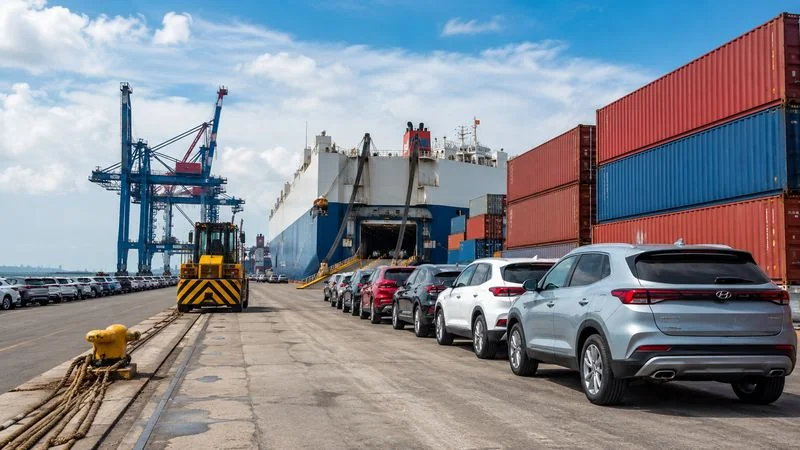
This is especially important when buying a vehicle in the United States and sending it overseas. A car may look affordable at an auction, but the purchase price is only one part of the total cost. Transportation to the port, export paperwork, ocean freight, customs fees, and delivery after arrival can all affect the final budget.
For a buyer trying to save money, understanding how international shipping works helps avoid unexpected expenses. It also makes it easier to compare shipping options and choose a method that offers a reasonable balance between price, speed, and reliability.
What Does International Shipping Mean?
International shipping means transporting cargo across national borders. The shipment may travel by sea, air, truck, rail, or a combination of several transportation methods.
For example, a vehicle purchased at an auction in Georgia may first be transported by truck to the Port of Savannah. From there, it can be loaded onto a vessel and shipped to another country. After arriving at the destination port and clearing customs, the vehicle may need additional transportation to the buyer's city.
International shipping usually involves several stages:
- Pickup from the seller, auction, warehouse, or storage location
- Transportation to a port, airport, rail terminal, or export facility
- Export documentation and customs procedures
- Main international transportation
- Import customs clearance
- Transportation from the destination port to the final location
Each stage can involve different companies, documents, and fees.
For vehicle buyers, this means that shipping is not simply the ocean trip from one port to another. The entire journey from the auction yard to the final destination should be considered when estimating the real transportation cost.
How Is International Shipping Different From Domestic Shipping?
Domestic shipping takes place within one country. International shipping crosses at least one national border, which adds more rules, paperwork, and potential delays.
For example, moving a car from Atlanta to Savannah is a domestic shipment. The vehicle stays within the United States, so there is no international customs clearance.
Shipping that same vehicle from Savannah to another country is different. Export documents may be required before the vehicle can leave the United States. The destination country may also require import documents, duties, taxes, inspections, or other approvals.
International shipping can also be more complicated because of:
- Customs regulations
- Import and export restrictions
- Different documentation requirements
- Port schedules
- Currency differences
- Longer transportation distances
- Language differences
- Local taxes and duties
- Different vehicle import rules
These factors can affect both the price and delivery time.
A budget-conscious buyer may find a low shipping rate and assume it is the cheapest option. However, a cheaper quote may exclude inland transportation, port handling, documentation, or destination charges. Comparing the total cost is usually more useful than comparing only the advertised freight rate.
What Types of Goods and Vehicles Can Be Shipped Internationally?
A wide range of cargo can be shipped internationally, including consumer products, machinery, construction equipment, commercial goods, spare parts, and vehicles.
Common vehicle shipments include:
- Used cars
- New cars
- SUVs
- Pickup trucks
- Vans
- Motorcycles
- Commercial vehicles
- Salvage vehicles
- Non-running vehicles
- Automotive parts
Vehicles can be transported in different ways depending on their condition, size, destination, and budget.
For example, a running vehicle may be suitable for Ro-Ro shipping, where the vehicle is driven onto and off the vessel. This can be a practical option when available on the required route.
Container shipping may be more suitable when the vehicle needs additional protection, when several vehicles are shipped together, or when parts are transported with the vehicle.
Non-running or heavily damaged vehicles may require additional equipment during pickup, loading, and unloading. This can increase transportation costs, so buyers should confirm the vehicle's condition before arranging shipping.
Suppose someone buys a salvage car at a U.S. auction because the purchase price is several thousand dollars below local market value. The deal may still make sense, but only if transportation and handling costs remain within the buyer's budget. Knowing whether the vehicle runs, rolls, steers, and brakes can help produce a more accurate shipping estimate.
Companies such as YK Freight can help coordinate different parts of the transportation process, especially when a shipment needs to move between an auction location, warehouse, rail terminal, or port.
Why Do Customs Rules and Import Restrictions Matter?
Every country has its own rules for importing goods and vehicles. A shipment that is legal to export from the United States may still face restrictions when it reaches the destination country.
Customs authorities use shipping documents to determine what is being imported, its value, where it came from, and whether it meets local regulations.
Depending on the country and type of shipment, authorities may request documents such as:
- Bill of sale
- Vehicle title
- Commercial invoice
- Bill of lading
- Export documentation
- Identification documents
- Customs declarations
- Proof of vehicle value
Additional documents may also be required depending on the destination.
Import rules are particularly important when shipping vehicles. Some countries limit vehicles based on age, emissions standards, engine size, title type, or vehicle condition. Others may charge different taxes depending on the vehicle's value, year, or engine specifications.
For example, buying an older vehicle for a low auction price may seem like a good way to save money. However, if the destination country restricts older vehicles or charges high import duties on them, the final cost may be much higher than expected.
The same applies to salvage vehicles. A damaged vehicle may be cheap to purchase in the United States, but certain countries may restrict or completely prohibit the import of vehicles with specific title types.
That is why import rules should be checked before bidding on a vehicle, not after it has already been purchased.
How Does the International Shipping Process Work?
International shipping is usually not one single trip. A shipment moves through several stages before it reaches the final destination. For a vehicle, the process can start at an auction yard or dealership in the United States and end hundreds or thousands of miles away in another country.
The exact route depends on where the vehicle is located, which port is used, the destination country, and the shipping method. However, most international shipments follow the same basic sequence:
- The cargo is picked up and transported to an export facility or port.
- Export documents are prepared and checked.
- The shipment leaves the country by vessel, aircraft, truck, rail, or a combination of transportation methods.
- Customs authorities in the destination country review the shipment.
- After clearance, the cargo is transported from the port or terminal to its final destination.
Understanding these stages is especially useful for buyers trying to control their shipping budget. A low ocean freight rate does not necessarily mean a low total shipping cost. Inland transportation, port charges, customs services, storage, and final delivery can add significantly to the final bill.
For example, imagine you buy a used vehicle at an auction several hundred miles from the export port. Before the car can even begin its international journey, someone has to pick it up and transport it to the port. That first part of the trip is called export haulage.
What Happens During Export Haulage?
Export haulage is the movement of cargo from its original location to the facility where the international part of the shipment will begin.
For vehicle shipping, the pickup point might be:
- An auto auction
- A dealership
- A private seller
- A storage yard
- A warehouse
- A repair facility
The destination of the export haulage stage might be a seaport, rail terminal, container yard, warehouse, or another transportation hub.
Suppose you purchase a car at an auction near Atlanta and plan to export it through the Port of Savannah. A carrier first needs to collect the vehicle and transport it from the auction yard to Savannah. That inland trip is part of export haulage.
The cost can vary depending on several factors:
- Distance between the pickup location and port
- Vehicle size and weight
- Whether the vehicle runs
- Pickup accessibility
- Carrier availability
- Fuel costs
- Required equipment
- Delivery deadline
A running sedan is generally easier to move than a heavily damaged SUV that does not roll or steer. A non-running vehicle may require a winch or specialized loading equipment, which can increase the price.
Location also matters. A vehicle located close to a major transportation route may cost less to move than a vehicle stored in a remote auction yard.
For budget-conscious buyers, it is smart to estimate this cost before purchasing the vehicle. A car that is $500 cheaper at one auction may not actually save money if transporting it to the export port costs $800 more.
Companies such as YK Freight can help coordinate inland transportation and port-related movements so that the different stages of the shipment work together.
How Does Export Customs Clearance Work?
Before an international shipment can leave the country, export requirements must be completed.
Export customs clearance is the process of checking the cargo and its documentation before it leaves the exporting country. The exact requirements depend on the type of cargo, destination, shipment value, and local regulations.
For vehicle exports from the United States, documentation is especially important. Authorities need to confirm information about the vehicle and verify that it can legally leave the country.
Common documents may include:
- Vehicle title
- Bill of sale
- Commercial invoice
- Export declaration
- Identification information
- Shipping instructions
- Bill of lading information
Additional documents may be required depending on the shipment.
The information on these documents should match. Errors in the VIN, buyer information, vehicle description, or title paperwork can create delays.
For example, if the VIN shown on a shipping document does not match the vehicle title, the shipment may need additional review. That can mean extra time at the port and potentially additional storage charges.
This is why document preparation should begin before the vehicle reaches the port whenever possible.
Export clearance may also involve coordination between several parties, including:
- The vehicle owner
- Freight forwarder
- Carrier
- Port or terminal
- Customs authorities
- Shipping line
Buyers should provide required documents as early as possible. Waiting until the scheduled vessel departure is approaching can create unnecessary problems.
For someone shipping on a tight budget, avoiding documentation delays is important because delays can lead to costs that were not included in the original estimate.
What Happens During International Transportation?
After export requirements are completed, the shipment begins the main international transportation stage.
This is usually the longest-distance part of the journey.
Cargo may move internationally by:
- Ocean vessel
- Air freight
- Truck
- Rail
- A combination of several transportation modes
For cars and other vehicles traveling between continents, ocean freight is one of the most common options because it can be significantly more economical than air transportation.
Two common methods for ocean vehicle transportation are Ro-Ro and container shipping.
With Ro-Ro shipping, vehicles are driven or moved directly onto a specialized vessel. At the destination, they are driven or moved off the vessel.
Container shipping places the vehicle inside a shipping container. Depending on the arrangement, one or several vehicles may be loaded into the same container.
The best option depends on factors such as:
- Vehicle condition
- Destination port
- Available shipping routes
- Vehicle dimensions
- Required protection
- Shipping budget
Transit time also varies by route.
A direct sailing may reach the destination faster than a route that requires the container or vehicle to be transferred between vessels at another port.
Buyers should also understand the difference between transit time and total delivery time.
For example, an ocean carrier may advertise a 15-day transit time. That does not necessarily mean the vehicle will arrive at the buyer's final location in 15 days. Time may also be required for:
- Port processing before departure
- Vessel scheduling
- Transshipment
- Unloading
- Customs clearance
- Final inland transportation
Weather, port congestion, vessel schedules, and customs inspections can also affect the timeline.
For buyers focused on saving money, the fastest option is not always necessary. If the shipment is not urgent, choosing a slower but more economical route may reduce transportation costs.
How Does Import Customs Clearance Work?
When the shipment reaches the destination country, it usually cannot simply leave the port and continue to the buyer.
It must first pass import customs clearance.
During this stage, customs authorities review the shipment and determine whether it meets the country's import requirements.
They may check:
- What is being imported
- The declared value
- Country of origin
- Ownership documents
- Vehicle age
- Vehicle condition
- Engine specifications
- Title status
- Applicable duties and taxes
The importer may also need to pay customs duties, VAT, import taxes, or other government charges before the vehicle can be released.
These costs are normally separate from the transportation price.
This is an important distinction for buyers working with a limited budget.
Suppose a buyer spends $4,000 on a vehicle and another $1,500 on transportation. That does not automatically mean the total cost is $5,500. Import duties, taxes, customs broker charges, port fees, and inland delivery may still need to be added.
The required paperwork varies from country to country, but documents can include:
- Bill of lading
- Vehicle title
- Purchase invoice or bill of sale
- Customs declaration
- Proof of payment
- Identification documents
- Import permits
Some countries also require inspections or certificates before a vehicle can be registered.
Customs may inspect the shipment physically or request additional documentation if something is unclear.
A mistake at this stage can become expensive. If the vehicle remains at the port while paperwork is corrected, storage or demurrage charges may accumulate.
Before purchasing a vehicle for export, buyers should therefore research the destination country's import requirements and estimate taxes and duties as part of the total budget.
What Is Import Haulage and Final Delivery?
After the shipment clears customs, it enters the final transportation stage.
Import haulage is the movement of cargo from the destination port, airport, rail terminal, or customs facility to its final delivery point.
For a vehicle, the final destination might be:
- The buyer's home
- A dealership
- A repair shop
- A warehouse
- A vehicle storage facility
- Another city or transportation terminal
This part of the journey is sometimes called final delivery or last-mile transportation.
Despite the name, the "last mile" can actually involve a significant distance.
For example, a vehicle may arrive at a major seaport, but the buyer may live several hundred miles inland. A local carrier may need to collect the vehicle from the port and transport it to the buyer's city.
The final transportation cost depends on factors such as:
- Distance from the port
- Vehicle size
- Vehicle condition
- Local carrier rates
- Road conditions
- Required equipment
- Delivery accessibility
Before arranging international shipping, it is useful to know whether the shipping quote includes final delivery.
Some quotes cover only port-to-port transportation. Others may include pickup in the United States but stop once the vehicle reaches the destination port.
Consider two shipping offers. One appears to be $300 cheaper, but it covers only ocean freight. The second includes inland transportation to the export port and additional coordination. Once all separate charges are calculated, the second option may actually cost less.
That is why international shipping should be viewed as one complete chain rather than a collection of unrelated transportation services.
What Are the Main Ways to Ship Internationally?
International freight can move by sea, air, road, rail, or a combination of several transportation methods. The right option depends on what you are shipping, where it needs to go, how quickly it must arrive, and how much you are prepared to spend.
For budget-conscious vehicle buyers, the cheapest method is often more important than the fastest one. A car purchased at a U.S. auction may already require inland transportation, port handling, export paperwork, and destination charges. Paying extra for speed only makes sense when faster delivery has a real value.
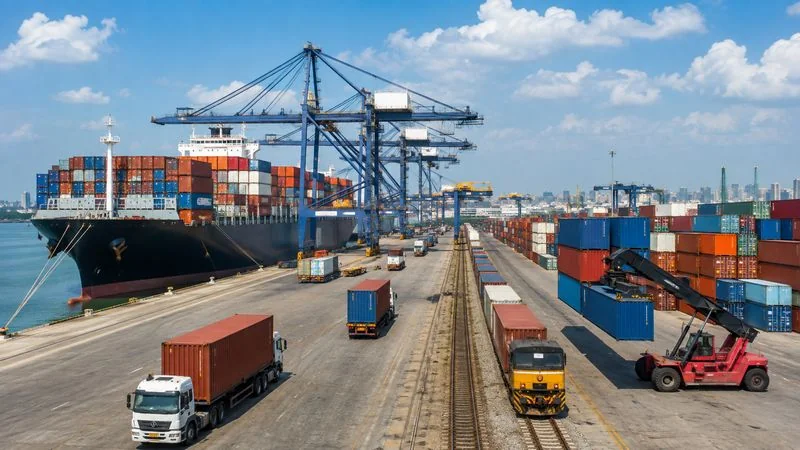
The main international shipping methods include:
- Ocean freight
- Air freight
- Road freight
- Rail freight
- Intermodal transportation
Each method has advantages and limitations. In many cases, a shipment will use more than one of them before reaching the final destination.
For example, a vehicle purchased in Atlanta may travel by truck to the Port of Savannah, cross the ocean by vessel, and then continue by truck after customs clearance in the destination country. Even though most of the distance is covered by sea, the complete shipment uses several transportation modes.
How Does Ocean Freight Work?
Ocean freight is one of the most common ways to move large or heavy cargo between countries. It is especially important for international vehicle shipping because ships can carry large volumes at a lower cost per unit than aircraft.
For cars, SUVs, trucks, machinery, and other large items, ocean transportation is often the most practical option when delivery is not extremely urgent.
The process usually begins with inland transportation to a seaport. Once the vehicle arrives at the port and export requirements are completed, it is loaded onto a vessel and transported to the destination country.
There are two common ocean shipping methods for vehicles: Ro-Ro and container shipping.
Ro-Ro shipping stands for roll-on/roll-off. Vehicles are moved onto a specialized vessel and secured inside. At the destination, they are moved off the vessel.
Ro-Ro can be a convenient and cost-effective option for running vehicles because it requires less loading equipment than container transportation.
However, availability depends on the route and destination port. Not every port offers Ro-Ro service to every country.
Container shipping places the vehicle inside a shipping container. A standard container can protect the vehicle from direct exposure during ocean transportation.
Container shipping can be useful when:
- The vehicle does not qualify for Ro-Ro
- Additional protection is preferred
- Several vehicles are being shipped together
- Auto parts or other cargo need to travel with the vehicle
- The selected destination is better served by container routes
In some cases, several vehicles can share container space. This may help reduce the shipping cost per vehicle, although loading and handling charges must still be considered.
Ocean freight is usually slower than air freight. Sailing schedules, transshipment ports, weather, and congestion can affect the timeline.
Still, for someone buying a $5,000 used car or salvage vehicle, paying a very high premium for air transportation usually makes little financial sense. Ocean freight often provides a better balance between cost and practicality.
How Does Air Freight Work?
Air freight transports cargo by aircraft and is usually the fastest international shipping method.
It is commonly used for:
- Urgent commercial shipments
- High-value goods
- Small automotive parts
- Electronics
- Medical equipment
- Time-sensitive components
The main advantage is speed. Cargo that might spend weeks moving by sea can sometimes reach another country within several days by air.
The main disadvantage is cost.
Air freight is normally priced based on the shipment's weight, dimensions, and chargeable weight. Large and heavy cargo can therefore become extremely expensive to transport by aircraft.
This makes air freight uncommon for standard passenger cars.
Shipping an entire used vehicle by air may cost far more than the vehicle itself, particularly when the car was purchased specifically to save money.
For example, someone who buys an inexpensive auction car for export is usually trying to keep the total landed cost below local market prices. If air transportation adds thousands of dollars compared with ocean freight, the original savings may disappear.
Air shipping can still make sense for automotive cargo in certain situations.
A repair shop may urgently need a small transmission component or electronic module. Waiting several weeks for ocean transportation could leave a vehicle unusable and cost the business more than the price difference between shipping methods.
In that situation, paying more for air freight may be reasonable.
The important question is not simply whether air freight is faster. It is whether the time saved is worth the additional cost.
How Does Road and Intermodal Transportation Work?
Road transportation plays an important role in international logistics even when the main international journey happens by sea or air.
Trucks often connect the individual stages of the shipment.
For example, a vehicle may need to move:
- From an auction to a warehouse
- From a dealership to a port
- From a rail terminal to a container yard
- From a port to a distribution center
- From the destination port to the final buyer
This means road transportation is often the first and last part of international shipping.
Truck freight can also cross international land borders directly. This is common between neighboring countries with established highway connections.
Rail transportation is another important option, particularly for moving containers over long inland distances.
Intermodal transportation combines two or more freight modes while keeping the cargo within the same transportation chain.
A common intermodal shipment may look like this:
Truck → Rail → Truck → Ocean Vessel → Truck
The truck handles shorter local movements, while rail or ocean transportation handles the longer-distance portions.
Containers are especially well suited to intermodal shipping because the same container can move between a ship, train, and truck chassis without unloading the cargo itself each time.
This can improve efficiency and reduce handling.
For example, a container arriving at a U.S. port may be transferred to rail and transported hundreds of miles inland. A drayage carrier can then collect the container from the rail terminal and deliver it to a warehouse.
YK Freight works with inland freight movements such as port drayage and intermodal transportation, which can help connect ports, rail yards, warehouses, and final delivery points.
For vehicle exporters, these inland stages matter because the ocean portion is only one part of the total route.
Which Shipping Method Is Best for Cars and Other Vehicles?
There is no single shipping method that is best for every vehicle.
The right choice depends on several factors:
- Vehicle value
- Vehicle condition
- Destination country
- Available routes
- Delivery deadline
- Vehicle size
- Required protection
- Total shipping budget
For most standard vehicle exports, ocean freight is the most practical starting point.
A running passenger car may be a good candidate for Ro-Ro when the service is available.
A high-value vehicle, damaged car, or shipment containing additional parts may be better suited to container transportation.
Large commercial vehicles and machinery may require specialized equipment, flat-rack containers, Ro-Ro service, or other oversized cargo solutions.
Vehicle condition is especially important.
A non-running car can be more difficult and more expensive to transport because it may require:
- Winching
- Forklift assistance
- Special loading equipment
- Additional labor
Before booking transportation, buyers should provide accurate information about whether the vehicle runs, drives, rolls, steers, and brakes.
Vehicle dimensions should also be checked. A compact sedan and a large pickup truck may have very different loading and transportation costs.
For budget buyers, the most useful approach is to compare the total cost of each realistic option rather than automatically choosing the lowest advertised rate.
For example, Ro-Ro may have a lower base ocean rate, but the destination port could be far from the buyer. A container route may cost slightly more on the ocean portion but arrive at a port with cheaper final transportation.
The second option could therefore be cheaper overall.
How Do You Choose Between Faster and Cheaper Shipping?
International shipping often involves a simple tradeoff: speed usually costs more.
A buyer who needs cargo urgently may choose faster transportation. Someone who has more flexibility can often reduce the shipping cost by accepting a longer transit time.
Before paying extra for faster service, ask a few practical questions:
- When do I actually need the shipment?
- How much does the faster option cost?
- How many days will it realistically save?
- Are customs and port delays still possible?
- Will faster transportation meaningfully improve the final outcome?
For a used-car buyer, saving $800 on shipping may be more valuable than receiving the vehicle one week earlier.
Suppose one shipping option costs $1,500 and takes around four weeks, while another costs $2,300 and arrives approximately ten days sooner.
If the vehicle is for personal use and there is no urgent deadline, paying an additional $800 may not be worthwhile.
On the other hand, if the vehicle is needed for a business and every week of delay creates lost income, faster transportation may justify the higher rate.
The cheapest option should also be examined carefully.
A very low quote may exclude:
- Vehicle pickup
- Port handling
- Documentation
- Loading charges
- Terminal fees
- Customs-related services
- Final delivery
This is why buyers should compare complete shipping estimates, not just the headline freight price.
A good international shipping decision balances three things: cost, transit time, and reliability.
How Much Does International Shipping Cost and How Long Does It Take?
There is no single price or delivery time for international shipping. The final cost depends on the cargo, route, transportation method, distance, port, and services included in the shipment.
For vehicle buyers, this is especially important. The cost of moving a car overseas is not limited to the ocean freight rate. A vehicle may need to be transported from an auction to a port, processed for export, loaded onto a vessel, cleared through customs, and delivered after arrival.
The same applies to delivery time. A vessel may spend a certain number of days at sea, but the complete shipping process also includes pickup, port processing, customs clearance, and final delivery.
A buyer working with a limited budget should therefore look at two numbers:
- The total shipping cost
- The total door-to-door or pickup-to-destination time
Looking only at the ocean rate or estimated sailing time can give an incomplete picture.
What Factors Affect International Shipping Costs?
International shipping prices are influenced by several factors, and even two similar vehicles can have different transportation costs.
The most important factors include:
- Origin and destination
- Distance to the export port
- Shipping method
- Vehicle size and weight
- Vehicle condition
- Port and terminal fees
- Fuel costs
- Carrier availability
- Seasonal demand
- Required handling
- Customs-related services
- Final inland delivery
Distance to the port can make a major difference.
Imagine two cars are available at auction for the same price. One is located 50 miles from the export port, while the other is 600 miles away. Even if the second car appears to be the better deal, the additional inland transportation could make it more expensive overall.
Vehicle size also matters.
A compact sedan usually takes up less space than a full-size SUV, pickup truck, or commercial van. Larger vehicles may cost more to transport by truck and may also require more space during ocean transportation.
Vehicle condition can affect the price as well.
A car that runs and drives is generally easier to load than one with severe collision damage or locked wheels.
Non-running vehicles may require:
- Winches
- Forklifts
- Specialized trailers
- Additional loading assistance
Those services can increase the transportation cost.
The shipping method is another major factor. Ocean freight is usually more practical for complete vehicles, while air freight is much faster but can be significantly more expensive.
Route availability matters too. A heavily traveled route with frequent vessel service may offer better rates than a less common destination that requires additional transfers.
For budget-conscious buyers, it is useful to calculate transportation costs before purchasing the vehicle. A cheap purchase price does not automatically mean the vehicle will be cheap to import.
How Long Does International Shipping Usually Take?
International shipping can take anywhere from several days to several weeks or longer, depending on the route and transportation method.
Air freight is generally the fastest option. Ocean shipping normally takes longer because vessels travel more slowly and operate according to fixed sailing schedules.
However, the international transit itself is only part of the timeline.
A typical vehicle shipment may include time for:
- Auction release
- Vehicle pickup
- Inland transportation
- Port processing
- Export documentation
- Waiting for vessel departure
- Ocean transportation
- Unloading at the destination
- Import customs clearance
- Final delivery
Each stage can affect the final arrival date.
For example, a vessel might take around two weeks to travel between ports, but that does not mean the complete shipment will take only two weeks. The vehicle may spend additional days waiting for pickup, export processing, vessel loading, customs clearance, or delivery after arrival.
Transit time also depends on whether the route is direct.
A direct service normally moves cargo from the origin port to the destination without transferring it to another vessel.
A transshipment route may require the cargo to stop at an intermediate port and continue on another vessel. This can increase the total shipping time.
Other possible causes of delay include:
- Port congestion
- Bad weather
- Vessel schedule changes
- Customs inspections
- Missing paperwork
- Holidays
- Terminal congestion
- Vehicle release delays
Buyers should therefore treat estimated delivery dates as estimates rather than guaranteed arrival dates unless a carrier specifically provides a guaranteed service.
If saving money is the main goal, accepting a slightly longer transit time may sometimes provide access to a cheaper transportation option.
What Extra Fees Should You Include in Your Budget?
One of the most common mistakes in international shipping is budgeting only for the main freight charge.
The final cost may include several separate expenses.
Depending on the shipment, these can include:
- Pickup from the auction or seller
- Inland transportation
- Export documentation
- Port handling
- Terminal fees
- Loading charges
- Container loading
- Ocean freight
- Documentation fees
- Customs broker fees
- Import duties
- Taxes
- Destination terminal charges
- Storage
- Demurrage
- Final delivery
Not every fee applies to every shipment, but buyers should know which charges are included in their quote.
For example, imagine a buyer finds an ocean shipping offer for $1,200.
At first, that sounds like the complete shipping cost. But the buyer later discovers that the rate does not include:
- $400 for transportation from the auction
- $150 in export-related charges
- $250 in destination port fees
- $300 for transportation after arrival
The actual transportation-related cost is now much higher than the original $1,200 quote.
Taxes and import duties should also be treated separately from freight costs.
These charges are normally determined by the destination country and may depend on factors such as:
- Vehicle value
- Vehicle age
- Engine size
- Vehicle type
- Country of origin
- Customs classification
Buyers should research these costs before purchasing a vehicle.
Storage fees deserve special attention as well.
If a vehicle reaches a port but cannot be released because documents are missing or customs procedures are incomplete, storage charges may begin accumulating. What started as a minor paperwork issue can quickly become an expensive delay.
Preparing documents early is therefore not only about convenience. It can also help protect your budget.
Further Reading
International Container Drayage: What You Need to Know
10 Interesting Facts About Ocean Freight Shipping for Cost-Savvy Shippers
What You Need to Know About Customs Procedures in Container Drayage
What Does FOB Mean in Freight Shipping? Simple Guide for Budget Shippers


ASK YOUR QUESTIONS