
Backorder shipping can feel confusing, especially if you’re trying to save money on car transport. Is it a delay or a smart way to pay less? In this quick guide, you’ll learn how backorders work, why they happen, and when they can actually help you reduce shipping costs and avoid overpaying.
Table of Content:
- What Is Backorder Shipping?
- What Is the Difference Between Backorder and Out of Stock?
- How Does Backorder Shipping Work in Auto Transport?
- Why Do Backorders Happen in Car Shipping?
- What Causes a Sudden Surge in Demand?
- How Do Supply Chain Problems Lead to Backorders?
- Can Poor Planning Cause Backorder Shipping?
- Is Backorder Shipping Good or Bad for Budget Buyers?
- How Can You Avoid Backorder Shipping Delays?
- Why Is It Important to Work With Multiple Carriers and Partners?
- How Can You Plan Shipments to Prevent Delays?
- How Can Tracking Demand Trends Help You Save Money?
- When Should You Accept Backorder Shipping Instead of Avoiding It?
What Is Backorder Shipping?
Backorder shipping means you place an order even though the product or service is not available right now, but it will be available soon. Instead of losing your spot, you agree to wait until it becomes available.
In simple terms, you are reserving your place in line.
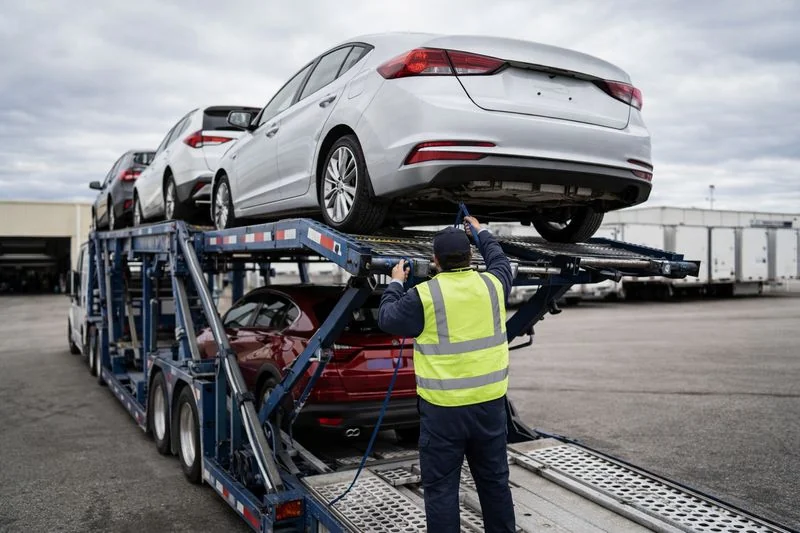
This concept is common in online shopping, but it also applies to logistics and car shipping. When demand is high or capacity is limited, companies allow customers to secure a future shipment instead of saying “not available.”
How Does Backorder Shipping Work?
The process is straightforward:
- You book a service (for example, car shipping)
- The service is currently unavailable or fully booked
- You still confirm and pay (or place a deposit)
- Your order goes into a queue
- Once availability opens, your order is fulfilled
This system helps both sides:
- You don’t lose your chance to ship at a reasonable price
- The carrier keeps future jobs lined up
For budget-conscious customers, this can be especially useful because cheaper shipping options are often the first to fill up.
Real-Life Example: Waiting for a Car Shipping Slot
Imagine you just bought a car from an auction and want to ship it to your city.
You find a good shipping rate, but there’s a problem:
all trucks on that route are already booked for this week.
You now have two options:
If you choose backorder shipping, you lock in the lower price, and your car will be picked up as soon as a truck becomes available.
What Is the Difference Between Backorder and Out of Stock?
Many people think “backorder” and “out of stock” mean the same thing. In reality, they are very different — and understanding this difference can help you make better decisions, especially if you’re trying to save money on car shipping.
What Does Backorder Really Mean?
Backorder means the product or service is not available right now, but there is a clear expectation that it will be available soon.
In most cases, you are given:
- An estimated timeline
- A place in the queue
- The option to secure the current price
For example, in car shipping, this could mean there are no trucks available today, but new capacity is expected within a few days. You can still book your shipment and wait your turn.
This is often the best option if you are not in a rush and want to avoid paying higher “rush” rates.
What Does Out of Stock Mean?
Out of stock means something is unavailable with no clear timeline for when it will return — or if it will return at all.
You don’t get:
- A guaranteed spot
- A reliable pickup window
- A clear price or schedule
In car shipping, this could mean:
- No carriers are currently operating on your route
- There is no confirmed schedule for future shipments
- You may need to wait indefinitely or change your plan
This situation creates uncertainty, which can lead to higher costs later.
Simple Example in Car Shipping
Let’s say you need to ship a car from one state to another.
- Backorder scenario:
All trucks for this week are booked, but new ones are expected early next week. You book now, secure your price, and wait a few days. - Out-of-stock scenario:
There are no trucks available, and no one knows when the next shipment will be possible. You cannot reserve a spot and may need to look for alternative routes or pay significantly more.
How Does Backorder Shipping Work in Auto Transport?
Backorder shipping in auto transport works as a queue system for limited carrier capacity. When there are more cars to move than available trucks, some shipments are scheduled for later — instead of being rejected.
This is very common in the car shipping industry, especially during busy periods like auction spikes or seasonal moves.
Step-by-Step: How the Process Works
Here’s how backorder shipping typically works in real life:
1. Customer books shipping
You request a quote and decide to ship your vehicle. You agree on the price and confirm your order.
2. Carrier capacity is full or delayed
At the moment of booking, all trucks on your route may already be assigned. This often happens with lower-cost shipping options, which get booked first.
3. Your order is placed in a queue (backorder)
Instead of canceling your request, the company places your shipment in line. You keep your agreed price and wait for the next available truck.
4. Shipment is completed when space becomes available
As soon as a carrier has an open spot — due to a completed delivery or route adjustment — your vehicle is picked up and transported.
This system allows you to secure a better rate, even if it means waiting a bit longer.
Real-Life Scenario: Saving Money by Waiting
Let’s say you bought a car from an auction and want to ship it to your city.
You receive two options:
- Fast pickup in 1–2 days, but at a higher price
- Delayed pickup in 5–7 days at a lower cost
If you’re not in a hurry, choosing the second option puts your order into a backorder queue. You wait a few extra days, but you save a noticeable amount of money on shipping.
This is exactly how many budget-focused buyers think:
“I’d rather wait a few days than overpay.”
Why Do Backorders Happen in Car Shipping?
Backorders in car shipping are often unexpected. Even when everything seems planned — trucks scheduled, routes confirmed, timelines set — delays can still happen.
The reason is simple: auto transport depends on many moving parts. A single disruption can affect the entire schedule.
Why Even Well-Planned Shipments Get Delayed
Car shipping is not as predictable as it may seem. Unlike standard delivery services, carriers move multiple vehicles across long distances, often combining routes and adjusting schedules in real time.
Here are a few realities of the industry:
- Trucks don’t always run on fixed schedules
- Routes change based on demand and location
- Delays in one delivery can affect the next pickups
- External factors (weather, traffic, mechanical issues) can shift timelines
Even if your shipment was planned in advance, something unexpected can happen just before pickup. When that happens, your order may move into a backorder queue until the next available truck is ready.
This doesn’t mean something went wrong — it’s simply how flexible logistics systems work.
Why Backorders Are a Normal Part of the Process
Backorders are not always a problem. In many cases, they are a practical solution to keep shipments moving without forcing customers to overpay.
Instead of canceling your order due to limited capacity, logistics providers place it in line and fulfill it as soon as possible. This approach helps maintain balance between supply (available trucks) and demand (cars that need to be shipped).
Experienced companies like YK Freight use this system to manage high demand while still offering affordable rates to customers who are willing to wait.
What Are the Main Causes of Backorders?
Backorders don’t happen randomly — they are usually triggered by specific situations.
What Causes a Sudden Surge in Demand?
A sudden surge in demand happens when many customers need car shipping at the same time. When this happens, available trucks fill up quickly, and new orders are pushed into a backorder queue.
In auto transport, supply (available carriers) does not instantly increase. So when demand spikes, delays become almost unavoidable — especially for lower-cost shipping options.
How Demand Spikes Affect Availability
When demand rises sharply:
- Available trucks get booked within hours or days
- Prices for urgent shipping go up
- Budget-friendly options become limited
- New orders are delayed and placed in queue
For customers trying to save money, this creates a trade-off:
wait longer or pay more for faster service.
This is one of the main reasons why backorders happen, even when everything was running smoothly before.
Common Reasons for Sudden Demand Surges
There are several typical situations that cause demand to spike in car shipping:
Seasonal peaks
Certain times of the year always bring higher demand. For example:
- Snowbird season (people moving between states)
- Holidays
- End-of-year vehicle purchases
During these periods, carriers are fully booked, and backorders become more common.
Auction spikes
When large auto auctions release a high number of vehicles at attractive prices, buyers act fast. Many people purchase cars at the same time and immediately request shipping.
As a result, carriers receive a wave of orders all at once.
Viral deals or promotions
Sometimes demand increases unexpectedly due to:
- Online promotions
- Bulk dealer purchases
- Market trends
A sudden “rush” like this can overload available transport capacity.
Real-Life Example: Competing for Limited Trucks
Imagine you and hundreds of other buyers purchase cars from the same auction within a few days.
Everyone needs shipping — and fast.
But there are only a limited number of trucks operating on that route.
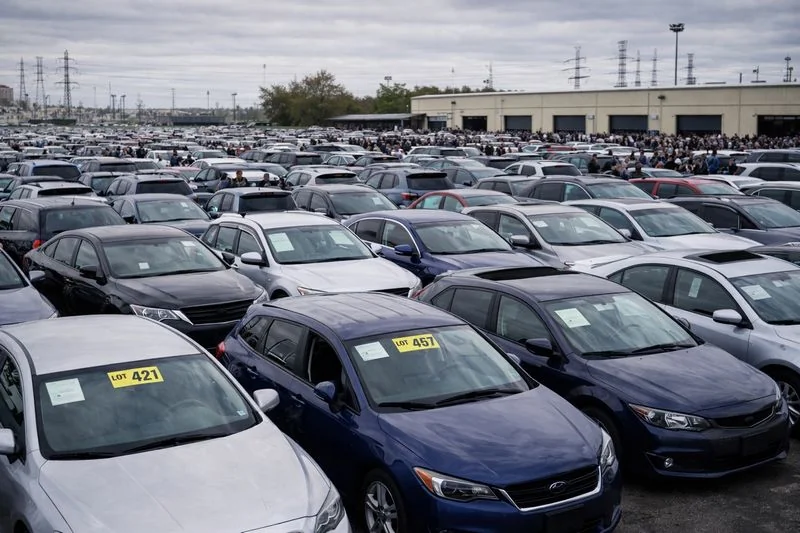
What happens next?
- Early bookings get immediate pickup
- The rest are placed in a queue
- Prices increase for urgent deliveries
If you want to stay within budget, you may choose to wait — which means your order becomes part of a backorder.
How Do Supply Chain Problems Lead to Backorders?
Backorders don’t only happen because of high demand. Very often, they are caused by problems on the logistics side — when something interrupts the normal flow of transportation.
In car shipping, everything depends on timing, coordination, and availability. If one part of the chain slows down, the entire schedule can shift, and new orders are pushed into a backorder queue.
What Happens When the Supply Chain Breaks Down?
Auto transport is a connected system. It includes carriers, drivers, dispatchers, ports, terminals, and routes. When one element fails or slows down, it creates a chain reaction:
- Trucks arrive later than planned
- New pickups get postponed
- Available slots disappear
- Orders are delayed and added to a queue
This is how even confirmed shipments can turn into backorders.
Common Supply Chain Issues in Car Shipping
Here are the most common reasons why logistics problems lead to backorders:
Not enough available carriers or drivers
There may simply not be enough trucks on your route. This can happen during busy seasons or when drivers are already assigned to other loads. Even if you’re ready to ship, there’s no one available to pick up your vehicle immediately.
Port congestion or terminal delays
If your vehicle is moving through a port or rail terminal, delays can occur due to heavy traffic, long processing times, or scheduling conflicts. Cars may sit longer than expected, which affects the next steps in delivery.
Weather conditions or equipment breakdowns
Bad weather, road closures, or mechanical issues can stop or slow down trucks. A single delay can affect multiple deliveries and push future shipments further down the schedule.
How Logistics Providers Help Solve These Problems
While these issues are common, experienced logistics companies don’t just wait — they look for solutions.
For example, companies like YK Freight can:
- Find alternative carriers on nearby routes
- Adjust pickup and delivery schedules
- Reroute shipments to avoid delays
- Combine loads more efficiently
This flexibility helps reduce waiting time, even when unexpected problems occur.
Can Poor Planning Cause Backorder Shipping?
Yes — not all backorders are caused by market demand or supply chain problems.
In many cases, delays happen because of poor planning or late decisions.
This is especially common in car shipping, where timing plays a major role in both price and availability.
How Poor Planning Leads to Delays
When shipping is not planned in advance, several issues can occur:
- The most affordable carriers are already booked
- Available trucks are limited to expensive options
- Pickup windows become longer
- Your order gets pushed into a waiting queue
In simple terms, the later you book, the fewer options you have.
Carriers usually plan their routes ahead of time. If you try to schedule shipping at the last moment, there may be no space left — especially on popular routes.
Real-Life Example: Booking Too Late
Imagine you just bought a car at a great price and want to ship it immediately.
You wait a few days before booking transport, thinking it won’t make a difference.
But when you finally request shipping:
- Affordable trucks are already full
- Only high-priced “urgent” options are available
- Or you are placed in a backorder queue
Now you face a choice:
- Pay more to ship immediately
- Or wait longer to stay within your budget
Many buyers in this situation choose to wait — which turns their shipment into a backorder.
How to Reduce Risk With Better Planning
The good news is that these delays are often avoidable.
Simple steps can make a big difference:
- Book shipping as soon as you purchase the vehicle
- Stay flexible with pickup dates
- Avoid last-minute decisions when possible
Working with experienced logistics providers like YK Freight also helps reduce these risks.
They can:
- Plan routes in advance
- Match your shipment with available carriers faster
- Offer realistic timelines instead of guesswork
Is Backorder Shipping Good or Bad for Budget Buyers?
Backorder shipping is not simply good or bad — it depends on your priorities.
For budget-conscious buyers, it can actually be a smart way to save money, but only if you understand the trade-offs.
If your main goal is to reduce costs and you’re not in a hurry, backorder shipping can work in your favor. But if timing is critical, it may create frustration.
What Are the Benefits of Backorder Shipping?
For many buyers trying to keep expenses low, backorder shipping offers clear advantages:
Lower cost options
Backorder shipments are usually tied to standard or flexible scheduling, which is cheaper than urgent delivery. You avoid paying extra for immediate pickup.
Flexibility if you are not in a rush
If you don’t need your car right away, waiting a few extra days can significantly reduce your shipping cost.
Ability to secure a spot in advance
Even if no trucks are available today, you can still lock in your order and price instead of searching again later when rates might be higher.
What Are the Downsides?
At the same time, there are some limitations you should consider:
Longer waiting time
You may need to wait several days — or sometimes longer — before your vehicle is picked up.
Less predictable delivery dates
Pickup and delivery windows can shift depending on carrier availability and route changes.
Possible storage or holding costs
If your car stays at an auction yard or storage facility while waiting, additional fees may apply.
Real-Life Example: Save Money or Save Time?
Let’s say you bought a car and received two shipping options:
- Fast delivery in 2–3 days for a higher price
- Standard delivery in 7–10 days at a lower cost
If you choose the second option, your shipment may be placed in a backorder queue. You wait about a week, but you save a noticeable amount of money.
This is a common decision for buyers who think:
“I don’t need the car tomorrow — I’d rather keep that extra cash.”
Companies like YK Freight often help customers choose the right balance between price and timing, offering flexible solutions instead of pushing only expensive fast shipping.
How Can You Avoid Backorder Shipping Delays?
Backorder delays are common in car shipping, but many of them can be avoided with simple planning.
If your goal is to save money and avoid long waiting times, a few smart steps can make a big difference.
Book Shipping Early
The earlier you book, the more options you have.
When you schedule transport in advance:
- You get access to more available carriers
- You can choose better pricing
- You reduce the risk of being placed in a queue
A good rule: book shipping as soon as you buy the car. Waiting even a few days can limit your options.
Avoid Peak Seasons When Possible
Certain times of the year always have higher demand.
Examples include:
- Holidays
- Snowbird season
- Large auction events
During these periods, trucks get fully booked very quickly. If you can plan around these busy times, you’ll have a better chance of getting faster pickup without delays.
If you can’t avoid peak season, try to book even earlier than usual.
Be Flexible With Pickup Dates
Flexibility is one of the easiest ways to avoid backorders.
Instead of requiring a strict pickup date:
- Allow a pickup window of a few days
- Be open to slight schedule changes
This gives carriers more room to fit your vehicle into their route, which often leads to faster service and better pricing.
Choose Reliable Carriers
Not all carriers operate the same way. Choosing experienced and reliable partners reduces the risk of delays.
A professional logistics company, like YK Freight, can:
- Match your shipment with the right carrier faster
- Provide realistic pickup timelines
- Adjust plans if something changes
This helps you avoid unnecessary waiting and unexpected issues.
Why Is It Important to Work With Multiple Carriers and Partners?
In car shipping, relying on just one carrier is risky. If that carrier is delayed, fully booked, or unavailable, your shipment may be pushed into a backorder.
This is why working with multiple carriers and partners is so important. It gives you more options and reduces the chances of delays.
What Does Supplier Diversity Mean in Simple Terms?
Supplier diversity simply means having more than one option.
Instead of depending on a single truck or company, your shipment can be matched with:
- Different carriers on the same route
- Alternative routes if needed
- Backup options if something goes wrong
Think of it like this:
If one option fails, you don’t start over — you just switch to another.
How Multiple Carrier Options Reduce Delays
When logistics providers have access to a wider network, they can act faster:
- If one truck is full, they can assign another
- If a route is delayed, they can reroute your shipment
- If a driver cancels, they can quickly find a replacement
This flexibility helps avoid long waiting times and reduces the risk of your order sitting in a queue.
For budget-conscious customers, this also means:
- More chances to find a good price
- Less pressure to pay for urgent shipping
- Better balance between cost and timing
What Happens If Something Goes Wrong?
Delays are sometimes unavoidable — weather, breakdowns, or scheduling conflicts can happen.
The difference is how quickly the problem is solved.
Logistics providers like YK Freight can:
How Can You Plan Shipments to Prevent Delays?
Planning your shipment is one of the easiest ways to avoid backorders and extra costs.
You don’t need a complex strategy — just a few smart steps taken at the right time.
In car shipping, timing affects everything: price, availability, and delivery speed.
What Does Good Planning Look Like?
A simple fulfillment strategy means thinking about shipping before problems appear, not after.
Here are the key ideas:
Plan ahead right after buying a car
As soon as you purchase a vehicle, start arranging transport. Early booking gives you access to more carriers and better pricing.
Align your purchase and shipping timelines
Try to match your buying decision with available shipping windows. If you know when your car will be ready, you can schedule transport without rushing.
Avoid last-minute decisions
Waiting too long limits your options. You may end up with higher prices or be forced into a backorder queue.
Real-Life Example: Saving Money With Early Planning
Imagine two buyers who purchased similar cars from an auction.
Buyer #1 waits
They delay booking shipping for a few days. When they finally request transport:
- Affordable carriers are already booked
- Only expensive or delayed options remain
- Their shipment is pushed into a backorder
Buyer #2 plans ahead
They arrange shipping immediately after purchase:
- They secure a lower price
- They get a faster pickup window
- No waiting in line
The difference is simple: timing.
Why Planning Helps You Stay Within Budget
Good planning doesn’t just reduce delays — it also helps you control costs.
When you plan ahead:
How Can Tracking Demand Trends Help You Save Money?
Understanding demand trends is one of the easiest ways to avoid delays and reduce shipping costs.
In car transport, prices and availability change depending on timing. If you know when demand is high or low, you can make smarter decisions.
Simply put: good timing = lower cost.
Why Timing Matters in Car Shipping
Carriers adjust their prices based on demand.
- When demand is high → prices go up, delays increase
- When demand is low → prices drop, trucks are more available
If you book shipping at the wrong time, you may:
- Pay more than necessary
- Wait longer for pickup
- End up in a backorder queue
But if you understand trends, you can avoid all of that.
Practical Ways to Use Demand Trends
Here are simple ways to use timing to your advantage:
Ship before peak season
If you know a busy season is coming, try to ship your car earlier.
For example, shipping before holiday rush or snowbird season often means:
- Lower prices
- Faster pickup
- Less competition for carriers
Watch auction trends
If you buy cars from auctions, pay attention to activity levels.
When many buyers purchase vehicles at the same time, shipping demand increases quickly.
If possible:
- Avoid booking right after major auction spikes
- Or book immediately before demand builds up
Plan around holidays
Holidays often slow down logistics:
- Fewer drivers available
- Higher demand before and after holidays
- Longer delivery times
Shipping just before or after these periods can help you avoid both delays and higher prices.
Real-Life Example: Saving Money With Better Timing
Imagine two buyers:
- Buyer #1 ships during peak demand
They book right after a major auction event.
Result: higher price and delayed pickup. - Buyer #2 tracks trends
They notice demand rising and book shipping a few days earlier.
Result: lower price and faster pickup.
The difference is not luck — it’s timing.
How This Helps You Stay Within Budget
For budget-focused customers, tracking demand trends means:
When Should You Accept Backorder Shipping Instead of Avoiding It?
Backorder shipping is not always something you need to avoid. In many cases, it is actually the smarter and more cost-effective choice — especially if your main goal is to save money.
Instead of thinking of backorders as a problem, it’s better to see them as a flexible option that works well in the right situation.
When Is Backorder Shipping the Right Choice?
There are several situations where choosing a backorder makes sense:
You want the lowest price
If your priority is saving money, backorder shipping is often the best option.
Urgent shipments cost more because carriers need to adjust routes quickly. When you agree to wait, you give carriers flexibility — and that usually means a lower price.
You are not in a hurry
If you don’t need your vehicle immediately, there’s no reason to pay extra. Waiting a few days (or even a week) can help you stay within budget without sacrificing reliability.
Market demand is high
During busy periods, trying to avoid backorders can be expensive.
You may end up overpaying just to get faster pickup. In this case, accepting a backorder allows you to:
- Lock in a reasonable rate
- Avoid peak pricing
- Still get your car shipped, just a bit later
Real-Life Mindset: Smart vs. Urgent Decisions
Imagine you just bought a car and see that shipping prices are higher than usual due to demand.
You have two choices:
- Pay a premium for immediate pickup
- Or accept a backorder and wait a few extra days
If you choose the second option, you’re making a strategic decision, not a compromise.
Many experienced buyers think like this:
“I’d rather wait a little than overpay for something I don’t urgently need.”
Why You Can Feel Confident Choosing Backorder Shipping
Backorder shipping is a normal part of the industry. It doesn’t mean your shipment is forgotten — it simply means it’s scheduled for the next available opportunity.
With reliable logistics providers like YK Freight, you still get:
- Clear communication
- Realistic timelines
- Active management of your shipment
Further Reading
What Is Cargo Consolidation and How It Saves You Money on Shipping
Spot Market vs Contract Freight Rates: How to Save on Shipping
Tips for Time-Sensitive Freight Shipments: Save Money and Ship On Time
Supply Chain Strategy: Smart Options to Save on Car Shipping


ASK YOUR QUESTIONS