
Choosing between a 3PL provider and a freight broker can directly affect your shipping costs, delivery speed, and overall logistics experience. This guide explains the main differences between both options, when each one makes sense, and how businesses, auction buyers, and vehicle shippers can choose the most cost-effective solution for their transportation needs.
Table of Content:
- What Is the Difference Between a 3PL and a Freight Broker?
- How Does a Freight Broker Help With Vehicle Shipping?
- How Can a 3PL Provider Simplify the Entire Shipping Process?
- Which Option Saves More Money for Your Business?
- How Can You Choose the Right Logistics Partner for Your Shipping Needs?
What Is the Difference Between a 3PL and a Freight Broker?
Many people entering the transportation industry hear the terms “3PL” and “freight broker” and assume they mean the same thing. Both help move freight from one place to another, both work with carriers, and both can help businesses arrange deliveries. However, their roles are very different.
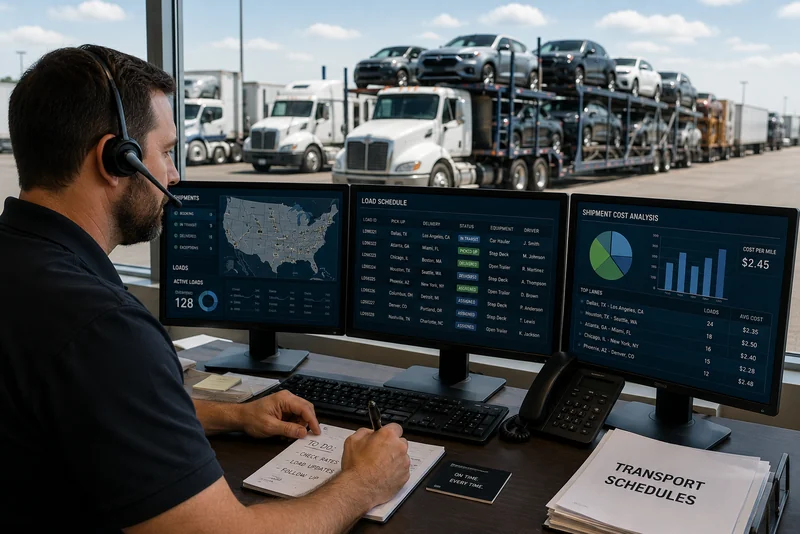
Understanding the difference between a 3PL provider and a freight broker is important, especially for businesses trying to control shipping costs and avoid delays. Choosing the wrong option can lead to unnecessary expenses, poor communication, or logistics problems that slow down deliveries.
For example, someone who buys one vehicle from an online auto auction may only need help finding a carrier for a single shipment. In that case, a freight broker may be enough. But a dealership moving multiple vehicles every week may need help with dispatching, warehousing, scheduling, tracking, and long-term logistics planning. That is where a 3PL provider becomes much more useful.
The main difference is simple: a freight broker mainly focuses on arranging transportation, while a 3PL provider manages larger parts of the logistics process and often becomes a long-term logistics partner.
Why Do Many People Confuse 3PL Providers and Freight Brokers?
The confusion usually happens because both services are connected to shipping and transportation. From the outside, they can look very similar. Both communicate with carriers, arrange freight movement, negotiate rates, and help customers move cargo more efficiently.
Another reason is that many businesses only see the final result — their freight gets delivered. They may not realize how much work happens behind the scenes or how different the responsibilities actually are.
For example, a customer shipping a salvage vehicle from an auction yard may contact a company to arrange transport. If the shipment is simple, they may only interact with a freight broker who finds a carrier and schedules pickup. The process feels straightforward.
However, larger businesses often need much more than basic transportation. They may require storage, route planning, shipment tracking, dispatch support, inventory management, or coordination between ports, warehouses, and carriers. These services usually fall under the responsibilities of a 3PL provider.
In simple terms, freight brokers focus mostly on matching loads with carriers. A 3PL provider focuses on managing logistics operations more broadly and helping businesses improve efficiency over time.
What Does a Freight Broker Actually Do?
A freight broker acts as a middleman between the shipper and the carrier. Their main job is to connect customers who need freight moved with trucking companies or drivers who can transport it.
Freight brokers usually do not own trucks, trailers, or warehouses. Instead, they work through a network of carriers. This gives them flexibility because they can search for transportation options that match the customer’s timeline and budget.
For many budget-conscious customers, this can be very helpful. Imagine someone buying a repairable SUV from an online auction in Texas and needing it delivered to Georgia. Instead of calling dozens of trucking companies individually, they can work with a freight broker who searches for available carriers and negotiates pricing.
Freight brokers also help with communication, scheduling, paperwork, and shipment coordination. This saves time and reduces stress for customers who may not have logistics experience.
However, freight brokers are usually focused on individual shipments or short-term transportation needs. Once the delivery is completed, their involvement often ends.
What Services Can a 3PL Provider Handle Beyond Shipping?
A 3PL provider offers much broader logistics support than a freight broker. Instead of focusing only on finding transportation, a 3PL provider can manage multiple parts of the supply chain.
These services may include transportation management, dispatching, freight coordination, warehouse support, inventory management, shipment tracking, route optimization, and long-term logistics planning.
For businesses moving vehicles regularly, this can make operations much easier and more organized. For example, a dealership importing cars from multiple auctions may need vehicles picked up from ports, temporarily stored, scheduled for delivery, and tracked across several states. Managing all of this alone can quickly become overwhelming.
This is where companies like YK Freight can help simplify the process. Instead of dealing with multiple transportation contacts separately, businesses can work with one logistics partner that helps coordinate the entire operation.
A 3PL provider can also help reduce hidden costs. Better route planning, improved scheduling, and stronger carrier networks often help businesses avoid delays, storage fees, and unnecessary transportation expenses.
How Does a Freight Broker Help With Vehicle Shipping?
Freight brokers play an important role in the vehicle transportation industry. Many people buying cars from online auctions, dealerships, or private sellers do not have direct connections with trucking companies. A freight broker helps solve that problem by connecting customers with carriers that can move vehicles safely and efficiently.
Instead of spending hours searching for available drivers, comparing prices, and coordinating schedules, customers can work with a freight broker who handles most of the process. This is especially useful for people shipping vehicles across multiple states or transporting cars from auction yards that require fast pickup.
For example, someone purchasing a salvage vehicle from Copart or IAAI may only have a few days to remove the vehicle from the auction yard before storage fees begin. A freight broker can quickly search for carriers already operating near that location and arrange transportation faster than most customers could on their own.
Freight brokers also help simplify communication. They coordinate pickup dates, delivery schedules, carrier availability, and shipping paperwork. For many customers, especially first-time auction buyers, this reduces stress and saves time.
In many situations, working with a freight broker is one of the simplest and most affordable ways to arrange vehicle transportation.
When Is a Freight Broker a Good Option for Budget-Conscious Shippers?
A freight broker is often a good option for people who ship vehicles occasionally and want to keep transportation costs as low as possible.
For example, many auction buyers purchase only one or two vehicles at a time. They may not need warehousing, inventory management, or long-term logistics support. Their main goal is simple: find a carrier quickly and move the vehicle at a reasonable price.
In these situations, a freight broker can help compare multiple carrier options and search for competitive rates. Because brokers work with large carrier networks, they can often locate available trucks faster than individual customers searching on their own.
This is especially important for budget-conscious buyers trying to save money on vehicle purchases. Someone buying a repairable sedan from an online auction may already be paying auction fees, taxes, and repair costs. Saving even a few hundred dollars on transportation can make a significant difference in the total project cost.
Freight brokers can also help customers who have flexible delivery schedules. If the shipment is not urgent, brokers may be able to wait for a carrier with available space on a trailer, which sometimes lowers transportation pricing.
For occasional shipments and straightforward deliveries, freight brokers can provide a simple and cost-effective solution.
How Do Freight Brokers Find Carriers and Shipping Rates?
Freight brokers rely on networks of carriers, dispatch systems, load boards, and industry contacts to arrange transportation.
When a customer requests vehicle shipping, the broker reviews several factors, including:
- Pickup and delivery locations
- Vehicle size and condition
- Trailer type requirements
- Distance and route
- Current fuel prices
- Seasonal demand
- Carrier availability
Based on this information, the broker searches for carriers operating in the required area. They compare rates, schedules, and truck availability to find transportation options that match the customer’s needs.
For example, shipping a running sedan from Florida to Georgia is usually easier and cheaper than transporting a non-running heavy-duty truck across the country. Auction vehicles that cannot move under their own power may require special equipment like winches or forklifts, which increases transportation costs.
Freight pricing also changes constantly depending on market conditions. During busy seasons, carrier demand rises and rates often increase. During slower periods, brokers may find discounted shipping opportunities.
Experienced brokers understand these market patterns and help customers navigate pricing fluctuations. This can help buyers avoid overpaying for transportation.
What Are the Limitations of Working With a Freight Broker?
Although freight brokers can be very helpful, they also have limitations. Their primary role is arranging transportation, not managing the entire logistics process.
For businesses shipping vehicles regularly, this can create challenges. A freight broker may help move a vehicle from one location to another, but they usually do not handle warehousing, inventory tracking, dispatch coordination, or long-term supply chain planning.
Communication can also become fragmented when multiple shipments are involved. A company moving vehicles weekly may end up working with different carriers and schedules for every load. Over time, this can create inefficiencies and make logistics harder to manage.
Another limitation is carrier control. Since most freight brokers do not own trucks, they depend heavily on third-party carriers. Carrier availability, delays, cancellations, or scheduling changes can sometimes affect delivery timelines.
For example, a customer may receive a low shipping quote initially, but market conditions can change quickly if trucks become limited in a certain region. In some cases, transportation costs may increase before the shipment is officially scheduled.
This is one reason why some growing businesses eventually move toward larger logistics partnerships with providers like YK Freight. Companies handling frequent shipments often need more stability, coordination, and long-term logistics support than a standard freight broker typically provides.
How Can a 3PL Provider Simplify the Entire Shipping Process?
As businesses grow, shipping quickly becomes more complicated than simply finding a truck for one delivery. Companies often need help coordinating pickups, managing schedules, tracking shipments, handling paperwork, organizing storage, and keeping transportation costs under control.
This is where a 3PL provider becomes valuable.
A third-party logistics provider helps businesses manage larger parts of the logistics process instead of focusing only on transportation. Rather than arranging one shipment at a time, a 3PL provider helps create an organized system that keeps freight moving efficiently.
For companies shipping vehicles regularly, this can save a significant amount of time and money. Instead of speaking with multiple carriers, dispatchers, warehouses, and transportation contacts separately, businesses can work with one logistics partner that helps coordinate the entire process.
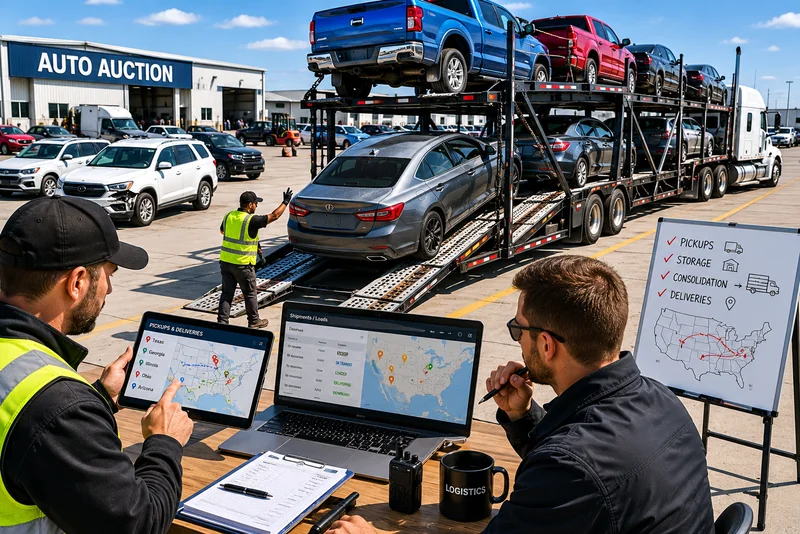
For example, a dealership purchasing vehicles from multiple online auctions may need cars picked up from different states, temporarily stored, grouped into loads, and delivered to several locations. Trying to organize everything independently can quickly become stressful and inefficient.
A 3PL provider helps simplify these operations by managing communication, scheduling, dispatching, and transportation planning in one place.
Why Do Businesses Use YK Freight for More Than Just Transportation?
Many businesses initially search for transportation help because they need vehicles moved from one location to another. However, once shipping volume increases, they often realize transportation is only one part of a much larger logistics process.
Companies also need reliable scheduling, shipment coordination, dispatch communication, storage solutions, route planning, and dependable carrier management. Delays in one area can affect the entire operation.
This is one reason businesses choose providers like YK Freight for broader logistics support instead of only arranging individual shipments.
For example, an auction buyer importing several vehicles every month may face challenges such as limited pickup windows, port scheduling, storage fees, or delays caused by poor coordination between carriers. Managing these issues independently takes time and experience.
A 3PL provider helps organize these moving parts more efficiently. Instead of constantly searching for available carriers and solving problems shipment by shipment, businesses can build a long-term logistics setup that runs more smoothly over time.
This is especially important for businesses trying to control costs. Better planning and coordination often help reduce unnecessary expenses such as storage charges, delayed pickups, failed delivery attempts, or partially empty loads.
For growing businesses, organized logistics support can become just as important as finding competitive shipping rates.
How Can a 3PL Help With Warehousing, Dispatch, and Supply Chain Management?
One major advantage of working with a 3PL provider is access to services beyond transportation alone.
Many businesses need temporary storage for vehicles, freight coordination between multiple locations, shipment tracking, dispatch communication, and organized scheduling. Handling all these tasks separately can quickly create confusion and delays.
For example, a dealership may purchase several vehicles from different auction locations, but the vehicles may arrive at different times. Some units may need short-term storage before delivery, while others must be transported immediately to customers or repair facilities.
A 3PL provider helps coordinate these situations more efficiently by organizing warehousing, dispatching, transportation scheduling, and carrier communication together.
Dispatch management is especially important for businesses handling regular shipments. Drivers, pickup times, auction release documents, delivery schedules, and route changes all need constant coordination. A missed appointment or delayed pickup can create additional fees and disrupt the entire schedule.
Supply chain management also becomes more important as shipping volume grows. Businesses often need help planning transportation routes, reducing empty miles, improving delivery timing, and keeping operations organized across multiple states or locations.
Instead of reacting to problems one shipment at a time, a 3PL provider helps businesses create a more stable and predictable logistics system.
Why Is a 3PL Better for Companies With Frequent Vehicle Shipments?
For businesses shipping vehicles regularly, a 3PL provider is often a more practical long-term solution than relying only on individual freight brokers.
Frequent shipments create more moving parts. Vehicles may need to be picked up from auctions, ports, dealerships, repair shops, or warehouses on tight schedules. As shipping volume increases, communication and coordination become more difficult.
For example, a company moving several vehicles every week may struggle with constantly searching for carriers, comparing rates, scheduling pickups, tracking deliveries, and solving transportation delays. Over time, this process becomes time-consuming and inefficient.
A 3PL provider helps centralize these operations. Instead of managing every shipment separately, businesses can work through a more organized logistics structure with consistent communication and transportation planning.
This often improves efficiency and reduces unexpected costs. Better route planning, stronger carrier relationships, and improved scheduling can help reduce delays, storage fees, and downtime between shipments.
A 3PL provider can also adapt more easily as businesses grow. A company that starts with a few monthly shipments may eventually handle dozens of vehicles across multiple regions. Building a long-term logistics partnership early can help support that growth more smoothly.
Which Option Saves More Money for Your Business?
Many businesses focus only on the initial shipping quote when comparing a freight broker and a 3PL provider. However, the cheapest option upfront is not always the most cost-effective solution in the long run.
The right choice depends heavily on shipping volume, business size, delivery frequency, and how complex the logistics process becomes over time.
For some companies, a freight broker is the more affordable option because they only need occasional transportation help. For others, repeated shipping problems, delays, and poor coordination eventually create hidden expenses that cost far more than expected.
Understanding how your business operates is the key to choosing the most financially efficient solution.
For example, someone shipping one vehicle every few months may not need advanced logistics support. But a dealership moving multiple auction vehicles every week may quickly lose money if deliveries are delayed, pickups are missed, or transportation schedules are poorly organized.
The larger and more frequent the operation becomes, the more important logistics planning becomes for controlling costs.
Is a Freight Broker Better for One-Time or Occasional Shipments?
For one-time shipments or occasional transportation needs, freight brokers are often the more affordable and practical option.
Many customers simply need help finding a carrier for a single vehicle. They are not looking for warehousing, dispatch management, or long-term logistics planning. In these situations, paying for a larger logistics solution may not make financial sense.
For example, someone buying one repairable SUV from an online auto auction may only need transportation from the auction yard to their local repair shop. A freight broker can quickly search for carriers, compare rates, and arrange delivery without adding unnecessary services.
This approach is especially helpful for budget-conscious buyers trying to reduce overall vehicle costs. Auction purchases already include fees, taxes, repairs, and registration expenses. Keeping transportation simple can help buyers stay within budget.
Freight brokers are also useful for businesses with inconsistent shipping schedules. If shipments happen only occasionally, there may not be enough volume to justify a larger logistics partnership.
Another advantage is flexibility. Freight brokers work with many carriers and can often search for lower-cost transportation opportunities depending on route demand and truck availability.
For straightforward shipments with limited logistics needs, freight brokers can provide an efficient and affordable solution.
When Does a Long-Term 3PL Partnership Become More Cost-Effective?
A 3PL partnership often becomes more cost-effective once a business begins handling regular or large-volume shipments.
At first, many companies try to manage logistics independently while using freight brokers only when transportation is needed. This may work for smaller operations, but problems usually begin appearing as shipping activity increases.
For example, businesses may start dealing with missed pickups, inconsistent communication, delayed deliveries, storage charges, scheduling conflicts, or inefficient routing. Employees may also spend significant time coordinating shipments instead of focusing on sales, repairs, or customer service.
Over time, these operational problems become expensive.
A 3PL provider helps reduce these inefficiencies by creating a more organized logistics system. Instead of arranging every shipment separately, businesses gain structured transportation planning, dispatch coordination, shipment tracking, and stronger carrier management.
For companies shipping vehicles weekly or daily, these improvements can create substantial long-term savings.
A dealership importing multiple auction vehicles each month may benefit from grouped transportation scheduling, improved route planning, and better coordination between carriers and storage locations. These operational improvements often reduce delays and unnecessary transportation costs.
Long-term partnerships also create consistency. A 3PL provider becomes familiar with the business’s shipping patterns, timelines, and operational needs. This usually leads to smoother communication and better logistics efficiency over time.
For growing companies, providers like YK Freight can help create scalable logistics systems that support expansion without creating transportation chaos.
What Hidden Costs Can Businesses Avoid With Better Logistics Planning?
One of the biggest mistakes businesses make is focusing only on the shipping rate while ignoring hidden logistics costs.
Poor planning can create expensive problems that are not obvious at first. These hidden costs often include:
- Auction storage fees
- Missed pickup penalties
- Delivery delays
- Empty trailer space
- Extra dispatch time
- Inefficient routing
- Repeat scheduling changes
- Driver detention charges
- Poor communication between carriers and customers
For example, a vehicle purchased at an auction may need immediate pickup to avoid daily storage fees. If transportation is delayed because no carrier was scheduled properly, those fees can increase quickly.
Another common issue happens when businesses schedule shipments inefficiently. Moving vehicles individually instead of organizing grouped transportation routes can increase fuel costs and reduce carrier efficiency.
Communication problems also create hidden expenses. A missed phone call, incorrect paperwork, or delayed dispatch update can disrupt delivery schedules and waste valuable time.
Better logistics planning helps reduce these problems before they happen.
A 3PL provider focuses on improving coordination across the entire shipping process. Organized dispatching, route optimization, shipment tracking, and stronger scheduling systems often help businesses avoid costly mistakes.
How Can You Choose the Right Logistics Partner for Your Shipping Needs?
Choosing the right logistics partner can have a major impact on shipping costs, delivery speed, and overall business efficiency. Many companies focus only on finding the cheapest transportation quote, but long-term logistics success depends on much more than price alone.
A reliable logistics partner should help reduce delays, improve communication, organize transportation schedules, and make the shipping process easier to manage. This becomes especially important for businesses moving vehicles regularly or handling auction purchases across multiple states.
For example, a customer buying one vehicle occasionally may only need basic transportation help. But a dealership purchasing multiple auction vehicles every month may require consistent dispatch support, storage coordination, shipment tracking, and reliable carrier scheduling.
The right logistics setup depends on the size of the operation, shipping frequency, and long-term business goals.
Businesses that choose logistics partners carefully often save money over time by reducing transportation problems, avoiding delays, and improving operational efficiency.
What Questions Should You Ask Before Hiring a Logistics Company?
Before choosing a logistics provider, businesses should ask several important questions to understand whether the company is the right fit for their shipping needs.
One of the first questions should be about experience. A company that regularly handles vehicle transportation, auction pickups, and multi-state deliveries will usually understand the process better than a provider with limited automotive shipping experience.
Businesses should also ask:
- Does the company work with reliable carrier networks?
- Can they handle non-running or salvage vehicles?
- Do they offer shipment tracking and dispatch communication?
- How quickly can pickups be arranged?
- Are there additional storage or scheduling fees?
- Can they support growing shipment volume over time?
Communication is another important factor. Delayed updates or poor coordination can create expensive problems, especially for auction buyers working with strict pickup deadlines.
It is also important to understand whether the company only arranges transportation or provides broader logistics support. Some businesses only need help moving one vehicle, while others need assistance managing larger transportation operations.
For example, a small dealership may initially need only occasional shipping support, but later require help coordinating multiple deliveries every week. Choosing a logistics partner that can grow with the business can prevent future disruptions.
Asking the right questions early helps businesses avoid unreliable service and unexpected costs later.
How Can Small Businesses and Auction Buyers Benefit From the Right Shipping Setup?
Small businesses and auction buyers often operate on tight budgets, which makes transportation efficiency extremely important.
Every unnecessary delay, storage fee, or scheduling mistake directly affects profitability. A poorly organized shipping process can quickly turn a good vehicle deal into an expensive problem.
For example, many auction buyers purchase vehicles from Copart, IAAI, or dealer auctions located hundreds of miles away. Coordinating transportation independently can become stressful, especially when auction storage deadlines are involved.
The right shipping setup helps reduce these risks.
Reliable logistics support can help auction buyers schedule faster pickups, improve delivery coordination, and avoid unnecessary fees. Businesses can also benefit from better communication and more predictable transportation timelines.
For small dealerships, organized shipping becomes even more important as inventory grows. Managing multiple vehicle pickups, deliveries, and schedules manually often creates confusion and wasted time.
A strong logistics setup allows businesses to focus more on sales, repairs, and customer service instead of constantly solving transportation problems.
Even simple improvements like grouped routes, better dispatch coordination, or consistent carrier communication can create noticeable savings over time.
For many budget-conscious businesses, efficient logistics planning becomes one of the easiest ways to improve profitability without increasing sales volume.
Why Do Many Companies Choose YK Freight for Long-Term Logistics Support?
Many businesses eventually realize they need more than just occasional transportation help. As shipping activity increases, they often look for a logistics partner that can provide more consistent coordination and long-term operational support.
This is one reason companies choose providers like YK Freight.
Instead of handling every shipment separately, businesses can work with a logistics partner that helps organize transportation planning, dispatch communication, carrier coordination, and delivery scheduling in a more structured way.
For example, a dealership shipping vehicles weekly may need help coordinating auction pickups, managing delivery timing, organizing multi-vehicle loads, and avoiding storage delays. Trying to manage all these moving parts independently can become difficult as operations grow.
Long-term logistics support helps create more stability and efficiency.
Businesses also value having a single point of communication instead of dealing with multiple carriers and scheduling contacts separately for every shipment. Better coordination often reduces delays, improves delivery consistency, and helps businesses plan operations more effectively.
Another advantage is scalability. As businesses expand, their transportation needs usually become more complex. Working with an experienced logistics provider can make that growth easier to manage.
For companies handling regular vehicle shipments, organized logistics support from providers like YK Freight can help simplify operations, reduce costly disruptions, and improve long-term shipping efficiency.
Further Reading
What is 3PL Experience? Benefits of Third-Party Logistics
What is a Broker in Transportation?
How a 3PL Can Help You Get Lower Freight Rates and Save on Shipping
The Benefits of Freight Brokers: Save Money & Ship Vehicles Hassle-Free


ASK YOUR QUESTIONS