
Managing vehicle transportation manually can quickly become expensive and stressful as shipping volume grows. This guide explains what a Transportation Management System (TMS) is, how it works, and how businesses can use it to reduce shipping costs, improve tracking, avoid delays, and simplify daily logistics operations.
Table of Content:
- What Is a Transportation Management System (TMS)?
- Who Uses a Transportation Management System and Why?
- How Can a TMS Help Reduce Vehicle Shipping Costs?
- What Features Should Businesses Look for in a Transportation Management System?
- How Can YK Freight Help Businesses Improve Transportation Management?
What Is a Transportation Management System (TMS)?
A Transportation Management System, often called a TMS, is software designed to help businesses plan, organize, track, and optimize freight transportation. In simple terms, it helps companies manage the movement of goods more efficiently while reducing shipping costs and operational problems.
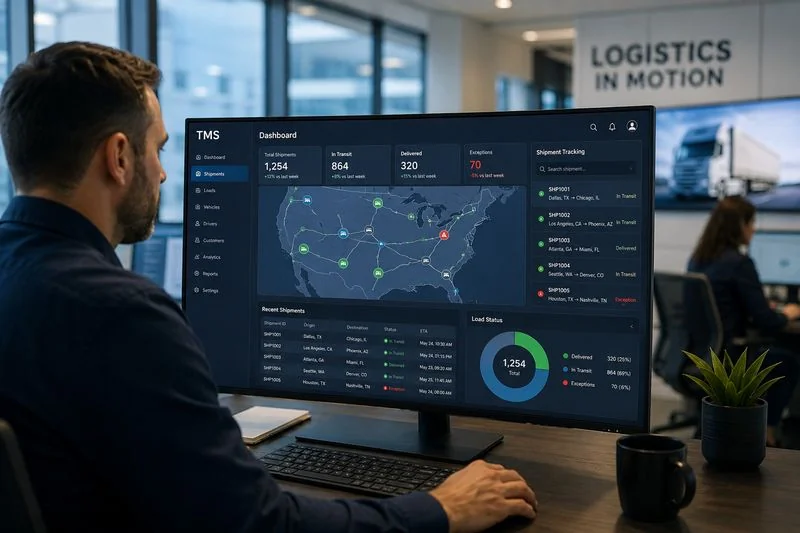
A TMS is commonly used by trucking companies, dealerships, auto transport businesses, warehouses, manufacturers, and logistics providers that handle regular shipments. Instead of relying on spreadsheets, phone calls, paperwork, or manual scheduling, businesses use a TMS to automate and simplify transportation operations.
For example, a dealership purchasing vehicles from multiple online auctions may need to coordinate pickups from several states, assign carriers, track deliveries, and monitor shipping costs. Trying to manage all these tasks manually can quickly become overwhelming. A TMS helps organize everything in one system.
Modern logistics operations move very quickly, and customers expect accurate updates, faster delivery times, and reliable communication. A Transportation Management System helps businesses stay organized while improving efficiency across the entire shipping process.
Why Is Transportation Management Becoming More Important in Modern Logistics?
Transportation has become far more complicated than it was years ago. Businesses now deal with rising fuel costs, carrier shortages, stricter delivery schedules, growing customer expectations, and constant supply chain disruptions.
At the same time, many companies are shipping more products and vehicles across larger geographic areas. Auction buyers may purchase vehicles from different states, dealerships may move inventory nationwide, and logistics providers may coordinate hundreds of shipments every week.
Without organized transportation management, these operations can quickly become expensive and difficult to control.
For example, if a carrier misses a pickup appointment at an auction yard, storage fees may begin accumulating daily. Poor scheduling can also create delivery delays, idle trucks, and wasted fuel costs. Small operational mistakes often turn into major financial problems.
Customers also expect more visibility today. Many buyers want real-time updates about pickup times, delivery schedules, and shipment status. Businesses that cannot provide accurate information may lose customer trust.
This is why transportation management has become such an important part of modern logistics. Companies need systems that help them improve communication, reduce delays, optimize routes, and manage shipping costs more effectively.
A reliable TMS gives businesses more control over daily transportation operations while helping them respond faster to changing logistics conditions.
How Does a Transportation Management System Work?
A Transportation Management System works by organizing and automating many parts of the shipping process. Instead of handling every shipment manually, businesses use software to manage transportation planning, carrier selection, dispatching, tracking, and reporting in one place.
The process usually starts when a shipment needs to be moved. The TMS collects shipment details such as pickup location, delivery destination, vehicle type, shipment size, timing requirements, and transportation costs.
The system can then help dispatchers or logistics managers:
- Find available carriers
- Compare shipping rates
- Optimize delivery routes
- Schedule pickups
- Track shipments in real time
- Monitor delivery performance
- Manage shipping documents and invoices
For example, if a business needs to move several vehicles from auction locations in Texas, Florida, and Georgia, a TMS can help organize those shipments more efficiently. Instead of arranging each load separately through endless phone calls and emails, the software helps centralize communication and planning.
Some advanced systems can also identify inefficient routes, partially empty trailers, or unnecessary transportation expenses. This helps businesses make smarter shipping decisions and reduce operational waste.
Many Transportation Management Systems also integrate with other logistics software, such as Warehouse Management Systems (WMS) or Enterprise Resource Planning (ERP) systems. This allows businesses to improve visibility across their entire supply chain.
What Problems Can a TMS Help Businesses Solve?
A Transportation Management System helps solve many common logistics problems that cost businesses time and money.
One major issue is poor shipment visibility. Without a centralized system, businesses may struggle to track deliveries, monitor carrier performance, or provide customers with accurate updates. This often leads to confusion and communication problems.
A TMS helps improve visibility by giving businesses real-time shipment tracking and centralized transportation data.
Another common problem is inefficient route planning. Businesses that manually schedule loads may accidentally create empty trailer space, unnecessary miles, or poorly timed deliveries. These mistakes increase fuel costs and reduce profitability.
For example, a trucking company moving auction vehicles across several states may waste money if drivers return with empty trailers instead of scheduling return loads efficiently. A TMS can help identify better load combinations and optimize transportation routes.
Manual data entry is another major challenge. Entering shipment information by hand increases the risk of billing mistakes, scheduling errors, and lost paperwork. A TMS helps reduce human error through automation and centralized recordkeeping.
Transportation Management Systems also help businesses improve carrier selection. The cheapest carrier is not always the best option if deliveries constantly arrive late or communication is unreliable. A TMS can track carrier performance over time and help businesses make better decisions based on both cost and service quality.
Who Uses a Transportation Management System and Why?
A Transportation Management System is used by many different types of businesses involved in shipping, logistics, and freight transportation. Any company that regularly moves vehicles, products, or equipment can benefit from better transportation organization and visibility.
As shipping operations grow, managing everything manually becomes more difficult. Businesses must coordinate carriers, dispatch schedules, delivery deadlines, shipment tracking, paperwork, and customer communication. Without an organized system, mistakes and delays become much more common.
This is why many companies rely on TMS software to simplify operations and improve efficiency.
For example, a small dealership shipping a few auction vehicles every month may initially handle transportation through phone calls and spreadsheets. However, as shipment volume increases, scheduling and tracking quickly become harder to manage. A TMS helps centralize those operations and reduce confusion.
Transportation Management Systems are commonly used by:
- Trucking companies
- Auto transport businesses
- Auction buyers
- Dealerships
- Manufacturers
- Retail companies
- Warehouses
- Third-party logistics providers (3PLs)
Although every business uses a TMS differently, the goal is usually the same: improve shipping efficiency while lowering transportation costs.
Why Do Trucking Companies and Auto Transport Businesses Use TMS Software?
Trucking companies and auto transport businesses use Transportation Management Systems to organize daily operations and manage shipments more efficiently.
Moving vehicles across multiple cities or states involves many moving parts. Dispatchers must coordinate pickups, assign drivers, monitor schedules, communicate with customers, and handle transportation documents. Trying to manage all these tasks manually can slow down operations and increase the risk of mistakes.
A TMS helps simplify these processes.
For example, an auto transport company moving auction vehicles may need to organize pickups from Copart, IAAI, dealerships, ports, and repair facilities all within the same week. Drivers may have different trailer capacities, delivery schedules, and route limitations.
A Transportation Management System helps dispatchers:
- Assign loads more efficiently
- Optimize routes
- Reduce empty trailer miles
- Track deliveries in real time
- Monitor driver schedules
- Store shipping records and invoices
This improves both operational efficiency and customer communication.
TMS software also helps transportation companies reduce unnecessary costs. Better route planning and load optimization can lower fuel expenses and improve truck utilization. Instead of returning with empty trailers, businesses can search for return loads and maximize available capacity.
For companies operating on tight margins, even small efficiency improvements can create major long-term savings.
How Can Auction Buyers and Small Dealerships Benefit From a TMS?
Auction buyers and small dealerships may not initially think they need a Transportation Management System. However, even smaller operations can benefit from improved shipment organization and tracking.
Many auction buyers purchase vehicles from different states and must coordinate transportation quickly to avoid storage fees and pickup delays. Managing multiple shipments manually through phone calls, emails, and spreadsheets can quickly become stressful.
For example, a small dealership may purchase several repairable vehicles from online auctions each month. Some vehicles may need immediate transport to a body shop, while others must be delivered directly to customers or dealership inventory.
Without organized transportation management, problems can easily occur:
- Missed pickups
- Delivery delays
- Higher shipping costs
- Poor communication with carriers
- Lost paperwork
- Auction storage fees
A TMS helps centralize shipment information and improve visibility across the entire process.
Even simple features like shipment tracking, dispatch updates, and organized scheduling can help small businesses save time and avoid expensive mistakes.
For budget-conscious buyers, transportation costs are often a major part of the total vehicle investment. Better shipment planning can help reduce unnecessary expenses and improve profitability.
As small dealerships grow, a Transportation Management System can also make scaling operations much easier.
Why Do 3PL Providers Use Transportation Management Systems Daily?
Third-party logistics providers, also known as 3PL companies, rely heavily on Transportation Management Systems because they coordinate large numbers of shipments every day.
Unlike businesses handling only occasional transportation, 3PL providers manage complex logistics operations involving multiple carriers, routes, customers, and delivery schedules simultaneously.
Without a TMS, managing this level of transportation activity would be extremely difficult.
For example, a 3PL provider may coordinate vehicle shipments between auctions, ports, warehouses, dealerships, and customers across several states at the same time. Every shipment may involve different pickup times, delivery deadlines, carrier requirements, and customer expectations.
A Transportation Management System helps organize these operations by giving logistics teams centralized control over:
- Carrier management
- Dispatch coordination
- Route planning
- Shipment tracking
- Freight billing
- Transportation reporting
- Delivery performance monitoring
This allows 3PL providers to respond faster to problems and maintain smoother shipping operations.
TMS software also helps improve communication between carriers, dispatchers, and customers. Real-time visibility makes it easier to provide accurate updates and solve transportation issues before they become major delays.
For providers like YK Freight, using organized transportation management systems helps improve operational efficiency while supporting customers with more reliable logistics coordination.
How Can a TMS Help Reduce Vehicle Shipping Costs?
Transportation costs can increase quickly when shipments are poorly organized. Fuel expenses, empty trailer space, delayed pickups, storage fees, inefficient routes, and communication problems all add unnecessary costs to vehicle transportation.
A Transportation Management System helps businesses reduce many of these expenses by improving planning, tracking, and coordination across the shipping process.
Instead of managing shipments manually through phone calls, spreadsheets, and emails, businesses can use a TMS to organize transportation operations more efficiently. Better visibility allows companies to make faster decisions, avoid costly mistakes, and improve carrier performance.
For example, a dealership transporting auction vehicles from several states may accidentally schedule inefficient routes or pay higher shipping rates if shipments are handled manually. A TMS helps analyze routes, compare carriers, and organize deliveries more effectively.
For budget-conscious businesses, even small improvements in transportation efficiency can create major long-term savings.
How Does a TMS Improve Carrier Selection and Route Planning?
Choosing the right carrier is one of the most important parts of controlling shipping costs. The cheapest transportation option is not always the best if delays, poor communication, or missed pickups create additional expenses later.
A Transportation Management System helps businesses compare carriers based on more than price alone. The system can evaluate:
- Shipping rates
- Delivery speed
- Carrier availability
- Route efficiency
- Past delivery performance
- Equipment type
- Customer service history
This helps businesses make smarter transportation decisions.
For example, a carrier offering a lower rate may consistently deliver vehicles late or cancel pickups unexpectedly. Another carrier may charge slightly more but provide faster service and better reliability. A TMS helps identify these patterns using shipment history and performance data.
Route planning is another major area where a TMS helps reduce costs.
Poor route planning can create unnecessary miles, wasted fuel, empty trailer space, and delayed deliveries. A Transportation Management System analyzes transportation routes and helps dispatchers organize shipments more efficiently.
For example, instead of sending a trailer back empty after delivering vehicles, a TMS may help identify return loads nearby. This improves trailer utilization and lowers transportation costs per shipment.
For businesses shipping vehicles regularly, better route optimization can create significant savings over time.
How Can Better Shipment Tracking Help Avoid Delays and Extra Fees?
Shipment delays often create expensive problems for businesses and auction buyers. Missed pickup windows, delayed deliveries, storage charges, and poor communication can quickly increase transportation costs.
A Transportation Management System helps reduce these issues through better shipment visibility and real-time tracking.
For example, many online auto auctions charge daily storage fees if vehicles are not removed quickly after purchase. If a dispatcher or customer does not know a pickup has been delayed, those fees can continue accumulating for several days.
With a TMS, businesses can monitor shipment progress more closely and respond faster when problems occur.
Real-time tracking allows logistics teams to:
- Monitor pickup and delivery status
- Identify transportation delays early
- Communicate updates to customers
- Adjust schedules when necessary
- Prevent missed appointments
- Improve dispatch coordination
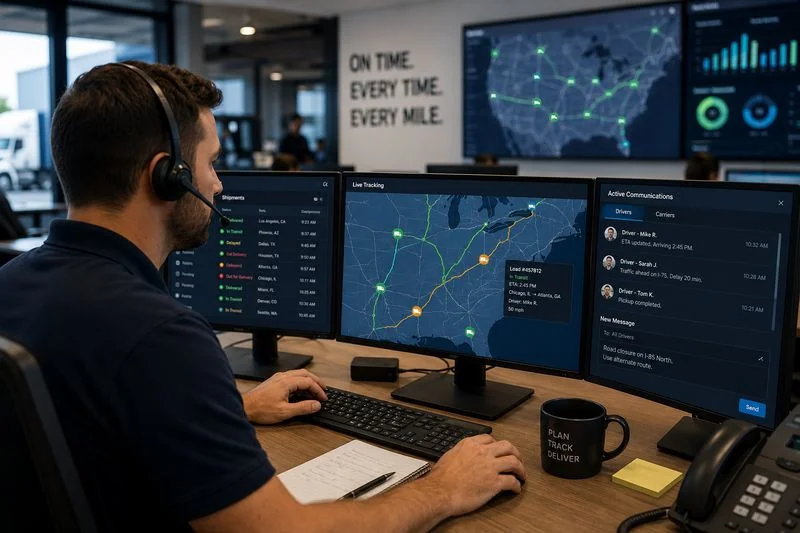
This level of visibility helps businesses avoid unnecessary penalties and improve overall transportation efficiency.
Better tracking also improves customer service. Many customers want regular shipment updates, especially when transporting high-value vehicles across long distances. Accurate tracking information reduces uncertainty and helps build trust.
For companies handling multiple shipments simultaneously, centralized shipment visibility becomes extremely valuable for keeping operations organized and reducing costly disruptions.
Why Does Reducing Manual Work Save Businesses Money?
Manual transportation management creates many opportunities for mistakes. Entering shipment information by hand, organizing schedules manually, handling paperwork separately, and relying on endless phone calls can slow down operations and increase labor costs.
Human error is another major issue.
Incorrect addresses, scheduling mistakes, missing paperwork, billing problems, and communication failures often happen when transportation processes are managed manually. These errors can lead to delayed deliveries, additional fees, or lost productivity.
A Transportation Management System helps automate many routine tasks, which saves time and reduces mistakes.
For example, a TMS can automatically store shipment records, update tracking information, generate reports, organize invoices, and help dispatchers schedule loads more efficiently. This reduces the amount of repetitive manual work employees must handle every day.
Businesses also benefit from better operational visibility. Instead of searching through emails or spreadsheets, transportation data is centralized in one system and easier to access.
For growing companies, this becomes especially important. Managing five shipments manually may be possible, but handling dozens or hundreds of shipments every month without organized systems quickly becomes inefficient.
Reducing manual work allows employees to focus on more important tasks such as customer service, logistics planning, and business growth.
What Features Should Businesses Look for in a Transportation Management System?
Not all Transportation Management Systems offer the same tools or capabilities. Some systems only handle basic shipment scheduling, while others provide advanced transportation analytics, carrier management, route optimization, dispatch coordination, and supply chain integration.
Choosing the right TMS is important because the software directly affects shipping efficiency, transportation costs, and customer service quality.
For businesses shipping vehicles regularly, the wrong system can create delays, communication problems, and operational confusion. A good Transportation Management System should simplify logistics operations instead of making them more complicated.
For example, a dealership moving auction vehicles across several states may need real-time shipment tracking, automated dispatch updates, carrier performance monitoring, and centralized billing tools. A small business handling only occasional shipments may need simpler features focused on transportation visibility and cost control.
The best TMS platforms usually help businesses:
- Improve shipment visibility
- Reduce transportation costs
- Optimize routes and scheduling
- Track carrier performance
- Reduce manual data entry
- Improve communication between dispatchers and drivers
- Analyze shipping trends and expenses
As logistics operations grow, having the right TMS features becomes increasingly important for maintaining efficiency and controlling costs.
How Do Analytics and Reporting Improve Shipping Decisions?
Analytics and reporting tools are some of the most valuable features in a Transportation Management System because they help businesses make smarter logistics decisions based on real data instead of guesswork.
Without reporting tools, many businesses struggle to understand where money is being wasted. Transportation expenses can slowly increase due to inefficient routes, poor carrier performance, delayed deliveries, or underutilized trailer space.
A TMS helps businesses identify these problems through detailed transportation analytics.
For example, reporting tools can show:
- Which carriers consistently deliver on time
- Which shipping lanes cost the most
- Where delays happen most often
- How much fuel is being wasted
- Which routes are most efficient
- How much empty trailer space is being unused
This information helps businesses improve operations and reduce unnecessary expenses.
For example, a company may initially choose the cheapest carrier available for every shipment. However, analytics may reveal that this carrier regularly causes delays, resulting in auction storage fees, customer complaints, or missed delivery deadlines. In reality, the “cheapest” option may actually cost more over time.
Analytics also help businesses plan for growth. By studying shipping patterns and transportation costs, companies can improve budgeting, optimize routes, and better manage future shipment volume.
For businesses operating on tight margins, data-driven decisions often lead to major long-term savings.
Why Are Real-Time Tracking and Dispatch Coordination Important?
Real-time tracking and dispatch coordination have become essential parts of modern logistics. Customers now expect accurate shipment updates, faster communication, and more predictable delivery schedules.
Without organized tracking systems, transportation operations can quickly become chaotic.
For example, if a vehicle pickup is delayed at an auction yard but nobody notices the issue immediately, storage fees may begin accumulating daily. A missed delivery appointment can also disrupt customer schedules and damage business relationships.
A Transportation Management System helps prevent these problems by improving shipment visibility and communication.
Real-time tracking allows businesses to monitor shipments from pickup to delivery. Dispatchers can quickly identify delays, update customers, adjust schedules, and solve transportation problems before they become larger issues.
Dispatch coordination is equally important.
A busy transportation operation may involve multiple drivers, carriers, routes, pickup locations, and delivery schedules simultaneously. Managing all this manually through phone calls and spreadsheets can create confusion and mistakes.
A TMS helps centralize dispatch communication and shipment updates in one system.
For example, dispatchers can:
- Assign loads more efficiently
- Monitor driver progress
- Update delivery schedules instantly
- Share shipment information with customers
- Track pickup and delivery times
- Reduce communication delays
This improves operational efficiency while helping businesses provide better customer service.
For vehicle transportation companies and logistics providers, organized dispatch coordination is critical for keeping shipments moving smoothly and avoiding costly delays.
How Can TMS Integration With WMS and ERP Systems Improve Efficiency?
Many businesses use multiple software systems to manage different parts of their operations. A Transportation Management System becomes even more powerful when integrated with systems like Warehouse Management Systems (WMS) and Enterprise Resource Planning (ERP) software.
These integrations help businesses improve supply chain visibility and reduce manual work.
For example, a warehouse may use a WMS to track inventory and storage locations, while the transportation department uses a TMS to manage vehicle shipments. If these systems are connected, shipment information can update automatically without requiring employees to enter data multiple times.
This reduces human error and saves time.
ERP integration provides even broader operational visibility. ERP systems often manage accounting, inventory, purchasing, customer information, and financial reporting. Connecting a TMS with ERP software allows transportation data to flow directly into the company’s larger business management system.
For example, shipment invoices, carrier costs, and delivery updates can automatically sync with accounting and operational records. This reduces paperwork and improves accuracy.
Businesses also benefit from faster decision-making because all departments can access more organized information.
For growing companies handling regular vehicle transportation, integrated systems help create a more efficient and scalable logistics operation.
How Can YK Freight Help Businesses Improve Transportation Management?
Transportation management becomes much more difficult as businesses grow and shipping volume increases. What starts as a few occasional vehicle shipments can quickly turn into a complex operation involving multiple carriers, pickup locations, delivery schedules, dispatch coordination, and customer updates.
Without organized systems, transportation problems can create unnecessary costs, delays, and operational stress.
This is why many businesses look for logistics partners that can help improve transportation visibility, simplify shipment coordination, and optimize daily operations.
YK Freight helps businesses manage transportation more efficiently by supporting better shipment planning, carrier coordination, dispatch communication, and logistics organization. Instead of handling every shipment manually through endless calls, emails, and spreadsheets, businesses can improve control over their transportation process and reduce costly mistakes.
For companies shipping vehicles regularly, better transportation management often leads to lower operating costs, improved delivery performance, and stronger customer satisfaction.
How Does YK Freight Help Businesses Optimize Shipments and Carrier Selection?
One of the biggest challenges in vehicle transportation is finding the right balance between cost, speed, and reliability. The cheapest carrier is not always the best option if shipments arrive late, communication is poor, or transportation problems create additional expenses.
YK Freight helps businesses optimize shipments by improving carrier selection and transportation coordination.
For example, a dealership moving vehicles from several online auctions may need different types of carriers depending on the vehicle condition, delivery location, trailer requirements, and scheduling deadlines. Some vehicles may require expedited transport, while others can be grouped into more cost-efficient routes.
Better shipment organization helps businesses avoid common problems such as:
- Delayed pickups
- Empty trailer space
- Poor route planning
- Missed delivery appointments
- Unnecessary storage fees
- Inefficient carrier usage
By improving visibility into transportation operations, businesses can make smarter shipping decisions based on both cost and service quality.
Carrier selection also becomes more strategic over time. Shipment history and operational data help businesses identify which carriers consistently provide reliable service and which transportation routes perform most efficiently.
For companies operating on tight budgets, even small improvements in carrier management and shipment planning can create meaningful long-term savings.
Why Is Better Logistics Visibility Important for Growing Companies?
As businesses grow, transportation operations become harder to manage without proper visibility.
A small company handling only a few shipments each month may be able to manage transportation manually. However, once shipment volume increases, businesses often struggle with tracking deliveries, monitoring schedules, coordinating dispatchers, and responding quickly to delays.
Without centralized visibility, communication problems become more common.
For example, an auction buyer shipping multiple vehicles simultaneously may not immediately realize a carrier missed a pickup appointment. Delays like this can lead to storage fees, scheduling conflicts, and unhappy customers.
Better logistics visibility helps businesses monitor shipments more effectively and react faster when problems occur.
Organized transportation management allows companies to:
- Track shipment progress in real time
- Monitor carrier performance
- Coordinate dispatch schedules more efficiently
- Reduce missed pickups and delivery delays
- Improve communication with customers
- Analyze transportation costs and operational trends
Visibility also helps businesses plan future growth more effectively.
For example, a dealership expanding into new markets may need to coordinate transportation across multiple states while maintaining predictable delivery schedules. Without organized transportation systems, growth can quickly create operational confusion.
This is why many growing companies invest in better logistics coordination and transportation management support as shipment activity increases.
How Can the Right TMS Strategy Help Businesses Save Time and Money Long-Term?
A strong Transportation Management System strategy is not only about improving daily operations. It also helps businesses create long-term efficiency and reduce unnecessary transportation costs over time.
Many companies focus only on immediate shipping rates, but long-term transportation expenses are often affected by operational efficiency, route planning, communication quality, and shipment organization.
For example, poor scheduling may lead to repeated delivery delays, higher fuel costs, empty trailer miles, or excessive manual labor. These problems may seem small individually, but they can become extremely expensive as shipment volume grows.
A well-organized TMS strategy helps businesses reduce these inefficiencies through better planning, automation, and transportation visibility.
Over time, businesses benefit from:
- Faster dispatch coordination
- Reduced manual paperwork
- Better carrier performance tracking
- Improved route optimization
- Lower fuel and operational costs
- Fewer shipment delays and penalties
- More accurate transportation reporting
Businesses also save time because employees spend less effort handling repetitive transportation tasks manually.
For example, instead of constantly calling carriers for shipment updates or manually entering delivery information into spreadsheets, organized transportation systems help centralize communication and automate many routine processes.
This allows teams to focus more on customer service, business growth, and operational improvements instead of constantly solving transportation problems.
Further Reading
What is Managed Transportation?
What is Freight Management? A Simple Guide to Smarter Vehicle Shipping
How to Choose the Right TMS System for Your Business: Simple Guide
Best Practices for Efficient Carrier Management | YK Freight Tips


ASK YOUR QUESTIONS