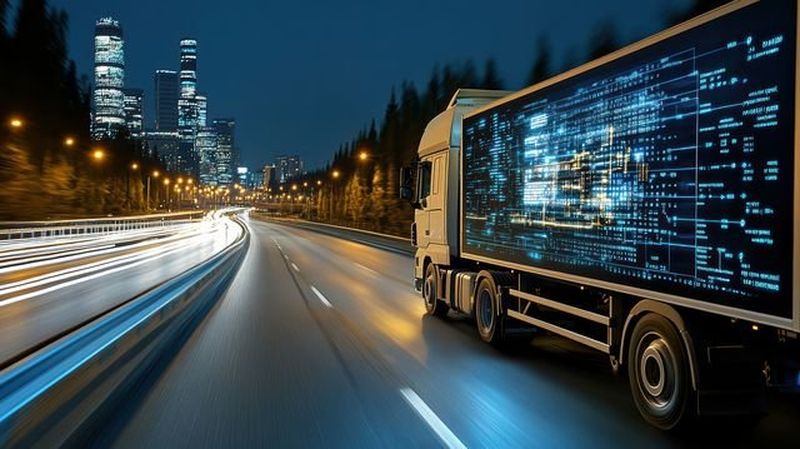
IoT technology is changing transportation by improving shipment visibility, reducing delays, and helping companies lower operating costs. This guide explains how connected devices and real-time data improve safety, efficiency, and customer service. You will learn how IoT helps reduce fuel expenses, optimize routes, track shipments, and create a more reliable shipping experience for businesses and customers.
Table of Content:
- What Is IoT and How Does It Work in Transportation?
- How Does IoT Improve Transportation Efficiency?
- How Can IoT Reduce Shipping Costs?
- How Does IoT Improve Safety and Customer Experience?
- How Can YK Freight Help Businesses Benefit From IoT Technology?
What Is IoT and How Does It Work in Transportation?
The Internet of Things, commonly called IoT, is becoming an important part of modern transportation and logistics. Many people already use IoT every day without realizing it. GPS navigation, shipment tracking, mobile delivery updates, and vehicle monitoring systems all rely on connected devices.
For transportation companies, IoT helps collect information, analyze it quickly, and share it with drivers, dispatchers, and customers. This improves visibility, reduces delays, and helps businesses make better decisions.
For customers shipping vehicles or equipment, IoT means greater transparency. Instead of wondering where a shipment is or when it will arrive, they can receive accurate updates throughout the transportation process.
What Does the Internet of Things Mean in Logistics?
The Internet of Things refers to devices that collect and exchange information through the internet or wireless networks. These devices use sensors, software, and communication systems to monitor what is happening in real time.
In logistics, IoT devices can monitor:
- Vehicle locations
- Fuel usage
- Traffic conditions
- Equipment performance
- Driver activity
- Temperature conditions
- Delivery status
For example, a customer shipping a car across several states may want to know exactly where the vehicle is during transit. Instead of waiting for phone calls or emails, IoT technology allows transportation companies to track shipments and provide updates automatically.
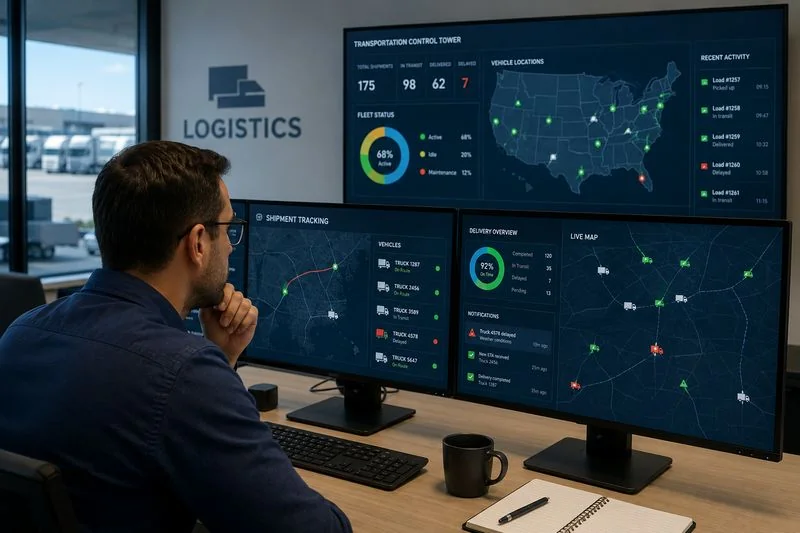
The technology creates a connection between physical transportation equipment and digital systems. This helps carriers, drivers, and customers access the same information much faster.
As transportation becomes more technology-driven, IoT continues to play a larger role in improving efficiency and reducing uncertainty.
How Do IoT Devices Collect Transportation Data?
IoT devices use sensors and communication equipment to collect information from vehicles, trailers, cargo, and the surrounding environment.
Some common transportation devices include:
- GPS trackers
- Vehicle sensors
- Engine monitoring systems
- Temperature sensors
- Fuel monitoring devices
- Tire pressure sensors
For example, a GPS tracker installed on a truck continuously records its location. Other sensors may monitor speed, fuel consumption, or engine performance.
Modern devices can also collect information about:
- Traffic congestion
- Road conditions
- Weather conditions
- Vehicle maintenance issues
- Delivery progress
A transportation company moving several vehicles at the same time can use these devices to monitor multiple shipments simultaneously.
For budget-conscious customers, this information helps prevent delays and provides confidence that their shipment is moving according to schedule.
How Does Information Move From Sensors to Users?
The IoT process works in several simple steps. First, sensors collect information from the vehicle, equipment, or shipment.
Next, the information is sent through:
- Cellular networks
- Wi-Fi connections
- Satellite communication
- Bluetooth systems
- Cloud platforms
The collected data is then analyzed by software systems. The software processes the information and creates useful updates, such as:
- Estimated arrival times
- Route recommendations
- Delay notifications
- Maintenance alerts
- Shipment status reports
Finally, the information is delivered to users through mobile applications, transportation software, or tracking systems.
For example, a dispatcher can see the exact location of a truck, while a customer receives an updated delivery estimate. Drivers can also receive alerts about traffic or weather conditions that may affect the route.
This constant flow of information allows transportation companies to react quickly when problems occur.
Why Is Real-Time Data Important for Freight Shipments?
Real-time information is one of the biggest advantages of IoT technology. Transportation conditions can change quickly because of traffic, weather, road closures, or mechanical issues.
Without real-time data, customers and carriers may not discover problems until significant delays have already occurred.
Real-time information helps companies:
- Respond to delays faster
- Adjust routes immediately
- Improve delivery accuracy
- Reduce downtime
- Improve communication
- Increase shipment visibility
For example, a customer waiting for a vehicle delivery may need to arrange unloading equipment or schedule workers. Accurate arrival information helps avoid wasted time and unnecessary labor costs.
A small business owner purchasing equipment may also need the shipment to arrive before work begins on a project. Delays can create additional expenses if crews or job sites remain idle.
Transportation companies such as YK Freight can use real-time information to improve communication and provide better visibility throughout the shipping process.
How Does IoT Improve Transportation Efficiency?
IoT helps transportation companies work faster, plan better, and reduce avoidable delays. In logistics, efficiency is not only about moving faster. It is also about using the right route, keeping drivers informed, avoiding empty waiting time, and giving customers accurate updates.
For customers shipping cars, equipment, or freight on a limited budget, better efficiency can directly affect the final cost. When a carrier has good visibility, fewer surprises happen during transit. This helps reduce wasted time, fuel use, missed delivery windows, and unnecessary communication delays.
How Does Real-Time Visibility Help Reduce Delays?
Real-time visibility allows transportation companies to see where a shipment is while it is moving. Instead of waiting for a driver to call with an update, dispatchers can monitor the shipment through tracking systems.
This helps reduce delays because problems can be noticed earlier. If a truck is stuck in traffic, delayed at pickup, or moving slower than expected, the transportation team can adjust the plan faster.
Real-time visibility can help with:
- Updating delivery times
- Finding alternate routes
- Notifying customers about delays
- Coordinating unloading
- Reducing idle time
For example, a customer waiting for a vehicle delivery may need to arrange a tow truck, a forklift, or someone to receive the shipment. If the truck is delayed by several hours, real-time updates help the customer avoid paying workers or equipment operators to wait.
Without visibility, a small delay can turn into a larger problem. With IoT tracking, customers and transportation teams can make better decisions before the delay becomes expensive.
How Can IoT Help Drivers Avoid Traffic and Weather Problems?
Traffic, road construction, accidents, and weather can all affect transportation schedules. IoT systems help drivers and dispatchers see these issues earlier and choose better routes when possible.
For example, a driver transporting a vehicle through several states may receive updated route information if there is heavy traffic, a road closure, or severe weather ahead. Instead of continuing into a delay, the driver may be able to take a safer or faster route.
IoT data can help transportation teams monitor:
- Traffic congestion
- Road closures
- Weather conditions
- Accident reports
- Route restrictions
- Fuel stop options
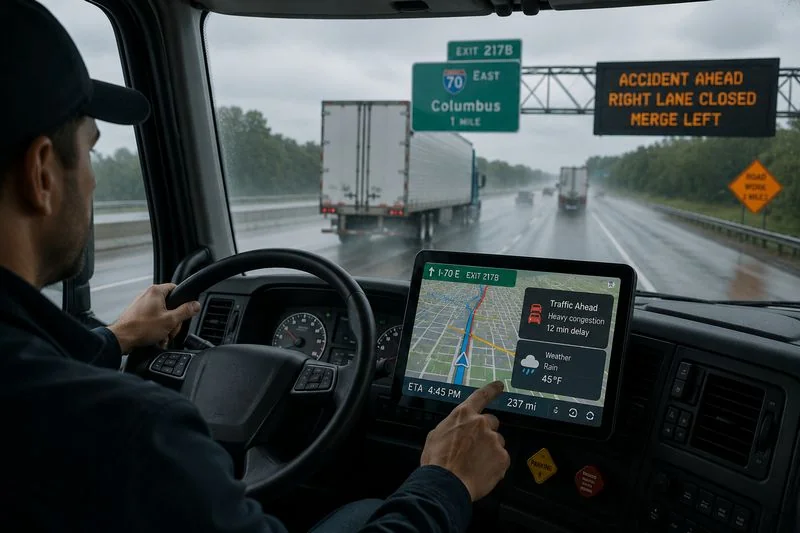
This is especially useful for long-distance vehicle shipping. A car buyer who purchased a vehicle from another state wants the delivery to be predictable. If a storm slows down the truck, fast communication helps the customer plan around the delay.
Avoiding traffic and weather problems also helps carriers reduce fuel waste. Less time sitting in traffic means lower operating costs, and lower operating costs can support more competitive shipping rates.
Why Does Shipment Tracking Improve Delivery Performance?
Shipment tracking improves delivery performance because it gives transportation teams better control over the entire process. When shipment data is available, dispatchers can compare planned routes with actual progress.
This helps them understand whether the delivery is on schedule or needs attention.
Tracking can improve delivery performance by helping teams:
- Monitor shipment progress
- Confirm pickup and delivery status
- Reduce missed appointments
- Improve communication with drivers
- Identify recurring delays
- Plan future shipments better
For example, if a carrier often loses time at a certain pickup location, tracking data can reveal the pattern. The transportation company can then schedule more time for that location or choose a different pickup strategy.
For customers, tracking creates confidence. A person shipping a car after an auction purchase does not want to guess whether the vehicle has been picked up, where it is, or when it will arrive. Shipment tracking makes the process clearer and easier to manage.
How Does Better Visibility Help Customers Save Money?
Better visibility can help customers save money by reducing wasted time and preventing avoidable costs. When customers know what is happening with their shipment, they can plan more accurately.
For example, a customer may need to be present when a vehicle arrives. Without tracking, they may take a full day off work because they do not know the delivery time. With better visibility, they can plan around a more accurate delivery window.
Visibility can also help customers avoid:
- Missed delivery appointments
- Extra storage fees
- Waiting time charges
- Re-delivery costs
- Unnecessary phone calls
- Delays in repair or resale plans
This is important for budget-conscious vehicle buyers. Someone who buys a car at auction may already be paying for the vehicle, auction fees, repairs, and delivery. Extra storage or missed delivery charges can quickly reduce the savings.
IoT-based visibility helps reduce these risks by giving customers better information before and during transportation.
How Can YK Freight Use Transportation Data to Improve Operations?
Transportation data helps companies understand what is working well and where improvements are needed. YK Freight can use shipment data, route updates, delivery history, and carrier communication to improve daily logistics operations.
This data can support better decisions about:
- Route planning
- Carrier selection
- Pickup scheduling
- Delivery coordination
- Customer updates
- Cost control
For example, if data shows that certain routes often cause delays, YK Freight can plan alternative routes or adjust delivery expectations before the shipment begins. If a specific delivery area often requires extra time, the team can prepare customers in advance.
Data also helps improve communication. Customers do not want vague answers when their vehicle or equipment is in transit. They want clear updates, realistic arrival times, and fast responses if something changes.
How Can IoT Reduce Shipping Costs?
Transportation costs continue to rise because of fuel prices, labor expenses, equipment costs, and changing market conditions. For many businesses and individual customers, shipping expenses can become a major part of the total transportation budget.
IoT technology helps reduce these costs by providing better information and improving decision-making. When transportation companies have access to real-time data, they can use vehicles more efficiently, reduce fuel consumption, avoid delays, and lower operating expenses.
For customers shipping vehicles, equipment, or freight, these improvements can help keep transportation costs under control.
How Does IoT Help Lower Fuel Expenses?
Fuel is one of the largest expenses in transportation. Even small improvements in fuel efficiency can produce significant savings over time.
IoT systems help reduce fuel costs by monitoring:
- Vehicle speed
- Idle time
- Driving behavior
- Traffic conditions
- Route efficiency
- Engine performance
For example, a truck sitting in traffic for several hours consumes fuel without making progress. Real-time data helps drivers avoid congestion and spend more time moving efficiently.
Vehicle monitoring systems can also identify excessive idling, harsh braking, and aggressive acceleration, which often increase fuel consumption.
Some companies use sensors that provide drivers with recommendations for more efficient driving habits. Over time, these small improvements can reduce fuel costs considerably.
For customers, lower operating expenses can help transportation providers offer more competitive shipping rates.
How Can Route Optimization Reduce Transportation Costs?
The shortest route is not always the least expensive route. Traffic congestion, construction zones, road closures, and poor weather can all increase transportation costs.
IoT systems analyze real-time information and help carriers select more efficient routes.
Route optimization can help reduce:
- Fuel consumption
- Driver hours
- Delivery delays
- Vehicle wear
- Traffic-related costs
For example, a vehicle being transported across several states may encounter severe traffic near a large city. The transportation system may recommend an alternate route that adds a few miles but saves several hours of driving time.
Efficient routing also helps reduce unnecessary mileage. Fewer miles often mean lower fuel costs, reduced maintenance expenses, and improved delivery schedules.
Customers benefit when transportation companies use data to make better routing decisions because it helps reduce delays and improves overall efficiency.
How Does Predictive Data Help Avoid Expensive Delays?
One of the most valuable benefits of IoT is the ability to predict problems before they become serious.
Predictive data uses information collected from vehicles, traffic systems, weather forecasts, and equipment sensors to identify potential issues.
This information can help transportation teams anticipate:
- Traffic delays
- Weather disruptions
- Mechanical problems
- Route restrictions
- Delivery schedule changes
For example, if weather data shows severe storms along the planned route, dispatchers may adjust the schedule before the truck reaches the affected area.
Similarly, if vehicle sensors detect engine problems, repairs can be arranged before a breakdown occurs.
Unexpected delays often increase transportation costs because they create additional labor, fuel, storage, and scheduling expenses. Predictive data helps reduce these risks by allowing transportation companies to act earlier.
For customers, fewer delays mean more reliable deliveries and fewer unexpected costs.
Why Is Preventive Maintenance Important for Fleets?
Vehicle breakdowns are expensive. They can delay shipments, increase repair costs, and disrupt delivery schedules.
IoT systems help fleets monitor vehicle health by collecting information about:
- Engine performance
- Tire pressure
- Brake conditions
- Oil levels
- Battery health
- Maintenance schedules
Instead of waiting for equipment to fail, transportation companies can perform maintenance before major problems occur.
For example, a sensor may detect abnormal engine temperatures several days before a breakdown happens. The vehicle can be serviced during scheduled downtime instead of experiencing a roadside failure.
Preventive maintenance offers several benefits:
- Fewer breakdowns
- Lower repair costs
- Improved reliability
- Better fuel efficiency
- Reduced downtime
- Longer vehicle life
Customers benefit because properly maintained equipment is less likely to experience delays during transportation.
Reliable vehicles also help carriers maintain consistent schedules and improve service quality.
How Can Small Businesses Benefit From IoT Technology?
IoT technology is not only useful for large transportation companies. Small businesses can also benefit from improved visibility and transportation data.
A small business owner may purchase vehicles, equipment, or inventory from another state and need affordable transportation. Real-time information helps them manage deliveries more effectively.
IoT can help small businesses:
- Track shipments
- Plan deliveries
- Reduce waiting time
- Improve scheduling
- Avoid delays
- Control transportation costs
For example, a repair shop waiting for equipment delivery can schedule technicians based on accurate arrival information. A contractor waiting for machinery can organize job site activities more efficiently.
Even businesses that do not own trucks can benefit because transportation companies use IoT tools to improve service quality.
How Does IoT Improve Safety and Customer Experience?
Safety and customer satisfaction are two of the most important goals in transportation. Delays, accidents, poor communication, and inaccurate delivery information can create problems for both carriers and customers.
IoT technology helps reduce these risks by providing real-time information, improving communication, and allowing transportation companies to react quickly when problems occur. Better visibility not only protects drivers and equipment but also gives customers greater confidence throughout the shipping process.
For people shipping vehicles or equipment, knowing where the shipment is and when it will arrive can be just as important as the delivery itself.
How Can IoT Reduce Accidents and Improve Driver Safety?
Driving conditions can change quickly because of traffic, weather, road construction, or vehicle problems. IoT systems help drivers receive important information while they are on the road.
Connected devices can monitor:
- Vehicle speed
- Braking patterns
- Engine performance
- Tire pressure
- Driver behavior
- Road conditions
For example, a driver may receive an alert about heavy traffic ahead or dangerous weather conditions. This allows the driver to slow down, change routes, or prepare for difficult driving conditions.
Vehicle monitoring systems can also identify risky driving habits such as harsh braking, excessive speeding, or aggressive acceleration. Fleet managers can use this information to improve driver training and reduce accidents.
Fewer accidents mean:
- Lower repair costs
- Reduced insurance expenses
- Less downtime
- Improved delivery reliability
- Safer roads for everyone
For customers, improved driver safety helps protect valuable shipments and reduces the risk of transportation delays.
How Does Automation Help Increase Workplace Safety?
Many transportation and warehouse tasks involve physical labor, heavy equipment, and repetitive work. These activities can increase the risk of workplace injuries.
Automation supported by IoT technology helps reduce these risks by allowing equipment and systems to perform certain tasks more safely.
Examples include:
- Automated warehouse equipment
- Smart loading systems
- Equipment monitoring devices
- Safety sensors
- Maintenance alerts
For example, sensors can detect equipment problems before a mechanical failure occurs. This allows repairs to be completed before workers are exposed to unsafe conditions.
In warehouses, connected equipment can help move freight more efficiently while reducing manual handling.
Transportation companies can also use monitoring systems to ensure that vehicles receive maintenance on time. Properly maintained trucks are less likely to experience failures that could place drivers at risk.
As automation continues to grow, workplace safety is expected to improve throughout the transportation industry.
Why Do Customers Value Real-Time Shipment Updates?
One of the biggest frustrations for customers is not knowing where their shipment is or when it will arrive.
Real-time updates provide valuable information during transportation, including:
- Shipment location
- Estimated arrival time
- Delivery progress
- Delay notifications
- Status changes
For example, a customer who purchased a vehicle from an auction may need to schedule repairs, arrange transportation from the delivery location, or prepare storage space.
Without updates, the customer may spend several days waiting for information. Real-time notifications eliminate much of this uncertainty.
Shipment updates also reduce the need for repeated phone calls and emails. Customers can access important information quickly, which improves the overall experience.
For budget-conscious customers, accurate updates help avoid wasted time and unnecessary expenses.
How Can Accurate Delivery Information Improve Customer Satisfaction?
Accurate delivery information allows customers to plan their schedules and make better decisions.
For example, a small business waiting for equipment delivery may need to schedule workers, prepare a job site, or coordinate unloading equipment. Incorrect delivery estimates can create additional costs and delays.
Accurate information helps customers:
- Schedule deliveries efficiently
- Reduce waiting time
- Avoid missed appointments
- Plan labor requirements
- Improve business operations
A vehicle buyer may need to take time off work to receive a shipment. A more accurate delivery window allows them to avoid losing an entire day waiting for the truck to arrive.
Reliable delivery information also reduces stress. Customers feel more comfortable when they know exactly what to expect.
This level of transparency improves satisfaction and encourages customers to work with the same transportation providers again in the future.
How Does IoT Help Build Trust Between Carriers and Customers?
Trust is very important in transportation. Customers often ship valuable vehicles, equipment, or cargo and may not see their shipment for several days.
IoT technology helps build trust by providing clear information throughout the shipping process.
Customers appreciate:
- Accurate shipment updates
- Real-time visibility
- Faster communication
- Honest delivery estimates
- Better problem resolution
For example, if weather delays a shipment, customers are usually more understanding when they receive immediate updates and realistic delivery expectations.
Without communication, customers may assume the shipment is lost or delayed for unknown reasons.
Transportation companies that provide visibility and transparency often develop stronger relationships with their customers.
Companies such as YK Freight can use modern tracking and communication tools to keep customers informed from pickup to delivery. This helps reduce uncertainty and creates a better shipping experience.
How Can YK Freight Help Businesses Benefit From IoT Technology?
Technology is changing the transportation industry faster than ever. Customers expect accurate delivery information, faster communication, and greater visibility during shipping. Businesses also need better tools to reduce costs, improve efficiency, and avoid delays.
IoT technology helps transportation companies make smarter decisions by providing real-time data and shipment visibility. However, technology alone is not enough. Businesses also need transportation partners that know how to use this information to improve service and solve problems quickly.
YK Freight combines transportation experience with modern logistics tools to help customers move freight more efficiently and with greater confidence.
Why Is Technology Becoming Essential in Modern Transportation?
Transportation has become more complex due to rising fuel costs, labor shortages, traffic congestion, and increasing customer expectations. Businesses can no longer rely only on phone calls and manual updates to manage shipments.
Modern transportation depends on:
- Real-time tracking
- Digital communication
- Route optimization
- Delivery updates
- Data analysis
- Shipment visibility
For example, a customer shipping a vehicle may want to know the exact delivery status without making multiple phone calls. A business receiving equipment may need accurate arrival information to schedule workers and unloading equipment.
Technology allows transportation companies to provide faster answers and make better decisions. Companies that adopt these tools often improve efficiency while reducing operating costs.
As customer expectations continue to grow, technology is becoming an essential part of modern logistics operations.
How Can Data and Visibility Improve Supply Chain Decisions?
Transportation data gives businesses a clearer understanding of how shipments move and where problems occur. Instead of reacting to delays after they happen, companies can make better decisions using real-time information.
Visibility helps businesses:
- Plan deliveries more accurately
- Reduce downtime
- Improve inventory management
- Schedule labor efficiently
- Avoid unnecessary delays
- Improve customer communication
For example, a business waiting for equipment delivery may postpone a project if the shipment is delayed. Early notification allows managers to adjust schedules and avoid unnecessary labor costs.
Historical transportation data can also identify recurring issues such as traffic delays, difficult delivery locations, or seasonal disruptions.
Better information leads to better planning, which often results in lower transportation costs and improved customer service.
What Types of Shipments Benefit Most From IoT Solutions?
Almost every type of freight can benefit from IoT technology, but some shipments gain particularly strong advantages from real-time visibility.
Examples include:
- Vehicle transportation
- Construction equipment
- Heavy machinery
- Time-sensitive freight
- High-value cargo
- Industrial equipment
- Multi-stop shipments
For example, a customer shipping a recently purchased vehicle may want regular updates during transit. A contractor waiting for a piece of equipment at a job site may need accurate arrival information to avoid work delays.
Long-distance shipments often benefit the most because transportation conditions can change significantly during transit.
Businesses transporting valuable or time-sensitive freight also benefit from increased visibility and faster communication.
As connected technologies continue to improve, more types of shipments can take advantage of real-time transportation data.
How Can YK Freight Help Customers Improve Shipping Efficiency?
Improving shipping efficiency requires more than simply moving freight from one location to another. It involves planning, communication, coordination, and visibility throughout the entire process.
YK Freight helps customers improve efficiency by focusing on:
- Shipment coordination
- Route planning
- Delivery communication
- Transportation visibility
- Problem resolution
- Schedule management
For example, a customer shipping equipment on a limited budget may need flexible pickup dates to reduce costs. Better scheduling and improved communication can help avoid unnecessary expenses.
Shipment updates also allow customers to prepare for delivery, arrange unloading equipment, and adjust schedules when needed.
By combining transportation experience with modern logistics tools, YK Freight helps customers reduce uncertainty and improve overall shipping performance.
What Should Businesses Consider Before Choosing a Transportation Partner?
Choosing the right transportation provider can have a major impact on shipping costs, delivery performance, and customer satisfaction.
Businesses should consider several factors before selecting a transportation partner:
- Industry experience
- Communication quality
- Shipment visibility
- Problem-solving ability
- Technology capabilities
- Delivery reliability
- Customer support
For example, a low shipping rate may not always provide the best value if communication is poor or delivery information is unavailable.
Customers often benefit from working with companies that provide accurate updates and respond quickly when issues arise.
A transportation partner should help customers:
- Understand shipping options
- Plan deliveries efficiently
- Reduce delays
- Improve visibility
- Control transportation costs
As logistics technology continues to evolve, companies that combine experience with modern transportation tools can provide greater value to their customers.
YK Freight works to help businesses improve shipping efficiency through better communication, increased visibility, and practical transportation solutions that support both operational performance and customer satisfaction.
Further Reading
How Automation Improves Container Drayage Processes
Technologies Improving Container Drayage
How Technology Is Changing Truck Drivers’ Lives and Improving Shipping Costs
API vs EDI: Which Integration Is Best for Your Supply Chain Efficiency


ASK YOUR QUESTIONS