
Shipping a car or managing a delivery can be confusing, especially when trying to find the best price and reliable service. A Request for Proposal (RFP) simplifies this process by letting you clearly outline your needs and compare multiple logistics offers. This guide explains what an RFP is, how it works, and how using one can save you time, money, and stress when arranging transportation.
Table of Content:
- What does RFP mean in logistics?
- Why should you care about RFPs when shipping a car?
- How does an RFP help you save money on logistics?
- What are the main parts of a logistics RFP?
- What information should you include about your shipment?
- Why is it important to explain your problem, not just the service?
- What requirements should you clearly outline in your RFP?
- How do logistics companies respond to an RFP?
- What mistakes should you avoid when creating an RFP?
- Can beginners use RFPs or is it only for big companies?
- How can YK Freight help you handle an RFP and reduce costs?
What does RFP mean in logistics?
An RFP (Request for Proposal) is a document you send to logistics companies when you want them to offer you their services. In simple terms, it’s your way of saying: “Here’s what I need — tell me how you can do it and how much it will cost.”
In logistics, an RFP is used to compare different carriers or 3PL providers before choosing one. Instead of contacting companies one by one and getting random quotes, you create a clear request with all the details. Then multiple providers respond with their proposals. This makes it much easier to compare prices, timelines, and service quality.
How is an RFP used in shipping?
When you submit an RFP, logistics companies review your request and send back their offers. These usually include:
- Price estimates
- Delivery timeframes
- Available shipping methods
- Insurance and additional services
This process helps you see all your options in one place. You’re not guessing or relying on a single quote — you’re choosing from several offers based on your needs and budget.
For example, instead of overpaying for car delivery, you can clearly state your budget and timeline. Carriers will then compete to offer you the best deal.
A simple real-life example
Let’s say you just bought a car from an auction in another state. You want to ship it home but don’t want to overspend.
If you simply search online and pick the first company, you might end up paying more than necessary.
But if you create a basic RFP, you can describe:
- Where the car is located
- Where it needs to go
- Your budget
- Your preferred delivery time
Now several logistics providers can respond with offers. One might suggest a cheaper route. Another might offer a faster option within your budget.
Why should you care about RFPs when shipping a car?
Many people think RFPs are only for big companies. In reality, even if you’re shipping just one car, understanding how an RFP works can help you save money and avoid bad deals.
When you request shipping quotes without a clear plan, you often get random prices that are hard to compare. One company may include insurance, another may not. One may offer door-to-door delivery, another only terminal pickup. Without clear details, it’s easy to choose the wrong option or overpay.
An RFP-style approach changes that. You clearly explain what you need, and every company responds based on the same information. This makes comparing offers simple and fair.
How does it help you avoid overpaying?
When logistics companies know they are competing for your job, they are more likely to offer better prices. You’re no longer relying on a single quote — you’re choosing the best value.
It also helps you spot hidden costs. If one offer looks much cheaper but misses key services, you’ll notice it right away. This prevents surprises later.
How does it help you choose a reliable carrier?
Price is important, but reliability matters just as much. With multiple proposals in front of you, you can compare:
- Delivery times
- Service options
- Communication quality
- Included protections like insurance
This helps you avoid risky choices, especially when a deal looks “too cheap to be true.”
A simple budget-focused example
Imagine you bought a used car at an auction and need to ship it across the country. Your budget is tight, and every extra dollar matters.
If you go with the first quote you find, you might pay $1,200 without knowing there were cheaper or better options.
But if you take a simple RFP approach and send your request to several companies, you might receive:
- One offer for $1,200 with fast delivery
- Another for $950 with a slightly longer timeline
- A third for $1,000 that includes full insurance
How does an RFP help you save money on logistics?
An RFP helps you save money by making your request clear and structured. When logistics companies fully understand what you need, they can give you accurate quotes instead of rough estimates. This reduces the risk of overpaying or dealing with unexpected charges later.
Instead of going back and forth with different companies, you provide all the details upfront. This saves time and puts you in a stronger position to choose the best offer.
Why do clear requirements lead to better quotes?
When your request includes key details — pickup and delivery locations, vehicle type, timeline, and budget — carriers don’t have to guess. The more precise you are, the more precise their pricing will be.
For example, if you just ask, “How much to ship a car?” you might get a wide range of prices. But if you clearly state:
- Exact locations
- Type and condition of the vehicle
- Preferred delivery window
you’ll receive quotes that are much closer to the real final cost.
This helps you avoid situations where a low initial price increases later due to “missing details.”
How does competition between carriers lower prices?
When multiple logistics providers receive the same RFP, they know they are competing for your shipment. This naturally pushes them to offer better pricing or more value.
Some may lower their rates. Others may include extras like faster delivery or better insurance to stand out.
For someone shipping a car on a budget, this competition is key. Instead of accepting one price, you let the market work in your favor.
What happens if your request is unclear?
Unclear or incomplete requests often lead to higher costs. Carriers may:
- Add safety margins to their pricing
- Include hidden fees to cover unknown risks
- Revise the price later after learning more details
For example, if you don’t mention that the car is not running, the initial quote may look cheap. But once the carrier finds out, they may add extra fees for special equipment.
What are the main parts of a logistics RFP?
A logistics RFP doesn’t have to be complicated. In most cases, it can be broken down into three simple parts. Understanding these sections helps you create a clear request and get better offers from carriers.
What information do you need to provide?
This is where you explain your situation and what you need to ship. The goal is to give logistics companies a full picture so they can prepare accurate quotes.
You should include:
- Pickup and delivery locations
- Vehicle type and condition (running or not)
- Preferred shipping timeframe
- Any special requirements
For example, if you bought a car from an auction, mention if it starts, if it has damage, and how quickly you need it delivered. The more details you give, the fewer surprises you’ll face later.
What information should you request from carriers?
This part is about what you expect in return. You’re asking logistics providers to include specific details in their proposals so you can compare them easily.
Ask for:
- Total price (with all fees included)
- Estimated delivery time
- Type of transport (open or enclosed)
- Insurance coverage
- Any extra services
When every company responds with the same type of information, it becomes much easier to compare offers side by side.
What additional documents can be included?
Some RFPs also include extra materials to make the process more structured. These are helpful but not always required for individuals.
Common examples include:
For someone shipping a car on a budget, even a simple checklist can work as a “light version” of these documents. It helps you stay organized and avoid missing important details.
What information should you include about your shipment?
To get accurate quotes and avoid surprises, you need to describe your shipment as clearly as possible. Think of it this way: the more details you provide, the easier it is for carriers to give you a fair and realistic price.
If your request is vague, companies will either guess (which leads to wrong pricing) or add extra costs later. Clear information keeps everything transparent from the start.
What basic details do carriers need?
Start with the key facts about your shipment. These are the first things any logistics company looks at:
- Vehicle type (sedan, SUV, pickup, motorcycle)
- Condition (running or non-running)
- Pickup location (city and state)
- Delivery location (city and state)
- Preferred timeframe (flexible or strict deadline)
- Budget range (optional, but helpful)
For example, shipping a running sedan is usually cheaper than transporting a non-running SUV. Small details like this can change the price a lot.
Why does vehicle condition matter so much?
Many people forget to mention whether the car is running. This is a common mistake that leads to extra fees.
If a car doesn’t start or move, the carrier may need special equipment like a winch. This increases the cost. If you don’t mention it upfront, the initial quote may look cheap — but the final bill will be higher.
Being honest from the start helps you avoid these unexpected charges.
How do location and timing affect the price?
Distance is one of the biggest cost factors, but it’s not the only one.
Shipping between major cities is usually cheaper because routes are more common. Remote locations can increase the price.
Timing also matters:
- Flexible dates often mean lower costs
- Urgent delivery usually costs more
If you’re on a budget, giving carriers some flexibility can help you save.
A simple real-life example
Let’s say you bought a car from an auction and need it delivered to your home.
A clear request would look like this:
- Running 2018 sedan
- Pickup: Dallas, TX
- Delivery: Miami, FL
- Flexible within 7–10 days
- Budget: around $900
With this level of detail, carriers can give you accurate offers right away. Some may suggest slightly cheaper options if you wait a bit longer, while others may offer faster delivery within your budget.
Why is it important to explain your problem, not just the service?
Many people make the same mistake: they only say what they want, not why they need it. For example, “I need to ship a car from A to B.” That’s useful, but it doesn’t tell the full story.
When you explain your situation and challenges, logistics companies can offer better, more tailored solutions. This often leads to lower costs and smarter options you might not even consider on your own.
What are “pain points” in car shipping?
Pain points are the real issues behind your request. These can include:
- A tight budget
- A strict deadline
- A non-running or damaged vehicle
- Limited pickup or delivery access
- The need to avoid extra fees
When carriers understand these details, they don’t just give you a standard quote — they try to solve your problem.
How does this lead to better offers?
When you explain your situation clearly, logistics providers can adjust their approach.
For example:
- If your budget is limited, they may suggest a slower but cheaper route
- If your timeline is flexible, they can combine your shipment with others to reduce costs
- If your car is damaged, they can plan the right equipment upfront and avoid price changes later
This kind of flexibility often results in better deals compared to a basic request with no context.
A simple real-life example
Imagine you bought a slightly damaged car at an auction. You need it delivered, but your budget is tight and the car doesn’t run.
If you only say, “Ship my car,” you might get expensive or inaccurate quotes.
But if you explain:
- The car doesn’t start
- You’re trying to stay under $1,000
- Delivery time is flexible
a carrier might suggest a more affordable option, like waiting for a route where they already have space on a truck.
In some cases, companies like YK Freight can help identify these opportunities and guide you toward a solution that balances cost and timing.
What requirements should you clearly outline in your RFP?
A good RFP is not just about describing your shipment — it’s also about setting clear expectations. When you outline your requirements upfront, you make it easier to filter out offers that don’t fit your needs.
This saves you time and helps you avoid dealing with companies that can’t meet your budget or timeline.
What key requirements should you include?
To get useful and comparable offers, make sure your RFP covers these important points:
- Budget range – Even a rough number helps carriers understand what you can afford and adjust their offers
- Delivery timeframe – Specify if you need fast delivery or if you’re flexible
- Insurance coverage – Ask what is included and what protection your vehicle will have
- Required documents – For example, proof of insurance, licenses, or shipping contracts
- Type of service – Door-to-door vs. terminal-to-terminal, open vs. enclosed transport
These details help carriers respond with offers that actually match your situation, instead of generic proposals.
Why does being specific save you time?
If your requirements are unclear, you’ll receive a mix of offers that are hard to compare. Some may be too expensive, others may not include important services.
For example, one quote may look cheap but exclude insurance. Another may include everything but exceed your budget. Without clear requirements, you’ll spend extra time sorting through all of this.
When you’re specific, only the most relevant offers come through. This makes your decision faster and easier.
How does this help you avoid bad offers?
Clear requirements act like a filter. Companies that can’t meet your needs will either not respond or will adjust their offer to match your expectations.
For example:
- If you set a budget limit, overpriced offers are easier to spot
- If you require insurance, you avoid risky low-cost options
- If you define your timeline, you won’t waste time on carriers who can’t deliver on schedule
How do logistics companies respond to an RFP?
Once you send out your RFP, the process shifts to the logistics providers. This is where they review your request, calculate costs, and prepare their offers. Each company tries to present a solution that fits your needs while staying competitive on price and service.
Understanding this step helps you know what to expect and how to choose the best option.
What happens after you send an RFP?
First, the company carefully reviews your details:
- Shipment information
- Timeline
- Budget (if provided)
- Special requirements
Then they assess how your shipment fits into their existing routes and capacity. Based on this, they calculate the cost and decide how they can handle your request efficiently.
In some cases, they may contact you to clarify missing details. The clearer your RFP is, the faster and more accurate their response will be.
What does a typical proposal include?
A standard response from a logistics company usually covers:
- Total price (including or excluding additional fees)
- Estimated delivery time
- Shipping method (open or enclosed transport)
- Insurance details
- Pickup and delivery process
- Terms and conditions
Some companies may also suggest alternative options. For example, they might offer a cheaper price if you allow more flexible pickup dates.
How should you compare different offers?
When you receive multiple proposals, don’t just look at the price. A lower number doesn’t always mean a better deal.
Pay attention to:
- What is included in the price
- Delivery speed
- Insurance coverage
- Any extra fees or conditions
For example, one company might offer $900 with full insurance, while another offers $850 but adds fees later. The first option may actually be safer and more predictable.
Why this step is where you can save the most
This is the stage where you have the most control. Instead of accepting one offer, you can compare several and choose the best balance between price and service.
If needed, you can even negotiate. Some companies may adjust their offer if they know you’re considering other options.
Working with experienced providers like YK Freight can also make this process easier, as they help you review proposals and spot the best value without wasting time.
What mistakes should you avoid when creating an RFP?
Creating a good RFP is all about clarity and detail. Even small mistakes can lead to higher costs, delays, or poor service. By avoiding common errors, you ensure that logistics companies understand your needs and provide accurate offers.
Mistake 1: Providing vague details
One of the most common mistakes is being too general about your shipment. Saying something like “I need to ship a car” doesn’t give carriers enough information to give accurate quotes.
Without specifics, companies may add safety margins to their pricing or assume extra services are needed. This can make your shipping more expensive than necessary.
Mistake 2: Setting an unrealistic budget
Another common issue is setting a budget that is too low for the services required. While it’s tempting to aim for the cheapest option, a budget that doesn’t match the reality of shipping costs will likely be rejected by carriers or result in hidden fees.
Being realistic helps carriers provide offers that are actually achievable, saving you time and frustration.
Mistake 3: Missing deadlines or timelines
Failing to include a clear delivery window can create confusion. If carriers don’t know when you need the shipment, they may assume urgent delivery and charge extra, or provide a timeline that doesn’t match your needs.
Always state whether your schedule is flexible or strict. This ensures you get proposals that fit your actual situation.
Mistake 4: Ignoring hidden costs
Sometimes people forget to ask about additional charges, like fuel surcharges, insurance, or pickup fees. Missing these details in your RFP can lead to surprises when the final invoice arrives.
A complete RFP includes everything you need to know upfront, so carriers can provide full and accurate pricing.
How these mistakes affect your shipping
Making these errors often leads to:
- Higher overall costs
- Choosing a carrier that doesn’t meet your needs
- Delays or missed delivery windows
- Stress and extra work trying to fix problems
Can beginners use RFPs or is it only for big companies?
Many people assume that RFPs are only for large businesses shipping hundreds of items. In reality, even individuals or small buyers can benefit from the same approach. Using an RFP doesn’t require complicated paperwork or corporate experience — it’s simply a way to communicate your needs clearly and compare offers.
Why RFPs are useful for individuals
If you’re shipping a single car, an RFP helps you:
- Get multiple competitive quotes
- Avoid overpaying for services you don’t need
- Understand what is included in the price
- Make an informed decision without guesswork
Even for one shipment, using a structured request ensures that carriers understand exactly what you need, which often leads to better pricing and service options.
How beginners can create a simple RFP
You don’t need to write a long or complicated document. A simple RFP can include:
- Vehicle details (make, model, condition)
- Pickup and delivery locations
- Delivery timeframe
- Budget range (optional but helpful)
- Any special requirements or concerns
By sending this to a few carriers, you can collect multiple offers and compare them side by side, just like a business would.
A practical example for small buyers
Imagine you bought a car from an online auction in another state. You want it delivered affordably and safely.
If you just call one company, you might get a high quote or miss better deals.
But if you create a simple RFP and send it to three or four logistics providers, you can:
- See which company offers the best price
- Check delivery times to match your schedule
- Ensure your car is properly insured
Even with just one car, this approach gives you control, saves money, and reduces stress.
How can YK Freight help you handle an RFP and reduce costs?
Handling an RFP can feel overwhelming, especially if it’s your first time shipping a car or dealing with multiple logistics providers. That’s where YK Freight comes in — they guide you through the process step by step, making it simple, fast, and cost-effective.
How YK Freight helps prepare clear requests
YK Freight works with you to create a well-structured RFP. They help you clearly outline:
- Vehicle details and condition
- Pickup and delivery locations
- Preferred delivery timeframe
- Budget range and service expectations
By providing a clear and complete request, you avoid vague details that often lead to higher costs or unexpected fees. A precise RFP ensures that carriers understand exactly what you need, resulting in accurate quotes.
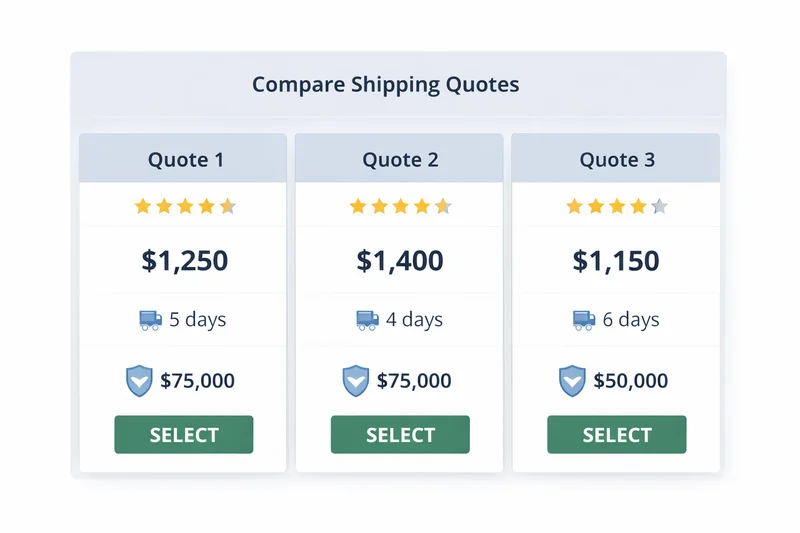
How YK Freight helps compare offers
Once carriers respond to your RFP, YK Freight helps you review the proposals. They compare:
- Total cost, including all fees
- Delivery speed and flexibility
- Insurance and protection options
- Extra services and special conditions
This side-by-side comparison saves you time and prevents mistakes that beginners often make, like picking the cheapest quote without considering hidden costs or delivery reliability.
How YK Freight helps you choose the best option
After evaluating the offers, YK Freight guides you in selecting the best solution based on your priorities — whether it’s the lowest cost, fastest delivery, or most reliable service. They make sure your decision is informed, practical, and tailored to your needs.
The benefits for budget-conscious shippers
Working with YK Freight helps you:
- Save money by finding competitive offers
- Avoid unexpected fees or delays
- Save time by streamlining the RFP process
- Reduce stress and avoid common mistakes
Even if you’re shipping just one car, YK Freight ensures the process is smooth and cost-effective. Their expertise turns a potentially complicated RFP into a tool that gives you control, clarity, and real savings.
Further Reading
What is 3PL Experience? Benefits of Third-Party Logistics
What is Managed Transportation?
What is a Broker in Transportation?
How to Get Freight from Shipper


ASK YOUR QUESTIONS