
Vaccines are life-saving, but they only work if they reach the right place at the right time. This guide explains the importance of vaccine supply chains, showing how careful planning, temperature control, and reliable transport prevent waste, reduce costs, and ensure vaccines arrive safely. Understanding these logistics principles can help budget-focused shippers see how smart planning saves time, money, and resources.
Table of Content:
- Why Are Supply Chains Critical to Modern Healthcare?
- What Makes the Vaccine Supply Chain Different From Other Medical Logistics?
- What Are the Main Parts of the Vaccine Supply Chain?
- Why Is Vaccine Production Part of the Supply Chain?
- How Does Vaccine Research and Testing Depend on Transportation?
- Why Is Temperature Control So Important for Vaccine Transport?
- What Causes Vaccine Loss During Transportation?
- How Do Limited Air Freight Options Affect Vaccine Supply Chains?
- Why Are Vaccine Supply Chains Under Global Attention Today?
- How Are Vaccine Supply Chains Becoming More Flexible and Resilient?
- What Can Logistics Companies Learn From Vaccine Supply Chains?
- How Does YK Freight Apply These Principles to Cost-Efficient Delivery?
Why Are Supply Chains Critical to Modern Healthcare?
Modern healthcare depends on logistics more than most people realize. Hospitals, clinics, and labs cannot work without a steady flow of medicines, equipment, and vaccines. If deliveries are late, damaged, or poorly handled, treatment slows down or stops completely.
Supply chains are not just about speed. Reliability is what really matters. A vaccine delivered fast but at the wrong temperature is useless. Medical equipment that arrives late can delay surgeries. In healthcare, logistics directly affects whether patients get the care they need.
Think about this the same way you think about shipping a car. If your vehicle arrives quickly but damaged, you still lose money. In healthcare, the cost of failure is even higher. A broken supply chain means wasted products, higher expenses, and missed treatment.
Reliable transport ensures that medical supplies arrive:
When logistics work smoothly, hospitals can plan better, reduce waste, and control costs. When they don’t, emergency shipments, storage fees, and product loss drive expenses up.
What Makes the Vaccine Supply Chain Different From Other Medical Logistics?
Vaccine logistics is more demanding than most other medical transportation. While many medical supplies can handle small delays or minor handling issues, vaccines cannot. They are highly sensitive products, and even small mistakes can make them unusable.
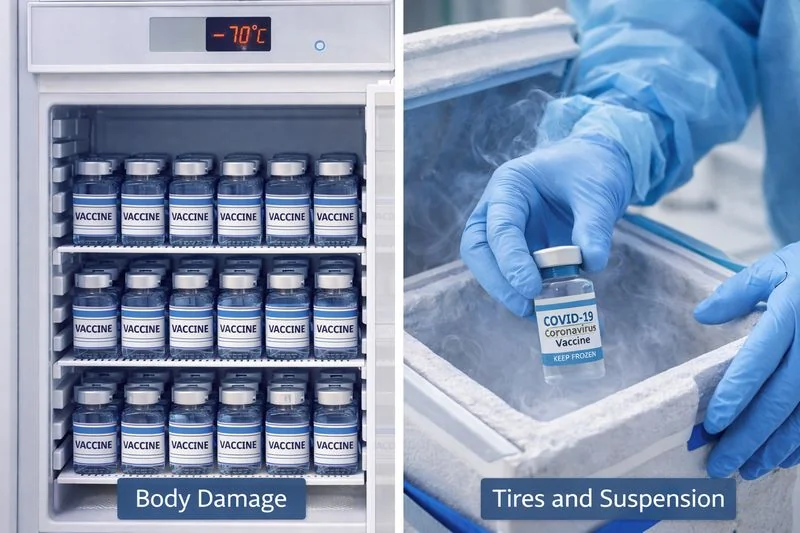
The biggest difference is temperature control. Vaccines must stay within a very strict temperature range from production to final delivery. If the temperature goes too high or too low — even for a short time — the entire shipment can be lost. Unlike other supplies, you cannot “fix” a damaged vaccine.
Timing is another critical factor. Vaccines often have short shelf lives and limited delivery windows. Delays caused by poor planning, missed connections, or storage issues can lead to wasted doses. This is similar to paying extra storage fees when a car shipment is delayed — except here, the product may be thrown away entirely.
The risk of loss is much higher with vaccines. A single failure in packaging, handling, or transport can destroy thousands of doses at once. That drives costs up quickly, because replacement shipments require more time, money, and resources.
What Are the Main Parts of the Vaccine Supply Chain?
When people think about vaccine logistics, they usually focus only on delivery. But the vaccine supply chain is much larger. It consists of four connected parts, and every part affects cost, reliability, and success. If one part fails, the entire chain suffers.
Product
This is the vaccine itself. It is fragile, temperature-sensitive, and high-value. From the start, it requires special packaging and handling. If the product is damaged at any stage, everything that follows becomes wasted effort and wasted money.
Production
Production includes research labs, testing sites, and manufacturing facilities. Vaccines move between these locations many times before mass production. Reliable transport during this stage is critical. Delays or damage here slow down development and increase costs long before distribution even begins.
Allocation
Allocation is about deciding where vaccines go and in what quantity. Poor planning at this stage leads to shortages in some areas and waste in others. Efficient allocation helps avoid emergency shipments, which are usually the most expensive.
Distribution
This is the final delivery to hospitals, clinics, and vaccination centers. It must be fast, controlled, and well-coordinated. But even perfect distribution cannot fix problems caused earlier in the chain.
Why Is Vaccine Production Part of the Supply Chain?
Many people think the supply chain starts when a finished vaccine is ready to ship. In reality, logistics begins much earlier, during production and development. Without reliable transport at this stage, vaccines may never reach mass distribution at all.
Vaccine production depends on moving:
- Research material
- Virus samples
- Test batches
- Specialized equipment
These items often travel between labs, testing centers, and manufacturing sites, sometimes across countries. Each shipment must arrive safely and on time. A delayed or damaged sample can slow research and raise costs.
Early-stage vaccines are just as sensitive as finished ones. They require careful handling, proper packaging, and strict temperature control. One transport mistake can force researchers to restart testing, wasting both time and money.
This is similar to moving a valuable vehicle part instead of the full car. If the part arrives damaged, the whole project stops. In vaccine production, strong logistics ensures development stays on schedule and budgets remain under control.
How Does Vaccine Research and Testing Depend on Transportation?
Vaccine research and testing rely heavily on transportation. Before a vaccine ever reaches production, materials must move safely between labs, testing centers, and research facilities, often across different cities or countries.
Researchers regularly ship:
- Virus samples
- Test compounds
- Trial vaccines
- Laboratory equipment
These shipments are time-sensitive and fragile. If a sample arrives late, research may pause. If it arrives damaged or at the wrong temperature, the entire test may need to be repeated. That means more time, more labor, and higher costs.
Delays also create scheduling problems. Testing sites plan their work around delivery times. When transport fails, teams sit idle, and deadlines move further away. This is similar to waiting on a delayed car delivery — except the cost is multiplied across many people and facilities.
Why Is Temperature Control So Important for Vaccine Transport?
Temperature control is one of the most critical parts of vaccine transport. Vaccines must stay within a very specific temperature range from the moment they are produced until they are used. This system is called the cold chain.
In simple terms, the cold chain means keeping vaccines neither too hot nor too cold at every step — during storage, loading, transport, and delivery. If the temperature goes outside the allowed range, even briefly, the vaccine can lose its effectiveness.
The problem is that small mistakes have big consequences. A failed cooling unit, incorrect packaging, or a long delay on the road can ruin an entire shipment. Unlike other cargo, damaged vaccines cannot be repaired or reused. They must be thrown away.
This drives costs up fast. A single temperature failure can destroy thousands of doses, forcing emergency replacements and urgent deliveries. That means higher transport costs, more planning pressure, and wasted resources.
What Causes Vaccine Loss During Transportation?
Vaccine loss during transportation is usually caused by logistics mistakes, not by the product itself. Most of these failures are avoidable, but they happen when planning or handling is rushed or poorly managed.
One common issue is poor packaging. If cooling materials are placed incorrectly or insulation is weak, vaccines can heat up or freeze during transit. Even a short temperature change can ruin the shipment. This is like shipping a car without proper protection and finding damage on arrival.
Bad planning is another major cause. Poor route selection, missed connections, or lack of backup plans can lead to delays. Vaccines stuck in traffic or waiting at a warehouse for hours may fall outside the safe temperature range.
Delays also increase risk. Flight cancellations, customs hold-ups, or driver shortages can extend transit time. The longer vaccines travel, the higher the chance of temperature failure or handling errors.
Finally, improper handling plays a big role. Opening containers too often, leaving shipments exposed during loading, or ignoring storage instructions can quickly destroy the cargo.
How Do Limited Air Freight Options Affect Vaccine Supply Chains?
Air freight plays a major role in vaccine transportation, especially for long distances and urgent deliveries. The problem is that a large share of medical cargo normally travels in the cargo holds of passenger flights. When passenger flights are reduced, cargo capacity drops with them.
With fewer planes available, vaccines must compete for space with other essential medical supplies like masks, gloves, and protective equipment. This competition makes planning harder and drives prices up. Even well-prepared shipments may face delays simply because there is no available space.
Limited air freight also reduces flexibility. When a flight is canceled or fully booked, there may be no quick alternative. That forces last-minute route changes, longer transit times, or more expensive charter options.
For budget-focused customers, this situation is easy to understand. It’s like trying to ship a car during peak season with fewer carriers available. Rates rise, schedules tighten, and mistakes cost more.
Why Are Vaccine Supply Chains Under Global Attention Today?
Vaccine supply chains have become a major focus for global organizations like the World Health Organization (WHO) because vaccines are critical, time-sensitive, and high-value products. A failure anywhere in the chain — from production to delivery — can delay immunization programs, waste resources, and put public health at risk.
Global crises, such as the COVID-19 pandemic, have exposed weaknesses in logistics planning. Limited air freight, rushed production, and uneven distribution highlighted how easily vaccines can be delayed or damaged. When millions of doses are at stake, even small mistakes become major problems.
Organizations like WHO focus on vaccine logistics to ensure:
- Proper temperature control at every stage
- Efficient allocation to regions that need them most
- Reliable transport networks that can handle high volumes
- Risk management to prevent shipment failures
How Are Vaccine Supply Chains Becoming More Flexible and Resilient?
Vaccine supply chains are evolving to handle challenges more effectively. Organizations and logistics providers are investing in better planning, backup strategies, and stronger systems to reduce losses, delays, and wasted resources.
One major trend is advanced route planning. Logistics teams now map multiple transport options, including alternative flights, road routes, and even refrigerated storage hubs. This ensures that if one option fails, vaccines can still reach their destination without being spoiled.
Another improvement is redundancy in cold chain systems. Backup refrigerators, temperature monitors, and insulated packaging help protect vaccines during unexpected delays or handling errors. Even if one cooling method fails, others can maintain the required temperature range.
Data and technology also play a role. Real-time tracking allows teams to monitor shipments continuously. If a shipment encounters a delay or temperature fluctuation, corrective action can be taken immediately. This reduces the risk of product loss and lowers overall transport costs.
For budget-conscious customers, these improvements are similar to shipping valuable vehicles with insurance, tracking, and contingency planning. A well-prepared supply chain may cost a little more upfront but prevents expensive mistakes and ensures smooth delivery.
What Can Logistics Companies Learn From Vaccine Supply Chains?
Vaccine supply chains set a high standard for planning, precision, and risk management, and there’s a lot that logistics companies can learn from them—even outside healthcare. Whether transporting cars, machinery, or general freight, the same principles apply.
First, planning is everything. Vaccine logistics requires mapping every step, from production to final delivery, including backup routes and contingency plans. Similarly, vehicle transport and freight shipping benefit from detailed planning. Knowing the route, timing, and storage requirements ahead of time prevents delays and costly mistakes.
Second, risk control matters more than speed. Vaccines are high-value, time-sensitive, and temperature-sensitive. A small mishap can destroy an entire shipment. In general logistics, this is like shipping a car without proper protection: damage or delay can quickly wipe out any savings from a cheap transport rate. Budget-conscious shippers learn that investing in proper handling upfront saves money in the long run.
Finally, total cost reduction is about efficiency, not just low rates. Vaccine supply chains focus on avoiding waste, minimizing emergency shipments, and maintaining quality throughout transport. In freight or auto delivery, the lesson is the same: it’s cheaper to plan, track, and protect shipments than to deal with damage, delays, or lost cargo later.
How Does YK Freight Apply These Principles to Cost-Efficient Delivery?
YK Freight applies the same careful planning and risk management principles used in vaccine supply chains to all types of deliveries, including vehicles and general freight. The goal is simple: help budget-focused customers avoid delays, damage, and unexpected costs while keeping transport efficient.
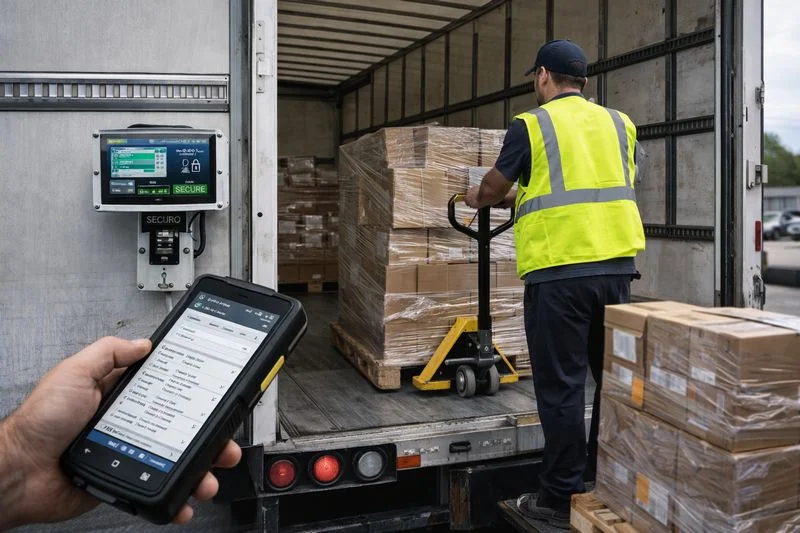
First, careful route planning ensures shipments take the fastest, safest, and most reliable path. YK Freight evaluates multiple transport options and backup routes to prevent delays, similar to how vaccines are routed to ensure timely delivery. For example, if a car shipment faces a risk of road closures or port congestion, an alternative route is already prepared to avoid costly waiting fees.
Second, risk awareness and protection are built into every shipment. Packages, vehicles, and cargo are handled with the right equipment, secure loading methods, and real-time tracking. This reduces the chance of damage during transport and minimizes the need for emergency fixes. Just like a cold-chain failure can ruin vaccines, poor handling can result in expensive vehicle or freight damage.
Third, cost efficiency comes from proactive management. YK Freight monitors shipments in real-time, prevents bottlenecks, and avoids unnecessary storage or rerouting fees. Budget-conscious customers benefit because a little planning upfront eliminates high, unexpected costs later. The company’s approach focuses on reducing total expenses, not just finding the cheapest shipping option.
Further Reading
What is a Cold Chain?
Discover the Top Benefits of Intermodal Transport for Safe and Cost-Effective Shipping
Why Supply Chain Cyber Security Matters for Safe and Cost-Effective Shipping
How Healthcare Shipping Works: Safe, Reliable, and On-Time Delivery


ASK YOUR QUESTIONS