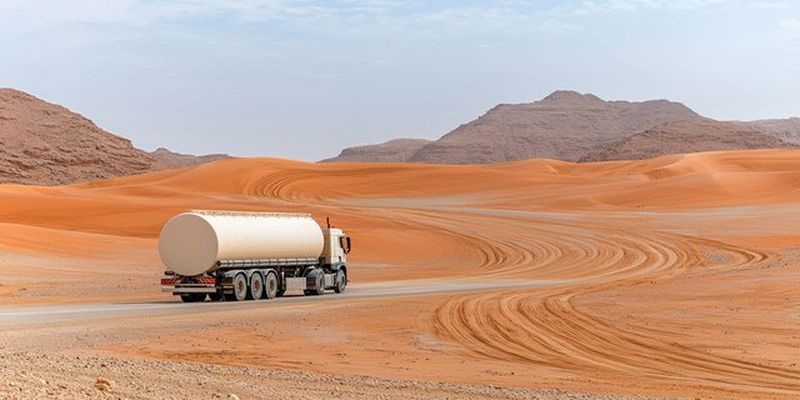
Transporting oil and gas is risky — one mistake can lead to delays, shutdowns, or massive costs. In this quick guide, you’ll learn three simple safety practices that help prevent accidents and keep transportation running smoothly. Understanding these basics helps you choose reliable partners like YK Freight and avoid unexpected fees or delays, especially when you’re working with a tight delivery budget.
Table of Content:
- Why Does Oil and Gas Safety Matter During Transportation?
- What Is a Risk Management Strategy and Why Is Prevention Cheaper Than Fixing Consequences?
- How Does Operational Safety Control Reduce Human Error?
- Why Is Communication Critical for Safe Oil and Gas Transportation?
- How Does YK Freight Deliver Safe, Efficient, and Cost-Friendly Transportation?
Why Does Oil and Gas Safety Matter During Transportation?
Transporting oil and gas is not the same as moving regular goods. These materials are highly flammable and hazardous, which makes the entire supply chain extremely sensitive. If something goes wrong — a leak, a spill, or a fire — the consequences can be serious. Accidents in the oil and gas sector may lead to environmental damage, injuries, costly shutdowns, and government fines.
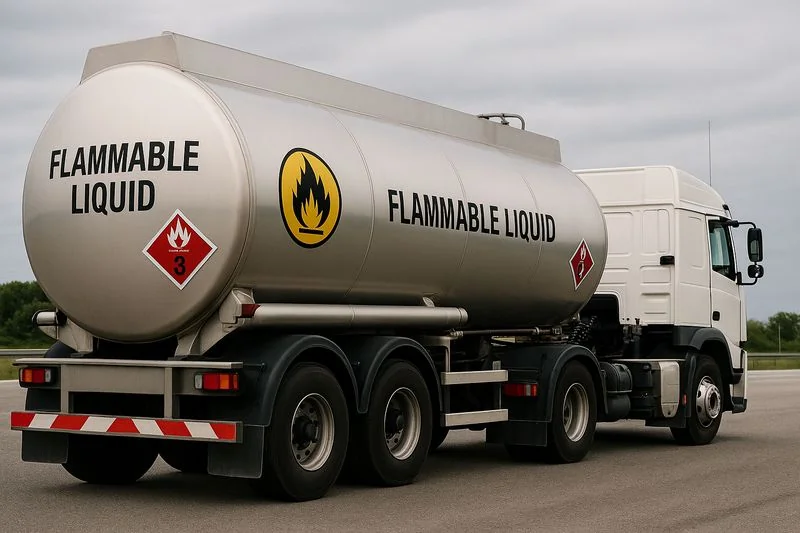
But here's the part many people don’t realize:
When oil and gas transportation isn’t done safely, everyone pays the price.
If a carrier cuts corners and an accident happens, roads may close, deliveries get delayed, and companies are forced to reroute trucks. That means higher fuel costs, unexpected storage fees, and schedule disruptions. And when transportation costs go up in the oil and gas sector, the ripple effect hits other industries, including auto shipping.
For example, imagine you're shipping a car and expect it to arrive in a week. Suddenly, your delivery is delayed because a nearby oil route was shut down due to a safety incident. The carrier must take a longer route — which means more miles, more fuel, and sometimes an added cost to you.
What Is a Risk Management Strategy and Why Is Prevention Cheaper Than Fixing Consequences?
A risk management strategy is a step-by-step plan that helps companies predict potential dangers before transportation begins and take action to avoid them. Instead of reacting to accidents, delays, or damaged cargo, businesses use data and planning to minimize risks from the start. In logistics — especially in the oil and gas industry — prevention is always cheaper than dealing with consequences. Every hour of downtime costs money, and unplanned issues can lead to emergency repairs, storage fees, or even regulatory fines.
Companies like YK Freight use risk management from the moment a shipment is planned. Before any truck or vessel moves, specialists analyze:
- Route conditions — traffic restrictions, construction zones, low bridges, or difficult terrain.
- Weather forecasts — storms, extreme heat or cold, and natural disaster alerts.
- Hazardous areas — regions with safety regulations or limited access.
- Equipment condition — whether trucks, trailers, cranes, or tanks are ready for safe operation.

By forecasting what could go wrong, they reduce the chance of delays, accidents, and unexpected extra costs. It’s similar to choosing a safe and proven route when transporting your own vehicle — you plan ahead to avoid road closures or rough roads, so nothing slows you down. The same idea applies here: smart planning upfront saves time, money, and stress later.
How Does Operational Safety Control Reduce Human Error?
A large percentage of accidents in logistics happen not because of bad equipment, but because of human error — someone skips an inspection, assumes a load is secured, or rushes to save time. Negligence and “shortcut thinking” are the most common reasons behind damaged cargo, late deliveries, and costly incident reports.
Operational safety control helps eliminate these risks by building a strong safety culture within the company. This includes:
- Regular inspections of trucks, trailers, and lifting equipment
- Training for drivers and handlers so they know the safest procedures
- Clear accountability — every stage of the process has a responsible person
When safety becomes routine, mistakes are less likely to happen. Teams don’t “guess” or hope for the best — they follow proven checklists and documentation.
For the customer, the impact is direct and easy to relate to. Just like with auto transportation, if someone skips a simple check — for example, doesn’t secure the straps properly or ignores a warning light — the shipment can get delayed or damaged. Suddenly, what should have been a smooth delivery turns into extra costs, schedule changes, and unnecessary stress.
Operational safety control ensures that every shipment moves according to plan, without surprises. In other words: when people follow safety rules, your cargo arrives faster, safer, and without hidden problems.
Why Is Communication Critical for Safe Oil and Gas Transportation?
In the oil and gas industry, accidents rarely happen “out of nowhere.” There are usually warning signs first — unusual pressure readings, strange noises, weather alerts, or a driver noticing something doesn’t feel right. The real danger appears when those early signals are ignored or not communicated to the right people fast enough.
That’s why constant communication is one of the most important safety practices in oil and gas transportation. YK Freight keeps drivers, dispatchers, and route planners connected at every step of the journey. When a driver notices a concern — like a change in road conditions or equipment behavior — the team reacts immediately. They can reroute the truck, schedule emergency maintenance, or pause the transport to avoid risks.
Small issues get solved early, before they become expensive problems.
Clear communication helps avoid:
- Delays caused by equipment breakdowns
- Fines from safety violations
- Damage to cargo or environment
- Costly emergency shutdowns

Think of it like tracking your vehicle delivery. When the company gives you updates, you stay informed, and nothing catches you by surprise. But if no one communicates? You’re left stressed, guessing, and hoping everything is okay.
With oil and gas transportation, the stakes are even higher — poor communication doesn’t just cause stress, it can lead to accidents and major financial losses.
How Does YK Freight Deliver Safe, Efficient, and Cost-Friendly Transportation?
Safety and efficiency aren’t just about avoiding accidents — they’re also about saving money. When a shipment gets delayed, every hour costs more: extra fuel, storage fees, driver hours, and sometimes penalties. For budget-conscious customers, those surprises can ruin the entire delivery plan.
YK Freight helps prevent these situations from the start.
The company combines careful planning, route optimization, and live monitoring to ensure every shipment moves smoothly. Before the truck even starts its route, the team analyzes weather forecasts, hazardous zones, traffic, and road conditions. If there’s a risk of delays — like storms, road closures, or restricted areas — they adjust the route in advance.
Once the shipment is on the road, YK Freight tracks it in real time. Dispatchers stay connected with drivers to react immediately if anything changes. That means fewer interruptions, faster decisions, and — most importantly — no unexpected costs piling up.
For customers trying to keep their delivery budget under control, this matters. Predictable shipping = predictable spending.
- No delays → no storage fees
- No route mistakes → no wasted fuel
- No rushed re-routing → no last-minute surcharges
It’s like choosing the fastest, safest route when transporting your personal vehicle — the trip goes smoother, and you don’t pay for someone else’s mistakes.
Further Reading
4 Best Transportation Methods for Oil and Gas Shipping Explained
How to Optimize Your Oil and Gas Supply Chain for Cost and Efficiency
How Oil and Gas Companies Can Save on Logistics and Cut Transportation Costs
Dry Van Hazmat Shipping in Atlanta: What You Need to Know


ASK YOUR QUESTIONS