Shipping multiple vehicles or making several stops in one trip can be confusing and costly if not planned correctly. This guide explains multi-stop truckload transportation, showing how to organize routes, coordinate carriers, and reduce extra costs. By following these tips, budget-conscious shippers can move vehicles efficiently, save money, and avoid common mistakes that make multi-stop shipments more expensive.
Table of Content:
- What Is Multi-Stop Truckload Transportation?
- Why Do Shippers Use Multi-Stop Truckload Shipping?
- Why Do Carriers Often Avoid Multi-Stop Loads?
- Is Multi-Stop Truckload Shipping Always More Expensive?
- How Does Planning Ahead Reduce Multi-Stop Shipping Costs?
- How Can Consolidating Stops Make Your Load More Attractive?
- Why Does Consistency Matter in Multi-Stop Routes?
- How Do Extra Miles and Driver Hours Increase Your Final Price?
- What Common Mistakes Make Multi-Stop Shipping More Expensive?
- How Can YK Freight Help Manage Multi-Stop Truckload Shipments?
What Is Multi-Stop Truckload Transportation?
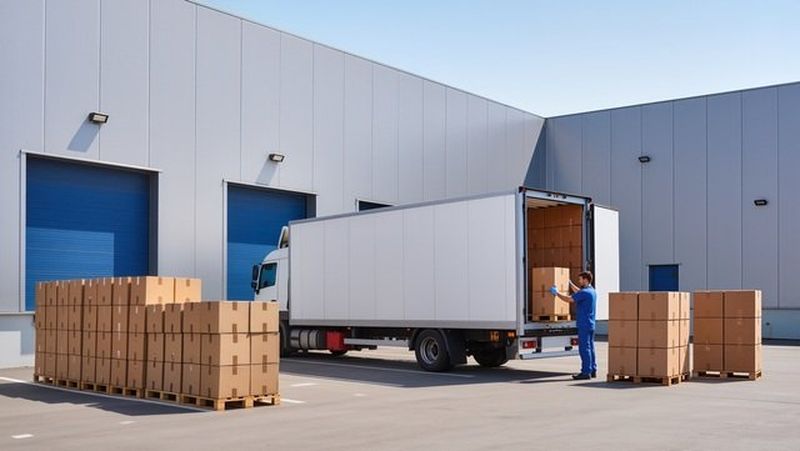
Multi-stop truckload transportation is a type of shipping where a truck makes more than one pickup or delivery before reaching the final destination. In standard truckload shipping, the route is simple: the vehicle is picked up at one location and delivered directly to another. There are no stops in between. This option is usually faster and easier to manage.
With multi-stop truckload shipping, the route includes extra locations. A truck may pick up vehicles from different sellers or deliver cars to several buyers along the way. This setup is common when a shipper wants to move more than one vehicle or combine shipments to reduce overall costs.
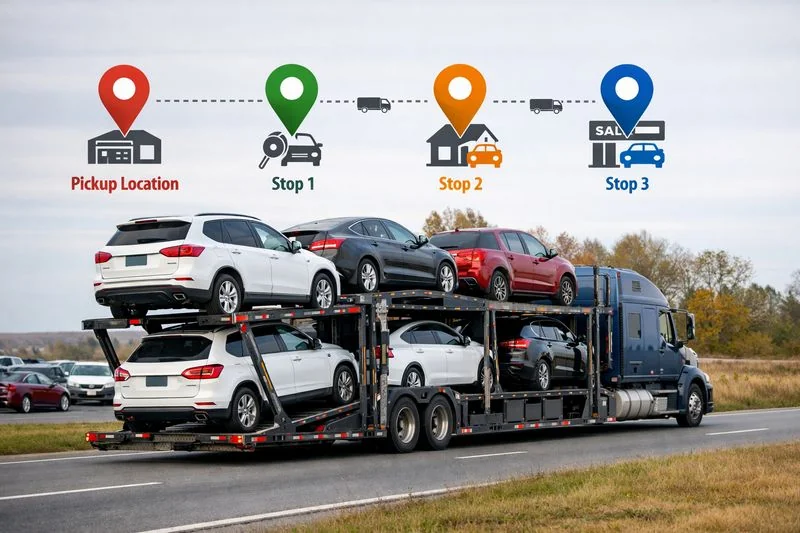
For budget-conscious shippers, multi-stop routes often make sense. For example, you may buy two cars from nearby auctions or sellers and want them moved on one truck instead of paying for separate shipments. Or you may need to deliver vehicles to different locations to save money compared to booking multiple full truckloads.
Why Do Shippers Use Multi-Stop Truckload Shipping?
Shippers use multi-stop truckload shipping because it helps them move vehicles more efficiently and, in many cases, spend less money. This is especially useful for people who are working with a limited budget and want to avoid paying for multiple separate shipments.
A common situation is buying more than one vehicle. For example, you may purchase two or three cars from different sellers or auctions located close to each other. Instead of booking separate trucks for each car, a multi-stop route allows one truck to pick up all vehicles in one trip. This helps lower the total cost per car.
Multi-stop shipping is also helpful when vehicles need to be delivered to different locations. A dealer or small reseller may need one car delivered to a customer and another sent to a storage lot. Using one truck with multiple drop-off points is often cheaper than arranging individual deliveries.
Another reason is load consolidation. When shippers combine vehicles going in the same general direction, carriers can use their capacity more efficiently. This often leads to better pricing compared to single-vehicle transport.
Why Do Carriers Often Avoid Multi-Stop Loads?
Carriers often avoid multi-stop loads because they require more time and create more uncertainty compared to standard truckload shipments. For carriers, time and predictability directly affect how much money they can make on a trip.
Each extra stop adds waiting time. Drivers may arrive on schedule but still have to wait for paperwork, loading, or unloading. This waiting time is usually unpaid, which makes multi-stop routes less profitable for the carrier. When delays add up, the entire schedule can fall apart.
Extra mileage is another issue. Multi-stop routes are rarely a straight line. Detours between pickup and delivery points increase fuel costs and wear on the truck. Even small route changes can push a driver over their legal Hours of Service (HOS) limits, forcing an unplanned stop and extending transit time.
Scheduling risk is also higher. If one stop runs late, every stop after it is affected. This can cause missed appointments and unhappy customers. For carriers, this risk makes multi-stop loads harder to manage and less appealing.
Is Multi-Stop Truckload Shipping Always More Expensive?
Multi-stop truckload shipping is often seen as more expensive, but that is not always true. The final cost depends on how the route is planned and how well the stops are organized. For budget-focused shippers, the difference can be significant.
Multi-stop shipping usually costs more when the route is poorly planned. Long detours, far-apart stops, and tight schedules increase fuel costs and driver hours. Carriers price in this risk, which leads to higher rates. Last-minute changes make the situation even worse and often result in added fees.
However, multi-stop shipping can save money when it is planned correctly. Combining multiple vehicles on one truck often costs less than booking several separate shipments. If pickups and deliveries are close to each other and follow a logical route, carriers can complete the trip efficiently.
For example, picking up two cars from nearby auctions and delivering them along the same route can reduce the cost per vehicle. Instead of paying full price for each shipment, you share transportation costs across multiple stops.
How Does Planning Ahead Reduce Multi-Stop Shipping Costs?
Planning ahead is one of the most effective ways to reduce the cost of multi-stop truckload shipping. When carriers know all the details early, they can evaluate the route properly and price it fairly. Last-minute requests almost always cost more.
Early planning improves carrier availability. Carriers are more willing to accept multi-stop loads when they have time to fit them into their schedule. This gives you access to more options and better rates. When time is short, carriers charge more because they are taking on extra risk.
Planning also allows room for negotiation. When you are not rushed, your freight broker can compare offers, adjust routes, and find the most cost-effective solution. This is especially important for budget-conscious shippers who want to avoid overpaying.
Another advantage is avoiding surprise fees. When stops, timing, and locations are clearly planned in advance, there is less chance of delays, rescheduling, or added charges. Carriers know what to expect, and the shipment runs more smoothly.
How Can Consolidating Stops Make Your Load More Attractive?
Consolidating stops is one of the easiest ways to make a multi-stop load more attractive to carriers. When pickups or deliveries are close to each other, the route becomes faster, simpler, and more predictable. This directly affects pricing and carrier acceptance.
Clustering stops within a limited area, such as a 30-mile radius, reduces extra driving time. The carrier spends less time navigating traffic, making detours, or searching for locations. Shorter distances between stops also lower fuel costs and help drivers stay within their legal driving hours.
From a carrier’s point of view, close stops feel more like a single shipment instead of a complex route. The risk of delays drops, and the schedule is easier to manage. This makes carriers more willing to accept the load and less likely to charge a premium.
For budget-conscious shippers, this can lead to real savings. Instead of paying for long detours between far-apart locations, you are using the truck’s time efficiently. Even small changes, like choosing pickup locations that are closer together, can make a noticeable difference in the final price.
Why Does Consistency Matter in Multi-Stop Routes?
Consistency is a key factor in keeping multi-stop truckload shipping affordable. Carriers prefer routes that are predictable and easy to follow. When schedules and locations are organized, the shipment runs smoother and costs less.
Predictable pickup and delivery times help drivers plan their day. When stops are ready on time, drivers avoid long waits and stay within their normal driving hours. This reduces the risk of delays and extra charges. Unclear or changing schedules often lead to overtime, rerouting, or missed appointments.
Organized pickups also matter. When vehicles are ready, paperwork is prepared, and access is clear, each stop takes less time. Shorter stop times keep the route on track and make the load more profitable for the carrier.
Reducing extra mileage is another benefit of consistency. Routes that follow a logical path avoid unnecessary detours. Less mileage means lower fuel costs and less wear on the truck, which carriers factor into their pricing.
How Do Extra Miles and Driver Hours Increase Your Final Price?
Extra miles and driver hours have a direct impact on the final price of a multi-stop shipment. Carriers calculate rates based on distance, time, and risk. When any of these increase, the cost goes up.
Additional distance means higher fuel costs and more wear on the truck. Even short detours between stops add up over a long route. Carriers include these extra miles in their pricing because they reduce overall efficiency and profit.
Driver Hours of Service (HOS) limits are another major factor. Drivers are legally restricted in how long they can drive each day. When a multi-stop route includes long waits or extra mileage, a driver may reach their HOS limit sooner. This can force an overnight stop and extend transit time.
Longer transit times make the load less attractive to carriers. The truck is tied up longer, which prevents the carrier from taking another load. To compensate, carriers often increase the price or reject the shipment altogether.
What Common Mistakes Make Multi-Stop Shipping More Expensive?
Several common mistakes can make multi-stop truckload shipping far more expensive than it needs to be. Many of these are easy to avoid if you plan carefully and communicate clearly with your broker or carrier.
One major mistake is poor route planning. For example, scheduling pickups that are far apart or out of order can create unnecessary miles and longer transit times. A truck may have to backtrack or take detours, increasing fuel costs and driver hours, which carriers pass on to you.
Unclear communication is another costly issue. If you don’t provide addresses, special instructions, or expected delivery times upfront, the carrier may arrive unprepared. This can lead to delays, rescheduled stops, or even missed pickups, all of which add to the final price.
Last-minute changes are especially expensive. Adding a new stop, moving a pickup, or changing delivery times after the route is confirmed disrupts the carrier’s schedule. Drivers may have to drive extra miles, wait longer at stops, or violate Hours of Service limits, leading to extra fees.
Other common mistakes include failing to consolidate stops within the same area and not providing proper documentation for each pickup or delivery. Both can slow down the route and increase costs.
How Can YK Freight Help Manage Multi-Stop Truckload Shipments?
YK Freight helps make multi-stop truckload shipping simple, efficient, and affordable, especially for budget-conscious shippers. We handle the planning, coordination, and communication so you don’t have to worry about extra costs or delays.
First, we plan the route carefully. By analyzing all pickup and delivery points, we create a logical path that minimizes extra miles and avoids unnecessary detours. This keeps fuel costs down, reduces transit time, and ensures drivers stay within legal Hours of Service limits.
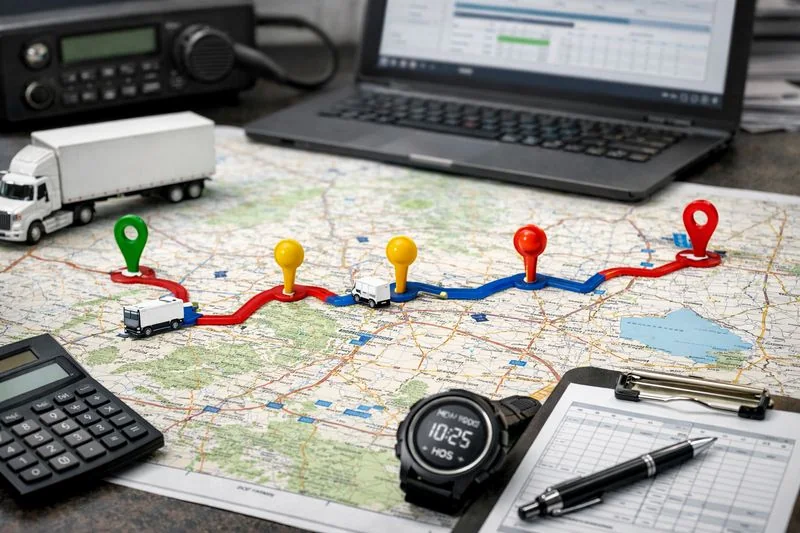
Next, we coordinate carriers who are experienced with multi-stop shipments. Our network includes reliable drivers who understand vehicle handling and can manage multiple stops efficiently. We match your shipment with the carrier best suited to your route, timing, and budget.
Communication is another area where YK Freight adds value. We provide clear instructions to carriers and keep you updated at every stage of the shipment. You always know where your vehicle is, when it will arrive, and any changes that might occur along the way.
Further Reading
What is FTL in Trucking?
What Does LTL Mean?
How to Get Freight from Shippers
Intermodal vs FTL Trucking: Which Freight Option is Right for You?


ASK YOUR QUESTIONS