Shipping cars, engines, or auto parts in small loads can be costly and unpredictable without the right approach. Understanding LTL efficiency helps you save money, avoid delays, and get reliable delivery. This guide explains practical tips to improve LTL performance with YK Freight, making every shipment smoother, faster, and more affordable for budget-conscious shippers.
Table of Content:
- What Is LTL Shipping and Why Does Efficiency Matter?
- How Can Longer Lead Times Improve LTL Efficiency?
- How Does Freight Weight and Packaging Affect LTL Performance?
- Why Is Clear Communication with Carriers Critical?
- How Can You Analyze Your Current LTL Strategy?
- What Other Practices Can Boost LTL Efficiency?
What Is LTL Shipping and Why Does Efficiency Matter?
LTL, or Less-Than-Truckload shipping, is a method of transporting goods that don’t require a full truck. Instead, your shipment shares space with other customers’ freight. This makes LTL a cost-effective option for budget-conscious shippers because you only pay for the portion of the truck your cargo occupies.
For example, if you’re shipping a single car engine from an auction or a few auto parts to a buyer across the country, LTL allows you to move your items without renting an entire truck. It’s perfect for small or medium shipments, but only if managed efficiently.
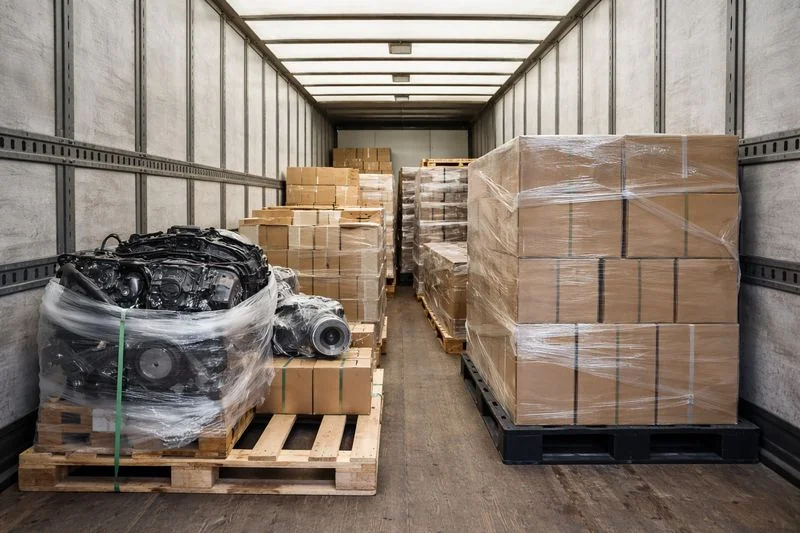
Efficiency matters because LTL shipments involve multiple stops, handling points, and shared space with other shippers. Poor planning or unclear instructions can lead to delays, higher fees, or even damage to your cargo. For instance, shipping a car part without proper packaging or giving last-minute pickup instructions may cause YK Freight to place it at the end of the line or require additional handling fees.
How Can Longer Lead Times Improve LTL Efficiency?
One of the easiest ways to boost LTL efficiency is by giving YK Freight more lead time to plan your shipment. Lead time is the period between booking your shipment and the pickup date. Planning a few days—or even a week—in advance gives you access to the best LTL carriers and more options for equipment, routes, and services.
Early planning increases flexibility. When YK Freight has more notice, they can match your shipment with a carrier that fits your specific needs, rather than leaving you with whatever trucks are left last-minute. This helps ensure accurate delivery estimates and higher on-time performance, which is critical for shipments like cars, engines, or auto parts.
For example, imagine you need to ship a car from Atlanta to Chicago. If you schedule the shipment 5-6 days in advance, YK Freight can find a reliable carrier, confirm pickup times, and plan the best route. Booking at the last minute, however, could force you to accept a carrier with limited availability, risk delays, or pay higher rates.
Longer lead times also allow you to request additional services, like liftgates, inside delivery, or special handling for high-value vehicles. These services may not be available or may cost more if booked last-minute.
How Does Freight Weight and Packaging Affect LTL Performance?
Freight weight, size, and packaging play a big role in how smoothly an LTL shipment moves. Carriers prioritize shipments that are easy to handle, stack, and transport. Proper palletization and secure packaging make your shipment more attractive to carriers, which can lead to faster pickups, fewer delays, and lower costs.
For example, if you’re shipping a car engine, placing it on a sturdy pallet and wrapping it securely reduces the risk of damage during transfers. Auto parts should be packed so they fit neatly on standard pallets or in boxes that are easy to stack. A shipment that is too light, too bulky, or improperly packaged can get delayed, moved to the end of the loading queue, or even incur extra fees.
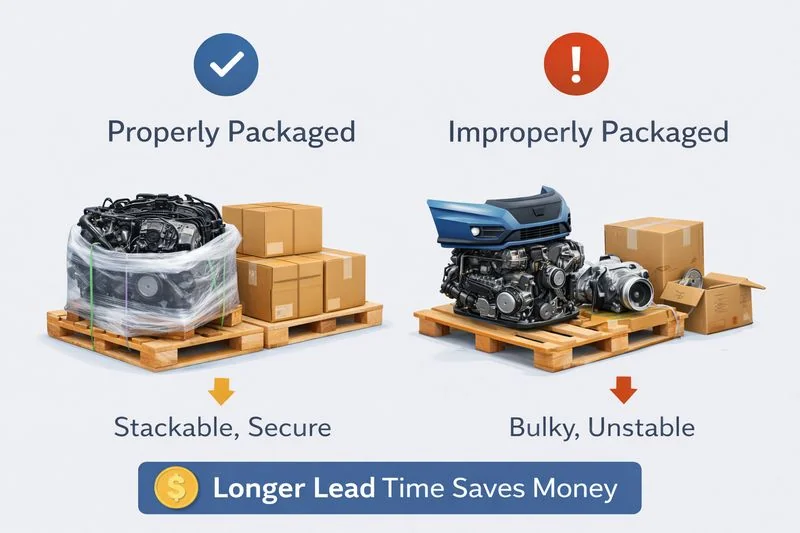
Size and weight also affect pricing and priority. Most carriers prefer shipments in the mid-range—typically between 1,000 to 2,000 pounds. Very light shipments may get lower priority, while oversized loads require special handling and may cost more. For instance, shipping a single oversized car bumper without proper packaging could delay your shipment and increase your bill.
Why Is Clear Communication with Carriers Critical?
Clear communication with YK Freight is essential for smooth and efficient LTL shipping. Providing accurate shipment details—such as weight, dimensions, and freight class—helps ensure your cargo is matched with the right carrier and equipment. This reduces the risk of delays, extra charges, or shipment errors.
For example, if you’re shipping a car engine or a set of auto parts, YK Freight needs to know the exact size and weight so the carrier can plan the space, stack your shipment safely, and transport it without issues. Missing or inaccurate information can lead to the shipment being delayed, moved to the back of the truck, or charged for special handling unexpectedly.
Communicating any special services upfront is also critical. Services like liftgate delivery, shipping to remote locations, or inside delivery need to be arranged in advance. If you wait until the last minute or fail to mention these requirements, the carrier may not be equipped, which could result in rescheduled pickups or additional fees.
How Can You Analyze Your Current LTL Strategy?
Improving LTL efficiency starts with understanding how your current shipping process works. Evaluating your shipment practices, tracking costs, and monitoring carrier performance can reveal areas where you might be losing time or money.
For example, if you regularly ship auto parts or vehicles from auctions, take note of any recurring delays or missed delivery windows. Are certain carriers consistently late? Do some shipments cost more than expected? Is packaging or freight weight causing extra handling fees? Collecting this information helps you spot patterns and inefficiencies.
Once you identify bottlenecks, you can make informed changes. Maybe scheduling shipments earlier improves on-time performance, or switching carriers for certain routes saves money. Perhaps consolidating smaller shipments reduces handling fees. For budget-conscious shippers, these adjustments can lead to significant savings without compromising delivery quality.
Analyzing your strategy also allows YK Freight to recommend improvements, from optimizing pickup schedules to adjusting shipment sizes, ensuring that future LTL shipments are smoother, faster, and more cost-effective.
What Other Practices Can Boost LTL Efficiency?
Beyond lead times, packaging, and communication, there are several additional practices that can help you get the most out of LTL shipping with YK Freight. These small adjustments can improve efficiency, reduce costs, and make your shipments more predictable.
1. Consolidate Multiple Small Shipments:
If you regularly ship auto parts, engines, or other car-related items, combining several smaller shipments into one LTL load can save money. Carriers prefer fuller trucks because they maximize space and reduce handling complexity. For example, shipping three car engines together instead of separately can lower the cost per item and reduce the risk of delays.
2. Choose Flexible Delivery Windows:
Being flexible with pickup or delivery dates allows YK Freight to select the most cost-effective and available carriers. Instead of requesting a specific day or hour, providing a two- or three-day window can increase options, lower rates, and reduce scheduling conflicts.
3. Use YK Freight’s Digital Tools:
Take advantage of tracking and planning tools offered by YK Freight. Digital platforms provide real-time updates, shipment visibility, and notifications for any delays. For example, if you’re shipping a high-value car part, monitoring the shipment online helps you act quickly if a problem arises, preventing additional costs or missed deadlines.
4. Standardize Packaging and Freight Classes:
Consistently using proper packaging, pallets, and freight classes simplifies handling for carriers and improves scheduling. Standardization reduces errors, delays, and extra fees, especially for budget-conscious shippers managing multiple small LTL loads.
Further Reading
What Does LTL Mean?
How to Get Freight from Shippers
How to Find Dedicated Loads
What Is Guaranteed LTL Delivery?


ASK YOUR QUESTIONS