
In today’s connected supply chains, cybersecurity is more important than ever. From smart devices to cloud platforms, digital risks can delay shipments, damage goods, or expose sensitive information. This guide explains logistics cybersecurity and risk management, helping you understand threats and choose safe, reliable shipping solutions—so your vehicle arrives on time and without unexpected costs.
Table of Content:
- What is logistics cybersecurity and why does it matter?
- How can a cyberattack affect a shipment?
- Why did COVID-19 make supply chain cybersecurity more important?
- Who is at risk: carriers, customers, or vendors?
- What regulations and standards exist for supply chain cybersecurity?
- How can companies protect shipments and data without breaking the budget?
- What are the risks of ignoring logistics cybersecurity?
- How does YK Freight handle cybersecurity and risk management?
What is logistics cybersecurity and why does it matter?
Logistics cybersecurity is all about protecting the digital systems that keep supply chains running. Today’s shipping isn’t just trucks on the road and paperwork in an office—it’s a network of smart devices, IoT-connected vehicles, robotics, temperature sensors, and cloud-based platforms. These technologies make it possible to track shipments in real time, optimize routes, and ensure goods arrive safely and on time.
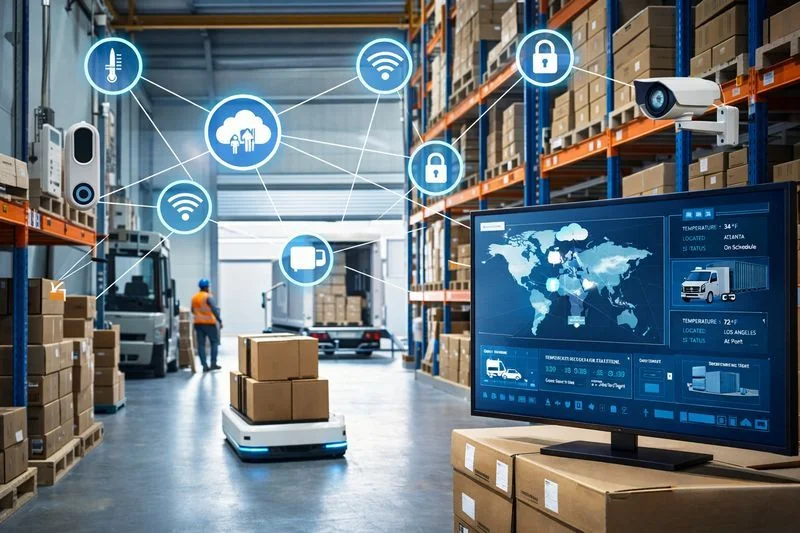
While this connectivity makes shipping faster and more transparent, it also creates new risks. Hackers can target any part of the system—cloud platforms, sensors, or even warehouse robotics—to disrupt operations or steal sensitive information. A cyberattack might delay shipments, damage goods, or expose private data, turning a smooth delivery into a costly problem.
How can a cyberattack affect a shipment?
Cyberattacks on logistics aren’t just abstract threats—they can directly affect your delivery. Hackers often target connected systems like temperature sensors, electronic logging devices (ELDs), or cloud platforms that manage shipments. For example, if a temperature sensor in a warehouse or truck is hacked, it could report the wrong readings, causing goods to spoil. While this might seem small for perishable groceries, imagine a delayed or damaged shipment of a car’s sensitive parts or electronics—repair costs and delivery delays can quickly add up.
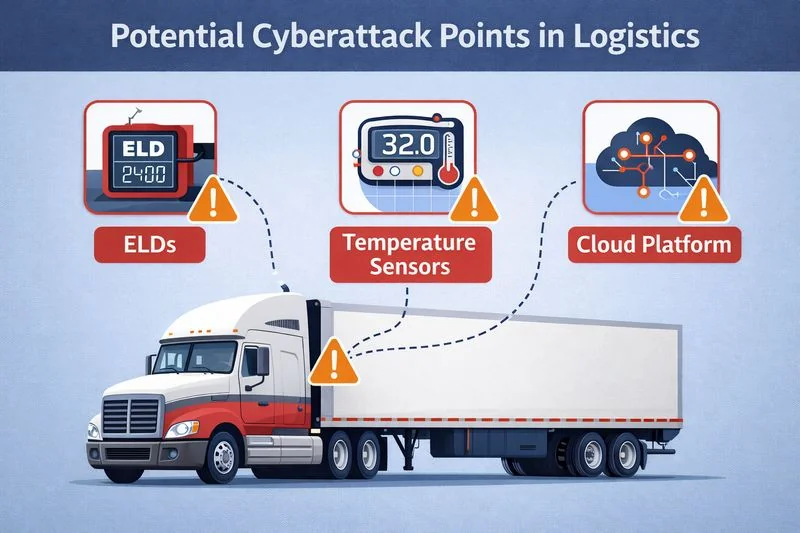
Attacks on cloud systems are another concern. Cybercriminals can steal or lock shipment data, leaving logistics companies unable to track or schedule deliveries. This could mean your vehicle sits in a lot for days, or worse, gets misrouted. Even minor errors in these connected systems can ripple across the entire supply chain, affecting carriers, warehouses, and customers alike.
Why did COVID-19 make supply chain cybersecurity more important?
The COVID-19 pandemic didn’t just disrupt shipping schedules—it exposed serious weaknesses in supply chain security. As companies shifted to remote work, moved their operations to the cloud, and embraced more digital tools, hackers found new ways to exploit vulnerabilities. Systems that were once isolated suddenly became accessible from anywhere, making them more attractive targets for cyberattacks.
Smaller businesses were especially at risk. Many didn’t have the budget to invest in strong cybersecurity, but they were often connected to larger companies as vendors or service providers. Hackers could breach a small company’s system and then use it as a gateway to attack bigger organizations. This means that even if your vehicle is being shipped by a mid-sized or small logistics provider, the weakest link in their network could create costly problems for you.
Who is at risk: carriers, customers, or vendors?
Cyberattacks don’t just target big corporations—they can impact everyone involved in the supply chain. Carriers, customers, and vendors are all vulnerable. For example, hackers can steal customer information, such as contact details or billing data, putting individuals at risk of fraud. Carrier data, like schedules, routes, or vehicle logs, can be exposed, disrupting operations and causing delays. Even vendors supplying parts or services can become entry points for cybercriminals, halting shipments or creating financial losses.
These risks are very real. In September 2020, the French shipping company CMA CGM suffered a ransomware attack that reportedly cost $50 million in one of their subsidiaries. Earlier that year, TQL experienced a breach of its IT system, exposing sensitive carrier information. Incidents like these show that a single cyberattack can ripple across the entire logistics network, affecting everyone from large companies down to individual customers.
What regulations and standards exist for supply chain cybersecurity?
To tackle growing cyber threats, governments have created guidelines and standards for supply chain cybersecurity. One key example is the Federal Acquisition Institute’s supply chain risk management policy, which sets rules for identifying, assessing, and reducing risks across all links of the supply chain. These regulations help ensure that companies follow best practices to protect sensitive data, secure connected devices, and maintain safe operations.
The reason these rules exist is simple: cyberattacks can have serious consequences, from financial losses to stolen data and damaged reputation. By enforcing standards, regulators aim to make supply chains more resilient, so that even if one part of the network is compromised, the entire system isn’t disrupted.
How can companies protect shipments and data without breaking the budget?
Protecting shipments and data doesn’t have to be expensive. Even small, smart investments can prevent costly mistakes later. Companies can start with practical steps like using secure online portals for tracking shipments, working only with verified vendors, keeping systems up to date with the latest software patches, and using data encryption to protect sensitive information.
For example, a logistics provider might spend a few hundred dollars a year on encrypted communication tools. This simple step can prevent hackers from accessing shipment details or customer information. Another low-cost measure is regular staff training on spotting phishing emails or suspicious links, which is far cheaper than dealing with a major cyberattack.
What are the risks of ignoring logistics cybersecurity?
Ignoring logistics cybersecurity can have serious consequences, even for smaller shipments like vehicles. A hacked system can lead to lost shipments, where your car or parts go missing because delivery data was altered. Damaged goods can result from manipulated sensors or incorrect handling instructions, leading to costly repairs. Even delayed deliveries can create problems, especially if you rely on a car arriving by a specific date.
Beyond physical shipment issues, cyberattacks can trigger fines or lawsuits if sensitive customer information is exposed. Reputation damage is another hidden cost—once a logistics company is known for weak security, customers may lose trust, and services may become more expensive due to extra precautions.
How does YK Freight handle cybersecurity and risk management?
At YK Freight, protecting shipments and customer data is a top priority. We understand that for budget-conscious clients, delays, damage, or lost information can mean unexpected costs—so we take multiple steps to keep your delivery safe from cyber threats.
Our approach starts with secure systems and technology. All shipment tracking, order management, and customer communications run through encrypted platforms, making it much harder for hackers to access sensitive information. We also maintain regular software updates to close any vulnerabilities before they can be exploited.
Staff training is another key part of our security strategy. Every team member is educated on spotting phishing attempts, handling sensitive data safely, and following strict protocols when accessing digital systems. This reduces the risk of human error, which is often the easiest entry point for cybercriminals.
Finally, we carefully select vendors and partners based on their cybersecurity practices. By working only with verified, secure providers, we ensure that every step of your shipment—whether it’s a car, vehicle parts, or other goods—is handled safely from start to finish.
Further Reading
Why Supply Chain Cyber Security Matters for Safe and Cost-Effective Shipping
Building a Resilient Supply Chain: Strategies for Reliable, Cost-Friendly Delivery
How to Tell If Your Freight Broker Is Effective and Saves You Money
3 Best Practices for Effective Vendor Management in Vehicle Shipping


ASK YOUR QUESTIONS