Shipping hazardous materials can feel complicated and risky, especially if you’re on a budget. This guide breaks down the essentials of hazmat shipping in simple steps—from classification and packaging to choosing the right carrier—so you can transport your items safely, stay compliant, and avoid extra costs.
Table of Content:
- What Are Hazardous Materials and Why Is Safety Crucial?
- How Do I Classify My Hazardous Materials?
- How Do I Determine the Hazard Class?
- How Should I Package and Label Hazmat for Shipping?
- How Do I Choose the Right Carrier for Hazmat Shipping?
- What Are Common Mistakes to Avoid When Shipping Hazmat?
- How Can I Save Money While Shipping Hazmat Safely?
What Are Hazardous Materials and Why Is Safety Crucial?
Hazardous materials, or “hazmat,” are substances that can be dangerous to people, property, or the environment if not handled properly. They include items that are flammable, corrosive, toxic, explosive, or reactive. Simply put, these are materials that can catch fire, burn skin, release harmful fumes, or even explode under certain conditions.
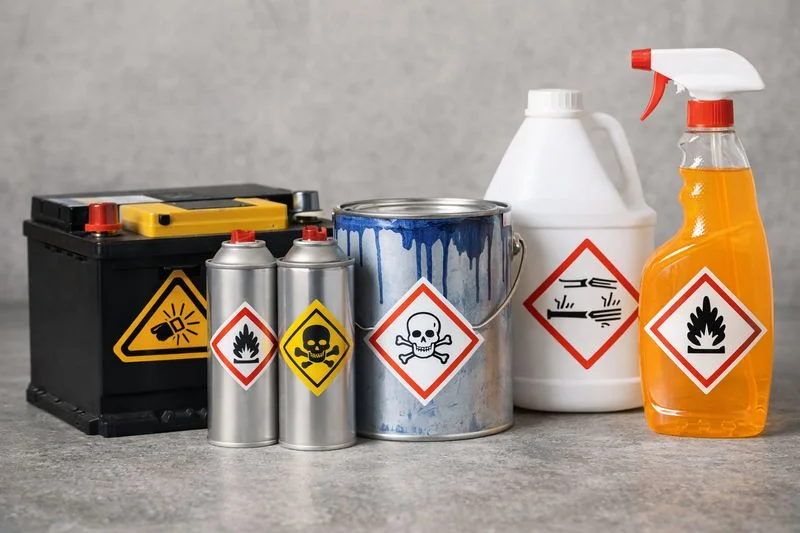
For example, flammable items include gasoline, certain cleaning chemicals, or aerosol cans. Corrosive materials could be acids or car batteries that can leak and damage other items or cause injury. Explosives include things like fireworks or airbag inflators. Even seemingly harmless items, like paint cans or some automotive fluids, can become dangerous if not packaged or transported correctly.
The main reason safety is so important when shipping hazmat is that even a small mistake can lead to fires, chemical spills, or injuries, and in some cases, legal trouble. Improper handling can damage your shipment, endanger drivers and handlers, and lead to costly fines.
Think about someone shipping a damaged car battery or a few paint cans for a DIY project. If the battery leaks acid or the paint cans are crushed during transport, it could start a chemical reaction, release toxic fumes, or even catch fire. Proper preparation, packaging, and labeling reduce these risks and ensure your shipment arrives safely.
How Do I Classify My Hazardous Materials?
The first step in shipping hazardous materials is knowing exactly what kind of hazard you’re dealing with. This is called classification, and it’s essential because every rule for packaging, labeling, and shipping depends on it. Think of it as the roadmap that ensures your shipment is handled safely from start to finish.
Hazardous materials are grouped into different hazard classes. These classes describe the type of risk the material poses, such as:
- Flammable liquids or solids – like gasoline, paint, or certain cleaning chemicals.
- Corrosive substances – acids, batteries, or car fluids that can burn skin or metal.
- Toxic or infectious materials – some chemicals or biological samples.
- Explosives – fireworks, airbag inflators, or certain automotive parts.
- Reactive substances – materials that can react dangerously with water, air, or other chemicals.
Why is classification so important? Because once you know the class of your material, you can follow the correct packaging, labeling, and shipping rules. For example:
- A flammable liquid needs a specific type of leak-proof container and a fire warning label.
- An airbag inflator is classified as an explosive item, which requires strict packaging, a special label, and sometimes official approval before shipping.
- Even cleaning chemicals for a car detailing business must be classified correctly to prevent spills and fines.
Here’s a practical example: imagine you’re shipping a used car with airbag inflators installed, or you’re sending cans of industrial cleaning chemicals to a client. If you skip classification, you might package them incorrectly or use the wrong labels. This could lead to fines, shipment delays, or even dangerous accidents during transport.
How Do I Determine the Hazard Class?
Once you know that your shipment contains hazardous materials, the next step is to determine its exact hazard class. This is crucial because the class dictates how you package, label, and ship the item safely.
The easiest way to start is with the Safety Data Sheet (SDS). Most certified manufacturers and suppliers provide an SDS with their products. This sheet contains important details like:
- Hazard classification – tells you what type of danger the material poses (flammable, corrosive, explosive, etc.)
- Four-digit UN ID code – a unique identifier used in shipping documents
- Handling instructions and safety measures – tells you what precautions to take
For example, if you’re shipping automotive cleaning chemicals, the SDS will tell you if they’re flammable liquids or corrosive substances, and what kind of container and label are required.
After reviewing the SDS, the next step is to consult the Hazardous Materials Table. This table lists all classes of hazardous materials and provides additional rules, such as:
- The type of packaging you must use for each class
- Required labels and markings
- Any special provisions or restrictions
Some hazardous materials, like explosives, certain airbag inflators, or fireworks, require official endorsement from the authorities before shipment. This means you cannot just package and send them; you need approval to ensure safety.
Practical tip: Always use the SDS provided by the manufacturer or supplier. It’s the most reliable source of information and helps you avoid costly mistakes or accidents. Never guess the class or rely on assumptions—hazmat shipping is not the place to take shortcuts.
How Should I Package and Label Hazmat for Shipping?
Once you’ve classified your hazardous materials, the next critical step is packaging and labeling. Proper packaging keeps your shipment safe, prevents leaks or spills, and ensures you comply with regulations. At YK Freight, we follow strict guidelines for different hazard classes to protect both the shipment and everyone handling it.
Packaging:
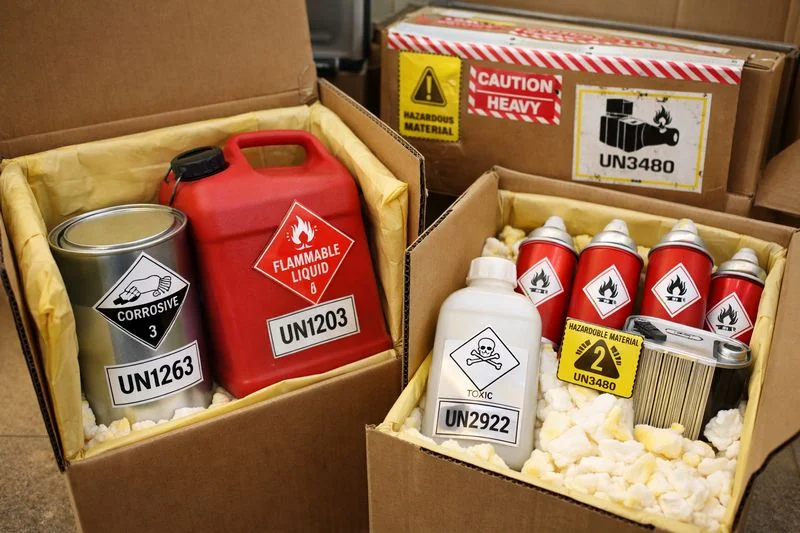
- Different hazard classes require different types of containers. Flammable liquids, for example, need leak-proof, UN-approved containers, while corrosive materials like car batteries require sturdy, acid-resistant packaging.
- Always seal containers tightly and use cushioning material to prevent movement during transport. Even small jolts can cause leaks or damage.
- For cost-conscious shippers, it’s better to invest in a certified container than risk fines, damage, or having your shipment rejected. Sometimes, one properly packed box can hold multiple small items safely, reducing overall shipping costs.
Labeling:
- Labels must clearly display the hazard class, UN ID code, and any handling instructions.
- Proper labeling is essential—not just for compliance, but to inform drivers and handlers of the risks. Missing or incorrect labels can lead to delays, fines, or dangerous accidents.
- Some shipments also require shipping papers with detailed information about the contents, including the hazard class, quantity, and packaging type. Always attach these to the shipment so the carrier has everything at hand.
Imagine you’re shipping fuel additives or car batteries. If you pack them in old cardboard boxes without padding or proper labels, they could leak, spill, or even ignite during transit. Instead, place the battery in a sturdy, acid-resistant container, fill empty space with cushioning material, seal it tightly, attach the correct hazard label, and include shipping papers with all details. This approach keeps costs reasonable while ensuring your shipment is safe and compliant.
How Do I Choose the Right Carrier for Hazmat Shipping?
Choosing the right carrier is one of the most important steps when shipping hazardous materials. Not all transportation companies are equipped or certified to handle hazmat safely, and mistakes can be costly. That’s why it’s crucial to book with carriers experienced in hazmat shipments, like YK Freight, who understand the rules, packaging requirements, and safety standards.
Why experience matters:
- Hazmat shipments have strict regulations that must be followed to the letter. Carriers familiar with these rules know how to handle your shipment safely, avoiding damage or accidents.
- Experienced carriers can guide you if your items require special packaging, labeling, or documentation. They help prevent common mistakes that could delay your shipment or lead to fines.
Transparency is key:
- Always provide your carrier with complete and accurate information about your shipment. This includes the hazard class, UN ID code, packaging type, and any special handling instructions.
- Being upfront helps the carrier plan the transport safely and ensures compliance with regulations. Even small omissions can result in shipment rejection, delays, or penalties.
Imagine you’re shipping a used car with airbag inflators or sending cans of automotive cleaning chemicals. If you don’t provide your carrier with all the details—like the exact hazard class or packaging method—they might refuse the shipment, or it could be delayed for inspections. By giving YK Freight complete information, your shipment is handled efficiently, arrives safely, and avoids unnecessary fines.
What Are Common Mistakes to Avoid When Shipping Hazmat?
Shipping hazardous materials can seem complicated, and many mistakes happen simply because people don’t follow the rules or take shortcuts. Knowing what to avoid can save you money, time, and headaches.
Common mistakes include:
- Incorrect classification – Misidentifying the hazard class of your materials can lead to improper packaging, missing labels, or even shipment refusal.
- Weak or improper packaging – Using the wrong container, not cushioning items, or skipping approved packaging can cause leaks, spills, or damage.
- Missing or incorrect labels – Labels inform carriers and handlers about the hazards. Missing or wrong labels can cause delays, fines, or accidents.
- Incomplete documentation – Not attaching shipping papers with all necessary details about the materials, hazard class, or UN ID codes can result in shipment rejection or penalties.
Practical advice for budget-conscious shippers:
- Double-check the SDS before shipping. It’s the easiest way to confirm the hazard class, UN ID code, and safety requirements.
- Avoid DIY labels or packaging shortcuts. Trying to save money by using cardboard boxes instead of approved containers might seem cheaper, but it can lead to fines, rejected shipments, or accidents.
- Plan ahead. Taking a little extra time to ensure all documentation, labels, and packaging are correct often saves more money than skipping steps.
Imagine someone shipping car batteries to a repair shop and trying to cut costs by putting them in regular cardboard boxes without proper cushioning or labels. During transit, a battery leaks acid, damaging other items and the truck, and the shipment is rejected by the carrier. The result? They end up paying more in damages and fines than if they had used proper packaging from the start.
How Can I Save Money While Shipping Hazmat Safely?
Shipping hazardous materials doesn’t have to drain your budget. By planning carefully and using smart strategies, you can keep costs low while staying safe and compliant.
Here are some tips to save money:
- Consolidate shipments whenever possible
- Instead of sending several small packages separately, combine them into one properly packaged container. This reduces shipping fees, handling costs, and the risk of errors.
- Example: If you’re sending several small cans of automotive cleaners or car batteries, putting them together in one certified container saves both money and time.
- Use YK Freight’s services efficiently
- YK Freight specializes in hazmat shipping and offers solutions that help you save without compromising safety.
- Booking ahead, providing complete shipment details, and asking for guidance on packaging can prevent extra charges, delays, or rejected shipments.
- Plan ahead and schedule shipments smartly
- Last-minute shipments or rushed services often cost more. Planning your shipment in advance allows you to choose the most cost-effective options and avoid emergency fees.
- Consider safe, approved packaging reuse
- Some certified containers can be reused if they’re in good condition and meet regulations. This can lower costs for repeated shipments, but always ensure the container is still compliant and safe.
Example:
Imagine you need to send a few cans of flammable automotive paint and a small car battery. Instead of sending each item separately, you can use one UN-approved, cushioned container to hold both items safely. Attach the correct labels, include all necessary shipping papers, and book the shipment with YK Freight. You’ve reduced shipping costs, kept your items safe, and avoided potential fines.
Further Reading
Dry Van Hazmat Shipping in Atlanta: What You Need to Know
Oil and Gas Safety: Top 3 Practices for Risk-Free Transportation
Building a Resilient Supply Chain: Strategies for Reliable, Cost-Friendly Deliver


ASK YOUR QUESTIONS