
LTL (Less-than-Truckload) shipping is a cost-effective way to move smaller freight, but it often comes with longer transit times. This guide will show practical ways to speed up your LTL shipments, from proper preparation and route planning to working with carriers and using expedited services. By applying these tips, budget-conscious shippers can save time, reduce delays, and improve on-time delivery for smoother operations.
Table of Content:
- What Is LTL Shipping and Why Are Transit Times Longer?
- How Can Preparing Your Shipment Improve Transit Times?
- Why Should You Extend Lead Times for Your Shipments?
- How Does Expedited Shipping Reduce Transit Times?
- EHow Can Route Planning Make LTL Shipping Faster?
- What Are the Best Practices for Working With Carriers?
- How Can YK Freight Support Faster LTL Deliveries?
What Is LTL Shipping and Why Are Transit Times Longer?
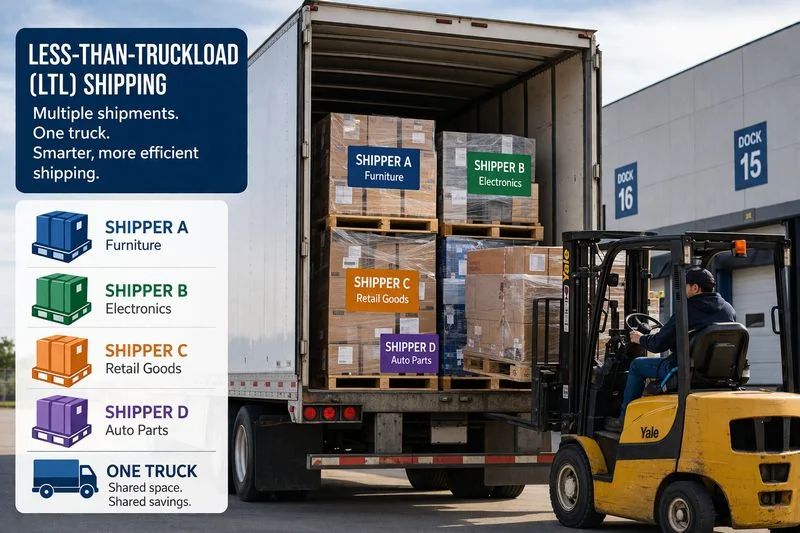
Less-than-Truckload (LTL) shipping is a freight transportation option where multiple shippers share space on the same truck. Instead of booking an entire truck, businesses send smaller loads that are combined with other shipments going in the same general direction. This makes LTL a cost-efficient choice, especially for small to mid-size businesses that don’t need a full truck for their goods.
How LTL Differs from Full Truckload Shipping
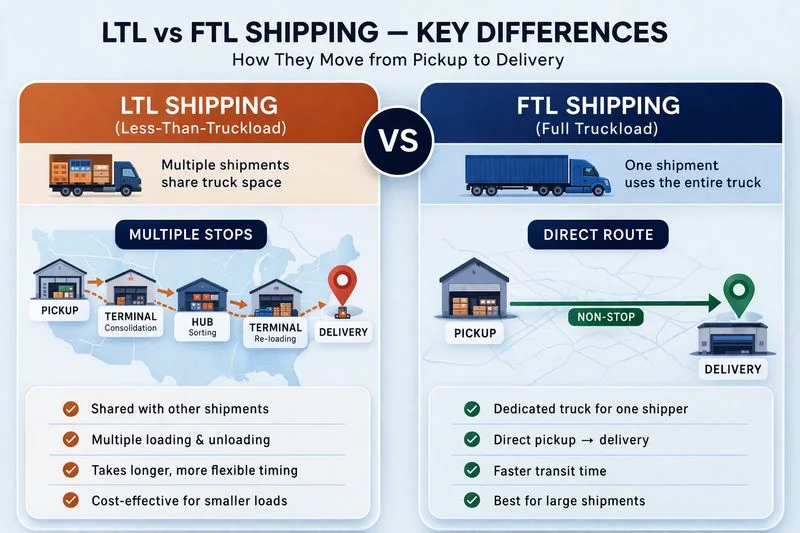
The main difference between LTL and full truckload (FTL) shipping is that FTL uses the entire truck for a single shipment. Because the truck is dedicated to one shipment, it usually goes directly from pickup to delivery without stops along the way. In contrast, LTL shipments often move through multiple terminals, get loaded and unloaded multiple times, and are consolidated with other shipments at hubs.
This extra handling naturally adds time to the transit process. Even if the pickup and delivery are within the same region, the freight may pass through several locations before reaching its final destination.
Why Understanding LTL Transit Times Matters
Knowing how LTL works helps shippers plan more effectively. By understanding that LTL takes longer due to consolidation and multiple touchpoints, businesses can:
- Schedule pickups and deliveries with realistic timelines.
- Choose the right type of shipping service, including expedited options if faster delivery is critical.
- Avoid unexpected delays by preparing shipments properly and planning routes strategically.
How Can Preparing Your Shipment Improve Transit Times?
Proper shipment preparation is one of the simplest yet most effective ways to improve LTL transit times. When your freight is ready and organized before pickup, carriers can handle it faster, reducing delays and improving the likelihood of on-time delivery. Small details in preparation can have a big impact on speed and efficiency.
Coordinating Pickup Times With the Carrier
One of the first steps is to coordinate pickup times carefully. LTL carriers often operate on tight schedules and may leave within 15–30 minutes of the scheduled pickup, with or without a load. If your shipment isn’t ready, it can cause delays, missed pickups, or even re-routing of your freight. By aligning your schedule with the carrier’s availability, you can reduce waiting times and avoid unnecessary stops, helping your shipment move faster.
Proper Palletization and Packaging
How your freight is packaged and palletized also affects transit times. Properly stacked and secured pallets make it easier for carriers to load and unload shipments quickly. Poorly packaged or unstable items may need to be repacked or rejected, which adds delays and extra fees. Using the right materials, securing items tightly, and following standard palletization practices ensures that your shipment moves smoothly through each touchpoint.
Consolidating Shipments Going to the Same Location
If you are shipping multiple items to a single destination, try to consolidate them into one shipment. Fewer individual shipments mean fewer handling steps, lower packaging needs, and less chance of delays. Consolidation also helps reduce overall shipping costs, which is especially important for budget-conscious businesses.
Shipping Near Metropolitan Areas
Another effective strategy is to ship from or near metropolitan areas whenever possible. Cities with a higher concentration of carriers and shipping terminals allow for faster pickup, smoother routing, and fewer chances of transit delays. For example, sending freight from a warehouse near a major city hub often results in quicker delivery than starting from a remote location.
Why Should You Extend Lead Times for Your Shipments?
Extending lead times is one of the most effective ways to improve LTL transit times. By planning shipments well in advance—ideally 5–6 days or more—you give yourself and your carriers the flexibility to choose the best routes, avoid capacity shortages, and ensure smoother handling of your freight. Early planning reduces stress, prevents delays, and often lowers costs for businesses working with tight budgets.
More Accurate Delivery Time Estimates
When you schedule shipments ahead of time, carriers have more options for routing your freight. This allows them to provide more reliable and accurate delivery estimates. Without sufficient lead time, shipments may be assigned to whatever carrier is available at the last minute, which can result in longer transit times and less predictable delivery windows.
Ability to Request Additional Services
Longer lead times also give you the opportunity to request extra services that can improve delivery performance. This might include liftgate service, inside delivery, or scheduled delivery appointments. These services often require advance notice, and last-minute requests may be unavailable or come at a higher cost. Planning ahead ensures your shipment is handled exactly as needed.
Higher Chances of On-Time Delivery
By giving yourself and the carrier more planning time, you significantly increase the likelihood of on-time delivery. Carriers have more flexibility to consolidate shipments efficiently, choose the best routes, and avoid congested terminals. For shippers on a budget, this reduces the risk of paying for expedited services due to missed delivery windows or delayed freight.
Practical Example for Budget-Conscious Shippers
Consider a small business shipping auto parts. If the shipment is scheduled only a day or two in advance, the available carriers may be limited, and the freight could be routed through multiple extra terminals, increasing costs and delays. By extending lead time to a full week, the business can select the best carrier, confirm all services, and have a realistic delivery date—saving money and avoiding last-minute complications.
How Does Expedited Shipping Reduce Transit Times?
Expedited shipping is a service designed to deliver freight faster than standard LTL shipments. Unlike regular LTL, which often passes through multiple terminals and consolidates with other shipments, expedited shipping uses dedicated equipment and routes to minimize handling and speed up transit. This service is especially useful for time-sensitive deliveries or high-priority shipments.
Shorter Transit Times and Fewer Touchpoints
The key advantage of expedited shipping is that it significantly reduces transit time. Freight moves directly along faster routes with fewer stops, meaning fewer touchpoints where delays could occur. Each time a shipment is loaded or unloaded, there’s a chance for delays or misrouting. By minimizing these touchpoints, expedited shipping ensures that your freight reaches its destination more quickly and reliably.
Example of Expedited Shipping Benefits
For example, a standard LTL shipment may take several days to travel from one state to another, depending on the number of terminals it passes through. With expedited shipping, the same freight can often arrive in 1–2 business days, depending on the carrier, route, and destination. This speed makes it ideal for urgent deliveries or situations where delayed shipments could impact operations or revenue.
How YK Freight Can Help
Professional logistics providers like YK Freight can organize expedited shipments safely and efficiently. Their experienced freight brokers coordinate routes, ensure proper handling, and communicate with carriers to keep shipments on schedule. By leveraging expedited services through YK Freight, businesses can meet tight deadlines without compromising the safety or quality of their freight.
How Can Route Planning Make LTL Shipping Faster?
Careful route planning is a crucial factor in improving LTL transit times. Even well-prepared shipments can be delayed if the routes are inefficient or if freight passes through too many terminals. By thinking strategically about where your shipment starts and the path it takes, you can reduce delays, lower costs, and improve overall delivery reliability.
Ship Closer to Major Transportation Hubs
One of the simplest ways to speed up LTL shipments is to send freight from or near major transportation hubs or metropolitan areas. These locations typically have a higher concentration of carriers, terminals, and resources, which allows for quicker pickups, fewer delays, and smoother transfers between trucks. For small or budget-conscious shippers, choosing a warehouse or pickup point near a hub can save both time and money.
Combine Multiple Shipments to the Same Location
If you have several shipments heading to the same destination, consolidating them into a single shipment can further reduce transit time. Fewer individual shipments mean fewer handling steps and fewer opportunities for delays. It also reduces the need for excessive packaging and simplifies logistics coordination.
Practical Example
For instance, a small business shipping auto parts to multiple dealerships in the same city can combine all orders into one consolidated shipment from a nearby metropolitan warehouse. This approach reduces the number of separate pickups, lowers the chance of delays at terminals, and cuts down on packaging costs—all while ensuring the shipment arrives faster than if each order were sent separately.
What Are the Best Practices for Working With Carriers?
Building a strong working relationship with your LTL carriers is essential for improving transit times. Even the most carefully prepared shipments can face delays if communication and coordination with carriers are lacking. By following best practices, shippers can reduce errors, avoid costly delays, and keep freight moving efficiently.
Maintain Clear Communication
Clear and consistent communication with your carrier is key. Make sure all details of the shipment—such as pickup times, delivery addresses, freight dimensions, and special handling requirements—are communicated accurately. Providing complete information upfront reduces the chances of mistakes and delays during transit.
Confirm Pickup Windows
Always confirm the carrier’s pickup windows before scheduling shipments. LTL carriers often operate on tight schedules, and missing a pickup window can cause the shipment to be delayed or rerouted. Confirming pickup times in advance ensures that both the shipper and carrier are aligned and prevents unnecessary waiting or extra fees.
Understand Carrier Service Areas
Not all carriers service every region. Some may refuse shipments outside their coverage area, which can lead to rejected pickups and costly delays. Before scheduling a shipment, verify that the carrier covers the destination and any intermediate terminals. This knowledge allows you to plan efficiently and avoid surprises that slow down delivery.
Practical Example
For example, a business shipping auto parts to multiple states may assume a carrier can deliver everywhere. Without checking the carrier’s service map, a shipment could be refused in a less-serviced region, forcing last-minute rerouting or a new carrier search. By confirming service areas ahead of time, the shipper avoids delays, extra charges, and frustration.
How Can YK Freight Support Faster LTL Deliveries?
Working with an experienced logistics provider can make a significant difference in LTL transit times. YK Freight offers professional brokerage services that help businesses plan shipments efficiently, optimize routes, and even arrange expedited deliveries when speed is critical. By leveraging their expertise, shippers can reduce delays, improve on-time performance, and streamline their freight operations.
Optimizing Routes and Planning Shipments
One of the main ways YK Freight helps is through strategic route optimization. Experienced brokers analyze the best paths for shipments, taking into account carrier availability, terminal locations, and regional traffic patterns. This careful planning ensures that your freight moves along the fastest, most efficient routes. Additionally, YK Freight assists in coordinating pickups, consolidating shipments, and preparing freight properly to avoid handling delays.
Arranging Expedited Shipping
When standard LTL transit times are not fast enough, YK Freight can arrange expedited shipping. This service uses dedicated equipment and routes with fewer touchpoints, ensuring faster delivery. Expedited shipping is especially helpful for time-sensitive freight or critical business operations where delays could impact revenue or customer satisfaction.
Improving On-Time Delivery Through Preparation
By combining careful preparation, advanced planning, and professional carrier management, businesses significantly increase the likelihood of on-time delivery. YK Freight acts as a partner throughout the shipping process, providing guidance, handling logistics complexities, and helping shippers navigate LTL challenges efficiently.
Further Reading
What Does LTL Mean?
How to Get Expedited Loads?
How to Navigate the Driver Shortage: Tips for Faster, Affordable Auto Shipping
What Is Guaranteed LTL Delivery? Learn How It Ensures On-Time Freight Shipping


ASK YOUR QUESTIONS