
Shipping medical supplies and equipment requires more care than regular freight. This guide explains how healthcare shipping works, including temperature control, tracking, and special services. You’ll learn how proper planning and reliable delivery help prevent delays, protect sensitive products, and save money—so even budget-conscious shippers can ensure critical items arrive safely and on time.
Table of Content:
- What Makes Healthcare Shipping Different From Regular Freight?
- Why Is Temperature Control So Important in Medical Shipping?
- How Does Proper Supply Chain Management Keep Healthcare Freight Moving?
- Why Is Tracking and Shipment Visibility Essential in Healthcare Shipping?
- What Special Services Are Required for Healthcare Shipping?
- How Does YK Freight Support Safe and On-Time Healthcare Shipping?
- When Does Expedited or Dedicated Shipping Become Necessary?
- What Should Healthcare Providers Confirm Before Booking With YK Freight?
What Makes Healthcare Shipping Different From Regular Freight?
Healthcare shipping works under much stricter rules than regular freight because the stakes are far higher. When delivering vehicles or auto parts, a delay is frustrating—but when transporting medical supplies, the consequences can be serious. Medications, test samples, equipment, and hospital materials must arrive on time and in perfect condition. Even a small mistake can affect patient safety.
Timing is one of the biggest differences. In healthcare, many shipments are urgent. Hospitals may need supplies the same day. Pharmacies depend on scheduled deliveries so patients don’t miss their treatments. There’s almost no room for delays, which means healthcare shipping requires precise planning and reliable carriers.
Another major factor is sensitivity. Many medical products can’t handle rough handling or changing temperatures. Unlike car parts, which can usually sit in a warehouse an extra day without harm, medical freight often needs controlled conditions every step of the way.
Because of these challenges, healthcare shipping relies heavily on coordination. Every stage—from pickup to transit to delivery—must be organized in advance. All parties need up-to-date information, and miscommunication can cause costly disruptions.
Why Is Temperature Control So Important in Medical Shipping?
Temperature control is one of the most critical parts of healthcare shipping because many medical products can be damaged by even a small change in temperature. Prescription drugs, vaccines, lab samples, and certain medical supplies must stay within a specific temperature range from the moment they leave the facility until they reach their final destination. If the climate isn’t controlled, these items can lose effectiveness or become unsafe to use.
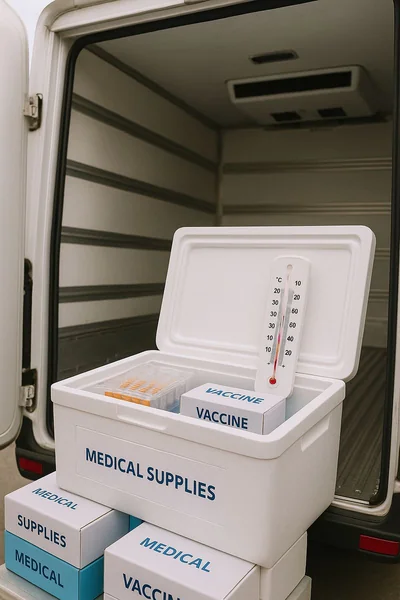
To prevent this, healthcare shipments rely on refrigerated trailers, insulated packaging, thermal blankets, and sometimes deep-freeze equipment. These tools help maintain a stable environment during long transit times or when freight moves through different climates. Even a short exposure to heat or cold can ruin medications that people rely on.
A simple comparison helps make this easier to understand: imagine shipping a sensitive auto part that can’t handle extreme temperatures, like a battery or an electronic module. If it overheats or freezes, it might stop working. Now multiply that importance by ten—because in healthcare, a damaged product doesn’t just cost money; it can affect someone’s health.
How Does Proper Supply Chain Management Keep Healthcare Freight Moving?
Smooth healthcare shipping depends on a supply chain where every step is planned and aligned. Medical products often move through multiple hands—suppliers, carriers, distributors, and final receivers—so coordination is key. When everyone knows the timeline, the handling requirements, and the exact delivery window, the risk of delays drops dramatically.
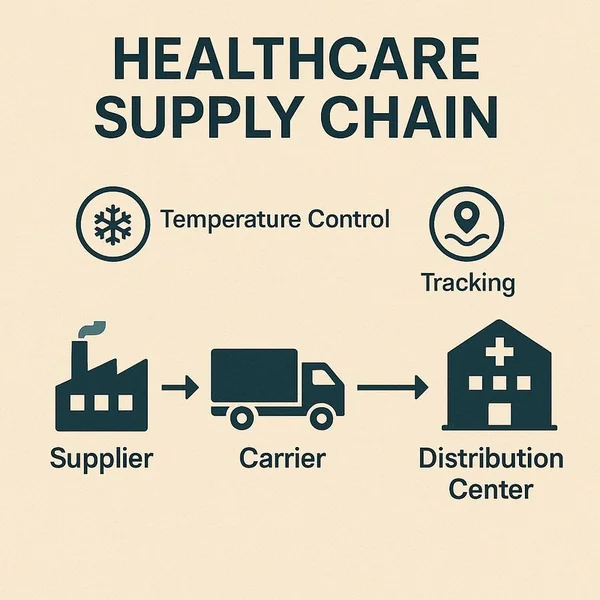
In healthcare freight, there’s simply no room for last-minute surprises. A missed pickup or a sudden route change can lead to expired medications, postponed treatments, or costly disruptions for clinics and hospitals. It works much like budget shipping in other industries—poor planning can easily lead to storage fees, rescheduling charges, or additional transport costs. The difference is that in medical logistics, the consequences reach far beyond money.
Why Is Tracking and Shipment Visibility Essential in Healthcare Shipping?
Real-time tracking is one of the most important parts of healthcare logistics because hospitals, pharmacies, and patients depend on precise delivery timing. When critical supplies are on the move—whether it's life-saving medications, lab samples, or medical devices—every minute counts. Visibility lets healthcare teams monitor where a shipment is at any moment and react quickly if something looks off.
If a delay, temperature fluctuation, or route change happens, early alerts help carriers fix the issue before it affects patient care. This level of monitoring prevents surprises, keeps schedules on track, and ensures that sensitive items reach the right place at the right time.
What Special Services Are Required for Healthcare Shipping?
Healthcare shipping often requires specialized services that go far beyond what standard freight needs. These shipments can include urgent medications, diagnostic samples, medical devices, or equipment needed for scheduled procedures. Because timing and condition directly affect patient care, the shipping process must be built around speed, precision, and full protection.
One of the most common needs is expedited delivery. Hospitals can’t wait days for supplies—if a medication or a replacement part for a medical device is needed, it must arrive quickly. That’s why healthcare carriers often guarantee faster transit times and tighter delivery windows.
Another key service is the use of dedicated trucks. Instead of mixing healthcare freight with general cargo, a dedicated vehicle ensures cleaner conditions, less handling, and fewer risks during transport. This is especially important for sensitive or high-value shipments.
Healthcare providers in remote communities also depend on specialized remote-area delivery solutions. These might include routing through smaller hubs, using local partner carriers, or arranging last-mile delivery that bypasses delays common in rural regions.
Finally, advanced temperature control is essential. Some products require refrigerated or even ultra-cold environments throughout the entire trip. Carriers may use climate-controlled trailers, insulated packaging, or continuous temperature monitoring to ensure materials stay within safe limits from pickup to delivery.
How Does YK Freight Support Safe and On-Time Healthcare Shipping?
YK Freight provides a structured, reliable approach to handling medical shipments, ensuring they move safely and arrive when needed. Healthcare freight relies on strict timing, controlled environments, and precise coordination, and the company’s service model is built to meet these higher requirements.
First, YK Freight focuses on consistent reliability. Medical shipments are handled through vetted carriers who follow strict handling standards, reducing the risk of damage, delays, or improper storage. This is especially important when a shipment contains medications, diagnostic samples, or essential hospital supplies.
The company also provides compliance support, helping shippers navigate regulations that govern pharmaceutical products, medical devices, and temperature-sensitive items. Clear guidance reduces the chance of paperwork errors or customs issues—problems that can easily cause costly delays.
To keep customers informed throughout the journey, YK Freight offers advanced tracking tools. Real-time visibility lets hospitals, pharmacies, and clinics monitor progress and react quickly if a route change, weather issue, or unexpected slowdown occurs. This minimizes downtime and prevents the surprises that can disrupt patient schedules or treatment plans.
For shipments that need climate protection, YK Freight provides temperature-controlled options, including refrigerated transport and insulated packaging solutions. These services help keep medications and other sensitive materials within the required temperature range, reducing the risk of spoilage or non-compliance.
How Does YK Freight Support Safe and On-Time Healthcare Shipping?
YK Freight helps healthcare organizations move critical medical shipments with the precision and reliability the industry demands. The company understands how important timing, compliance, and proper handling are—especially when hospitals, pharmacies, or clinics rely on every delivery to arrive exactly as expected.
To support safe and predictable transport, YK Freight offers compliance-focused shipping, helping customers navigate regulations, documentation, and safety requirements. This reduces the risk of delays, fines, or hold-ups at checkpoints—issues that can be especially costly for budget-conscious shippers.
YK Freight also provides access to temperature-controlled transportation, ensuring prescription drugs, vaccines, and sensitive medical products stay within the required temperature range from pickup to delivery. With options like refrigerated trailers, insulated packaging, and continuous temperature monitoring, the company keeps shipments protected even during long transits or extreme weather.
Real-time tracking and visibility tools allow healthcare providers to monitor every stage of the shipment. This helps catch any potential issue early—much like auto shippers rely on tracking to avoid missed pickups or unexpected delays.
When Does Expedited or Dedicated Shipping Become Necessary?
Expedited or dedicated shipping becomes essential when timing and safety are too critical for standard delivery. Healthcare providers often face situations where even a small delay can interfere with patient care. For example, urgent medical equipment needed for scheduled surgeries must arrive immediately to keep procedures from being postponed. Life-saving medications, such as insulin or emergency treatments, also require fast transport to ensure patients get what they need without interruption.
Time-sensitive supplies—like test samples, replacement machine parts, or temperature-controlled products—may also demand priority handling. In these cases, a dedicated truck ensures the shipment moves directly from pickup to delivery without additional stops or transfers, reducing the chance of damage or delays.
This urgency is similar to choosing rush delivery in auto shipping when you want to avoid late fees, storage charges, or missed handoffs. Budget-minded shippers know that paying a little more for a faster service can actually prevent bigger costs down the line. In healthcare, however, the stakes are even higher. Expedited or dedicated shipping guarantees that essential items arrive exactly when needed—and sometimes, those hours can make all the difference for patient outcomes.
What Should Healthcare Providers Confirm Before Booking With YK Freight?
Before booking a medical shipment, healthcare providers need to make sure every detail is clear. In this industry, even a small mistake—like choosing the wrong temperature setting or missing a delivery window—can lead to spoiled products, operational delays, or extra fees. A simple checklist helps avoid surprises and keeps the shipment moving smoothly and safely.
Temperature requirements:
Confirm the exact temperature range your products must stay within. Medications, vaccines, and lab samples often have narrow limits. YK Freight provides temperature-controlled options, but the carrier needs precise details to choose the right equipment.
Delivery windows and timing expectations:
Hospitals and pharmacies often rely on tight schedules. Before booking, clarify when the shipment must arrive and whether there’s any flexibility. This prevents last-minute rescheduling fees—similar to how auto shippers avoid extra costs by planning pickup times ahead.
Compliance and documentation needs:
Healthcare shipments may require certifications, chain-of-custody paperwork, or special handling notes. Confirm what documents YK Freight needs from you and what they can prepare on their side. Proper paperwork speeds up inspections and customs clearance.
Tracking and visibility options:
Ask about real-time tracking features. Most healthcare providers need constant visibility, especially when shipping urgent supplies. Knowing exactly where your freight is can help prevent delays and allow quick decisions if something changes in transit.
Packaging guidelines:
Packaging mistakes are a common cause of damage or temperature loss. Confirm the recommended insulation, cushioning, labeling, and sealing methods for your specific items. This is especially important for temperature-sensitive products that could spoil if packed incorrectly.
Special handling instructions:
If your shipment requires refrigerated trailers, dry ice, humidity protection, or fragile-item handling, clarify this early. The more precise the instructions, the safer your cargo.
Cost and potential extra charges:
To stay within budget, ask about all possible fees—fuel, accessorial services, storage, or re-delivery charges. Clear pricing upfront helps avoid unexpected costs, much like budget auto shippers planning ahead to prevent extra expenses.
By confirming these details before booking with YK Freight, healthcare providers can ensure smoother delivery, prevent product loss, and avoid costly delays. Proper preparation turns a complex shipment into a predictable, well-managed process.
Further Reading
What is a Cold Chain?
Food Grade Dry Van: Key Standards and Requirements Explained
What Are Hazardous Materials and How to Ship Them Safely
How to Get Expedited Loads


ASK YOUR QUESTIONS