Shipping consumer packaged goods (CPG) efficiently is key to keeping costs low and products on time. This guide explains effective strategies to plan routes, manage capacity, and monitor shipments, helping you avoid delays, reduce extra fees, and keep your deliveries — including auto shipments — running smoothly and affordably.
Table of Content:
- What Are Consumer Packaged Goods (CPG)?
- Why Is Shipping Strategy Crucial for CPG Companies?
- What Are the Key Steps to Building an Effective CPG Shipping Strategy?
- How Do Market Trends Affect CPG Shipping?
- How Can YK Freight Help Optimize CPG Shipping on a Budget?
What Are Consumer Packaged Goods (CPG)?
Consumer packaged goods, or CPG, are everyday products that people use regularly and need to replace often. These include food, beverages, cleaning supplies, personal care items, and household goods. One key characteristic of CPG products is their short shelf life, meaning they must reach stores quickly and stay fresh for consumers.
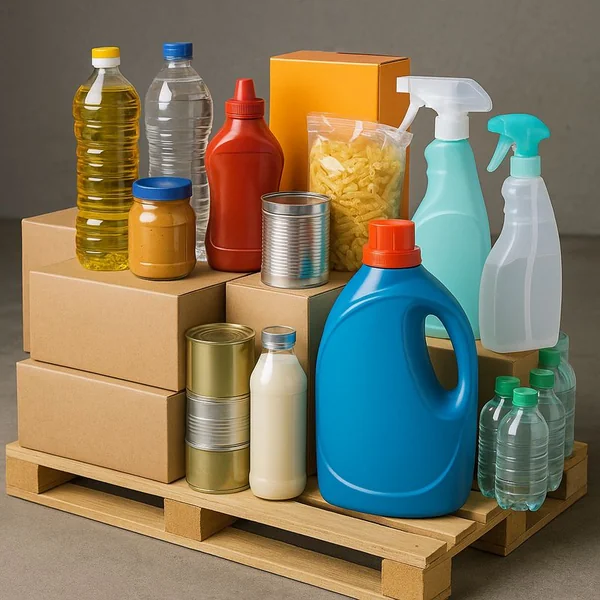
Packaging plays a major role in CPG. Products are often wrapped in bright, branded, and eye-catching packaging to stand out on crowded shelves and make it easy for shoppers to recognize them. Good packaging is not just for looks — it also protects products during shipping and handling, ensuring they arrive intact.
The CPG industry is enormous, with a $2 trillion value in the U.S. alone, supporting retailers, logistics providers, and countless supply chain workers. For everyday consumers, CPG products are items you likely buy every week — milk, snacks, cleaning supplies, or bottled drinks.
Why Is Shipping Strategy Crucial for CPG Companies?
Shipping strategy is a critical part of the consumer packaged goods (CPG) industry because these products must reach stores quickly, safely, and on schedule. CPG companies face several challenges in their supply chain:
- Tight capacity: Trucks and warehouses are often full, making it hard to secure space for all shipments.
- Strict compliance: Retailers have exact rules for delivery times, labeling, and documentation. Missing even small details can cause issues.
- Deadlines: Many CPG products have short shelf lives, so late deliveries can result in wasted goods.
- Rising operational costs: Fuel, labor, and handling costs continue to grow, squeezing profit margins.
When shipping isn’t managed properly, the consequences are costly. Missed deliveries can lead to penalties, financial losses, and damaged relationships with retailers. Inefficient routes or poor planning can also slow down the entire supply chain, causing delays across multiple shipments.
For budget-conscious shippers, these inefficiencies matter too. Just as poor planning can increase costs for CPG companies, it can indirectly affect auto shipping. Delayed trucks, extra fuel expenses, and rerouted shipments all drive prices up, meaning shippers might pay more than necessary.
What Are the Key Steps to Building an Effective CPG Shipping Strategy?
Building an effective CPG shipping strategy requires careful planning and attention to every stage of the supply chain. Here are the key steps that make a difference:
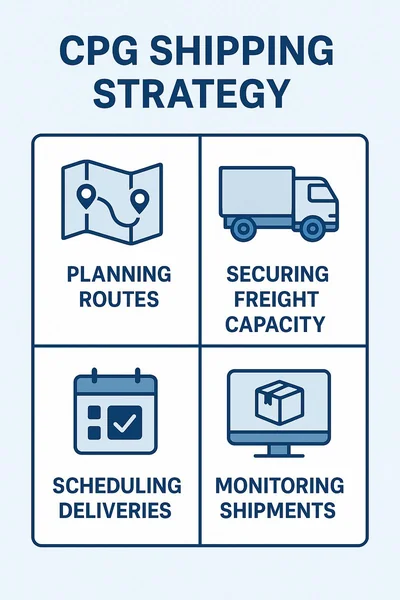
- Planning Routes: Choosing the safest and fastest routes helps avoid delays and reduces the risk of damaged goods. Efficient routing also saves fuel, lowering operational costs.
- Securing Freight Capacity: Trucks and warehouses fill up quickly, especially during peak seasons. Reserving space in advance ensures shipments move on time without costly last-minute changes.
- Scheduling Deliveries: Timing is critical for products with short shelf lives. Coordinating pickup and delivery schedules prevents spoilage, missed deadlines, and penalties.
- Monitoring Shipments: Keeping track of shipments in real time allows companies to react quickly to delays, weather issues, or route changes, ensuring products reach their destination safely.
YK Freight helps CPG companies execute these steps effectively. With route optimization, real-time tracking, and flexible capacity solutions, YK Freight ensures shipments are delivered reliably and cost-effectively, even during high-demand periods.
How Do Market Trends Affect CPG Shipping?
The consumer packaged goods (CPG) industry is constantly evolving, and these changes have a direct impact on shipping strategies. Several key trends are shaping the way CPG shipments are planned and executed:
- Multi-Channel Distribution: CPG companies are selling products through multiple channels, including retail stores, online marketplaces, and direct-to-consumer platforms. This increases the number of delivery points and requires more complex transportation planning.
- Digitalization: Advanced software and tracking systems allow companies to monitor inventory, shipments, and customer demand in real time. While this improves efficiency, it also means carriers need to handle more frequent updates and adapt to changing schedules.
- Personalized Experiences: Consumers now expect faster deliveries and tailored options, such as subscription boxes or local delivery windows. This creates additional pressure on carriers to manage capacity and ensure timely shipments.
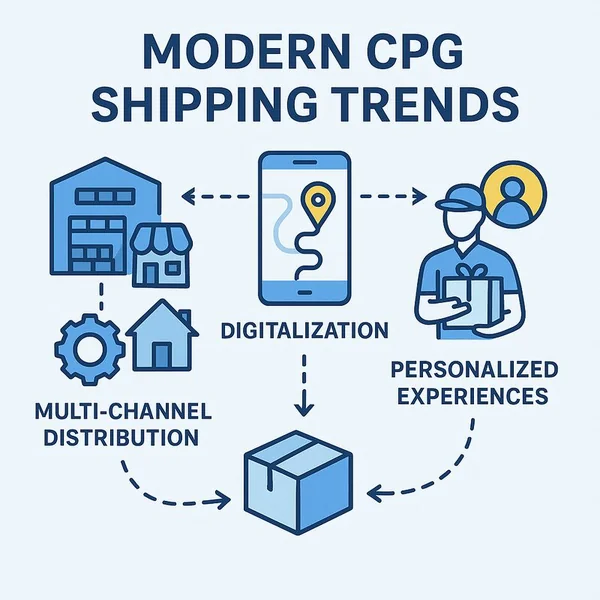
These trends directly affect transportation planning and capacity management. Companies must predict demand accurately, secure enough trucks and storage space, and optimize delivery routes to keep up with the growing variety of orders.
For a relatable example: just as online vehicle auctions create more delivery options and require precise scheduling, multi-channel CPG sales increase shipping complexity. More delivery points and faster turnaround times mean carriers need flexible strategies to meet customer expectations while controlling costs.
How Can YK Freight Help Optimize CPG Shipping on a Budget?
Shipping consumer packaged goods efficiently can be challenging, especially when trying to keep costs under control. YK Freight helps companies optimize their CPG transportation with several practical solutions:
- Route Optimization: YK Freight plans the fastest, safest, and most cost-effective routes, avoiding delays caused by traffic, road restrictions, or other obstacles.
- Flexible Capacity: Whether you’re shipping a few pallets or a larger load, YK Freight provides adaptable transportation options, ensuring your goods move on time without paying for unused space.
- Proactive Communication: Drivers, dispatchers, and planners stay connected at every step. Early alerts about delays, weather changes, or route adjustments prevent surprises and keep shipments on schedule.
- Real-Time Tracking: Shippers can monitor their goods in real time, giving visibility into delivery progress and confidence that products will arrive safely.
For budget-conscious shippers, these solutions mean fewer delays, lower risk of penalties, and more predictable shipping costs. There are no hidden fees or last-minute charges, which helps businesses plan their expenses accurately.
Further Reading
How to Cut Costs on Last Mile Delivery: Smart Tips for Savings
Reducing Logistics Costs: Tips from YK Freight Experts
What is Managed Transportation?
3 Key Benefits of Warehousing Services That Save Your Business Time and Money


ASK YOUR QUESTIONS