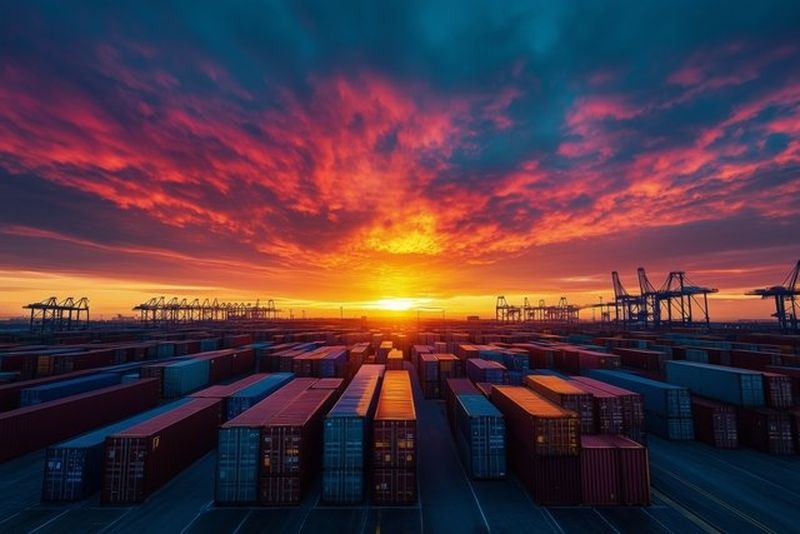
In today’s unpredictable world, supply chain disruptions are inevitable. This guide explains how building a resilient supply chain helps shipments stay on track, prevent delays, and reduce costs. Learn practical strategies, from planning and backup routes to real-time tracking, that keep your deliveries — including vehicles and freight — safe, timely, and budget-friendly.
Table of Content:
- Why Is Supply Chain Resilience Critical for Every Business?
- What Does a Resilient Supply Chain Really Mean?
- How Can Extending Your Supplier Network Strengthen Resilience?
- Why Are Standardization and Cross-Mobility Important?
- How Do Circular Supply Chains and Visibility Improve Risk Management?
- Why Does Communication and Employee Empowerment Matter?
- How Can Analyzing Previous Disruptions Make Your Supply Chain Stronger?
- What Role Does Technology Play in Building a Resilient Supply Chain?
- How Does YK Freight Apply Resilience Principles to Budget-Friendly Delivery?
Why Is Supply Chain Resilience Critical for Every Business?
Disruptions in supply chains are not a matter of “if” but “when.” Natural disasters, economic downturns, port congestion, or even sudden vehicle shortages can happen at any time. Businesses that are unprepared often face delays, lost shipments, and unexpected costs. For budget-conscious shippers, these delays can quickly turn an affordable delivery into a costly one.
Resilient supply chains allow companies to adapt and recover quickly. They have backup suppliers, flexible routes, and contingency plans ready before problems occur. This means that even when a disruption happens, operations continue with minimal interruption, and extra costs are kept under control.
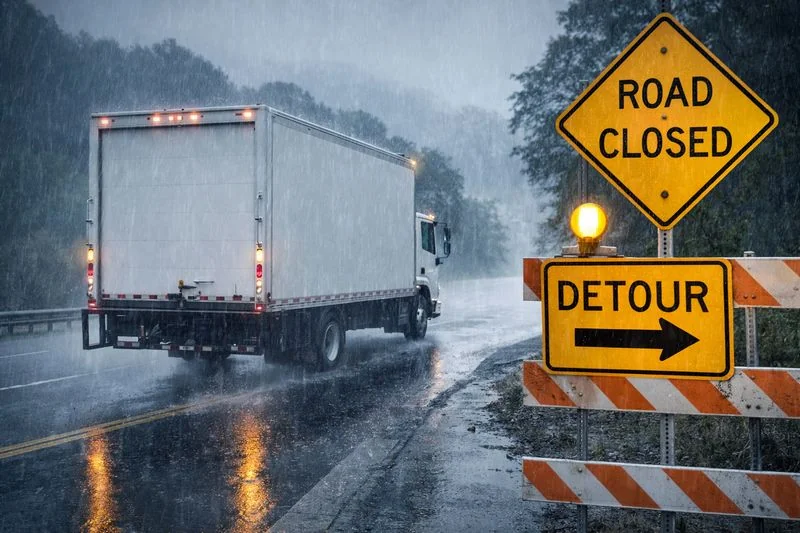
Consider a scenario familiar to vehicle transport: a key shipping route is closed due to bad weather. A company without alternatives might have to pay extra for emergency towing, storage, or rerouting. A resilient company, on the other hand, has pre-planned alternatives and can adjust quickly, avoiding unnecessary expenses.
What Does a Resilient Supply Chain Really Mean?
A resilient supply chain is one that can bounce back quickly from disruptions. In simple terms, it’s not about avoiding problems entirely — because delays, accidents, and unexpected events will happen — it’s about recovering fast and minimizing the impact.
In logistics, resilience means shipments, whether vehicles or general freight, keep moving even when something goes wrong. For example, if a delivery truck breaks down or a port is temporarily closed, a resilient system has backup routes, alternative carriers, or contingency plans to prevent major delays.
The benefits are clear for budget-focused shippers:
- Reduces damage: With proper planning, goods are less likely to be mishandled or exposed to risk during delays.
- Prevents wasted shipments: Backup options ensure deliveries reach their destination on time, avoiding costly re-shipments.
- Saves money: Faster recovery avoids emergency fees, storage charges, and other unexpected expenses.
How Can Extending Your Supplier Network Strengthen Resilience?
One of the simplest ways to make a supply chain more resilient is to expand your network of suppliers and partners. Relying on a single supplier or transport option can be risky. If that one supplier fails — whether due to delays, production issues, or unexpected events — the entire chain can stall, leading to wasted time and extra costs.
Having multiple trusted suppliers or partners acts like having backup routes for delivery. Imagine shipping a car with YK Freight: if your usual highway is closed, having an alternative route or another carrier ready ensures your shipment still arrives on time. Without alternatives, you may face emergency towing fees, storage costs, or missed deadlines.
This principle applies to businesses of all sizes. Even small companies that ship vehicles or freight can benefit from more options and relationships. Building a network of reliable suppliers, carriers, and logistics partners means that if one link fails, others can step in, reducing risk and keeping costs under control.
Why Are Standardization and Cross-Mobility Important?
Standardization and cross-mobility are key to a flexible and resilient supply chain. When processes, procedures, and layouts are consistent across warehouses, facilities, or transport operations, it becomes much easier to move resources, materials, or staff during a disruption.
For example, if all warehouses use the same storage system and inventory labeling, staff can quickly locate items and transfer them to another location if needed. Similarly, in transportation, standardized loading and handling procedures make it simpler to move cargo between trucks, carriers, or routes without delays or errors.
Think about auto transport: if every vehicle is loaded and secured using the same method across multiple YK Freight facilities, transferring cars between carriers or rerouting shipments during disruptions becomes smooth and predictable. Inconsistent procedures, on the other hand, can lead to damage, lost time, and extra costs — something budget-conscious shippers want to avoid.
How Do Circular Supply Chains and Visibility Improve Risk Management?
Traditional supply chains often follow a linear model: products move step by step from supplier to manufacturer to distributor to customer. While simple, this approach can be fragile. If one step fails — a delayed shipment, a warehouse issue, or a carrier problem — the entire chain slows down, leading to wasted time and extra costs.
Circular and integrated supply chains work differently. They connect all parts of the network, allowing constant communication and oversight. Every step — from sourcing materials to final delivery — is monitored and coordinated. This visibility means problems are detected early, and corrective actions can be taken before a disruption becomes costly.
For example, consider shipping cars with YK Freight. Real-time tracking allows both the company and the customer to see where the vehicle is at any moment. If a truck is delayed or a port is congested, alternative routes or carriers can be activated immediately. Without visibility, the shipment could be delayed for days, causing storage fees, missed deadlines, or emergency transport costs.
Why Does Communication and Employee Empowerment Matter?
Communication and employee empowerment are critical for a resilient supply chain. Even the best plans can fail if the people on the ground don’t know what’s happening or don’t have the authority to act. Well-informed teams that understand their roles and have the power to make decisions respond faster and more efficiently when disruptions occur.
In contrast, companies with rigid, centralized structures often waste time. Managers need to be consulted for every decision, creating bottlenecks. By the time instructions reach employees, valuable hours or days may be lost, leading to delays, damaged shipments, and higher costs. For budget-conscious shippers, these inefficiencies directly increase the price of delivery.
Think of auto transport: if a YK Freight driver encounters a road closure or bad weather, a centralized system might require them to wait for instructions, costing extra time and potentially missing delivery windows. An empowered driver, on the other hand, can adjust the route on the spot, ensuring the car arrives safely and on time without added expenses.
Similarly, warehouse staff who can prioritize shipments or rearrange inventory when problems arise keep operations running smoothly. Clear communication ensures everyone knows what’s happening and what actions to take, reducing errors, delays, and unnecessary costs.
How Can Analyzing Previous Disruptions Make Your Supply Chain Stronger?
Learning from past disruptions is one of the most effective ways to build a stronger, more resilient supply chain. Every delay, damaged shipment, or unexpected obstacle provides valuable insight into where the system is vulnerable and what can be improved.
Even small mistakes matter. For example, if a vehicle shipment with YK Freight was delayed because loading took longer than expected, the company can adjust scheduling, staffing, or loading procedures to prevent the same issue in the future. Similarly, a damaged shipment caused by improper packing can lead to standardized packing procedures or better protective materials for future deliveries.
Large disruptions are equally instructive. A delayed shipment due to a blocked port or route can reveal gaps in contingency planning, highlighting the need for backup carriers, alternative routes, or better real-time tracking. By analyzing these events, companies can anticipate problems before they occur and implement solutions that reduce both risk and cost.
What Role Does Technology Play in Building a Resilient Supply Chain?
Technology is a key tool for building a resilient supply chain, even for budget-conscious companies. Simple tech solutions can prevent delays, reduce risk, and make operations more predictable — without adding unnecessary costs.
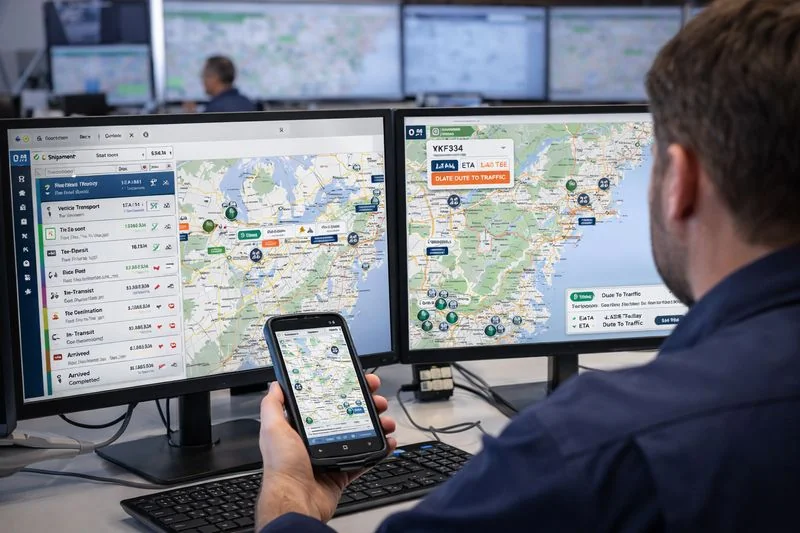
For example, tracking systems allow logistics teams and customers to see shipments in real time. If a vehicle being shipped with YK Freight encounters a road closure, bad weather, or traffic delay, the team can adjust the route immediately. This prevents missed delivery windows and emergency fees.
Automated alerts are another useful tool. They notify managers or drivers of delays, temperature fluctuations (for sensitive cargo), or loading issues, so action can be taken before a small problem turns into a major disruption.
Shared dashboards improve visibility across the supply chain. Everyone involved — warehouse staff, drivers, and customers — can see updates on shipment status, inventory levels, and expected delivery times. This transparency allows for faster responses and better decision-making, reducing downtime and mistakes.
Even small companies shipping on a budget can benefit from these technologies. Investing in simple, practical tools often costs far less than the money lost to delays, damaged goods, or emergency shipments. For vehicle transport, technology ensures cars arrive safely, on time, and with fewer unexpected expenses.
How Does YK Freight Apply Resilience Principles to Budget-Friendly Delivery?
YK Freight applies the principles of a resilient supply chain to every shipment, making delivery safe, predictable, and affordable for budget-conscious customers. By combining careful planning, backup strategies, real-time visibility, clear communication, and lessons learned from past disruptions, the company ensures shipments arrive on time without unexpected costs.
Planning and backup routes are at the core of YK Freight’s approach. Every vehicle or freight shipment is mapped out in advance with alternative routes in case of road closures, weather issues, or port delays. This means customers don’t face costly rerouting fees or missed delivery windows — even when unexpected problems arise.
Visibility and tracking give both YK Freight and customers a real-time view of where shipments are. If a car being transported hits a traffic jam or a warehouse faces congestion, the team can adjust immediately. This early detection prevents delays from turning into expensive problems.
Communication and employee empowerment ensure everyone in the process — drivers, warehouse staff, and coordinators — can act quickly. If a shipment requires on-the-spot adjustments, empowered staff can make decisions immediately, reducing downtime and avoiding mistakes that could increase costs.
Further Reading
What is 3PL Experience? Benefits of Third-Party Logistics
Discover the Top Benefits of Intermodal Transport for Safe and Cost-Effective Shipping
What is Managed Transportation?
How to Optimize Your Oil and Gas Supply Chain for Cost and Efficiency


ASK YOUR QUESTIONS