
Looking to save on auto delivery costs? This guide explains best practices for improving your FTL (Full Truckload) strategy. You’ll learn how to plan shipments, expand your carrier options, use technology, and consolidate freight to cut costs, reduce delays, and improve delivery reliability. Simple, actionable tips will help you manage full truckload shipments efficiently, even on a tight budget.
Table of Content:
- What Is an FTL Strategy and Why Does It Matter?
- How Can Expanding Your Carrier Network Improve Your FTL Strategy?
- Why Does Boosting Lead Time Matter for Truckload Freight?
- How Can a Transportation Management System (TMS) Help Optimize FTL Shipments?
- When Should You Consider Working with YK Freight?
- How Can Freight Consolidation Reduce Costs?
- What Operational Habits Can Improve Your FTL Performance?
- How Do These Practices Work Together to Save Money and Improve Service?
What Is an FTL Strategy and Why Does It Matter?
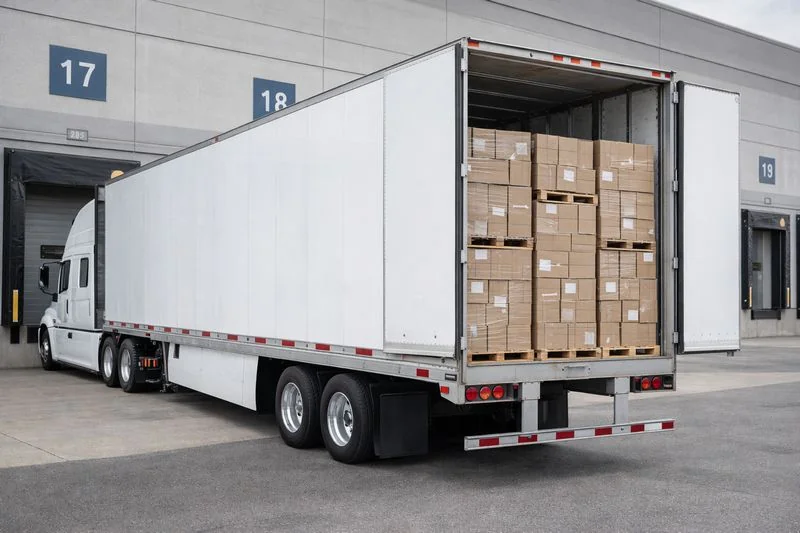
Full Truckload (FTL) strategy refers to the way businesses plan and manage shipments that fill an entire truck. Unlike Less-than-Truckload (LTL) shipments, where your goods share space with other shippers’ freight, FTL shipments use the whole truck for a single load. This approach is often faster, more reliable, and can be more cost-effective for larger shipments.
How FTL Differs from Other Shipping Methods
FTL shipments typically travel directly from the pickup point to the delivery location without multiple stops along the way. This reduces handling, lowers the risk of damage, and speeds up delivery. For budget-conscious customers, this means fewer unexpected costs from delays or damages compared to smaller, shared shipments.
Why FTL Strategy Matters for Saving on Auto Delivery
A smart FTL strategy can help you save money by planning shipments efficiently. By choosing the right truck size, scheduling in advance, and selecting reliable carriers, you can reduce the chances of paying extra for last-minute shipments or delays. For example, booking a truck in advance for a full car load ensures you get a competitive rate instead of paying premium fees for rush delivery.
How Planning Improves Delivery Predictability
Effective FTL strategy gives you more control over delivery times. When you know which carrier and truck you’re using, you can estimate arrival dates more accurately. This predictability helps avoid late deliveries and makes it easier to plan the next steps, whether you’re shipping one car or several vehicles.
How Can Expanding Your Carrier Network Improve Your FTL Strategy?
Expanding your carrier network means having access to a wide range of reliable truckload carriers who can handle your shipments. The more carriers you work with, the greater your chances of finding the right truck at the right time and at a reasonable cost. For budget-conscious shippers, this can make a big difference in both efficiency and cost savings.
Why a Large Carrier Network Matters
A small or limited network can create bottlenecks. If your usual carrier is unavailable, you might face delays, higher costs, or even missed delivery windows. By having multiple carriers in your network, you increase flexibility and ensure that your shipment can move even if one option is busy or unavailable.
How to Build a Reliable Carrier Network
Start by keeping a list of dependable regional and national carriers who have a track record of timely delivery and safe handling. Regularly communicate with them to understand their capacity and availability. Using platforms or services like YK Freight can also help, as they connect you with hundreds of vetted carriers across different regions.
Practical Example
Imagine you need to ship a car from Atlanta to Chicago. Your main carrier is fully booked for the week. If you have a large network, you can quickly reach out to another carrier in your pool or through YK Freight, ensuring the car is shipped on time without paying rush fees.
Why Does Boosting Lead Time Matter for Truckload Freight?
Boosting lead time means planning and booking your truckload shipments well in advance. Giving yourself more time before the shipment date can have a big impact on service quality, cost, and delivery reliability. For budget-conscious shippers, this simple step can save both money and stress.
How Longer Lead Times Improve Service
When you schedule shipments earlier, carriers have more flexibility to assign the best trucks and drivers for your load. This often translates to better handling of your cargo, fewer delays, and more reliable pickup and delivery times. Longer lead times also allow you to negotiate better service terms, as carriers can plan ahead instead of squeezing your shipment into a tight schedule.
How Lead Time Affects Costs
Booking a truck at the last minute can be expensive. Carriers often charge premium fees for rush shipments because they need to rearrange their schedules or add extra resources. Planning 5–6 days or more in advance usually secures standard rates, helping you avoid unnecessary costs while still getting timely delivery.
How Lead Time Improves Delivery Predictability
Early planning allows you to estimate delivery dates more accurately. With a confirmed schedule, you can coordinate other logistics, such as loading, unloading, and customer notifications. This reduces surprises and gives you peace of mind that your shipment will arrive on time.
Practical Example
Suppose you need to ship a car from Dallas to New York. By booking the truck a week ahead, you can choose from several carriers, compare prices, and confirm pickup windows. This increases the likelihood of on-time delivery and avoids last-minute rush fees.
How Can a Transportation Management System (TMS) Help Optimize FTL Shipments?
A Transportation Management System (TMS) is software that helps you plan, execute, and monitor truckload shipments. For budget-conscious shippers, using a TMS can make FTL operations more efficient, reduce errors, and uncover opportunities to save money.
How a TMS Helps Track Shipments
A TMS allows you to see where your shipments are in real-time. You can track trucks, monitor delays, and receive updates on estimated arrival times. This visibility helps prevent surprises and allows you to communicate accurate delivery information to your customers.
How a TMS Analyzes Past Performance
A good TMS stores historical data about your shipments. This includes delivery times, carrier reliability, and cost trends. By analyzing this information, you can identify patterns, avoid repeating mistakes, and make smarter decisions for future shipments.
How a TMS Supports Planning Future Loads
With a TMS, you can plan shipments more strategically. The system can suggest the best carriers based on past performance, truck availability, and route efficiency. It also helps optimize load sizes, schedule pickups, and reduce empty miles, which saves fuel and lowers shipping costs.
Practical Example
Imagine one of your trucks is delayed due to traffic or mechanical issues. A TMS can alert you immediately and show alternative carriers in your network. You can quickly switch to a more suitable carrier, keeping the shipment on schedule and avoiding late delivery fees.
When Should You Consider Working with YK Freight?
Partnering with a professional freight operator like YK Freight can simplify your FTL shipments and save both time and money. For budget-conscious shippers, having expert support ensures that your vehicles are delivered efficiently, reliably, and at competitive rates.
Why Partnering with a Professional Operator Matters
Freight operators specialize in connecting shippers with a wide network of vetted carriers. This means you don’t have to spend hours searching for trucks or worrying about carrier reliability. They handle logistics, paperwork, and scheduling, allowing you to focus on other priorities while knowing your shipment is in capable hands.
How YK Freight Optimizes FTL Operations
YK Freight can help you select the right carrier based on cost, service quality, and route efficiency. They provide guidance on planning shipments, managing lead times, and consolidating freight when possible to reduce costs. This level of support ensures that your trucks run full, routes are optimized, and deliveries stay on schedule.
Practical Example
Suppose you need to ship a car from Los Angeles to Chicago. Your usual carriers are fully booked, and you’re under a tight budget. YK Freight can quickly connect you with a regional carrier that meets your delivery schedule and price requirements. This avoids last-minute rush charges and reduces the risk of delays.
How Can Freight Consolidation Reduce Costs?
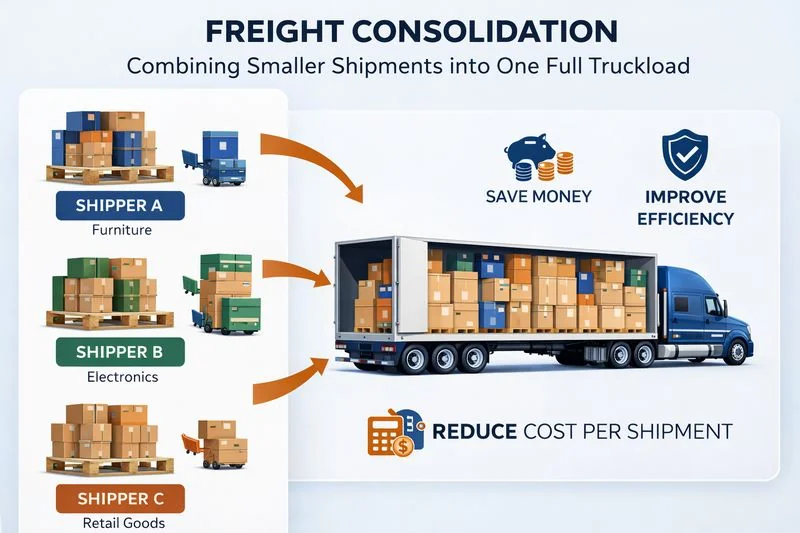
Freight consolidation is the process of combining multiple smaller shipments into a single full truckload. This approach can save money, improve efficiency, and make the most of available truck capacity. For budget-conscious shippers, it’s a practical way to reduce the cost per shipment while maintaining reliable delivery.
How Consolidation Saves Money
When shipments share truck space, the cost of transportation is divided across multiple loads. This reduces the expense for each individual shipment compared to sending multiple partially filled trucks. Consolidation also minimizes fuel costs and reduces the number of trips needed, which directly lowers overall shipping expenses.
How Consolidation Maximizes Truck Capacity
Empty or partially filled trucks are inefficient and costly. Consolidating shipments ensures that trucks are fully loaded, making every trip more productive. Efficient truck use means carriers can offer better rates, and shippers can move more goods without increasing total shipping costs.
Practical Example
Imagine you need to ship three cars from different dealerships to a single buyer in another state. Instead of sending three separate trucks, you consolidate the vehicles into one truckload. This reduces fuel and labor costs, and you pay less per vehicle for transportation.
What Operational Habits Can Improve Your FTL Performance?
Optimizing FTL shipments isn’t just about choosing the right carriers or planning ahead—it also depends on consistent operational habits. Small, regular practices can make a big difference in reducing delays, cutting costs, and improving overall performance.
Keep Shipment Information Updated
Accurate and up-to-date shipment details are essential. This includes pickup and delivery addresses, load dimensions, special handling requirements, and contact information. Keeping this information current prevents mistakes, avoids unnecessary delays, and ensures carriers have what they need to complete the job efficiently.
Regularly Check Carrier Availability
Even with a strong carrier network, schedules and capacities change frequently. Checking in with carriers before booking shipments helps confirm availability and reduces the risk of last-minute cancellations or rescheduling. This habit ensures your FTL strategy remains flexible and reliable.
Analyze Past Deliveries to Optimize Routes
Reviewing previous shipments provides valuable insights. By analyzing delivery times, delays, and carrier performance, you can identify patterns and adjust future routes for better efficiency. For example, you might find certain routes consistently encounter traffic or weather delays, allowing you to plan alternative paths in advance.
Practical Example
Suppose you ship vehicles weekly from Atlanta to multiple destinations. By updating shipment details, confirming carrier availability, and reviewing past deliveries, you notice that one route consistently faces delays during peak hours. You adjust the schedule or choose a different carrier, reducing delivery time and avoiding extra fees.
How Do These Practices Work Together to Save Money and Improve Service?
All the strategies for optimizing FTL shipments—expanding your carrier network, boosting lead times, using a TMS, consolidating freight, and partnering with YK Freight—work together to create a more efficient, cost-effective, and reliable shipping process. Implementing them as a combined approach maximizes benefits and minimizes potential problems.
How Integration Improves Efficiency
Each practice addresses a different aspect of FTL operations. A wide carrier network gives you options, longer lead times allow better planning, and a TMS provides real-time tracking and analysis. Freight consolidation ensures trucks are fully utilized, reducing trips and fuel costs. When these practices are used together, shipments run smoother, routes are optimized, and resources are used efficiently.
How Integration Reduces Delays
By combining these strategies, you can anticipate and prevent common shipping issues. Advanced planning and carrier flexibility reduce the chance of last-minute cancellations. A TMS helps detect delays early, while operational habits like keeping shipment information updated and reviewing past deliveries allow for proactive adjustments. Working with YK Freight adds professional oversight, connecting you to carriers who can deliver on time even under tight schedules.
How Integration Cuts Costs
Cost savings come from multiple angles: avoiding rush fees with proper lead times, sharing truck space through consolidation, and choosing the most efficient carriers using a TMS or YK Freight’s network. Together, these practices reduce wasted resources, optimize truck usage, and lower per-shipment costs—critical for budget-conscious shippers.
Practical Example
Imagine shipping multiple vehicles from different dealerships across the country. By consolidating shipments into full truckloads, booking in advance, and using a TMS to monitor progress, you ensure trucks are full, deliveries stay on schedule, and carriers operate efficiently. If one carrier is unavailable, YK Freight can quickly provide alternatives without adding extra costs or delays.
The Bottom Line
Individually, each FTL practice improves one aspect of shipping. Together, they create a system that saves money, enhances service, and makes delivery predictable and reliable. For shippers looking to cut costs and improve efficiency, combining smart planning, technology, operational habits, and professional support from YK Freight is the most effective way to optimize FTL strategy.
Further Reading
What is FTL in Trucking?
Intermodal vs FTL Trucking: Which Freight Option is Right for You?
Spot Market vs Contract Freight Rates: How to Save on Shipping
Best Practices for Inbound Freight Management to Cut Cost


ASK YOUR QUESTIONS