
Thinking about attending a supply chain conference but worried it’s just for big companies? This guide shows why even budget-conscious shippers and small businesses can benefit. You’ll learn how conferences provide insider knowledge, real-world tips, and valuable contacts that help save on car shipping, avoid costly mistakes, and make smarter, more affordable delivery decisions.
Table of Content:
- Why Should Budget-Conscious Shippers Care About Supply Chain Conferences?
- How Can Industry Insights Help You Lower Shipping Costs?
- What Can You Learn That You Won’t Find on Google?
- How Can Networking Lead to Cheaper and Better Shipping Options?
- Who Should You Talk to at a Supply Chain Conference?
- How Can Conferences Help You Avoid Costly Shipping Mistakes?
- How Do Conferences Support Professional and Business Growth?
- How Can Attending the Right Event Improve Your Long-Term Shipping Strategy?
Why Should Budget-Conscious Shippers Care About Supply Chain Conferences?
If you are focused on saving money on car shipping, a supply chain conference might sound like something only big companies need. It can feel like it’s made for large corporations with big budgets. But in reality, these events can be very useful for small businesses, independent dealers, exporters, and private buyers who are trying to keep delivery costs under control.
Many people in the auto shipping world learn by trial and error. That often means paying for mistakes. For example, choosing the wrong carrier, shipping at the wrong time, or using a route with hidden fees can quickly eat into your budget. At a supply chain conference, you hear real stories from people who already made those mistakes. You learn what to avoid before it costs you money.
Conferences also help you understand how the market really works. You can learn why prices go up during certain months, how fuel costs affect rates, and why some regions are more expensive to ship from. This kind of knowledge helps you plan better. Instead of reacting to high quotes, you can time your shipments and choose smarter options.
Another big benefit is access to people you normally don’t talk to. When you only book shipping online, you rarely build real relationships. At a conference, you can meet carriers, logistics managers, and service providers face to face. One good contact can mean faster responses, more flexible pickup times, or even better pricing later.

How Can Industry Insights Help You Lower Shipping Costs?
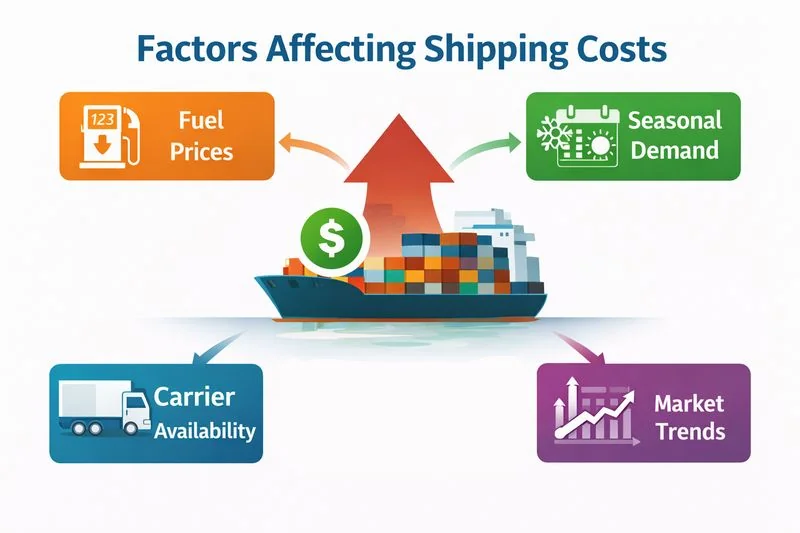
Shipping prices don’t change by accident. They move based on fuel costs, carrier availability, seasonal demand, and market trends. If you don’t follow what’s happening in the industry, higher rates can feel random. At a supply chain conference, experts explain why prices change and what is likely to happen next.
For example, speakers often talk about fuel trends. When fuel prices rise, transport rates usually follow. If you know this in advance, you can try to ship before a price increase or lock in better terms. The same goes for seasonal demand. Certain months are busier for auto transport, which means fewer available carriers and higher prices. Conferences help you see these patterns instead of being surprised by them.
Carrier shortages are another big topic. When there are not enough drivers or trucks in certain regions, prices go up fast. At conferences, industry leaders share data about where capacity is tight and where it’s improving. This helps you choose smarter pickup and delivery locations or adjust your timing to avoid peak pressure.
Expert talks also give real-world examples. You might hear how a dealer reduced costs by changing shipping lanes, or how a small exporter saved money by avoiding last-minute bookings. These are practical lessons you can apply right away, even if you only ship a few cars a month.
What Can You Learn That You Won’t Find on Google?
You can find a lot of information about shipping online. Blogs, forums, and videos can explain basic rules and general pricing ideas. But what you usually won’t find on Google are the real, behind-the-scenes details that come from people who work in logistics every day. That’s where supply chain conferences make a big difference.
At conferences, speakers often share real case studies. These are not just theory. They talk about actual shipments, real problems, and how they fixed them. For example, you might hear how a company reduced damage claims by changing carriers, or how rerouting vehicles through a different port saved money and time. These stories show what really works, not just what sounds good on paper.
You also get access to experience-based advice. Industry professionals can explain small details that are hard to learn online, like which routes often cause delays, which regions have more reliable carriers, or how to handle paperwork to avoid extra storage or demurrage fees. These tips can save you from costly surprises.
Another big advantage is asking direct questions. Instead of guessing or trusting outdated articles, you can talk to people who are dealing with today’s market. You can ask about current bottlenecks, new regulations, or common mistakes they see from budget shippers. This kind of direct feedback is hard to find in search results.
How Can Networking Lead to Cheaper and Better Shipping Options?
When you book shipping only through websites or one regular provider, your options are limited. You see the price, accept it, and hope for the best. At a supply chain conference, networking opens doors to more choices. Meeting carriers, brokers, and logistics partners in person can lead to better rates and more flexible solutions.
For example, you might meet a regional transporter who specializes in a lane you use часто, like Midwest to East Coast or Texas to Florida. That carrier may offer better pricing because they already run those routes. Online, you might never see them, but in person, you can exchange contacts and get direct quotes later.
Networking also helps you build backup options. Many budget shippers get stuck when their usual carrier is fully booked or cancels last minute. If you’ve met two or three other transport companies at a conference, you’re not forced to take the most expensive last-minute rate. You can call someone you already know and compare offers.
Another advantage is better communication. When a carrier knows you personally, they are often more willing to work with you on pickup windows, partial loads, or route adjustments. This flexibility can mean lower prices or faster delivery, especially when you’re trying to fit into an existing route.
Who Should You Talk to at a Supply Chain Conference?
Walking into a supply chain conference can feel overwhelming. There are a lot of booths, speakers, and people with different job titles. If your goal is to save money on auto shipping, it helps to focus on talking to the right types of people instead of everyone.
Transport companies should be high on your list. These are the carriers who actually move vehicles. Talking to them directly can sometimes help you avoid extra broker layers. Fewer middlemen often means fewer added fees. Even if you still use a broker, having carrier contacts gives you more leverage when comparing prices.
Freight forwarders are also important, especially if you ship vehicles long distance or for export. They understand routing, ports, and documentation. A good conversation with a forwarder can help you find cheaper routes, avoid unnecessary storage, and reduce delays that lead to extra charges.
Vendors that offer logistics tools, tracking systems, or paperwork services can also be useful. They may show you ways to manage shipments more efficiently, which can reduce mistakes and rework. Fewer mistakes often means fewer surprise fees.
Supply chain managers from other companies are another valuable group. They deal with the same problems you do. By talking to them, you can learn which carriers they trust, which routes they avoid, and how they handle peak seasons. This shared experience can help you make better choices without paying for your own mistakes.
How Can Conferences Help You Avoid Costly Shipping Mistakes?
Many shipping mistakes don’t come from bad intentions. They come from lack of experience or outdated information. For budget-conscious shippers, even small errors can quickly turn into extra fees, delays, and lost profit. Supply chain conferences help you learn from other people’s mistakes instead of paying for your own.
At conferences, speakers often share real examples of what went wrong. You might hear about poor scheduling that caused storage fees, or missed pickup windows that led to rebooking costs. Hearing these stories helps you recognize risky situations before they happen in your own shipments.
Wrong routing is another common problem. Choosing a route that looks cheaper on paper can sometimes lead to longer transit times, more handling, or higher risk of damage. Industry professionals can explain which routes tend to cause issues and which ones are more reliable, even if the base rate looks slightly higher. This helps you avoid hidden costs.
Regulations and paperwork are also a big source of mistakes. Rules change, especially for cross-state or international vehicle transport. At conferences, experts explain current requirements and common compliance errors. Missing a document or misunderstanding a rule can mean fines, delays, or extra storage charges. Learning the correct process can save you from these expensive problems.
How Do Conferences Support Professional and Business Growth?
Learning new information only helps if you actually use it. One of the biggest benefits of supply chain conferences is turning ideas and insights into real actions. For small businesses and budget-focused shippers, this can make a big difference in daily shipping decisions.
After a conference, you may better understand how pricing works and what affects carrier availability. This helps you ask better questions and negotiate more confidently. Instead of just accepting a quote, you can talk about timing, lanes, and capacity. Even small improvements in negotiation can lead to lower rates or better terms over time.
Conferences also improve planning. When you understand seasonal trends, peak periods, and common bottlenecks, you can schedule shipments more strategically. Better planning reduces last-minute shipping, which is often the most expensive option. This alone can help small businesses control costs more like larger companies do.
Another key area is decision-making. With more industry knowledge, you can compare options more clearly. You’ll know when a slightly higher rate might actually save money by reducing delays or risks. This kind of thinking helps you avoid short-term choices that lead to long-term costs.
How Can Attending the Right Event Improve Your Long-Term Shipping Strategy?
Not all supply chain conferences are created equal. Attending the right event can do more than teach you tips for a single shipment — it can shape your long-term shipping strategy and help you save money consistently.
The first benefit is building relationships. When you attend the right conference, you meet carriers, brokers, and industry experts who become reliable contacts. Over time, these relationships can lead to better rates, priority service, and flexible scheduling. Instead of scrambling for options at the last minute, you’ll have trusted partners you can call, which is especially valuable when budgets are tight.
Second, the right event helps you plan smarter. By understanding industry trends, seasonal demand, and market fluctuations, you can schedule shipments in advance when rates are lower and capacity is better. This kind of foresight prevents expensive last-minute shipping decisions and helps avoid unnecessary fees like storage or rerouting costs.
Finally, attending the right conference improves budgeting. When you know what drives costs and which carriers or routes are most efficient, you can set realistic budgets for future shipments. You’ll also be able to identify areas where spending a little extra upfront — such as on a reliable carrier or faster route — can save much more in the long run.
Further Reading
Supply Chain Strategy: Smart Options to Save on Car Shipping
How to Cut Costs on Last Mile Delivery: Smart Tips for Savings
Reducing Logistics Costs: Tips from YK Freight Experts
LCL Freight Shipping: What It Is and How to Save on Small Shipment


ASK YOUR QUESTIONS