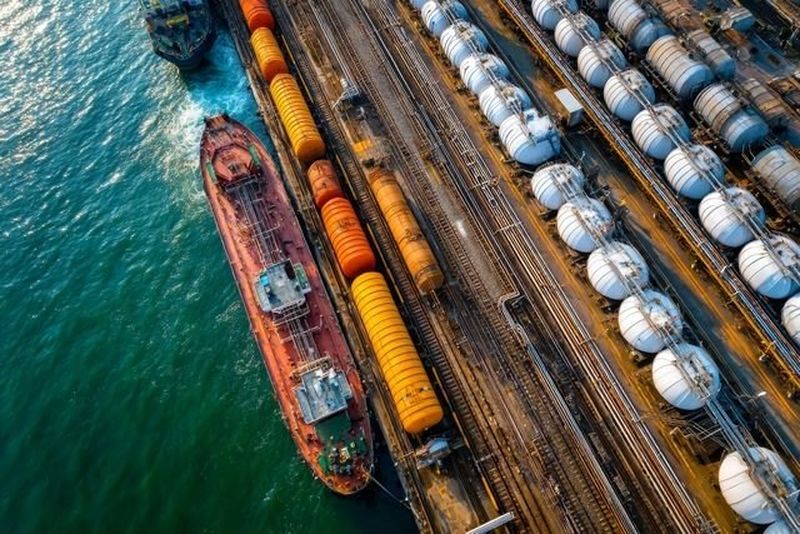
Shipping oil and gas safely and affordably is a challenge for any business. With so many transportation options, it can be hard to know which one fits your needs and budget best. This short guide breaks down the four most effective shipping methods — explaining how each works, what it costs, and when it’s the right choice — so you can make smarter, safer logistics decisions.
Table of Content:
- Why Does Transportation Matter So Much in the Oil and Gas Industry?
- How Does Trucking Keep Oil and Gas Operations Moving?
- Are Pipelines Still the Most Reliable Option?
- Can Ocean Shipping Handle Large-Scale Global Deliveries?
- Why Is Rail Transport Still Relevant Today?
- How Can YK Freight Simplify Oil and Gas Shipping for You?
Why Does Transportation Matter So Much in the Oil and Gas Industry?
Transportation is the backbone of the oil and gas industry. Without a reliable shipping strategy, even the best production plan can fall apart. Every stage — from drilling and extraction to refining and distribution — depends on moving materials safely and on time. Whether it’s crude oil, natural gas, or heavy drilling equipment, logistics is what keeps the entire system running smoothly.
Safety and timing are two key factors that directly impact both cost and efficiency. Oil and gas materials are hazardous and highly regulated, which means every shipment must comply with strict safety standards. A single mistake — like a leak, spill, or delay — can lead to serious financial losses and environmental damage. That’s why choosing the right transportation method is more than just a budget decision; it’s a strategic one.
Another challenge is geography. Oil fields and drilling sites are often located in remote or hard-to-reach areas, where access roads are limited or nonexistent. This makes coordination even more important. A well-planned logistics approach ensures that essential materials arrive where they’re needed — without unnecessary waiting time or extra costs.
How Does Trucking Keep Oil and Gas Operations Moving?
Trucking is the most flexible and widely used transportation method in the oil and gas industry. It connects production sites, storage facilities, refineries, and distribution centers — often in places where no rail lines or pipelines exist. Trucks can reach remote drilling locations, operate on-demand, and adjust routes quickly. This flexibility makes trucking an essential link in keeping oil and gas operations running smoothly, especially for smaller companies that need affordable and fast delivery options.
One of the biggest advantages of trucking is scalability. You can move anything from a single piece of equipment to a full load of fuel, depending on your needs and budget. Unlike pipelines or ocean freight, trucks don’t require complex infrastructure or long setup times — they’re ready when you are.
Different types of trucks serve different purposes in the industry:
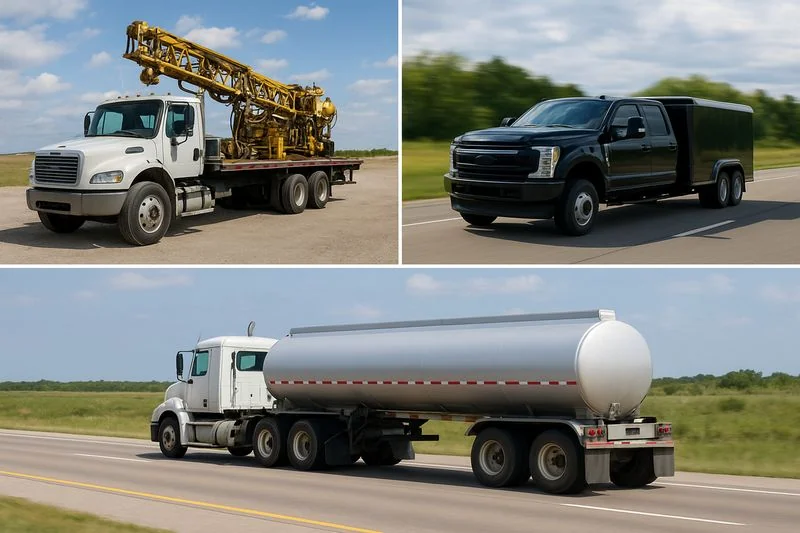
- Flatbeds are ideal for oversized and heavy equipment such as drilling rigs, steel pipes, and compressors. Since these trailers have an open platform, they make it easy to load and unload irregularly shaped cargo. Flatbeds are often used when moving large machinery between storage yards and drilling sites.
- Hotshot trucks are perfect for small, urgent shipments. They’re essentially heavy-duty pickup trucks pulling a shorter trailer. For example, when a drilling team runs out of a critical tool in the middle of the night, a hotshot delivery can save hours — and thousands of dollars — by getting that part to the site fast. Many small operators choose this option because it combines speed, flexibility, and lower costs compared to hiring a full-size carrier.
- Oil tankers are specialized trucks designed for transporting liquid materials like crude oil or fuel. They have cylindrical tanks that prevent spillage and make it safe to move liquids over long distances. While trucks can’t move massive quantities at once, they excel at delivering smaller loads to multiple destinations efficiently.
Are Pipelines Still the Most Reliable Option?
Pipelines have long been seen as the backbone of large-scale oil and gas transportation. They move massive volumes of crude oil, refined products, and natural gas directly from extraction sites to refineries or processing plants. Once installed, pipelines can operate around the clock, ensuring a constant, uninterrupted flow of materials without the need for manual loading or unloading. For major energy companies that handle millions of barrels each day, this consistency is a huge advantage.
Modern technology has made pipeline systems even safer and more efficient. Today’s pipelines are equipped with automated monitoring systems and sensors that track flow rates, temperature, and pressure in real time. If an irregularity occurs — such as a drop in pressure that could signal a leak — control centers can detect and respond immediately. This level of automation reduces human error and helps maintain safety across long distances.

However, pipelines come with serious limitations. Their infrastructure is expensive to build and maintain, and they can only deliver to areas connected to the network. If a company operates in a new or remote region without existing pipelines, laying new lines can cost millions and take months or even years to complete. And while leaks are rare, when they do occur, the environmental and financial impact can be massive, especially because large amounts of oil move through at once.
For smaller shippers or businesses working with modest volumes, pipelines are often not a practical option. They don’t offer the flexibility of trucks or the accessibility of rail. That’s why many companies choose hybrid logistics solutions — for example, using trucking to connect remote fields with major pipeline terminals.
Can Ocean Shipping Handle Large-Scale Global Deliveries?
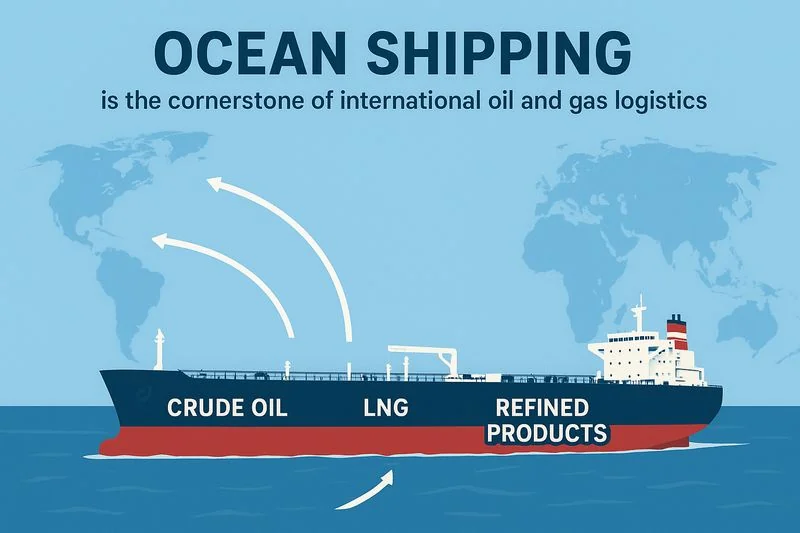
Ocean shipping is the cornerstone of international oil and gas logistics, especially when it comes to moving massive quantities of crude oil, liquefied natural gas (LNG), or refined products across continents. Specialized vessels — such as oil tankers and gas carriers — are designed to safely transport millions of barrels at once, making sea freight the most cost-efficient method per ton for long-distance deliveries.
One of the biggest strengths of ocean transport is its global reach. Ships can connect production zones in the Middle East, Africa, or North America with refineries and buyers anywhere in the world. This capability allows producers and suppliers to expand into international markets without relying on limited land-based routes. Additionally, ocean shipping has proven to be remarkably reliable over time. Ports operate on strict schedules, and modern vessels are equipped with advanced navigation and monitoring systems to ensure safe, steady voyages.
However, this method isn’t without its drawbacks. Transit times are longer compared to rail or truck delivery, and shipments can be delayed by weather conditions or port congestion. For companies that need quick turnaround or handle smaller loads, this may seem like a disadvantage.
Still, small and mid-sized businesses can benefit from ocean transport when it’s part of an intermodal strategy. YK Freight helps make this possible by combining sea freight with efficient land transportation — connecting ports with rail and trucking networks. This way, even a smaller company can access affordable global shipping while keeping control over timing and final delivery.
Why Is Rail Transport Still Relevant Today?
Rail transport has been a key part of the oil and gas supply chain for more than a century — and it remains highly relevant today. Despite newer technologies and logistics methods, rail shipping continues to offer one of the most cost-effective solutions for moving large quantities of oil, gas, and related materials over long distances. Trains can cover thousands of miles efficiently, making them ideal for connecting inland production areas with refineries, storage hubs, and major ports.
One of rail’s biggest advantages is its stability and safety. Rail cars are designed to handle bulk liquids and heavy industrial cargo with reduced risk of damage or leakage. The movement is smoother than trucking, and the risk of accidents caused by traffic or road conditions is lower. This reliability makes rail a trusted choice for companies shipping high-value or hazardous materials that must meet strict safety standards.
However, rail transport also comes with limitations. Trains run on fixed routes and schedules, which means shippers can’t always deliver directly to remote drilling sites or specific facilities. Loading and unloading also take more time and coordination than a simple truck delivery. Because of this, rail on its own may not be flexible enough for smaller operators or time-sensitive shipments.
The most efficient approach for many companies today is a combined rail-and-truck solution. By using trains for the long-distance portion of the trip and trucks for the final leg, shippers can cut overall costs while still reaching remote or off-route destinations.
How Can YK Freight Simplify Oil and Gas Shipping for You?
No matter which transportation method you choose — trucks, rail, pipelines, or ocean freight — one thing remains the same: you need a reliable logistics partner who can bring it all together. Oil and gas shipping is complex. It involves hazardous materials, strict regulations, and high safety standards. Having the right partner means you can focus on your operations while experts handle the planning, permits, and coordination.
At YK Freight, we’ve built our reputation on making even the most challenging oil and gas deliveries simple and efficient. With years of experience and a vast network of trusted carriers, we provide end-to-end logistics support that fits your exact needs — whether it’s a single urgent shipment or a long-term transportation strategy.
Our team specializes in custom solutions designed to save time and reduce costs. We can combine multiple modes of transport — such as trucking and rail — to create the most practical and affordable route for your cargo. From oversized equipment and drilling supplies to fuel and raw materials, YK Freight ensures that every shipment is handled safely, transparently, and on schedule.
Further Reading
How to Optimize Your Oil and Gas Supply Chain for Cost and Efficiency
How Oil and Gas Companies Can Save on Logistics and Cut Transportation Costs
Discover the Top Benefits of Intermodal Transport for Safe and Cost-Effective Shipping
When to Use Intermodal Transportation for Cost-Effective Shipping


ASK YOUR QUESTIONS