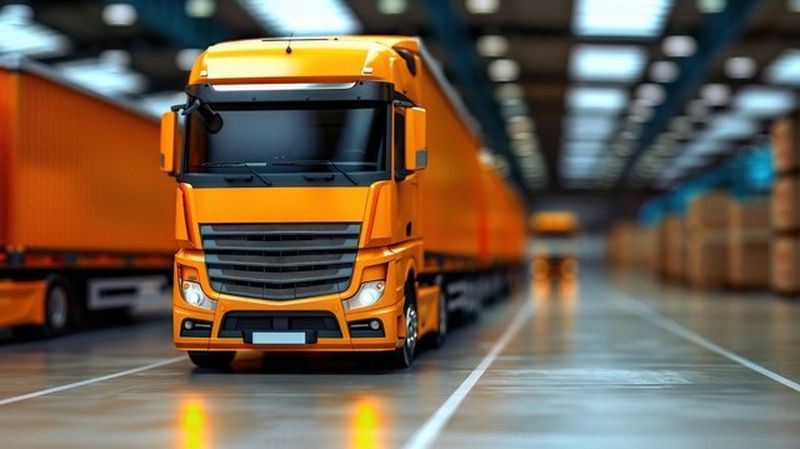
Reverse logistics—returning products, damaged goods, or unsold items—can be costly and confusing, especially for budget-conscious buyers. This guide shows 3 practical ways to manage reverse logistics efficiently, helping you save money, reduce delays, and handle returns smoothly without stress.
Table of Content:
- What Is Reverse Logistics and Why Should You Care?
- How Can You Extract Insights from Your Returns Data?
- How Can Technology Make Reverse Logistics Easier?
- How Can You Upgrade Your Returns Process Without Breaking the Budget?
- Are There Extra Tips to Keep Reverse Logistics Cost-Effective?
- How Can YK Freight Help You Manage Reverse Logistics?
What Is Reverse Logistics and Why Should You Care?
Reverse logistics is simply the process of moving products backward in the supply chain. That could mean returning items to a seller, sending damaged goods for repair, or shipping unsold products back to a warehouse. Unlike regular delivery, which goes from seller to customer, reverse logistics flows in the opposite direction—and it can get complicated if not handled properly.
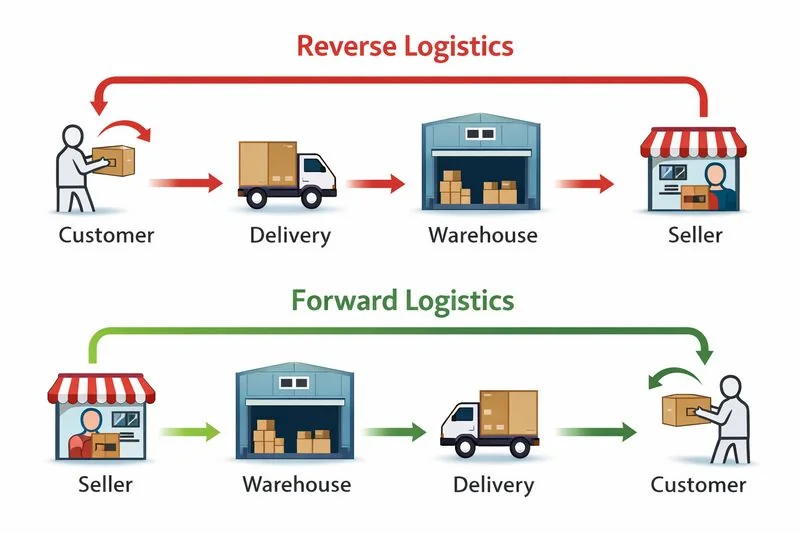
Online shopping has grown tremendously over the past few years, and the COVID-19 pandemic accelerated this trend. With fewer people visiting physical stores, more products are being ordered online, which naturally leads to more returns. Customers expect easy, fast returns, and businesses must keep up with this demand.
For example, imagine you bought a salvage car from an online auction or ordered auto parts that didn’t fit your vehicle. Returning that car or part involves reverse logistics. It’s not just shipping—it’s coordinating the pickup, inspecting the item, and making sure it reaches the right place safely.
Managing reverse logistics efficiently can save you money by reducing unnecessary shipping costs, avoiding delays, and preventing extra fees. At the same time, it improves the customer experience, because returns are handled smoothly, which keeps buyers happy and more likely to trust your service in the future. For budget-conscious buyers or small businesses, getting reverse logistics right is a smart way to protect both your wallet and your reputation.
How Can You Extract Insights from Your Returns Data?
Before you start improving your reverse logistics process, it’s crucial to understand why returns are happening. Analyzing return patterns helps you spot problem areas, save money, and make smarter decisions for the future. Without this insight, you may waste time and resources fixing issues that don’t actually exist—or miss problems that cost you the most.
A practical way to start is by tracking which items are returned most often, the reasons for those returns, and the costs involved. For example, if you notice that certain auto parts or vehicles are frequently coming back due to minor damages, you can take steps to prevent it. Maybe the packaging needs improvement, or the shipping route is too rough for fragile items.
By studying historical data, you can see patterns over time instead of reacting to one-off incidents. For instance, if cars shipped during winter months return more often because of salt damage or road conditions, you can adjust your transport strategy or offer better protection during those months.
Using data in this way allows you to plan smarter, reduce unnecessary returns, and improve customer satisfaction. Simply put: the more you know about past returns, the easier it is to prevent future problems—and the more money you save in the process.
How Can Technology Make Reverse Logistics Easier?
Technology plays a key role in managing reverse logistics efficiently. Handling returns, damaged goods, or unsold items can get complicated, especially if you don’t have a clear picture of where products are or why they’re coming back. Using the right tools gives you visibility into every step of the process, so you can act before problems turn into extra costs.
One great example is YK Freight’s Transportation Management System (TMS). This system centralizes all your shipping data in one place, giving you an easy view of your operations. With TMS, you can track shipments in real-time, spot recurring issues, and make smarter decisions about routes, carriers, and timing.
The benefits are clear: you can catch delays before they become expensive, plan better routes to save on shipping costs, and analyze patterns to reduce future returns. For instance, if a shipment of auto parts is repeatedly delayed on a certain route, TMS alerts you early so you can reroute or reschedule before extra fees pile up.
How Can You Upgrade Your Returns Process Without Breaking the Budget?
Improving your returns process doesn’t have to be expensive. Even small businesses or budget-conscious buyers can take simple steps to make reverse logistics more efficient—and save money in the process.
Start with better load planning and route optimization. By grouping returns together and planning the most efficient routes, you can reduce trips, fuel costs, and delivery fees. For example, if you need to return a car from an online auction, scheduling pickups efficiently can prevent paying extra for last-minute or scattered shipments.
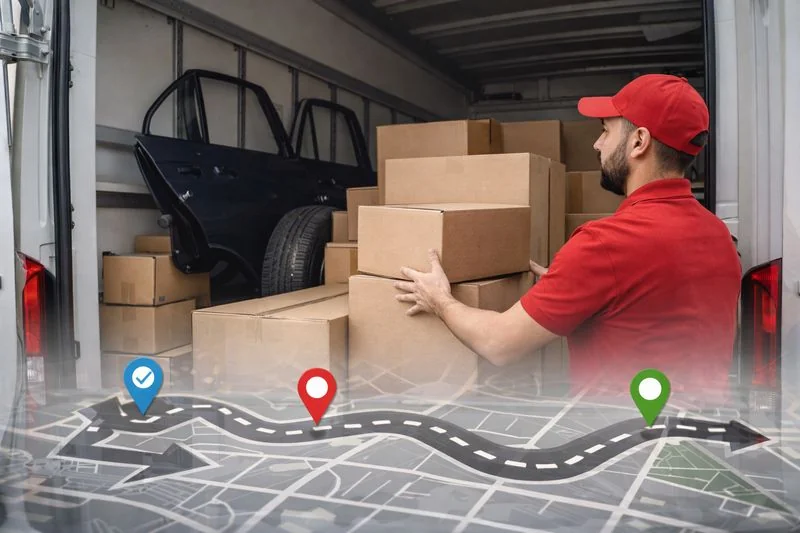
Next, consider adjusting return windows or schedules. Offering flexible but well-planned return times helps both your team and your customers. It avoids bottlenecks and ensures that items are ready for pickup or drop-off without unnecessary delays.
Finally, strengthen customer support for returns. Clear instructions, easy communication, and timely updates make the process smoother for everyone. Customers are more likely to follow proper return procedures, which reduces mistakes, damages, and extra costs.
Are There Extra Tips to Keep Reverse Logistics Cost-Effective?
Beyond planning and technology, there are simple, practical steps you can take to keep reverse logistics affordable. These small actions can add up to big savings over time.
One effective strategy is to consolidate shipments whenever possible. Instead of sending back items one by one, combine multiple returns into a single shipment. This reduces the number of trips and lowers courier fees. For example, Anna returned several auto parts in one consolidated shipment, saving money on multiple courier charges.
Another tip is to use local carriers or pickup points. Long-distance returns can get expensive quickly, especially if you’re shipping heavy or oversized items like cars or parts. Using nearby drop-off locations or local shipping services helps cut costs and makes the process faster.
Finally, always document and inspect items before sending them back. Take photos of damages or condition, double-check that the right items are being returned, and package them properly. This prevents disputes with sellers or carriers, avoids unnecessary delays, and stops extra fees from popping up.
How Can YK Freight Help You Manage Reverse Logistics?
YK Freight offers practical solutions to make reverse logistics simpler, faster, and more cost-effective, especially for small businesses and budget-conscious buyers. Their services cover everything from pickup and delivery coordination to tracking returns every step of the way.
One of the biggest advantages is YK Freight’s Transportation Management System (TMS). This tool gives you full visibility of shipments, allowing you to track returns, spot trends, and optimize routes. With TMS, you can avoid delays, reduce unnecessary trips, and plan smarter, saving both time and money.
YK Freight also provides flexible delivery and pickup options, which help you consolidate shipments, use local carriers, or schedule returns at convenient times. This is particularly useful if you’re returning cars from auctions, shipping auto parts, or managing multiple items at once.
By combining technology with practical delivery options, YK Freight makes it easier to handle reverse logistics efficiently without overspending, giving small businesses and individuals the confidence to manage returns smoothly and cost-effectively.
Further Reading
Reducing Logistics Costs: Tips from YK Freight Experts
How to Cut Costs on Last Mile Delivery: Smart Tips for Savings
Building a Resilient Supply Chain: Strategies for Reliable, Cost-Friendly Delivery
Supply Chain Strategy: Smart Options to Save on Car Shipping


ASK YOUR QUESTIONS