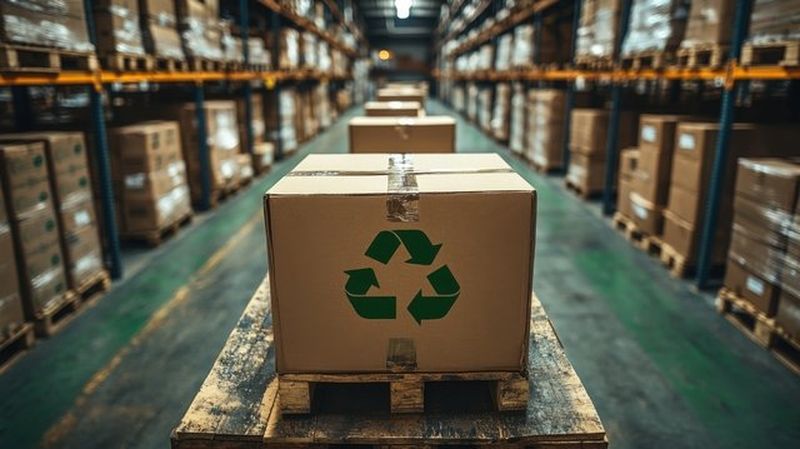
Sustainable logistics can save money, reduce waste, and make shipping more efficient. This guide shows 3 practical steps to run greener operations, cut fuel costs, and handle deliveries smarter—even on a budget.
Table of Content:
- What Does Sustainable Logistics Mean and Why Should You Care?
- How Can Technology Improve Sustainability in Your Logistics?
- How Can Route Optimization Reduce Costs and Emissions?
- How Can Warehouse Optimization Support Green Logistics?
- What Other Simple Practices Make Logistics More Sustainable?
What Does Sustainable Logistics Mean and Why Should You Care?
Sustainable logistics is all about running your shipping operations in a way that saves fuel, cuts waste, and uses resources more efficiently. It doesn’t mean overhauling your entire business overnight or buying expensive equipment. Even small changes can make a big difference for both your wallet and the environment.
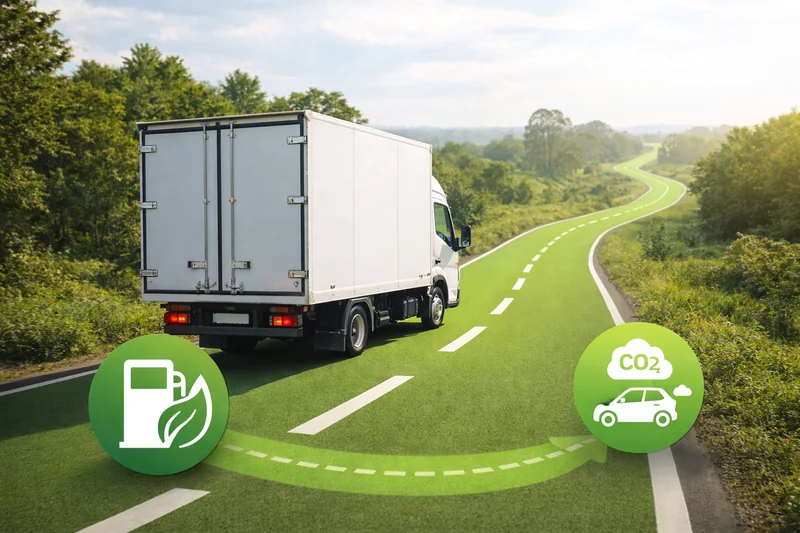
Why does it matter? Consumers are paying more attention to environmental responsibility. In fact, nearly 50% of customers have switched to another product or service provider because a company didn’t meet their sustainability expectations. Businesses that adopt greener logistics practices can not only attract these eco-conscious customers but also reduce unnecessary costs in their operations.
Sustainable logistics isn’t just about protecting the planet—it can also save money. For example, even small actions like consolidating deliveries when shipping cars or auto parts reduce the number of trips, save on fuel, and lower your carbon footprint. Over time, these small improvements add up, helping budget-conscious buyers and businesses alike.
By understanding and applying sustainable logistics practices, you can run smarter, cut costs, and meet the growing expectations of customers who care about how their products are shipped.
How Can Technology Improve Sustainability in Your Logistics?
Technology is a powerful tool for making logistics more efficient and environmentally friendly. One key example is YK Freight’s Transportation Management System (TMS), which gives you full visibility of your shipments and operations. With this insight, you can spot inefficiencies that waste fuel, time, and money.
Visibility helps you identify problem areas like fuel-heavy routes, unnecessary trips, or wasted warehouse space. Once you see these blind spots, you can take action to reduce them. For instance, “with a TMS, you can see which auto parts shipments are going separately and combine them to save fuel and money.” This simple change lowers carbon emissions while reducing costs—benefiting both your budget and the environment.3
The practical benefits of using technology like TMS go beyond combining shipments. You get better tracking of every delivery, smarter route planning, and clearer data for decision-making. By leveraging technology, even small businesses and budget-conscious buyers can run logistics that are both sustainable and cost-effective, making every shipment count toward a greener operation.
How Can Route Optimization Reduce Costs and Emissions?
Trucks are the backbone of logistics, but they also produce the largest share of carbon emissions in the shipping industry. Every extra mile, empty trip, or inefficient route increases fuel consumption, costs money, and adds to your carbon footprint.
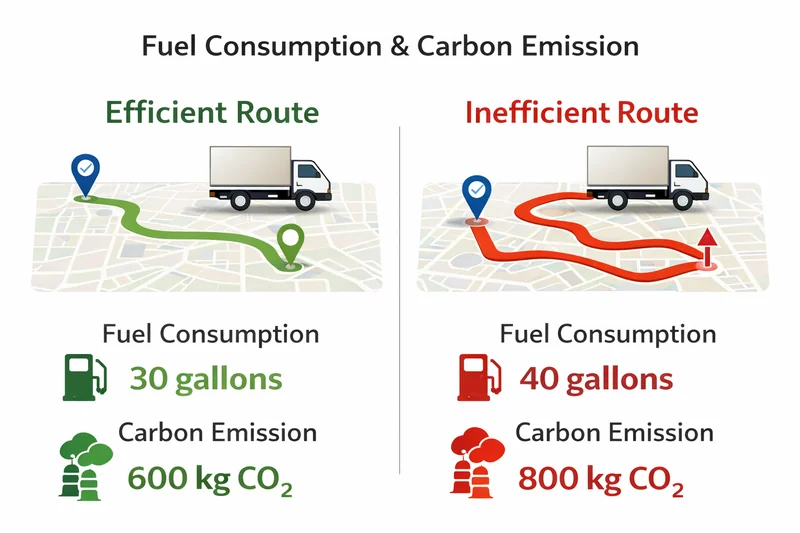
That’s where route optimization comes in. By planning lanes and deliveries more efficiently, you can cut fuel use, reduce emissions, and save money at the same time. Even small adjustments—like consolidating shipments, avoiding empty trips, or mapping routes for fewer miles—can make a significant difference over time.
For example, “by mapping efficient routes for returning cars from auctions, you save fuel and reduce unnecessary driving.” This not only lowers delivery costs but also makes your logistics operations more sustainable.
For budget-conscious buyers and small businesses, route optimization is a simple but powerful way to reduce expenses while being environmentally responsible, showing that sustainability and savings can go hand in hand.
How Can Warehouse Optimization Support Green Logistics?
Warehouse efficiency plays a critical role in sustainable logistics. A well-organized warehouse—through smart layout, accurate inventory management, and streamlined order fulfillment—reduces wasted time, energy, and resources. Efficient operations mean fewer mistakes, fewer extra shipments, and less unnecessary energy use.
For example, “organizing auto parts in a warehouse to reduce double handling prevents unnecessary trips and energy waste.” By knowing exactly where items are, workers spend less time searching and moving products around, which lowers labor costs and reduces fuel use for internal transportation or returns.
Even small, budget-friendly improvements can make a big difference. Better space usage, energy-efficient lighting, proper shelving, and optimized workflows all contribute to fewer delivery errors, reduced energy consumption, and lower operational costs.
For anyone shipping cars, parts, or other items, improving warehouse practices is a practical, cost-saving step toward greener and smarter logistics operations.
What Other Simple Practices Make Logistics More Sustainable?
Sustainable logistics doesn’t always require big investments. Even small, budget-friendly changes can make your operations greener and more cost-efficient.
One simple step is to use reusable packaging and protective covers for cars, auto parts, or other shipments. Instead of throwing away plastic wraps or single-use materials, reusable options save money and reduce waste over time.
Another practical approach is to consolidate shipments whenever possible. Combining multiple deliveries into a single trip reduces fuel use and lowers courier costs. For example, “sending multiple car parts together in one shipment saves both fuel and delivery costs.”
Finally, monitor fuel usage, delivery patterns, and shipment performance. Keeping track of these metrics helps you spot inefficiencies and make improvements that save both money and energy.
Further Reading
What Is Green Logistics? How Eco-Friendly Shipping Saves Money & the Planet
Reducing Logistics Costs: Tips from YK Freight Experts
How Blockchain Transforms Logistics: Faster, Safer, and More Affordable Shipping
Building a Resilient Supply Chain: Strategies for Reliable, Cost-Friendly Deliver


ASK YOUR QUESTIONS