
Inbound freight costs often make up a large share of transportation spending, but they are frequently overlooked. This quick guide explains 3 practical ways to reduce these hidden expenses. You’ll learn how better vendor control, improved visibility, and compliance programs can help you avoid overspending, reduce emergency shipments, and make your logistics more efficient without complex changes.
Table of Content:
- Why Do Inbound Freight Costs Often Get Overlooked?
- How Can Lack of Inbound Freight Control Increase Your Total Costs?
- How Can Reviewing Your Vendor Strategy Help Reduce Freight Spending?
- How Does Technology Improve Inbound Freight Cost Efficiency?
- What Role Does Shipment Visibility Play in Cutting Freight Costs?
- How Can a Vendor Compliance Program Reduce Hidden Freight Expenses?
- What Are the 3 Most Effective Ways to Cut Inbound Freight Costs Overall?
- How Can Businesses Start Reducing Inbound Freight Costs Today?
Why Do Inbound Freight Costs Often Get Overlooked?
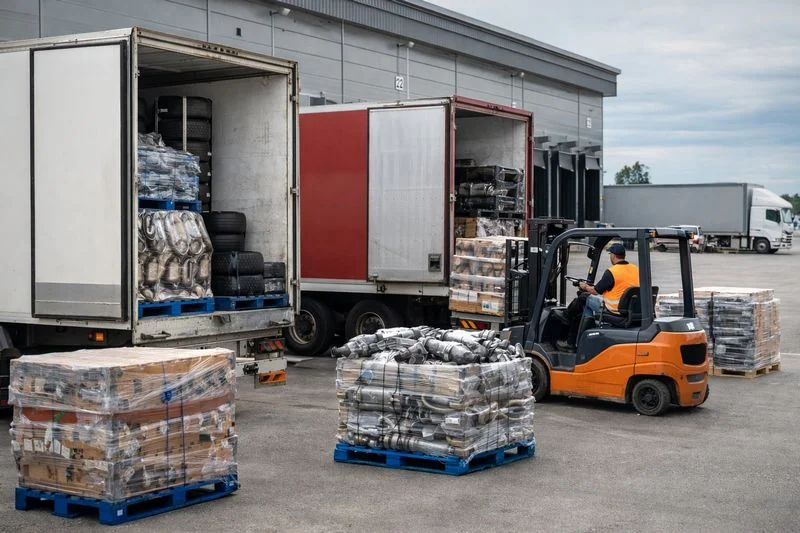
Inbound freight is one of the most important parts of the supply chain, but it is also one of the easiest to ignore. Many companies focus heavily on outbound logistics because that is what customers see directly. Deliveries to customers feel more “urgent” and more connected to revenue. As a result, inbound shipments from suppliers often do not get the same level of attention or control.
Focus shifts to visible shipping costs
In many businesses, transportation planning is built around outgoing deliveries. Managers track last-mile delivery performance, customer satisfaction, and shipping speed. These are visible metrics, and they directly affect sales and reputation.
But inbound freight works differently. It happens behind the scenes. Goods are moving from suppliers, warehouses, or production partners, and there is no customer waiting on the other end. Because of this, companies often assume inbound shipping is already “handled” by vendors, without reviewing whether it is efficient or cost-optimized.
For example, a small auto parts reseller may carefully optimize delivery times for customers, but never question how their supplier ships bulk parts to their warehouse. Over time, this creates blind spots in spending.
Lack of visibility creates hidden costs
When inbound freight is not actively managed, companies lose visibility over key decisions such as carrier selection, shipping routes, and delivery timing. This often leads to inefficiencies that are not immediately noticeable.
Suppliers may choose more expensive carriers for convenience. Shipments may be sent in smaller batches instead of consolidated loads. Emergency or rush shipments can appear more often simply because inventory planning is not aligned.
Each of these issues might seem minor on its own, but together they create a steady stream of hidden costs that quietly increase total logistics spending.
Overspending often goes unnoticed
One of the biggest risks of poor inbound freight control is that overspending builds up gradually. Since costs are spread across multiple suppliers and shipments, they are harder to track and analyze.
In many companies, inbound freight can account for up to 40% of total transportation costs, yet it receives only a fraction of the attention in budget reviews. This imbalance creates a situation where companies are actively optimizing outbound delivery costs while losing money on inbound flows without realizing it.
A typical example is a mid-sized business importing vehicle parts. The company invests time in improving customer delivery times, but does not monitor how suppliers ship goods. Over time, they end up paying higher freight rates, dealing with inconsistent delivery schedules, and absorbing unnecessary transportation fees.
Why this matters for cost reduction
The main issue is not just cost itself, but lack of control. Without proper oversight of inbound freight, it becomes difficult to identify where money is being lost and how to fix it. Companies that start paying attention to inbound logistics often discover significant savings opportunities that were previously hidden in plain sight.
How Can Lack of Inbound Freight Control Increase Your Total Costs?
When inbound freight is not properly managed, costs increase in ways that are not always obvious at first. The main problem is weak control over shipments and poor communication with vendors. Without clear visibility, companies cannot fully understand where money is being spent or why certain shipping decisions are being made.
Unclear shipment tracking leads to costly delays
One of the most common issues is poor shipment visibility. When businesses cannot track inbound deliveries in real time, they lose the ability to react quickly to delays or disruptions.
For example, if a shipment of auto parts is delayed but the company only finds out after it was supposed to arrive, production or resale plans can be disrupted. To fix the issue, companies often turn to expensive last-minute solutions such as expedited shipping or partial emergency orders.
These reactive decisions are significantly more expensive than planned logistics and can quickly increase overall freight costs.
Unoptimized carrier selection increases shipping expenses
Another major cost driver is lack of control over carrier selection. In many cases, suppliers choose the carrier themselves without considering cost efficiency or agreed shipping standards.
This can lead to higher transportation rates, especially if suppliers prioritize speed or convenience over cost optimization. For instance, instead of consolidating shipments with a cost-effective carrier, a vendor may send smaller loads through multiple expensive services.
Over time, these small inefficiencies add up and significantly increase total inbound freight spending.
Duplicated and rushed deliveries create unnecessary expenses
When inbound freight is poorly coordinated, companies often face duplicated shipments or rushed deliveries. This usually happens when inventory planning is not aligned between suppliers and buyers.
For example, if a shipment is delayed and there is no clear communication, a company may reorder the same goods to avoid shortages. Later, both shipments arrive, leading to excess inventory and wasted freight costs.
Similarly, rushed deliveries are often used to compensate for poor planning. Expedited shipping is one of the most expensive logistics options, and frequent use of it quickly inflates transportation budgets.
Weak vendor coordination multiplies hidden costs
All of these issues are usually connected to one root cause: weak coordination with vendors. When communication is inconsistent or unclear, suppliers make decisions independently, often without considering the buyer’s cost structure or delivery strategy.
This lack of alignment creates inefficiencies across the entire inbound process. Small mistakes at the vendor level turn into repeated extra charges, poor shipment planning, and reduced overall control over logistics spending.
How Can Reviewing Your Vendor Strategy Help Reduce Freight Spending?
A strong vendor strategy is one of the most effective ways to reduce inbound freight costs. When vendors are properly managed and aligned with your logistics goals, shipments become more predictable, efficient, and cost-effective. However, when vendor processes are ignored or only loosely monitored, freight spending often increases without clear reason.
Why vendor compliance directly affects freight costs
Vendor compliance is about making sure suppliers follow agreed rules for shipping, delivery timing, packaging, and documentation. When these standards are not enforced, every vendor starts working in their own way, which creates inconsistency in inbound shipments.
For example, one supplier may ship on time in full truckloads, while another sends partial shipments whenever stock is available. This lack of standardization leads to inefficient transportation, higher carrier costs, and more frequent handling.
When compliance is strong, shipments become more predictable. Predictability allows better planning, fewer emergency shipments, and lower overall freight expenses.
How weak communication leads to hidden overspending
Communication is a key part of vendor strategy, but it is often underestimated. When businesses and suppliers do not communicate clearly or regularly, small issues turn into expensive logistics problems.
For example, if a vendor does not confirm shipment schedules in advance, the receiving company cannot plan warehouse capacity or transportation coordination properly. This often results in rushed adjustments, such as paying for expedited delivery or rearranging logistics at the last minute.
Weak communication also leads to misunderstandings about order quantities, delivery windows, and shipping methods. Each mistake increases the risk of additional freight costs that could have been avoided with simple coordination.
Example: how missed schedules increase freight expenses
Consider a business that regularly imports auto parts from multiple suppliers. The company has agreed delivery schedules, but some vendors do not consistently follow them. As a result, shipments arrive late or in smaller batches than planned.
To avoid stock shortages, the company is forced to place urgent reorders and pay for express shipping. Over time, these emergency shipments become a regular expense, significantly increasing total inbound freight costs.
In this case, the problem is not carrier pricing or fuel costs—it is poor vendor discipline and lack of schedule enforcement.
Why reviewing vendor strategy improves long-term savings
Regularly reviewing vendor performance helps identify where inefficiencies are coming from. It allows businesses to see which suppliers consistently meet requirements and which ones create unnecessary costs.
By improving compliance standards, strengthening communication, and setting clear expectations, companies can reduce rushed shipments, avoid duplicate deliveries, and gain better control over inbound freight flows.
How Does Technology Improve Inbound Freight Cost Efficiency?
Technology plays a major role in reducing inbound freight costs by giving companies better control over shipments, clearer visibility, and more accurate data for decision-making. Instead of relying on emails, phone calls, and manual updates, businesses can manage everything through digital systems that centralize information and reduce errors.
How a TMS improves shipment visibility and control
A Transportation Management System (TMS) helps companies track inbound shipments in real time and manage logistics from a single platform. This means businesses can see where shipments are, when they will arrive, and whether there are any delays or disruptions.
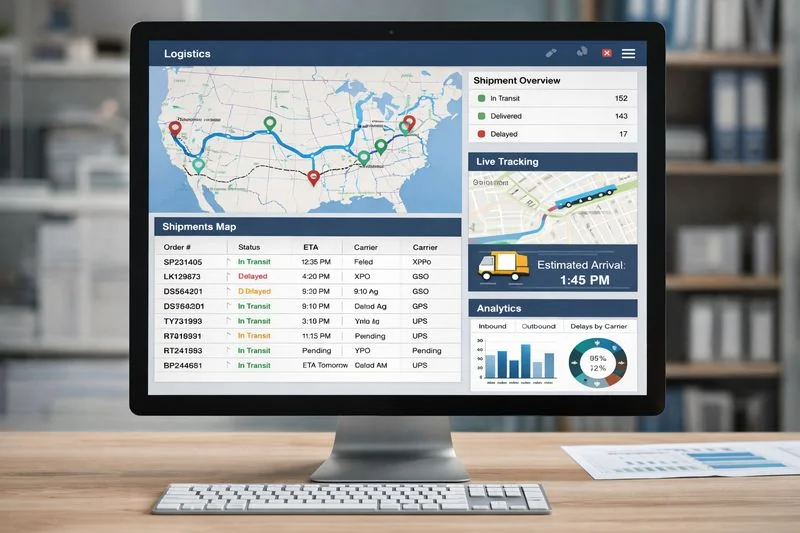
For example, if a shipment of vehicle parts is delayed at a port or warehouse, the logistics team can immediately adjust plans instead of discovering the issue too late. This reduces the need for expensive emergency shipping and helps avoid production or inventory gaps.
With better visibility, companies can also identify patterns such as frequent delays from specific suppliers or inefficient shipping routes. Over time, this data helps reduce unnecessary costs and improve planning.
How centralized data helps reduce hidden freight costs
One of the biggest advantages of using technology is centralized data collection. Instead of scattered information across different vendors and departments, all shipment data is stored in one system.
This allows companies to analyze freight performance, compare carrier costs, and identify inefficiencies. For instance, a business may discover that certain routes consistently cost more or that small shipments are being sent too frequently instead of being consolidated.
Without centralized data, these patterns are difficult to detect. With it, companies can make informed decisions that directly reduce transportation spending.
How booking responsibility impacts cost efficiency
Another important factor is deciding who manages shipment booking. In some cases, suppliers handle booking directly. In others, logistics teams take full control using system-based approvals and preferred carriers.
When suppliers book independently without guidelines, they may choose faster or more convenient but more expensive options. However, when companies use a structured system through a TMS, they can set rules, preferred carriers, and cost limits.
For example, a business can require all inbound shipments to be booked through approved carriers only. This ensures consistency and helps avoid unnecessary premium shipping costs.
How technology improves collaboration and reduces inefficiencies
Modern logistics platforms also improve collaboration between suppliers and buyers. Everyone works within the same system, which reduces misunderstandings, missing information, and delays caused by poor communication.
Companies like YK Freight help businesses streamline inbound freight operations by implementing modern logistics solutions that improve visibility, coordination, and cost control. With better systems in place, companies gain more control over their supply chain and reduce unnecessary transportation spending.
What Role Does Shipment Visibility Play in Cutting Freight Costs?
Shipment visibility is one of the most important factors in controlling inbound freight costs. When businesses can clearly see where their shipments are and how they are moving through the supply chain, they gain the ability to react early, plan better, and avoid unnecessary expenses. Without visibility, companies often operate blindly, which leads to delays, rushed decisions, and higher shipping costs.
How real-time tracking prevents expensive surprises
Real-time tracking allows businesses to monitor shipments at every stage of transit. Instead of waiting for a delivery to arrive or relying on vendor updates, logistics teams can instantly see if something is delayed or off schedule.
For example, if a shipment of auto parts is stuck at a distribution center, the company can identify the issue immediately. This early awareness gives time to adjust inventory plans or notify internal teams before the delay becomes a bigger problem.
Without tracking, delays are only discovered when they already affect operations. At that point, companies often have no choice but to use expensive emergency shipping solutions to recover lost time.
How centralized data improves decision-making
Visibility is not only about tracking location—it is also about having all shipment information in one place. When data is scattered across emails, spreadsheets, and vendor systems, it becomes difficult to understand the full picture of inbound freight activity.
Centralized data allows companies to analyze delivery performance, shipping frequency, and cost trends. This helps identify inefficiencies such as repeated delays from specific suppliers or unnecessary small shipments that could have been consolidated.
For instance, a company may realize that multiple partial deliveries from different vendors are increasing transportation costs, even though full truckload shipping would be more efficient.
How better forecasting reduces urgent shipping costs
When companies have strong visibility, they can forecast delays and inventory needs more accurately. This reduces the need for last-minute decisions, which are often the most expensive part of freight management.
A common issue in poor visibility environments is emergency shipping. When inventory runs low unexpectedly, businesses are forced to use express delivery services to avoid stockouts. These urgent shipments can cost significantly more than standard freight options.
With proper visibility, companies can detect potential shortages earlier and adjust orders or schedules in advance. This proactive approach helps avoid unnecessary premium shipping fees.
Example: avoiding emergency freight expenses through early detection
Consider a business importing vehicle components from multiple suppliers. One shipment is delayed due to port congestion. Without visibility, the company would only notice the delay after it affects warehouse operations, forcing them to place urgent replacement orders.
With real-time tracking, however, the delay is identified early. The company can adjust production schedules, shift inventory from alternative suppliers, or delay non-critical orders. This prevents the need for costly expedited shipping.
Why visibility is essential for cost control
In inbound freight management, visibility is not just a tracking feature—it is a cost control tool. It helps businesses move from reactive decision-making to proactive planning.
How Can a Vendor Compliance Program Reduce Hidden Freight Expenses?
A vendor compliance program is one of the most effective ways to control inbound freight costs and eliminate hidden expenses in the supply chain. It creates a clear set of rules between retailers and suppliers, making expectations transparent and measurable. When everyone follows the same standards, shipments become more predictable, efficient, and cost-effective.
How clear compliance rules reduce unnecessary costs
Without formal compliance rules, each supplier may handle shipping differently. Some may prioritize speed, others may focus on convenience, and some may not follow any consistent delivery structure at all. This inconsistency leads to unpredictable freight costs and frequent operational disruptions.
A compliance program defines exactly how shipments should be handled. This includes delivery schedules, packaging requirements, labeling standards, and approved transportation methods. When suppliers follow these rules, companies avoid unnecessary handling fees, last-minute adjustments, and inefficient shipping practices.
For example, if all vendors are required to ship in standardized pallet loads, it reduces fragmentation and allows for more efficient transportation planning.
How delivery standards improve supply chain consistency
Delivery standards are a core part of vendor compliance programs. They define when and how goods must arrive, helping companies plan inventory, warehouse space, and transportation more effectively.
When suppliers consistently meet agreed delivery windows, businesses can reduce buffer stock and avoid over-ordering “just in case.” This leads to lower storage costs and fewer emergency shipments.
However, when delivery standards are not enforced, delays and early arrivals create disruptions. These disruptions often result in rushed logistics decisions, which are significantly more expensive than planned freight movements.
How penalty systems improve supplier discipline
One of the most important elements of a compliance program is enforcement. Without consequences, even well-defined rules are often ignored over time. That is why many companies introduce penalty systems for non-compliance.
Penalties can include fees for late deliveries, incorrect documentation, or failure to follow shipping instructions. While this may seem strict, it encourages suppliers to prioritize accuracy and punctuality.
For instance, repeated late deliveries often force companies to rely on expedited shipping to avoid production or inventory shortages. These emergency shipments significantly increase freight expenses. A penalty system helps reduce this behavior by making non-compliance costly for the supplier as well.
Example: preventing expensive emergency shipments
Consider a business that regularly imports automotive components from multiple vendors. Without a compliance program, some suppliers deliver late or in smaller-than-expected batches. To avoid stockouts, the company frequently pays for urgent shipments.
After introducing a vendor compliance program, delivery schedules are strictly defined and enforced. Suppliers understand that late shipments result in penalties, so they prioritize meeting deadlines. As a result, the number of emergency shipments drops significantly, reducing overall freight costs.
How structured compliance improves overall freight performance
A well-designed vendor compliance program does more than just enforce rules—it creates structure and predictability across the entire inbound logistics process. This consistency allows companies to plan better, negotiate more effectively with carriers, and reduce hidden costs that accumulate from poor coordination.
What Are the 3 Most Effective Ways to Cut Inbound Freight Costs Overall?
Reducing inbound freight costs is not about one single fix. It requires a combination of strategies that work together across vendors, systems, and internal processes. When companies address inbound freight from multiple angles, they eliminate hidden inefficiencies and gain full control over transportation spending. The three most effective approaches are improving vendor communication and control, increasing visibility through technology, and enforcing compliance programs.
How improving vendor communication and control reduces unnecessary spending
Strong communication with vendors is the foundation of cost-efficient inbound logistics. When suppliers clearly understand expectations for delivery timing, shipment methods, and order consolidation, they make better shipping decisions.
Without clear communication, vendors often act independently, which leads to fragmented shipments, inconsistent delivery schedules, and avoidable rush orders. These issues directly increase freight costs.
For example, if a supplier ships partial loads without coordination, the company may end up paying more for multiple small shipments instead of one optimized delivery. Better communication helps align schedules and reduce these inefficiencies before they happen.
How increasing visibility through technology prevents hidden costs
Technology plays a critical role in controlling inbound freight expenses. Tools like Transportation Management Systems (TMS) give companies real-time visibility into shipment status, delivery performance, and cost patterns.
With full visibility, businesses can identify delays early, track shipment performance, and analyze transportation data to make smarter decisions. This prevents costly surprises such as emergency shipping or unplanned inventory shortages.
For instance, if a shipment delay is detected early, the company can adjust inventory planning instead of paying for expedited delivery. Over time, this proactive approach significantly reduces unnecessary freight spending.
How enforcing compliance programs creates long-term cost stability
Vendor compliance programs ensure that suppliers follow consistent rules for shipping, delivery timing, and documentation. These programs eliminate guesswork and enforce accountability across the supply chain.
When compliance rules are not enforced, companies face frequent delays, incorrect shipments, and unpredictable freight costs. These issues often lead to expensive corrective actions such as rush deliveries or duplicate orders.
With a strong compliance program, suppliers understand expectations clearly and are motivated to meet them due to penalty structures and performance standards. This leads to more reliable deliveries and fewer costly disruptions.
How these three strategies work together to reduce freight costs
Each of these approaches is powerful on its own, but the real impact comes when they are used together. Vendor communication ensures alignment, technology provides visibility, and compliance programs enforce discipline.
When combined, they create a controlled and predictable inbound freight system. Companies can plan more effectively, reduce emergency shipments, and eliminate hidden costs that accumulate from poor coordination.
How Can Businesses Start Reducing Inbound Freight Costs Today?
Businesses do not need a full logistics transformation to start reducing inbound freight costs. In many cases, small improvements in control, communication, and visibility can lead to immediate savings. The key is to focus on simple, practical steps that reveal inefficiencies and fix the most expensive problems first. This approach works especially well for small and mid-sized companies that want faster results without investing in complex systems right away.
How auditing current inbound processes reveals hidden costs
The first step is to understand how inbound freight is currently being managed. Many businesses do not have a clear overview of their inbound shipments, which makes it difficult to identify where money is being lost.
A basic audit should include reviewing recent shipments, carrier choices, delivery times, and freight charges. The goal is to find patterns such as frequent expedited shipments, inconsistent delivery schedules, or unnecessary small shipments that could be consolidated.
For example, a company may discover that it regularly pays extra for rush deliveries simply because orders are not planned early enough. Identifying these patterns is often the fastest way to uncover immediate cost-saving opportunities.
How checking vendor performance improves cost control
The next step is evaluating vendor behavior and performance. Suppliers play a major role in inbound freight costs, and inconsistent vendor practices often lead to hidden expenses.
Businesses should review whether vendors are meeting agreed delivery schedules, using cost-efficient shipping methods, and following basic shipment instructions. Poor performance from even a few suppliers can significantly increase overall freight spending.
For instance, if one vendor frequently ships late, it may force the company to use emergency transportation to avoid delays in production or inventory shortages. Addressing these issues directly with vendors can quickly reduce unnecessary costs.
How identifying visibility gaps helps prevent overspending
Another important step is checking how much visibility the company has over inbound shipments. Many businesses rely on manual updates or delayed communication from suppliers, which makes it difficult to react to problems in time.
If shipments cannot be tracked in real time or if data is spread across emails and spreadsheets, visibility gaps are likely creating inefficiencies. These gaps often lead to late responses, rushed decisions, and avoidable extra shipping costs.
Improving visibility does not always require advanced systems at the beginning. Even simple tracking tools or standardized reporting from vendors can significantly improve control over inbound freight.
Why small changes can deliver immediate savings
The most important idea is that businesses do not need to change everything at once. Even small improvements in vendor communication, shipment planning, or tracking processes can lead to noticeable cost reductions.
By starting with audits, performance checks, and visibility improvements, companies can quickly identify and eliminate the most expensive inefficiencies. Over time, these small steps build a stronger foundation for more advanced logistics optimization.
For many businesses, this practical approach is the fastest way to reduce inbound freight costs without major system upgrades or operational disruptions.
Further Reading
Best Practices for Inbound Freight Management to Cut Costs
What Is Cargo Consolidation and How It Saves You Money on Shipping
How a 3PL Can Help You Get Lower Freight Rates and Save on Shipping
Spot Market vs Contract Freight Rates: How to Save on Shippin


ASK YOUR QUESTIONS